

MILAN, Italy — Russia's plan to extend its grain export ban destabilizes markets but does not bring closer a repeat of the 2007-08 food crisis, a senior United Nations economist said Friday as new protests flared in Mozambique after bread riots.
Falling wheat output in drought-hit Russia, last year the world's No. 3 exporter of grain, drove benchmark U.S. wheat futures to two-year highs of $8.41 a bushel in early August and sparked fears of food price spikes.
"It is true that Russia is thinking about extending the embargo, but it still does not mean that we are going to have a crisis," Abdolreza Abbassian, an economist at the UN's Food and Agriculture Organization, told Reuters.
Prime Minister Vladimir Putin said Thursday that the export ban — which had been due for review after Dec. 31 — would be extended until late 2011, puzzling analysts and helping send wheat prices higher.
"Actions like this will simply go against the stability" of grain markets, said Abbassian, who is also secretary of the FAO's Intergovernmental Group on Grains.
"It does highlight a very big problem here: A very large exporting country with a great influence on the market can make unilateral decisions like that. It causes disturbances of the market," he added.
Abbassian said he hoped that Putin meant to say the ban could be extended if the situation worsened. "I still hope that there is something lost in translation," he said.
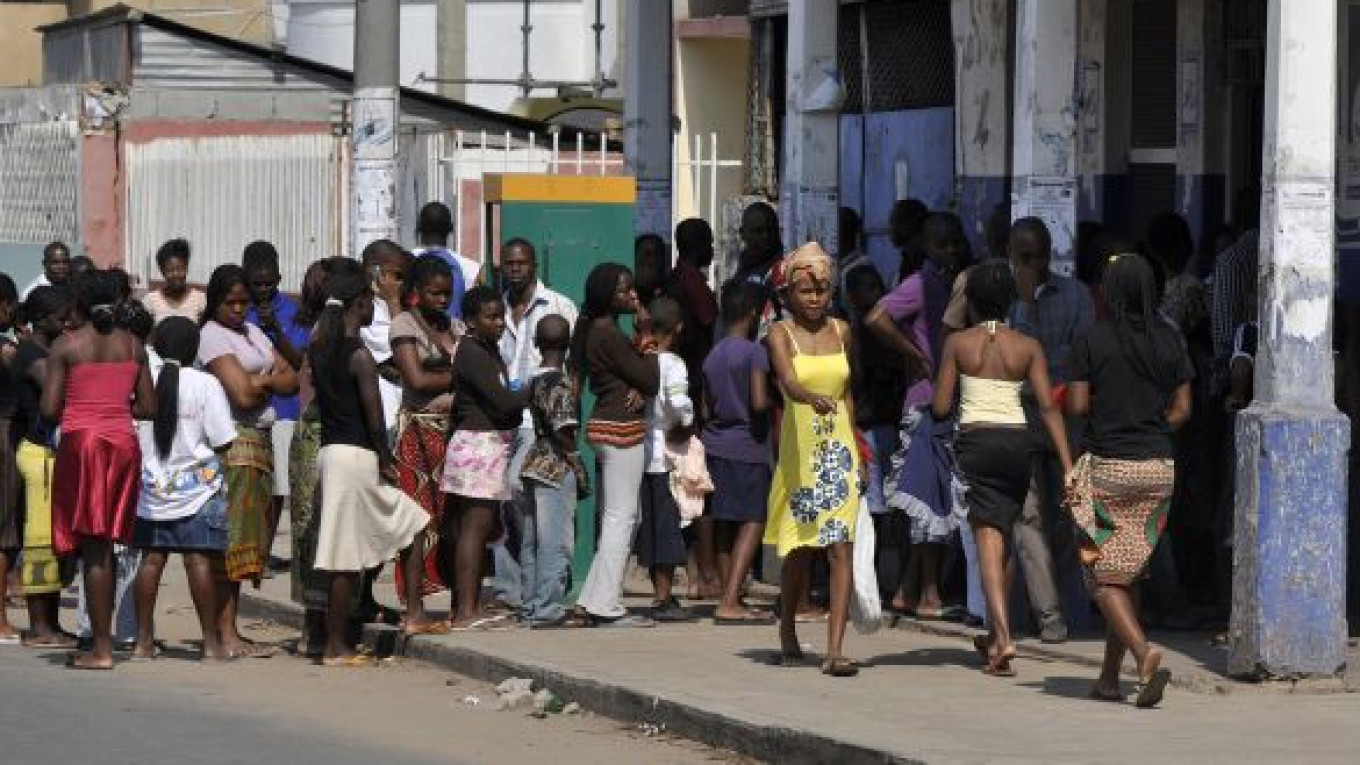
New protests flared in Mozambique on Friday after a spike in bread prices triggered two days of food riots, in which seven people were killed and hundreds were injured.
In Cameroon, the government has threatened to close down businesses found breaking price agreements on food staples after consumer groups warned that recent market price hikes could trigger unrest.
The FAO has said after two years of plentiful crops around the world that the situation on global markets remained different from the food crisis of 2007-08, which sparked food riots in developing countries and panic buying in the wealthier world.
FAO's Food Price Index, which tracks monthly price changes for a food basket of cereals, oilseeds, dairy, meat and sugar — hit a two-year high at 176 points in August but was still 38 percent below its peak reached in June 2008.
Benchmark wheat futures on the Chicago Board of Trade have fallen back from the August peak and traded at about $7 per bushel on Friday. Prices rose as high as $13.34-1/2 in February 2008, but higher global stocks mean that a return to those lofty levels appears unlikely, analysts have said.
Abbassian said global grain supplies remained solid and the markets should settle down soon with strong crops in other major producers offsetting output shortfalls in Russia.
But wheat output forecasts have been cut in major producers Germany, Argentina and Australia because of bad weather.
German commodity analyst F.O. Licht on Friday cut its global wheat forecast for the 2010-11 season to 641.2 million tons, 6 percent down from an earlier view, and trimmed Russia's crop outlook by 4.5 percent to 42 million tons, adding to a series of outlook downgrades by other analysts.
Heat is expected to stay in the southern part of European Russia, the country's main breadbasket, in the next couple of days, increasing risks to winter sowing.
The Rome-based FAO has called an extraordinary meeting of its intergovernmental grain and rice groups Sept. 24 to discuss the market situation and the progress made by countries after the food crisis of two years ago, Abbassian said.
"We felt that, although it is not a crisis, the situation is very volatile and it does require some forum to address what we should be doing," he said, adding that it was too early to say whether the meeting would come up with solutions.
A Message from The Moscow Times:
Dear readers,
We are facing unprecedented challenges. Russia's Prosecutor General's Office has designated The Moscow Times as an "undesirable" organization, criminalizing our work and putting our staff at risk of prosecution. This follows our earlier unjust labeling as a "foreign agent."
These actions are direct attempts to silence independent journalism in Russia. The authorities claim our work "discredits the decisions of the Russian leadership." We see things differently: we strive to provide accurate, unbiased reporting on Russia.
We, the journalists of The Moscow Times, refuse to be silenced. But to continue our work, we need your help.
Your support, no matter how small, makes a world of difference. If you can, please support us monthly starting from just $2. It's quick to set up, and every contribution makes a significant impact.
By supporting The Moscow Times, you're defending open, independent journalism in the face of repression. Thank you for standing with us.

Remind me later.