

Such alienation is no less palpable in Vladimir Nabokov's novel "The Gift," where the main character, an exile in Berlin, no doubt echoing the author's own sentiments, cannot cope with the flatness and boredom of Soviet magazines, including their chess problems. But the emigre literary life described in the novel is not very joyful either: There are numerous little cliques and petty ambitions that cover a deep and tragic sense of being uprooted.
Now, of course, the situation is different, with emigre writers such as Vasily Aksyonov receiving Russia's most prestigious literary prizes and chairing their juries. Russian-language publications are issued in more than 80 countries, and books, magazines or newspapers from Russia are widely available abroad. Some publications, such as the popular newspaper Argumenty i Fakty, even fine-tune their European versions for local readers.
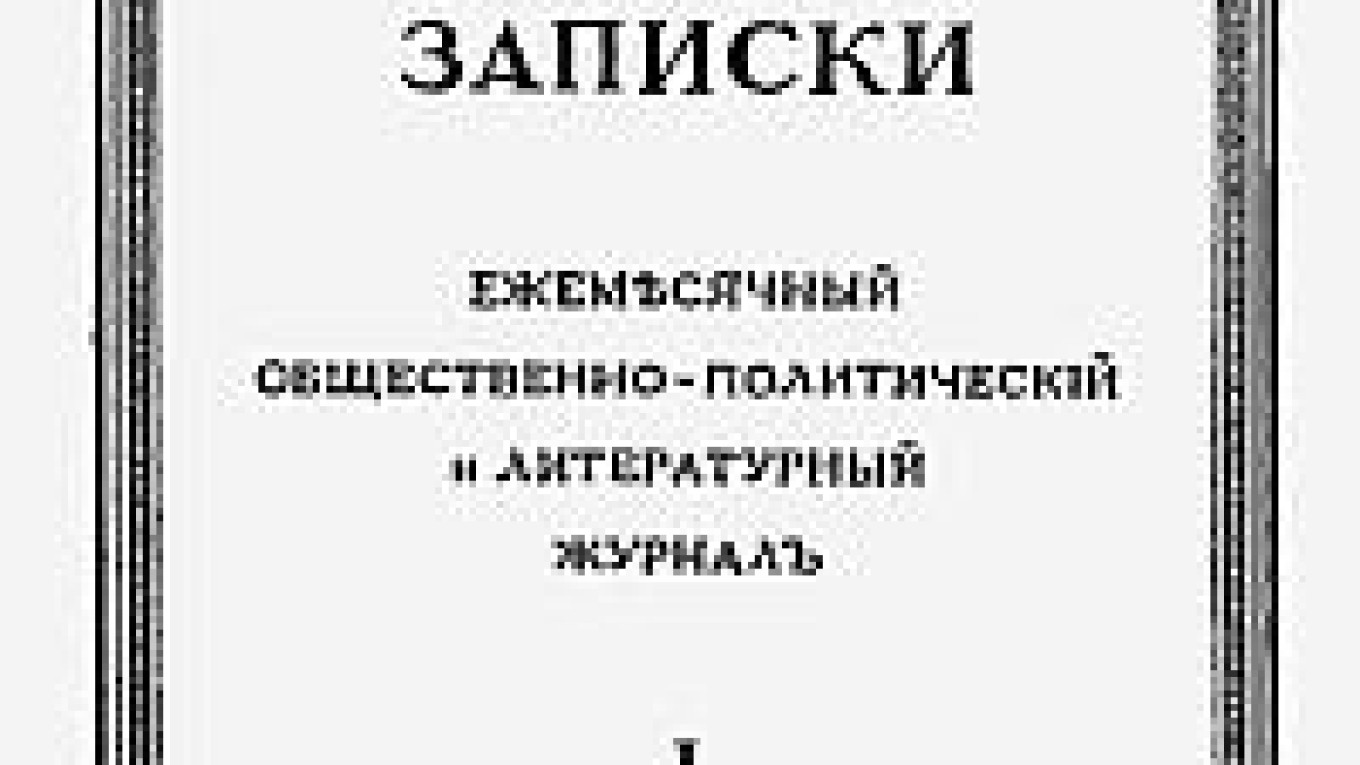
Many of the Russian-language newspapers based in the West, however, cannot boast of any journalistic standards. They swarm with stylistic and grammatical mistakes, recycle news from the Russian or local press and fill their pages with ads. In this landscape, the publications that uphold high literary standards are few and far between. These include the Paris-based Kontinent, founded by writer Vladimir Maksimov, and the New York-based Novy Zhurnal (New Magazine), which is actually quite old, being the successor of Sovremenniye Zapiski (Modern Notes), the best Russian literary journal of the 1920s and 1930s, which published the works of such authors as Nabokov and Nobel Prize-winner Ivan Bunin.
In today's cosmopolitan world, the actual place of the author's residence is not important. Moreover, it is often quite difficult to define. Former divisions do not apply any more, and communication between real pros -- who are few enough on either side of the border -- is what should define today's Russian literary landscape.
A Message from The Moscow Times:
Dear readers,
We are facing unprecedented challenges. Russia's Prosecutor General's Office has designated The Moscow Times as an "undesirable" organization, criminalizing our work and putting our staff at risk of prosecution. This follows our earlier unjust labeling as a "foreign agent."
These actions are direct attempts to silence independent journalism in Russia. The authorities claim our work "discredits the decisions of the Russian leadership." We see things differently: we strive to provide accurate, unbiased reporting on Russia.
We, the journalists of The Moscow Times, refuse to be silenced. But to continue our work, we need your help.
Your support, no matter how small, makes a world of difference. If you can, please support us monthly starting from just $2. It's quick to set up, and every contribution makes a significant impact.
By supporting The Moscow Times, you're defending open, independent journalism in the face of repression. Thank you for standing with us.

Remind me later.