
Hello and welcome to Regions Calling, your guide to developments from beyond the Russian capital by The Moscow Times.
With the first snow of the season having arrived in central Russia this week — and temperatures in Yakutsk, the coldest major city on Earth, already dropping far below minus 30 degrees Celsius — winter is finally here.
In light of the changing weather, in this week’s newsletter, we’re looking back at what was yet another devastating wildfire season in Russia.
To read the full newsletter with our curated roundup of news from across the regions, subscribe to Regions Calling here or on Substack.
The Spotlight
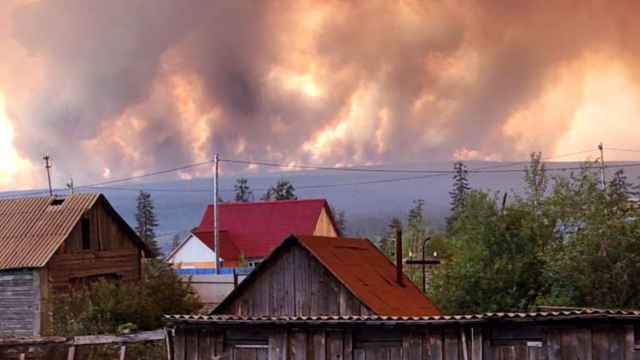
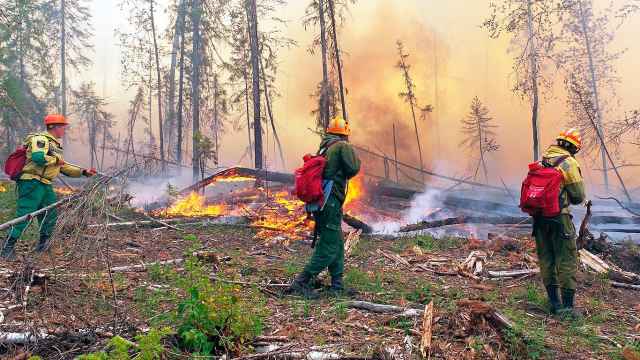
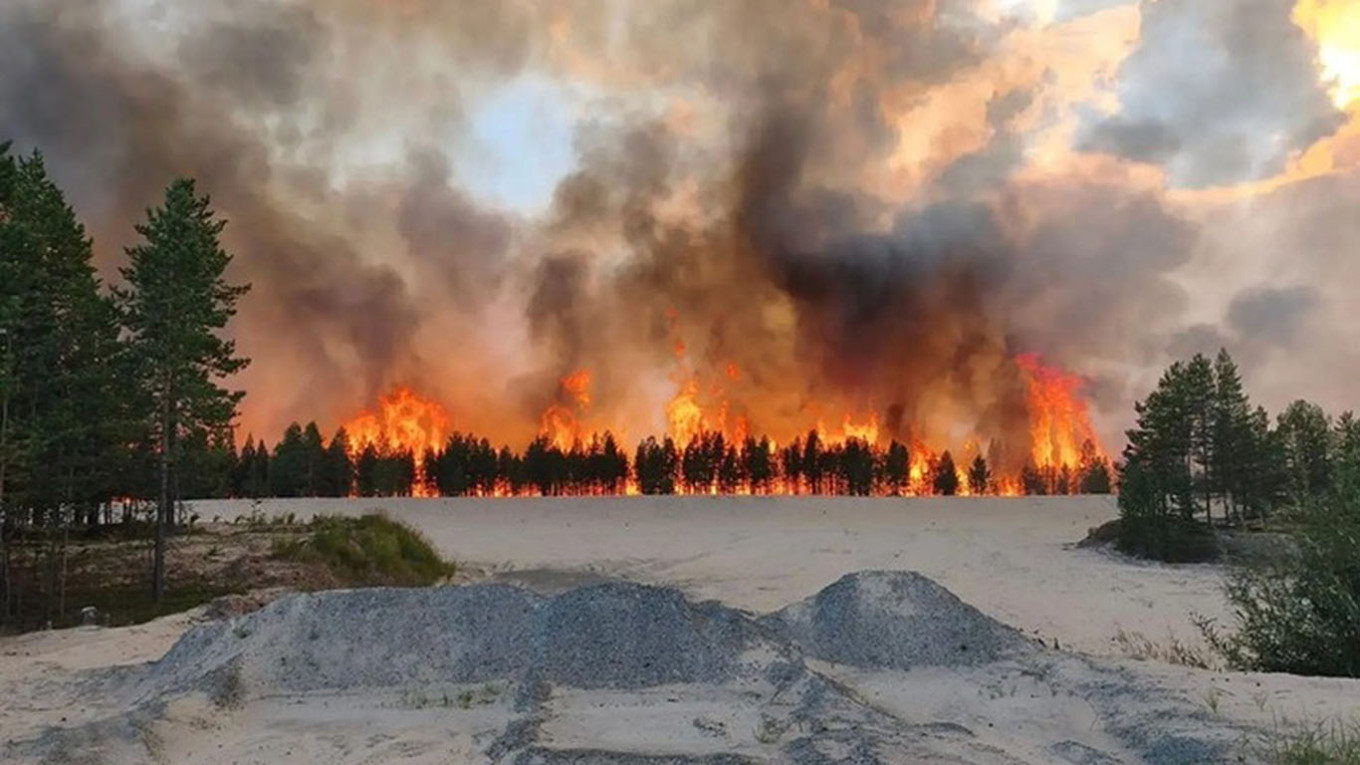
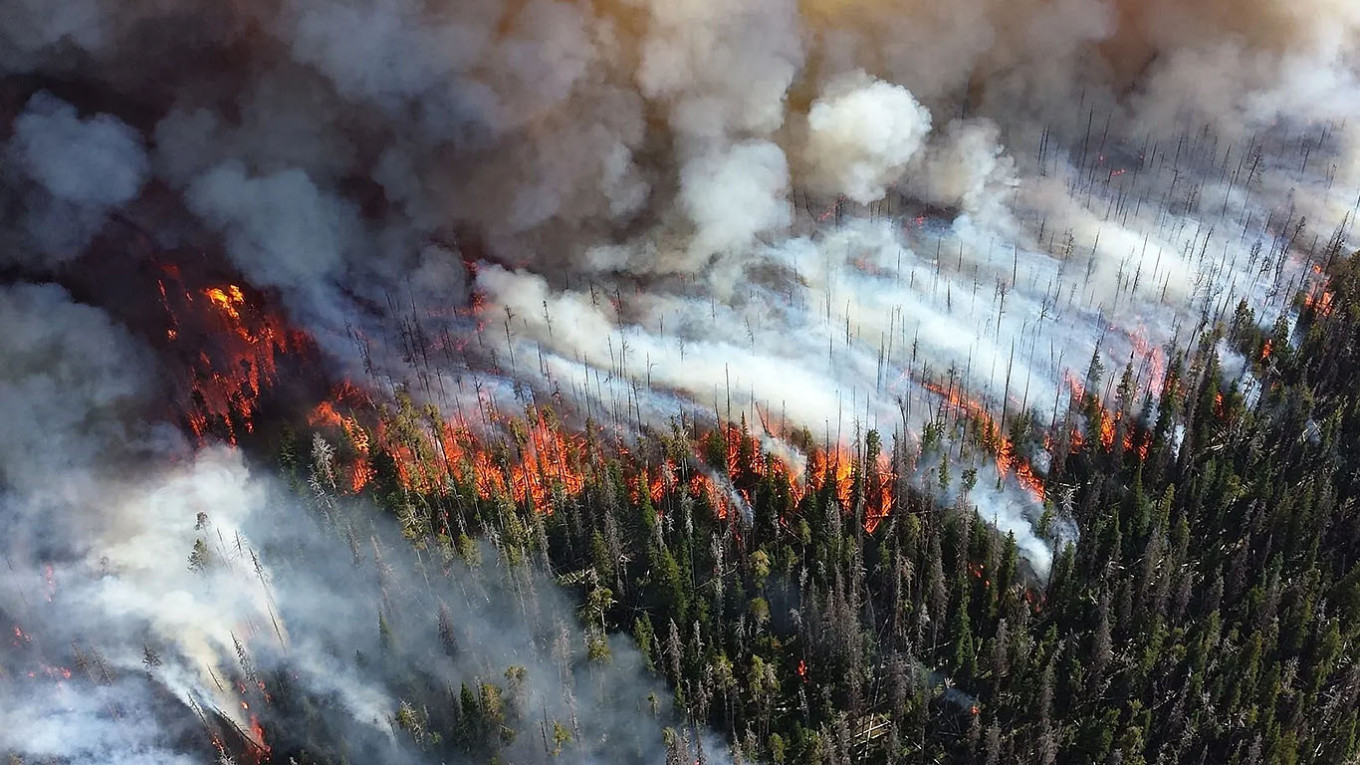
Russia faced a more intense wildfire season this year, with fires burning across 50% more land than in 2025, according to Russia’s Aerial Forest Protection Service.
By early November, with the wildfire season all but over, landscape fires had covered 11.5 million hectares (28.4 million acres) across Russia compared to 7.6 million (18.7 million acres) at the same point last year.
Though the total was less alarming than in the record-breaking 2021, when nearly 19 million hectares (46.9 million acres) were destroyed overall, this year’s fires showed how climate change is a key factor behind where the fires break out and how quickly they spread.
“One manifestation of the climate crisis is the increasing frequency and intensity of extreme weather events,” said Anna Jerzak, an expert at the Greenpeace in Russian project.
The combination of high temperatures, drought and strong winds that make fires easier to start and harder to contain is becoming more common in Russia and elsewhere around the world, she said.
Russia experienced its hottest July on record this summer, beating the previous high set in 2010, when average temperature exceeded the norm by 7.8 degrees Celsius.
Temperatures in northern Siberia, the southern Urals and the Far East republic of Sakha (Yakutia) ran 4 C above seasonal norms in July, according to Russia’s national weather service.
“Climate warming in Russia over the 21st century will occur at a faster rate than for the planet as a whole,” Jerzak told The Moscow Times. “The Northern Hemisphere is warming faster than the Southern Hemisphere, with temperatures in the Arctic rising particularly rapidly.”
Alongside soaring temperatures, Sakha faced some of the worst wildfire destruction by area, with 541 wildfires covering 2.8 million hectares (6.9 million acres) compared to just 200,000 hectares (494,210 acres) last year.
At least 110 fires in Sakha, a region roughly the size of India and home to some of the coldest inhabited places on Earth, broke out north of the Arctic Circle.
In addition to destroying animal habitats and vegetation, wildfires pose a public health threat by degrading air quality and exacerbating an air pollution problem that already affects over 57% of Russia’s population.
Meanwhile, large amounts of carbon released into the air further fuel greenhouse warming, accelerating snow and glacier melt.
“The forests that burn in Sakha are mostly boreal [known as the taiga],” said wildfire expert Elena Palenova, Ph.D. “Because of climate change, fire regimes are changing too, and fires are happening in regions where they were less common before, such as wetter and colder areas, or areas at high latitudes and altitudes.”
Palenova said poor maintenance of large, remote forests also played a role, as “limited forest management allows old trees and biomass, called ‘fuel’ in fire science, to accumulate and burn uncontrollably.”
Sakha’s Deputy Ecology and Forestry Management Minister Andrei Konoplev echoed that sentiment.
"Many fires occurred…in remote, inaccessible areas. This means there were fires that we were technically unable to service," Konoplev said.
Jerzak said that the problem extends beyond Sakha. Elsewhere in Russia, underfunding has left the state forest protection services with chronic shortages of personnel and fire equipment, she said.
The neighboring Krasnoyarsk region has witnessed the second-largest year-on-year increase in fires.
This year, fires swept across 1.78 million hectares (4.3 million acres) in the region, which stretches nearly 3,000 kilometers from the Arctic Ocean in the north to the Siberian Sayan Mountains in the south.
“High temperatures and a lack of precipitation caused vegetation to dry out, which allowed fire to spread more rapidly,” Jerzak said. “When such weather persists for a long time, even relatively small outbreaks of fire can escalate into major blazes.”
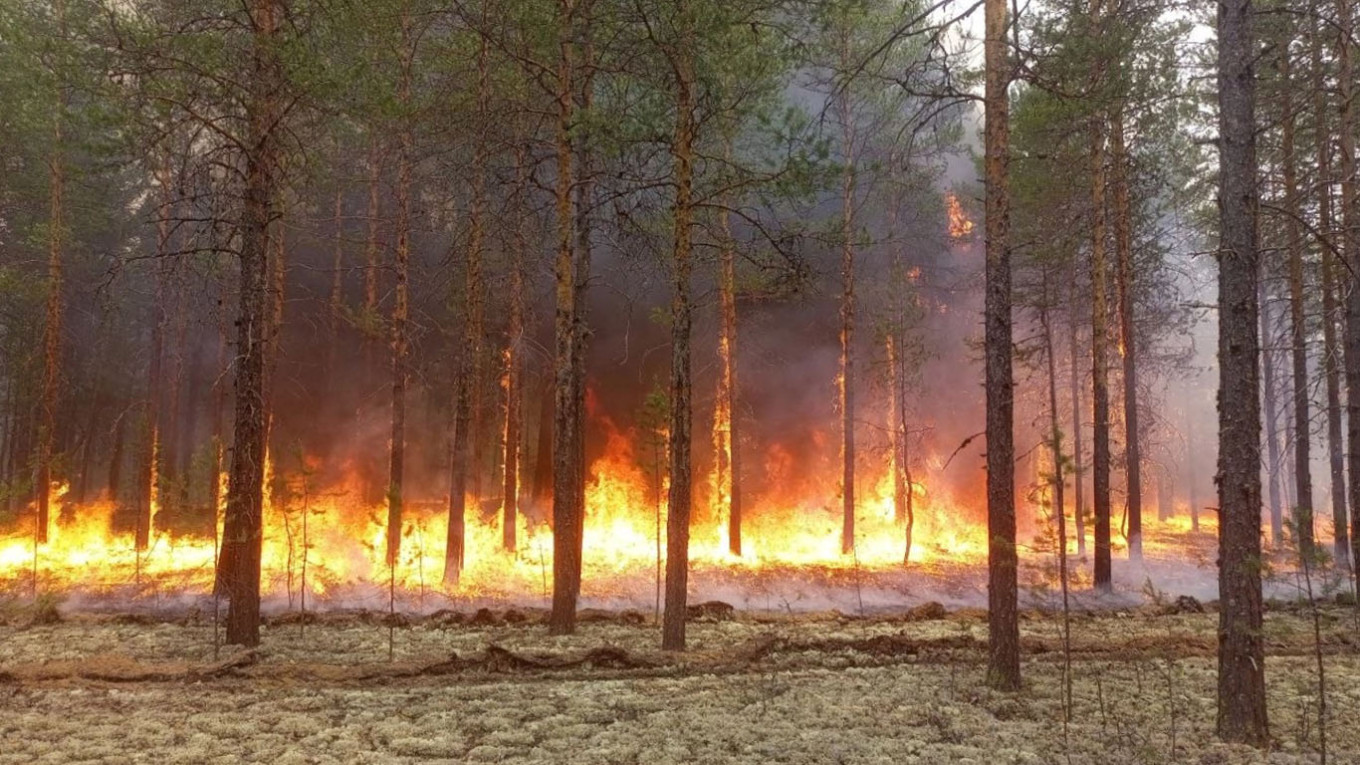
A wildfire control expert told the independent environmental outlet Kedr that millions more hectares might have burned nationwide had some regional authorities not chosen to move away from the controlled burning forest management technique.
Controlled burns involve setting dead grass, trees and thick undergrowth on fire before the hot, dry summer months, when that vegetation can fuel wildfires. Each year, Russian federal authorities allocate a significant portion of the budget to carry out the practice.
"This year could have been worse — several million more hectares of burned land could have been added — if the Zabaikalsky region hadn't abandoned controlled spring burns entirely, and Buryatia and the Jewish autonomous region hadn't significantly reduced them," the expert told Kedr.
The total area covered by fires in Buryatia decreased to 8,000 hectares (19,768 acres) from 1.3 million hectares (3.2 million acres) in 2025, while the Zabaikalsky region saw a reduction to 20,000 hectares (49,421 acres) from 3.8 million hectares (9.3 million acres) last year.
Yet the total area of burning forest across Siberia was 23 times higher than in 2025, reaching 1.9 million hectares (4.6 million acres) by November.
Siberia’s wildfire season has been extending by an average of 1.48 days per year between 2002 and 2023 due to reduced rainfall in August and September, a recent study in the Geophysical Research Letters scientific journal suggests.
“These enhanced drought conditions are linked to large-scale climate patterns, including the long-term decline of Arctic sea ice and subpolar North Atlantic cooling,” the study said.
But even though readily available wildfire statistics and global climate change trends paint an alarming picture for what is to come next, expert Palenova believes it is too early to say what next year’s fire season would look like.
“The warming trend raises wildfire risk, but it is not a 100% certain outcome,” said Palenova. “There are always a lot of regional factors that can influence the situation. There are human ignitions…there are natural ignitions, such as lightning strikes, and war-related vegetation ignitions. And once a fire has started, the wind can spread unpredictably.”
Photo of the Week
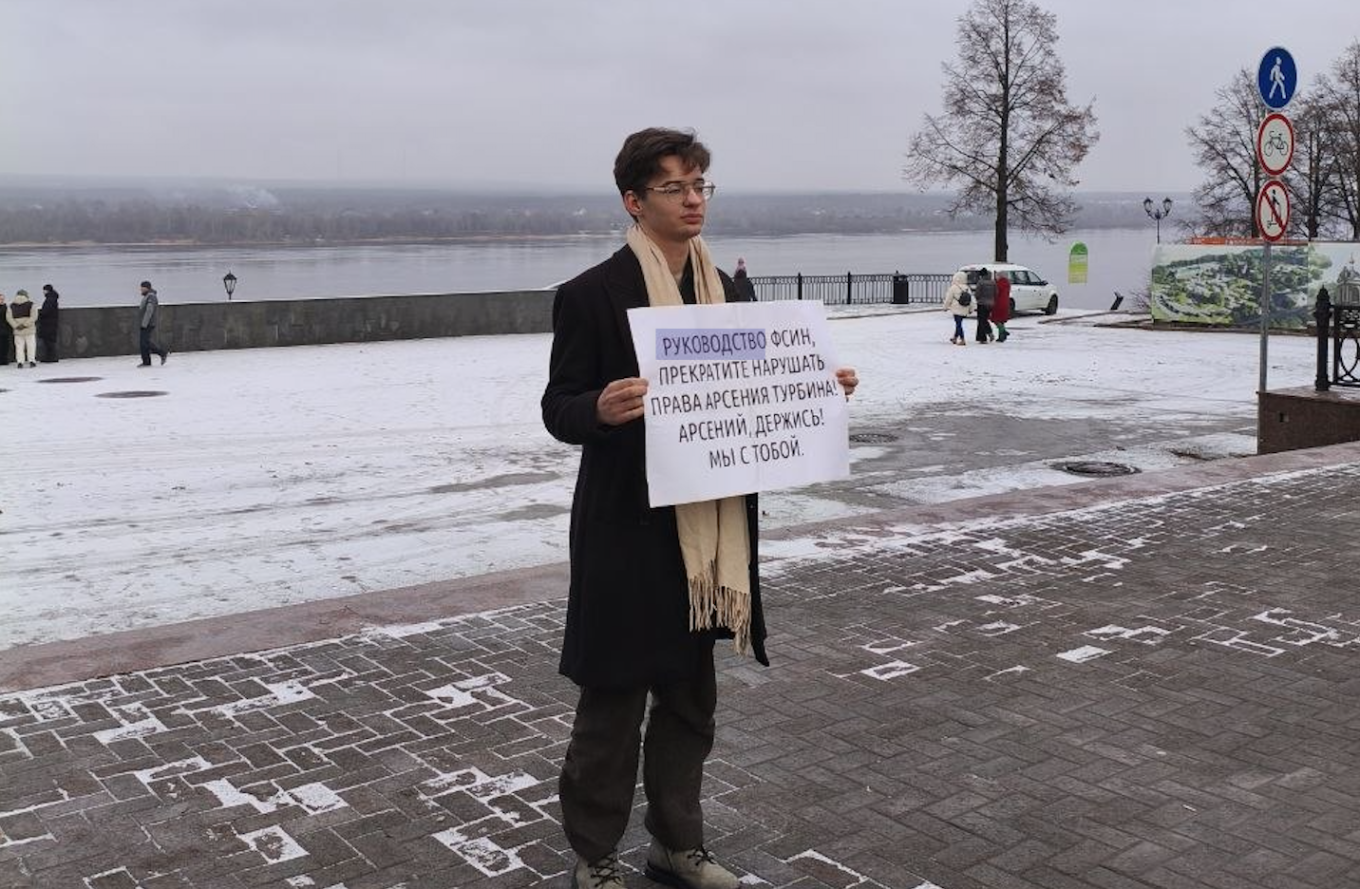
Political activist Alexei Ogloblin is pictured staging a solo protest in support of political prisoner Arseny Turbin in the city of Perm in the Ural Mountains on Tuesday.
“To the management of the Federal Penitentiary Service, stop violating Arseny Turbin's rights! Arseny, stay strong! We are with you," his sign read.
Turbin became one of the youngest political prisoners in Russia when he was arrested on terrorism-related charges at age 15 in 2023 and sentenced to five years in prison.
His mother said earlier this week that she found her son “in a very bad state” during a recent visit to his penal colony in Perm, adding that “he has no strength left.”
- “What Could the ‘Super’ El Niño Bring to Russia?” by Mack Tubridy
- “Fires, Floods and Foul Air: In Siberia’s Tyumen Region, Weather Disasters Turn Biblical” by Leyla Latypova
A Message from The Moscow Times:
Dear readers,
We are facing unprecedented challenges. Russia's Prosecutor General's Office has designated The Moscow Times as an "undesirable" organization, criminalizing our work and putting our staff at risk of prosecution. This follows our earlier unjust labeling as a "foreign agent."
These actions are direct attempts to silence independent journalism in Russia. The authorities claim our work "discredits the decisions of the Russian leadership." We see things differently: we strive to provide accurate, unbiased reporting on Russia.
We, the journalists of The Moscow Times, refuse to be silenced. But to continue our work, we need your help.
Your support, no matter how small, makes a world of difference. If you can, please support us monthly starting from just $2. It's quick to set up, and every contribution makes a significant impact.
By supporting The Moscow Times, you're defending open, independent journalism in the face of repression. Thank you for standing with us.

Remind me later.