
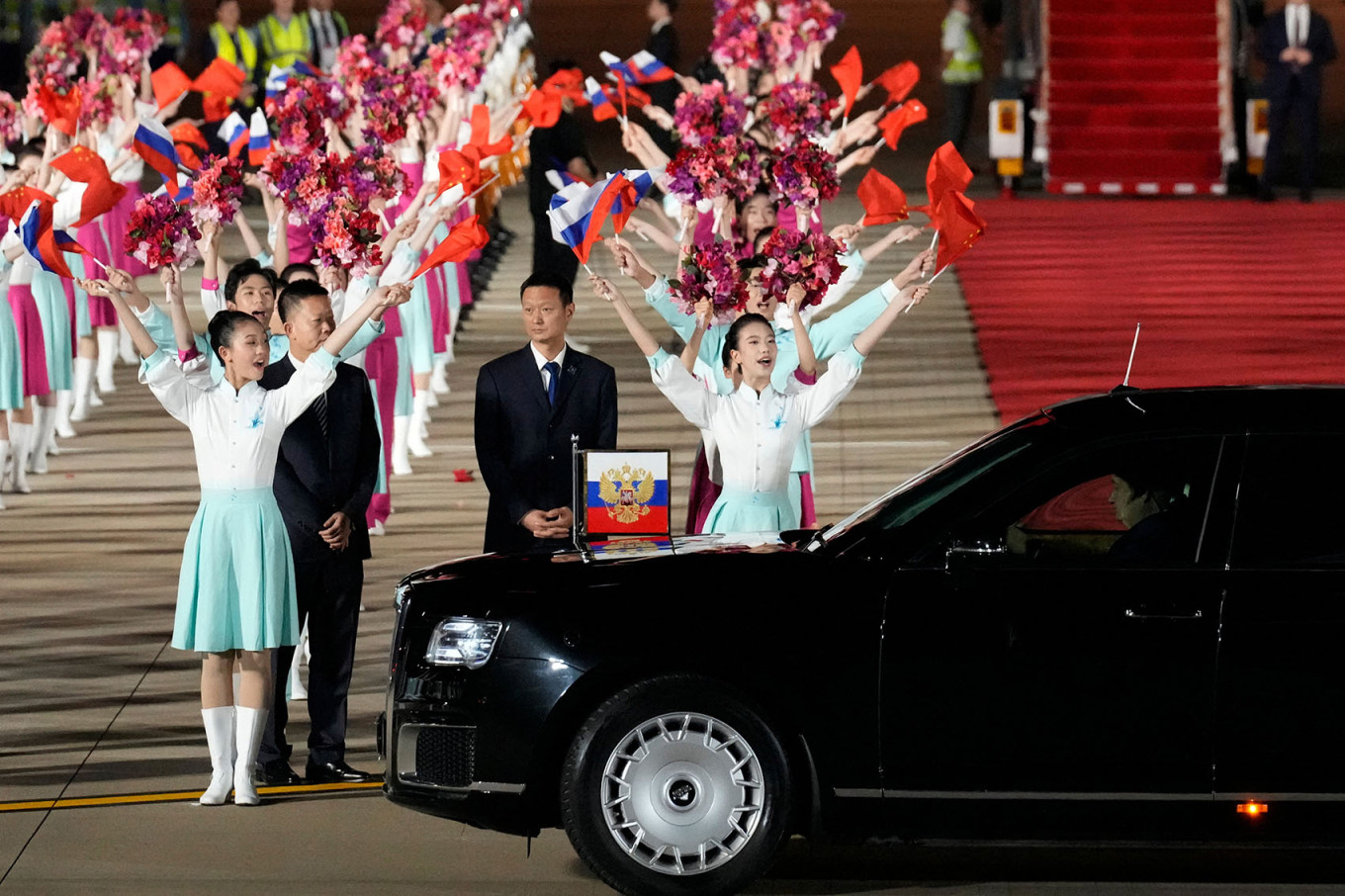
Even as he’s faced an arrest warrant from the International Criminal Court and shunned many diplomatic forums, Vladimir Putin has had a way of finding the spotlight when it counts. This week, that’s in the southern Chinese city of Shenzhen.
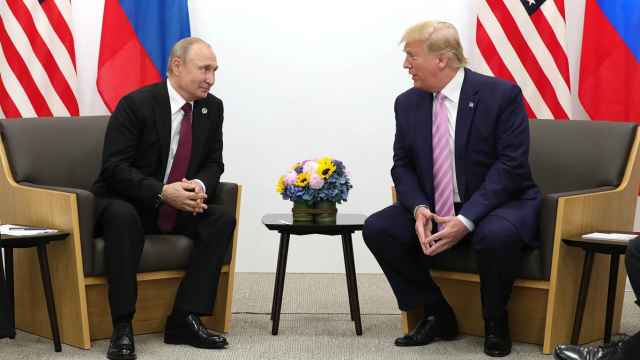
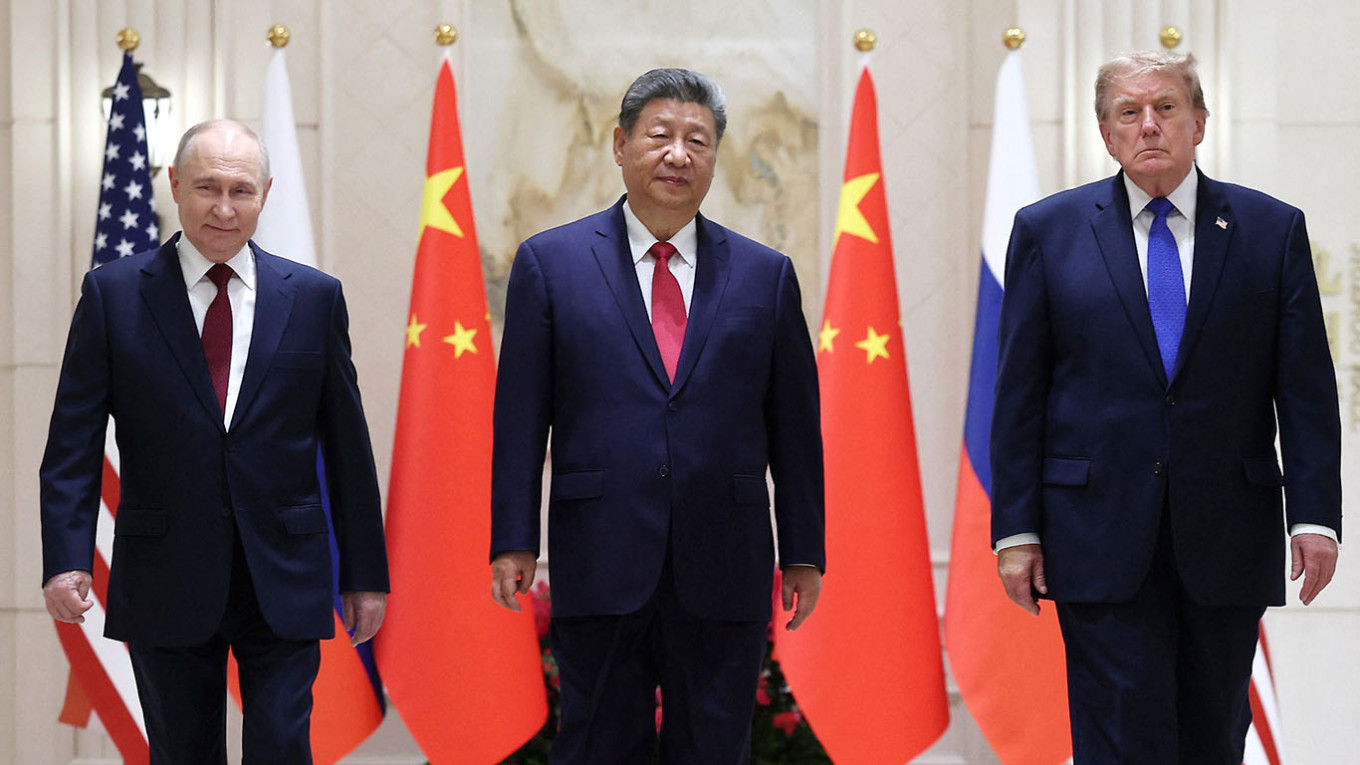
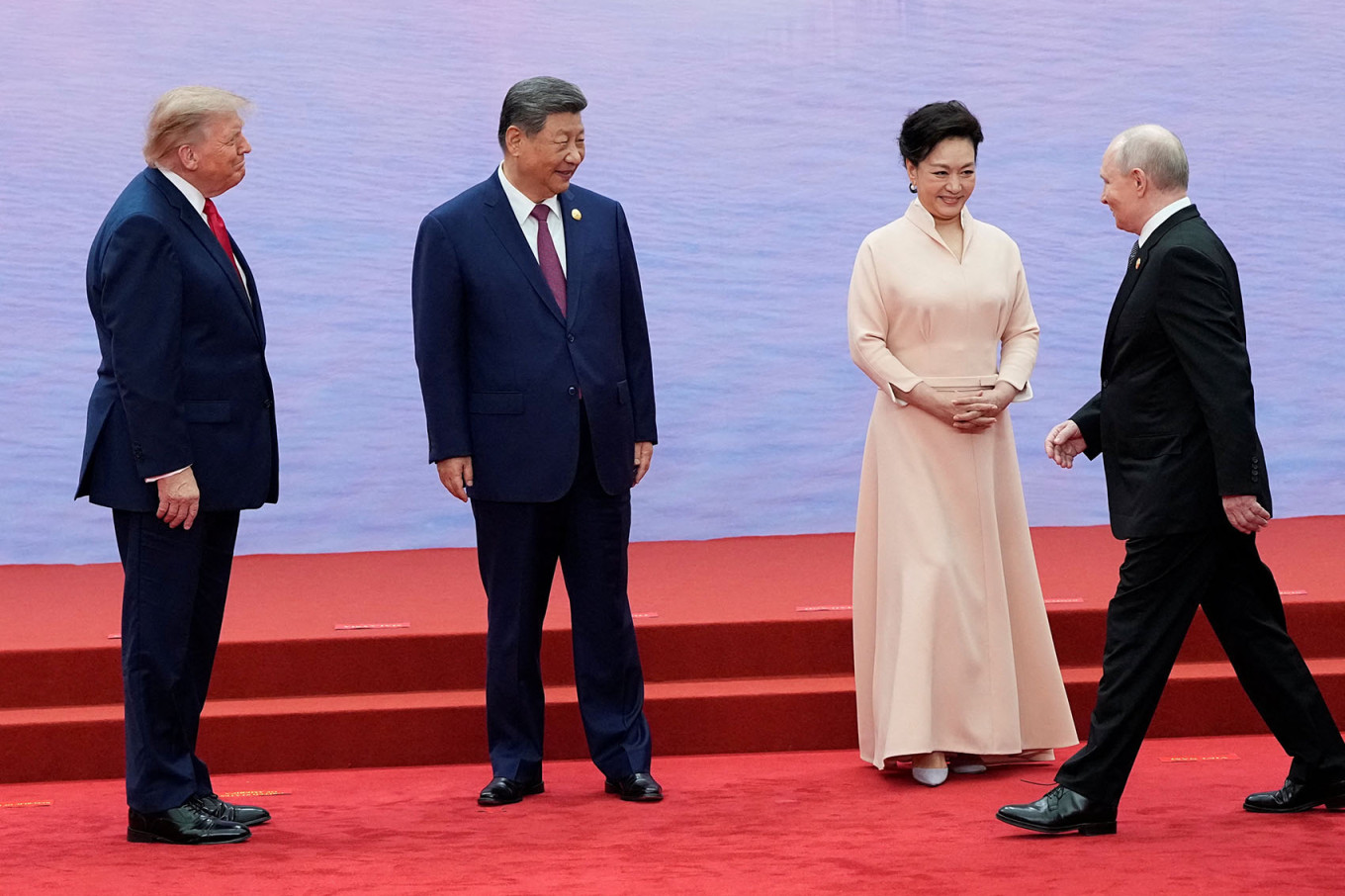
The metropolis, famous for being a technology and innovation hub, is playing host to the 33rd Asia-Pacific Economic Cooperation summit and, with it, the U.S., Chinese and Russian leaders, who met Thursday for 90 minutes of closely watched trilateral talks.
What the Russian president was looking for at this meeting of the world’s most powerful leaders was tacit approval of his worldview and geopolitical ambitions, experts told The Moscow Times this week. By virtue of the meeting taking place at all, he may have gotten it.
“Putin’s ambition is to restore Cold War-style ‘spheres of influence’ where European security is decided directly between Washington and Moscow,” said Temur Umarov, a fellow at the Carnegie Russia Eurasia Center.
The biggest question going in was whether the meeting was a sign that a new world order was taking shape.
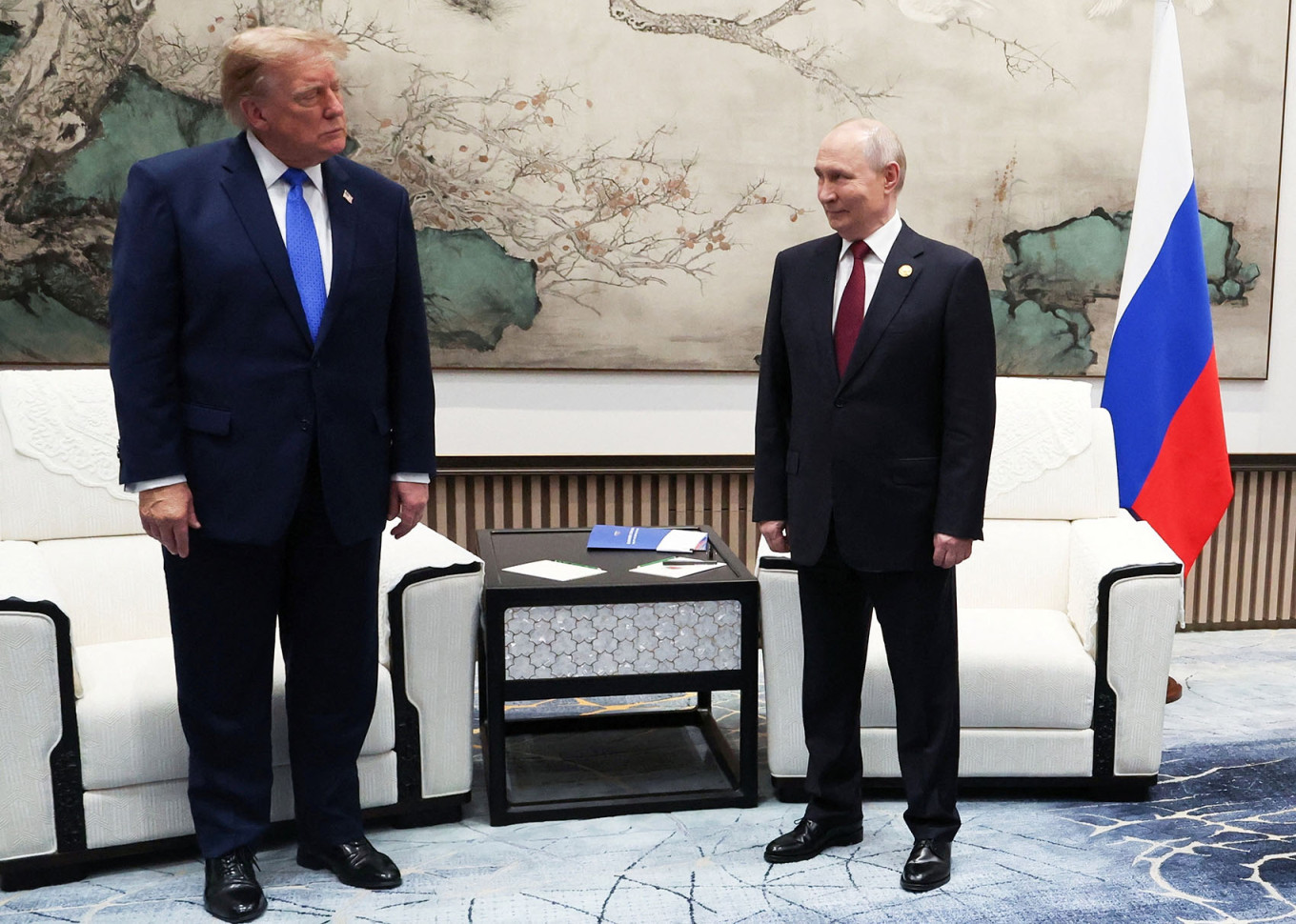
Putin certainly seemed confident that was the case. In an apparently cordial atmosphere, he declared that he was “convinced that Russia, China, and the United States … are capable of making a significant contribution to strengthening global security and stability” if they cooperate on the basis of “mutual respect, equality, and with a balance of interests observed.”
Nothing about that statement is particularly out of step with Putin’s past rhetoric. What was different about this meeting were the optics. Standing beside Trump and Xi, the Russian leader hoped to project “superpower status” and, with more confidence than ever before, “prove to the world” that attempts to isolate Russia have failed, Umarov said.
This was the first meeting of its kind between Putin and presidents Donald Trump and Xi Jinping. In the run-up to the talks, some drew comparisons to the Yalta Conference, the 1945 meeting at which the heads of the U.S., Britain and Soviet Union drew up a blueprint for a postwar Europe.
Crucially, many of the countries whose futures were at stake had no seat at Yalta. In Shenzhen, the fear was that talks would follow a similar course.
This was a characterization that had been raised prior to the meeting by Ukrainian President Volodymyr Zelensky, who cautioned against any efforts to end the war in Ukraine without his country’s input.
“We don’t want to be divided by Russia,” Zelensky said. Initially, Ukraine wasn’t even supposed to be a topic of discussion, according to reports.
And while Kremlin spokesperson Dmitry Peskov denied that Russia was trying to resurrect the spirit of Yalta — calling such notions “the games of political scientists” — analysts said that’s precisely what Moscow hoped to achieve.
“The Kremlin’s goals are twofold,” said Mikhail Troitskiy, assistant director of the Russia and Eurasia Program at Tufts University’s Fletcher School. “First, they would like to present the summit as Yalta 2.0 where leaders of three global powers divide ‘spheres of influence.’ So Russia’s related second goal would be to get from Trump and Xi a public recognition of Russia’s useful role as a ‘security guarantor’ in its ‘own’ region — Europe.”
Analysts have noted that recent actions on the part of the Trump administration and its allies have benefitted the Russian president: a controversial deal to buy Russian diesel, a sanctions waiver and speed restrictions on the Starlink and its Starshield communication systems used by Ukrainian troops on the front line.
What’s more, at recent talks in Abu Dhabi, Russia seemed to find a Washington more open to negotiating not just a ceasefire in Ukraine, but an end to the war that could make sweeping changes to Europe’s security architecture.
Russia has long framed the full-scale invasion of Ukraine as part of a broader conflict with the West and sought an outcome that would settle its longstanding geopolitical grievances.
The day before the talks, Kremlin envoy Kirill Dmitriev posted on X that “President Trump’s ‘big, beautiful’ European security deal will bring Europe lasting security and cheaper energy amid a migrant crisis, economic decline, and social unrest.”
All of that created a sense of urgency leading into the summit, a feeling that Putin might finally be getting the kind of acceptance he wanted for his vision of how the war should end.
“Language about ‘regional champions’ was included in the 2025 U.S. National Security Strategy. In its turn, Russia is now demanding a ‘comprehensive settlement’ of its security concerns through an overhaul of European security architecture,” Troitskiy said. “The Kremlin will be testing whether Trump or Xi are amenable to at least a public hint at their support for such ‘new architecture’ that would meet Russian demands.”
While the event was heavy on positive symbolism, it was light on concrete outcomes.
The leaders agreed on a so-called “peace declaration,” calling to reform the UN, increase supplies of refined petroleum products and make sure the International Criminal Court is not “abusing” its authority by going after world leaders.
For Putin, though, anything beyond advancing Russia’s maximalist demands vis-a-vis Ukraine is largely window dressing. The war was reportedly discussed behind closed doors, but it remains to be seen how or whether U.S. officials will change tack in peace talks.
If history is any indication, Trump could easily seesaw on his positions. For now, Umarov said, the fact that he sat down with Putin and Xi without Europe or Ukraine is “something that Russia can already portray as a win.”
All of that casts doubt on Russia’s hope going into the talks that in Shenzhen history would repeat, a second Yalta would be realized and there would be a major geopolitical shakeup.
Speaking to reporters afterward, Putin seemed to understand that the coming months could either produce unprecedented positive developments for Russian foreign policy, or they could see negotiations continue to be deadlocked.
“What happens next nobody knows,” Putin said. “Only God knows.”
A Message from The Moscow Times:
Dear readers,
We are facing unprecedented challenges. Russia's Prosecutor General's Office has designated The Moscow Times as an "undesirable" organization, criminalizing our work and putting our staff at risk of prosecution. This follows our earlier unjust labeling as a "foreign agent."
These actions are direct attempts to silence independent journalism in Russia. The authorities claim our work "discredits the decisions of the Russian leadership." We see things differently: we strive to provide accurate, unbiased reporting on Russia.
We, the journalists of The Moscow Times, refuse to be silenced. But to continue our work, we need your help.
Your support, no matter how small, makes a world of difference. If you can, please support us monthly starting from just $2. It's quick to set up, and every contribution makes a significant impact.
By supporting The Moscow Times, you're defending open, independent journalism in the face of repression. Thank you for standing with us.

Remind me later.