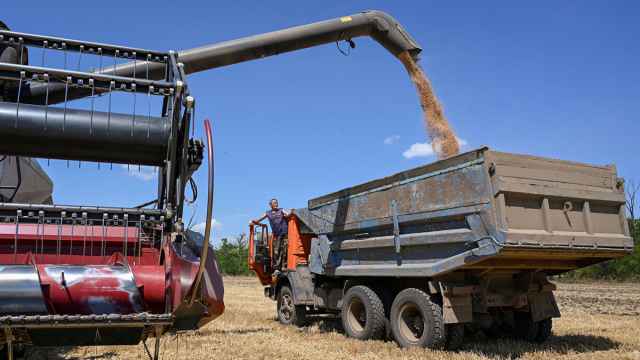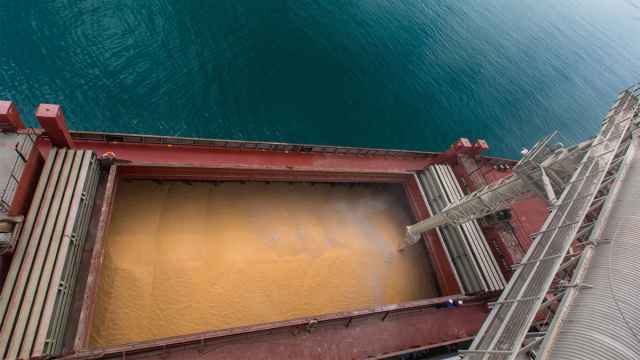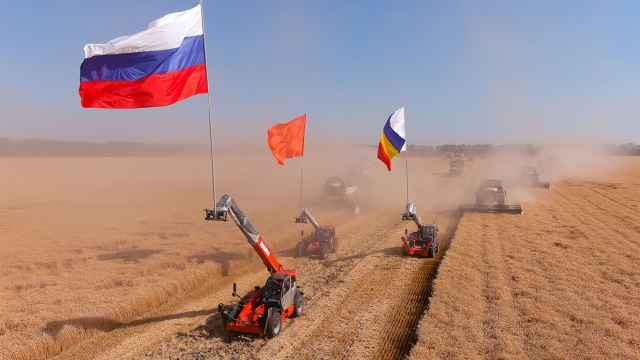

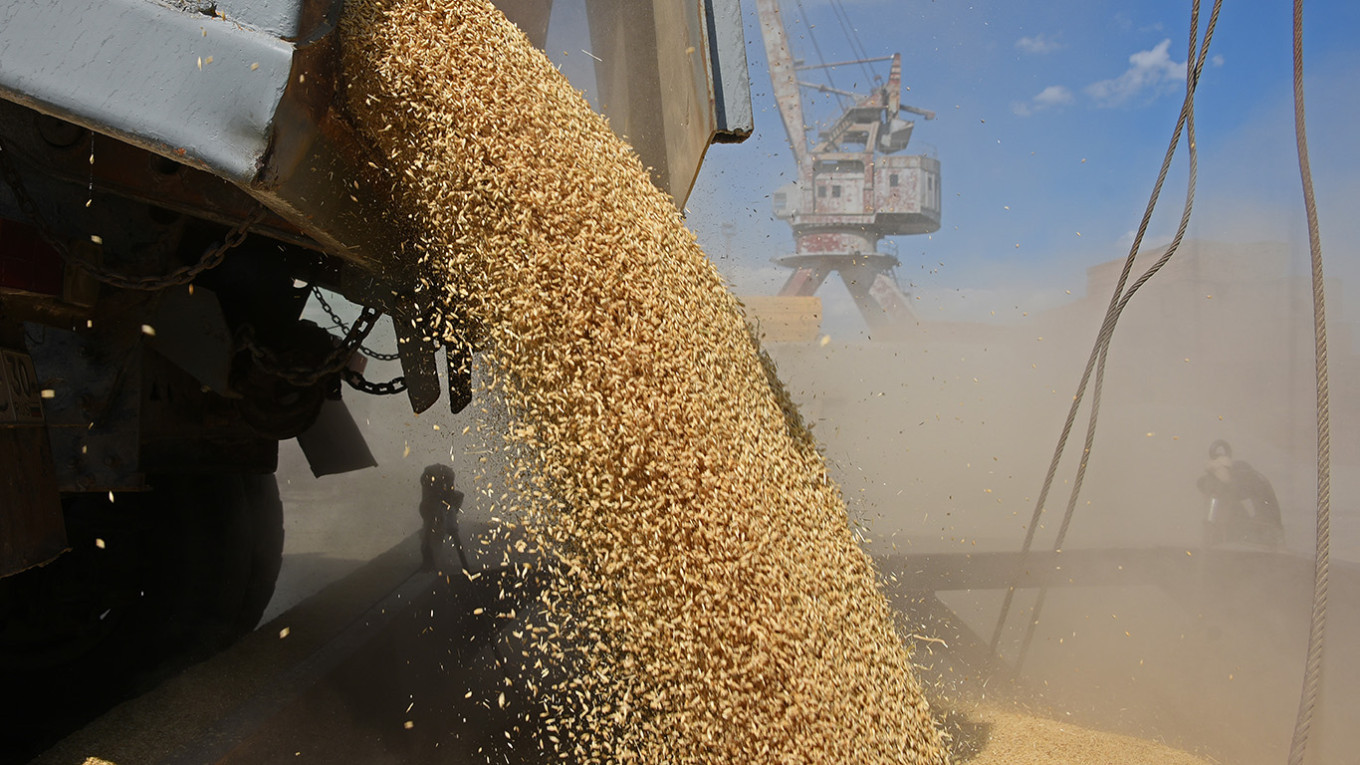
Latvia, a member of the European Union and NATO, has emerged as one of the top five importers of Russian grain this marketing season despite strained political ties, as Moscow redirects exports from the Azov-Black Sea basin to Baltic ports.
Latvia imported 431,700 metric tons of Russian grain between July and October, consultancy ProZerno said.
Iran remained the largest buyer of Russian grain during the period, importing 1.716 million tons, helped by strong purchases of barley and corn.
Russia has been reshaping its grain export routes after shipments through the Azov-Black Sea basin, its main export corridor, largely stalled in mid-August.
Deep-water Baltic ports have become the main outlet, particularly for wheat. According to railway carrier and grain analyst Rusagrotrans, the Baltic route accounted for 65% of Russian grain exports in September.
Exports are being shipped through both Russian Baltic ports and ports in the Baltic states, chiefly Latvia.
Estonia has banned the transit of Russian grain through its territory, while the Baltic states proposed earlier this month a European Union ban on Russian grain exports through the bloc.
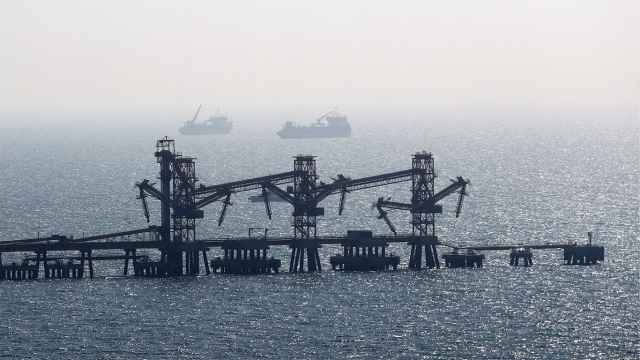
Shipments via the Caspian Sea have also risen sharply, with most cargoes destined for Iran.
Egypt, once the largest importer of Russian wheat and a key destination for Black Sea shipments, imported 1.35 million tons of Russian grain between July and October, according to ProZerno.
Azerbaijan imported 545,000 tons and Nigeria 420,900 tons, placing them among the five largest buyers of Russian grain this season.
A Message from The Moscow Times:
Dear readers,
We are facing unprecedented challenges. Russia's Prosecutor General's Office has designated The Moscow Times as an "undesirable" organization, criminalizing our work and putting our staff at risk of prosecution. This follows our earlier unjust labeling as a "foreign agent."
These actions are direct attempts to silence independent journalism in Russia. The authorities claim our work "discredits the decisions of the Russian leadership." We see things differently: we strive to provide accurate, unbiased reporting on Russia.
We, the journalists of The Moscow Times, refuse to be silenced. But to continue our work, we need your help.
Your support, no matter how small, makes a world of difference. If you can, please support us monthly starting from just $2. It's quick to set up, and every contribution makes a significant impact.
By supporting The Moscow Times, you're defending open, independent journalism in the face of repression. Thank you for standing with us.

Remind me later.