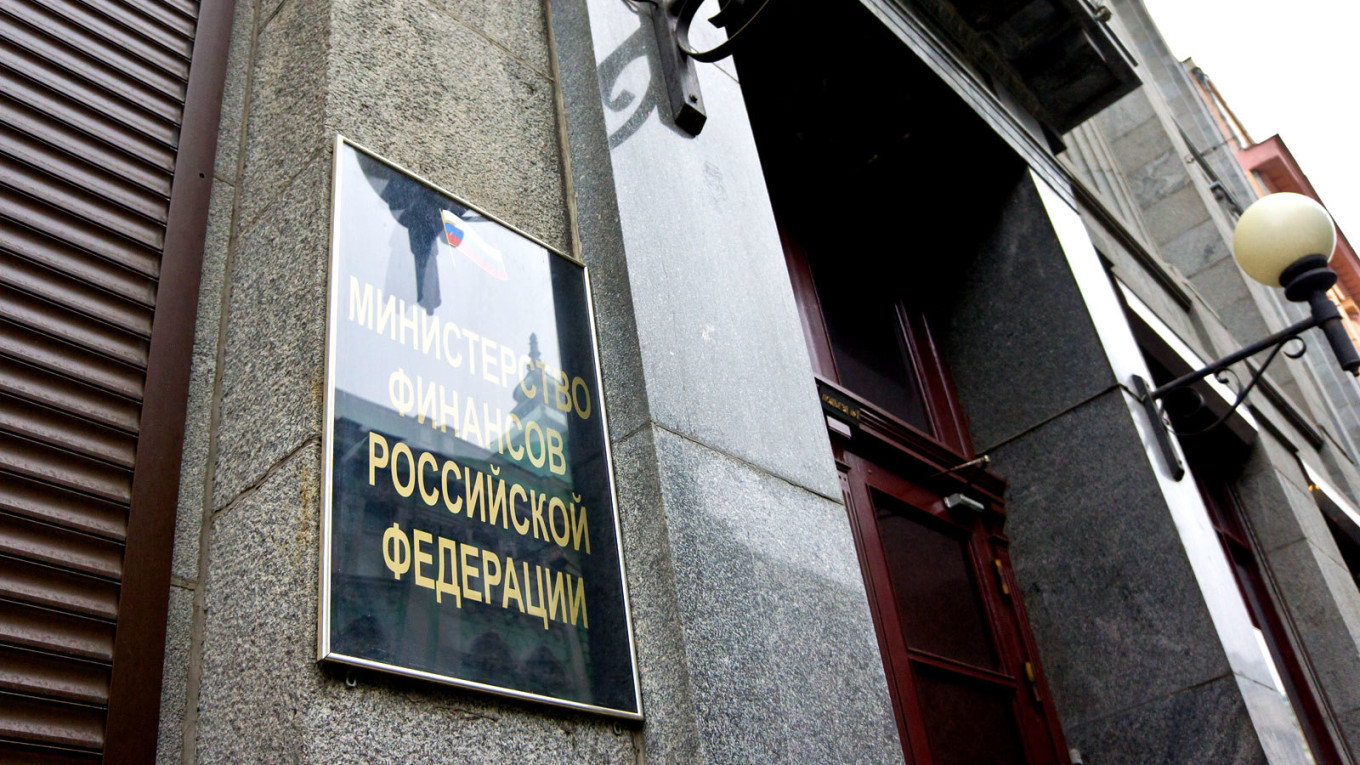
Russia’s Finance Ministry failed to sell government bonds at an auction on Wednesday, its first unsuccessful placement since July, as plans for heavier borrowing and higher military spending weighed on the debt market.
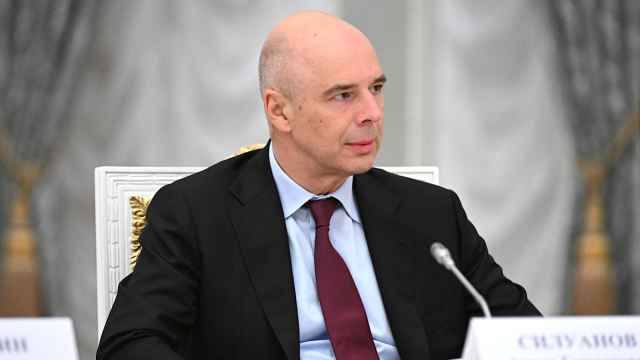
The ministry said the auction of federal loan bonds, known as OFZs, maturing in 2030 had failed because no bids were submitted at acceptable prices.
The failed sale comes as the government prepares to borrow more to cover a widening budget deficit. Analysts said the increased supply of bonds was putting pressure on prices and driving up the government’s borrowing costs.
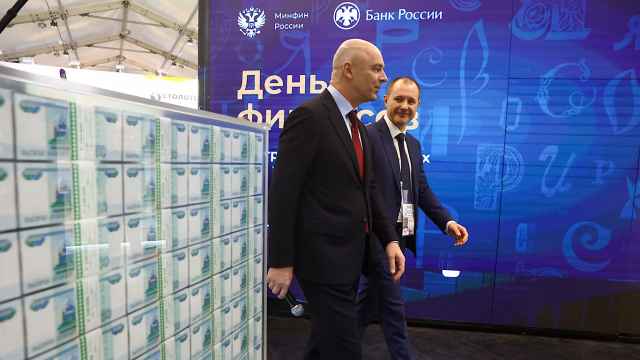
Wednesday’s auction was the last scheduled sale of the quarter, during which the ministry raised 1.264 trillion rubles ($15.29 billion) for the budget. It sold two bond issues totaling 150 billion rubles ($1.82 billion) last week and raised 139.6 billion rubles ($1.69 billion) the week before.
The ministry last experienced a failed auction in July, when a market selloff forced it to suspend government debt sales.
Raiffeisenbank analysts said the bond market had been disappointed by substantial changes to the government’s budget plans for this year and next.
According to Reuters, Russia plans to increase military spending by about a third next year to 17.1 trillion rubles ($206.91 billion). Together with spending on other security agencies, that would account for more than 40% of the budget.
The Finance Ministry has raised its deficit forecast for this year to 7.3 trillion rubles ($88.33 billion), from an initial 3.6 trillion rubles ($43.56 billion), and plans to borrow an additional 1 trillion rubles ($12.1 billion) to help cover the shortfall.
It plans to sell 7.7 trillion rubles ($93.17 billion) in bonds next year to finance the deficit and meet spending needs.
Those borrowing plans are placing substantial pressure on government bonds, Raiffeisenbank analysts said. The Moscow Exchange’s OFZ price index has fallen back toward its summer lows, to around 111.2 points, while yields on long-term government debt have approached 17%.
As market conditions deteriorate, Central Bank lending to commercial banks has increasingly helped finance government borrowing.
In early September, the Finance Ministry sold nearly 1 trillion rubles ($12.1 billion) in floating-rate bonds to banks in a single placement. The same day, banks borrowed almost the same amount from the Central Bank.
Economist Vladislav Inozemtsev described the arrangement as a coordinated operation in which the Central Bank lent to banks, the banks lent to the government, and the government bonds were then pledged as collateral for the Central Bank loans.
He characterized it as effectively financing government spending through money creation.
The Finance Ministry will probably have to return to that approach if the next two or three auctions also fail, analysts at Vector Capital said.
This article was translated with the help of artificial intelligence and was reviewed by a Moscow Times editor before publication. Learn more about our newsroom's AI policy here.
Read this article in Russian at The Moscow Times' Russian service.
A Message from The Moscow Times:
Dear readers,
We are facing unprecedented challenges. Russia's Prosecutor General's Office has designated The Moscow Times as an "undesirable" organization, criminalizing our work and putting our staff at risk of prosecution. This follows our earlier unjust labeling as a "foreign agent."
These actions are direct attempts to silence independent journalism in Russia. The authorities claim our work "discredits the decisions of the Russian leadership." We see things differently: we strive to provide accurate, unbiased reporting on Russia.
We, the journalists of The Moscow Times, refuse to be silenced. But to continue our work, we need your help.
Your support, no matter how small, makes a world of difference. If you can, please support us monthly starting from just $2. It's quick to set up, and every contribution makes a significant impact.
By supporting The Moscow Times, you're defending open, independent journalism in the face of repression. Thank you for standing with us.

Remind me later.