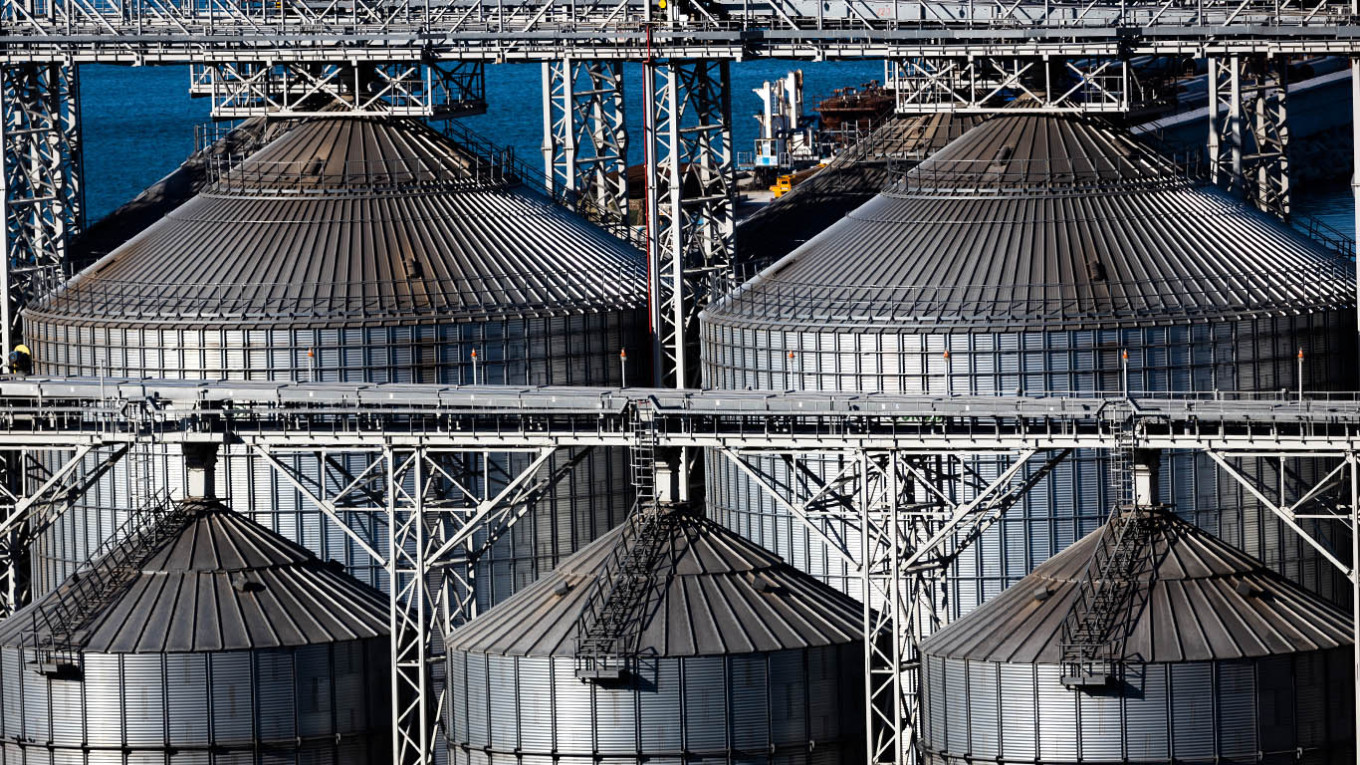
Southern Russia’s Krasnodar region has declared a state of emergency following weeks of intense Ukrainian strikes against Black Sea ports and shipping infrastructure, which have hobbled export routes and left local farms overflowing with unsold grain, authorities said.
Both Russia and Ukraine have stepped up attacks on the other's grain vessels in the Black Sea in recent months, sending global prices higher.
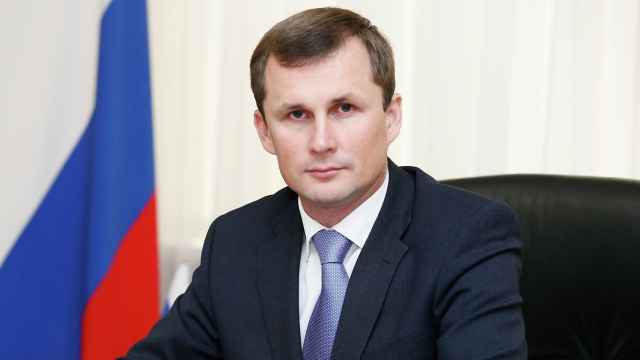
Krasnodar region Governor Veniamin Kondratyev signed the emergency decree on Wednesday, retroactively setting its effective date to Aug. 12. The order cites “mass attacks on logistics facilities, suspended port operations and disrupted shipping in the Azov-Black Sea basin” as the reason for emergency measures.
In August, Ukrainian drone and missile strikes were estimated to have taken 90% of Russia’s grain export capacity in the region offline, according to industry analysts. The vast majority of the country’s agricultural shipments flow out of the Azov-Black Sea basin.
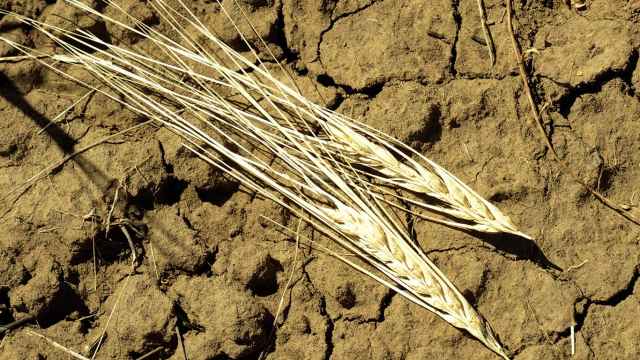
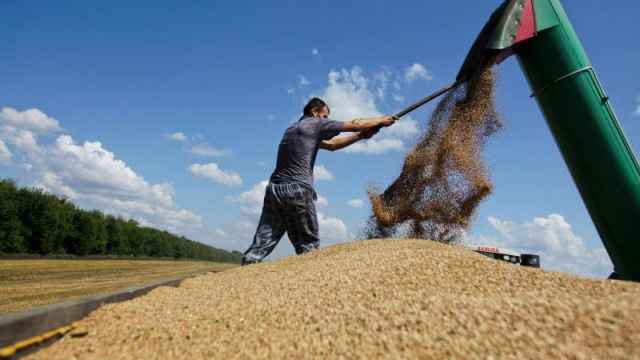
Kondratyev said many farmers in the Krasnodar region have been unable to sell their grain, leading to an oversupply that threatens to “disrupt normal living conditions for the population and cause significant material losses.”
The Krasnodar region, one of Russia’s primary agricultural hubs, has seen a very productive harvest this year, with total grain yields projected to outpace last year’s output.
Disruptions to export infrastructure have created a surplus of grain in the domestic market, leading to lower prices in Russia and unsold inventories.
The Central Bank warned this week that prolonged disruptions to grain export routes could negatively impact agricultural output in the future.
Russia is seeking to reroute its agricultural exports away from the Black Sea through its Baltic and Arctic ports, repurposing fertilizer and coal terminals to handle grain shipped by rail from southern Russia.
Foreign Minister Sergei Lavrov held talks with U.S. Secretary of State Marco Rubio on Wednesday, after which Rubio said Ukraine and Russia had both voiced an interest in a limited ceasefire involving grain and energy-related targets.
Reuters contributed reporting.
A Message from The Moscow Times:
Dear readers,
We are facing unprecedented challenges. Russia's Prosecutor General's Office has designated The Moscow Times as an "undesirable" organization, criminalizing our work and putting our staff at risk of prosecution. This follows our earlier unjust labeling as a "foreign agent."
These actions are direct attempts to silence independent journalism in Russia. The authorities claim our work "discredits the decisions of the Russian leadership." We see things differently: we strive to provide accurate, unbiased reporting on Russia.
We, the journalists of The Moscow Times, refuse to be silenced. But to continue our work, we need your help.
Your support, no matter how small, makes a world of difference. If you can, please support us monthly starting from just $2. It's quick to set up, and every contribution makes a significant impact.
By supporting The Moscow Times, you're defending open, independent journalism in the face of repression. Thank you for standing with us.

Remind me later.