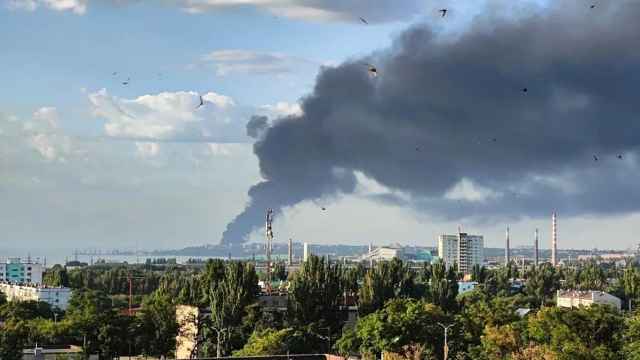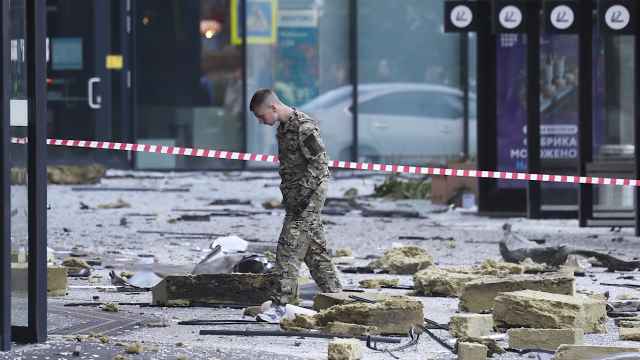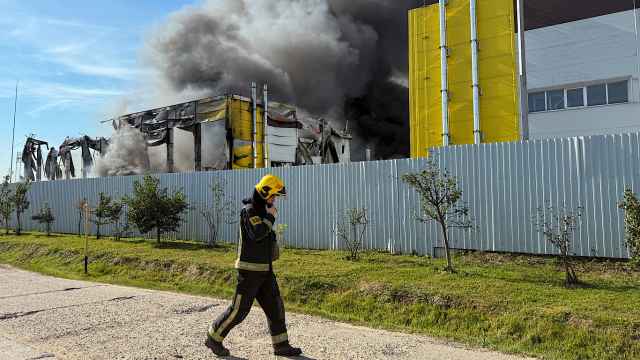

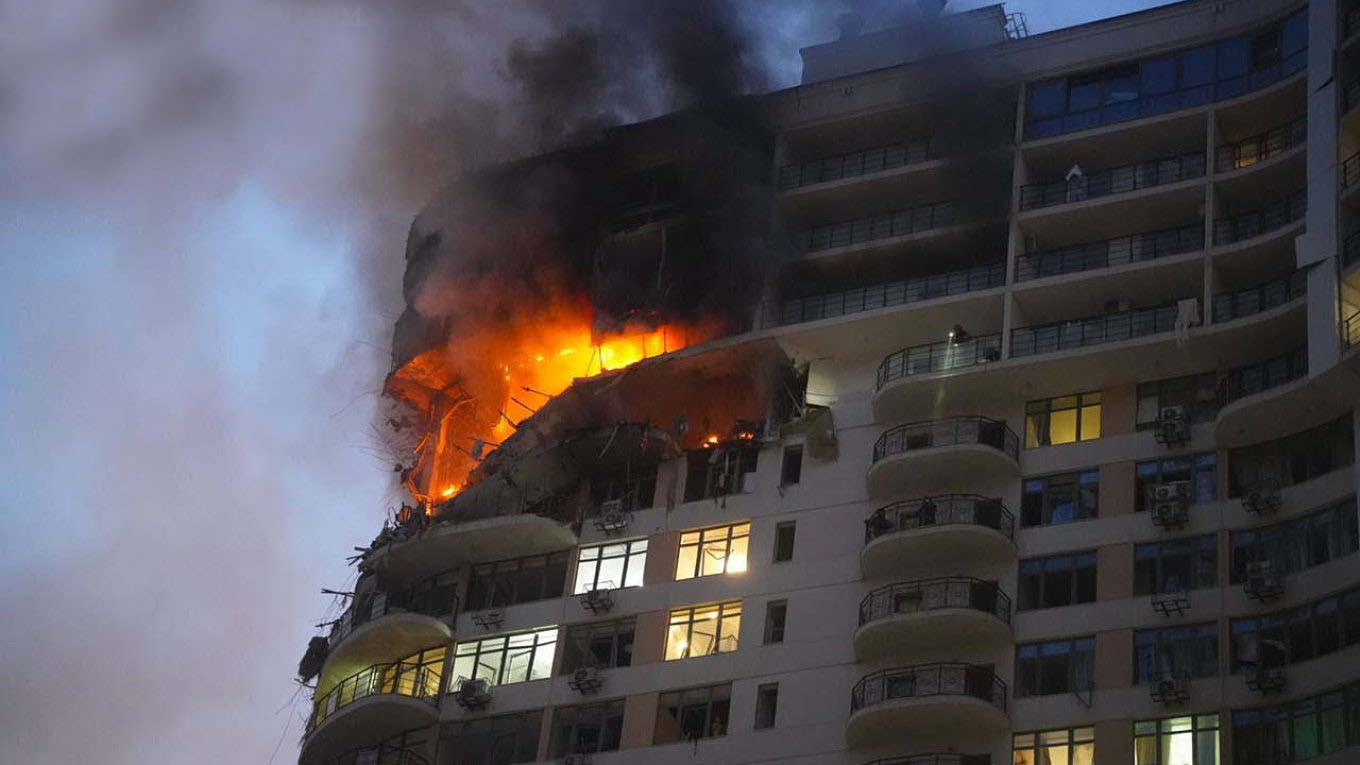
Russian airstrikes in several Ukrainian regions on Saturday killed nine people, injured dozens and damaged residential buildings and infrastructure across the country, local officials said.
The civilian death toll has risen sharply in Ukraine over the past two months as Russia steps up attacks on power plants and other infrastructure. Ukraine has hit energy facilities and warehouses in distant parts of Russia, and both sides have targeted each other's shipping.
Ukrainian President Volodymyr Zelensky, writing on Telegram, said Russia had deployed nearly 500 drones against Ukrainian targets since early morning.
“Basically, the Russians have expanded the war away from the front, where they have no success, into the economy, and their tactics are as basic as it gets: destroying every site that could help people cope with the conditions of war,” Zelensky wrote.
“Russia wants to kill the Ukrainian economy and break our resistance,” Zelensky added.
The city council in Kramatorsk, one of Ukraine's frontline “fortress cities” that Russia wants to capture, said Russian forces attacked private cars, killing three people in three incidents over a 90-minute period. Four people were injured.
“These are not military targets,” the council said. “They are ordinary civilian cars. People were going about their business.”
The governor of Ukraine's Zhytomyr Region west of Kyiv, Vitaliy Bunechko, said a Russian strike on a grocery store killed two people in the town of Zvyahel. Bunechko said two gas stations also came under attack, as well as an unidentified “enterprise with foreign investment.”
Earlier, Zelensky reported attacks on the southeastern city of Zaporizhzhia and Kryvyi Rih, his hometown.
The governor of Zaporizhzhia Region, Ivan Fedorov, said two people were killed and 11 injured in assaults on Zaporizhzhia and other localities.
Oleksandr Vilkul, head of Kryvyi Rih's military administration, said two people were killed in overnight attacks on the city by drones and missiles.
The Russian military said its forces hit Ukrainian steel maker Zaporizhstal in the city of Zaporizhzhia, an Interpipe Steel complex in Dnipro and several plants in Kryvyi Rih, including the Northern Iron Ore Beneficiation Works complex.
Reuters could not independently verify accounts from either side.
In the Black Sea port of Odesa, Regional Governor Oleh Kiper said nearly 40 people had been injured in attacks that extended from overnight well into Saturday evening.
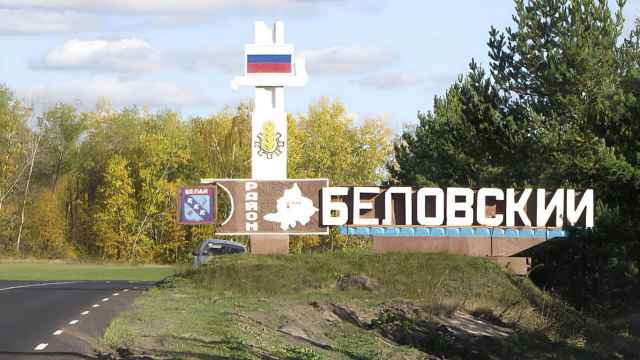
The Russia-installed head of areas of eastern Donetsk Region under Moscow's control said three people had been killed in Ukrainian drone attacks.
In Moldova, on Ukraine's western border, authorities closed national airspace for nearly an hour after a drone was detected near the border. Seven border crossings were temporarily closed.
Russian drones have regularly entered Moldovan airspace despite official protests. During one instance this week, the departure of Zelensky's aircraft to Norway was delayed.
Russian strikes on Ukrainian port
The Russian Defense Ministry said Russia's forces have maintained their strikes on Ukrainian ports, hitting a cargo ship in Odesa it said was carrying goods for military use.
Earlier in the day, the ministry said its forces struck two cargo vessels overnight in the port of Chornomorsk.
Ukraine's military said it hit one of Russia's largest synthetic rubber producers in Tolyatti in the Samara region, causing a fire. The Tolyattikauchuk plant specialized in the production of synthetic rubbers and fuel additives that are used in fuel for Russian missiles, it said.
Russian regional Governor Vyacheslav Fedorishchev said industrial facilities in Samara region had been attacked by Ukrainian drones, without specifying which they were or whether they had been damaged, Interfax news agency reported.
Ilya Sukhikh, mayor of the city of Tolyatti in Samara region, said several residential buildings were damaged and one person was injured.
A Message from The Moscow Times:
Dear readers,
We are facing unprecedented challenges. Russia's Prosecutor General's Office has designated The Moscow Times as an "undesirable" organization, criminalizing our work and putting our staff at risk of prosecution. This follows our earlier unjust labeling as a "foreign agent."
These actions are direct attempts to silence independent journalism in Russia. The authorities claim our work "discredits the decisions of the Russian leadership." We see things differently: we strive to provide accurate, unbiased reporting on Russia.
We, the journalists of The Moscow Times, refuse to be silenced. But to continue our work, we need your help.
Your support, no matter how small, makes a world of difference. If you can, please support us monthly starting from just $2. It's quick to set up, and every contribution makes a significant impact.
By supporting The Moscow Times, you're defending open, independent journalism in the face of repression. Thank you for standing with us.

Remind me later.