
Millions of tourists flock to southern Siberia’s republic of Altai each year, drawn by its dramatic mountain ranges steeped in the legends of the indigenous Altai people.
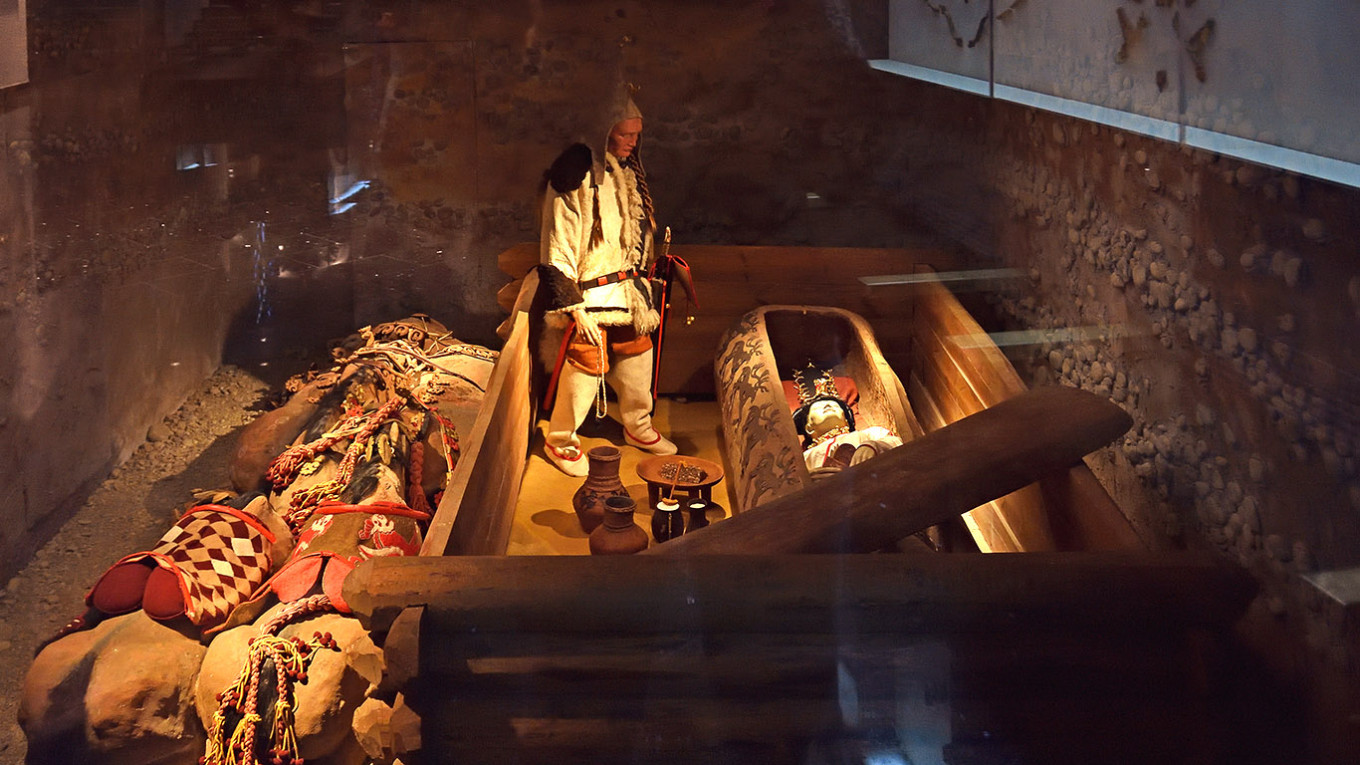
One of the region’s most famous tales centers on the “Altai Princess” — a permafrost-preserved mummy discovered on the Ukok Plateau in 1993 by a team of Novosibirsk archeologists led by Natalya Polosmak.
The finding was hailed at the time as an international sensation. Dated to the 5th century BC, the 25-year-old woman’s waxen skin is covered in vibrant indigo tattoos, and she was buried in a wooden chamber alongside six horses, dressed in silk, wool and felt.
But more than three decades later, local shamans are calling for the mummy to be reburied. They claim the remains had “stood guard at the gates of the underworld,” and that disturbing her opened a Pandora’s box of natural disasters and political conflict, including the war in Ukraine.
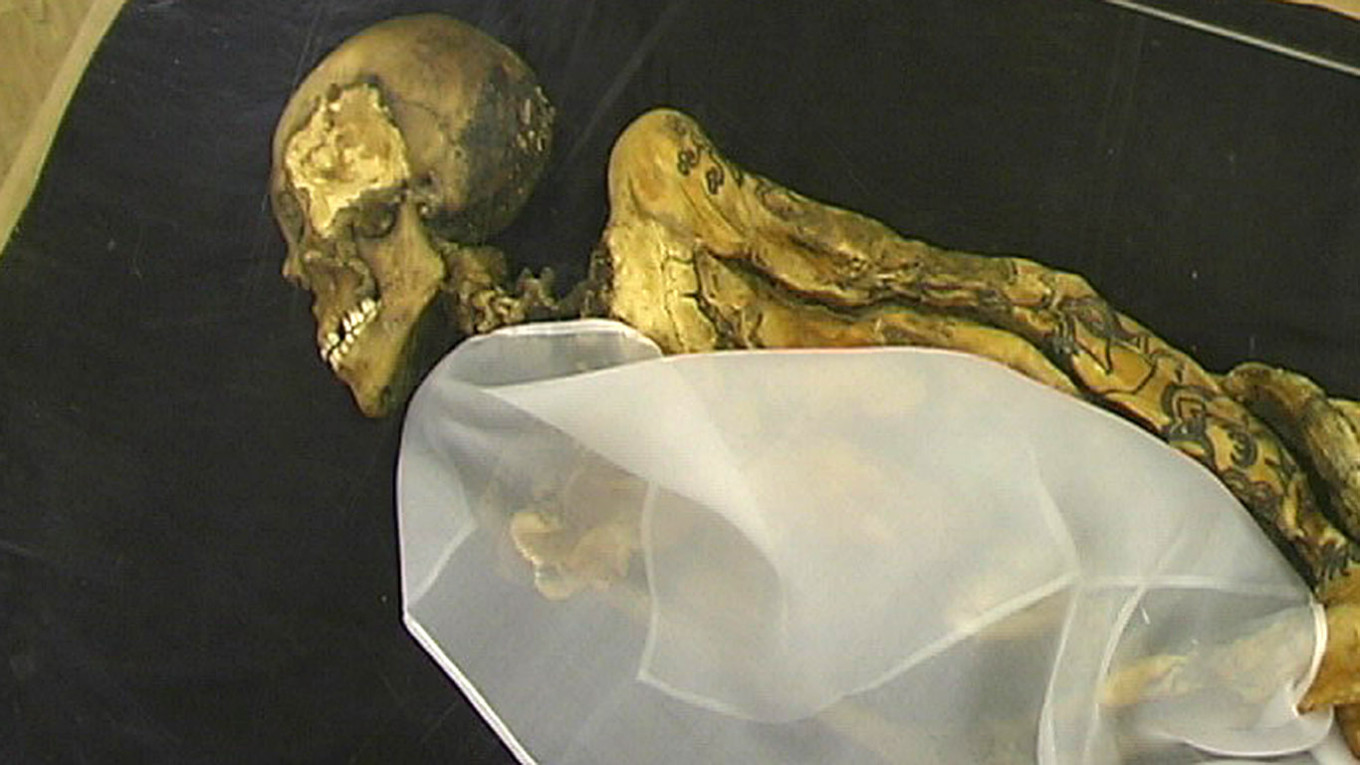
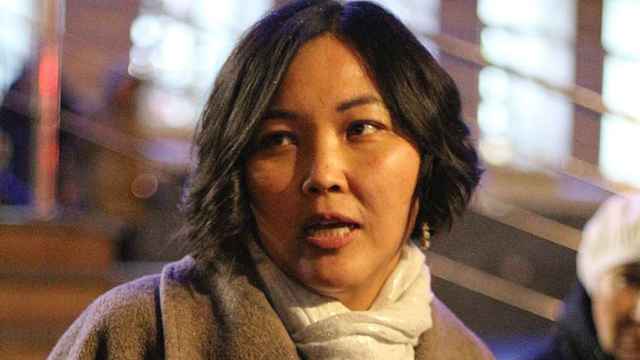
According to Dr. Maria Ochir-Goryaeva, an archaeologist specializing in Eurasian nomads of the Scythian era, the label “princess” and the myths surrounding the mummy were conjured up by the Russian team that unearthed her.
“In her grave, there were no signs of either royal power or shamanism,” Ochir-Goryaeva, who now lives in Germany, told The Moscow Times. “She was certainly an aristocrat, a prominent figure... in this regard, Altaians are right: this mummy is the cultural heritage of the repubic of Altai.”
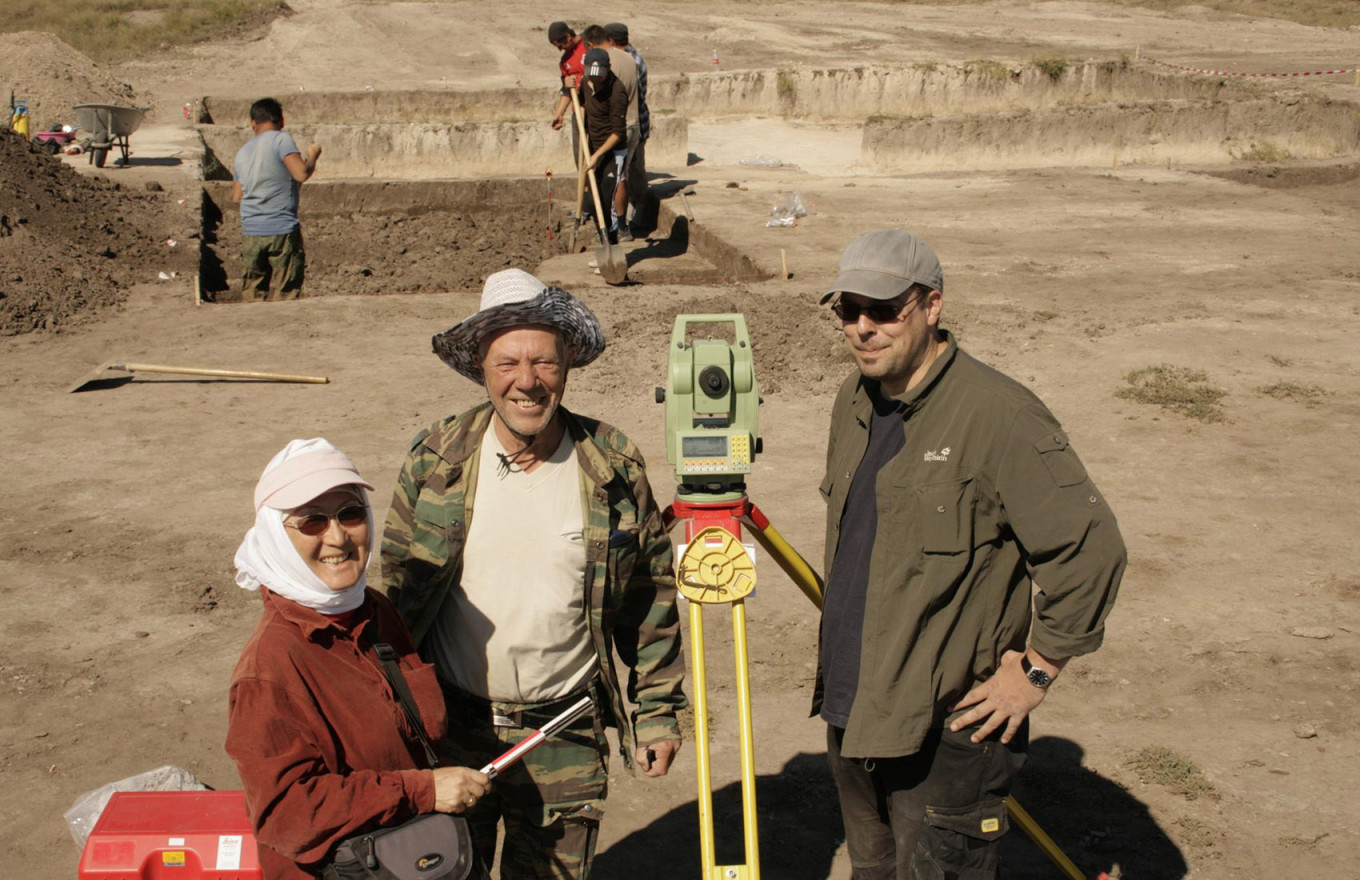
An Oirat (Kalmyk) from the republic of Kalmykia in southern Russia, Ochir-Goryaeva has spent over four decades leading digs in the lower Volga steppe. For her, the controversy around the Altai Princess highlights how regional inequality distorts Russian archaeology, privileging central institutions, romanticizing history and stripping local communities of their heritage.
Though the Ukok Plateau is rich with archaeological sites, Polosmak — the lead Novosibirsk archaeologist — and her team targeted burial mounds with permafrost beneath them. Ochir-Goryaeva argues that this selective focus on frozen graves can help sensationalize discoveries.
“Archeologists can find fur coats, pants, dresses and so on, which gives the impression of an unusually wealthy culture,” Ochir-Goryaeva said. “In reality, people in these mountains lived poorly,” isolated in their respective valleys.
She contrasts those kinds of high-profile expeditions with the work that local archaeologists do every day: operating on thin budgets and trying to save sites threatened by urban construction rather than hunting for spectacular finds.
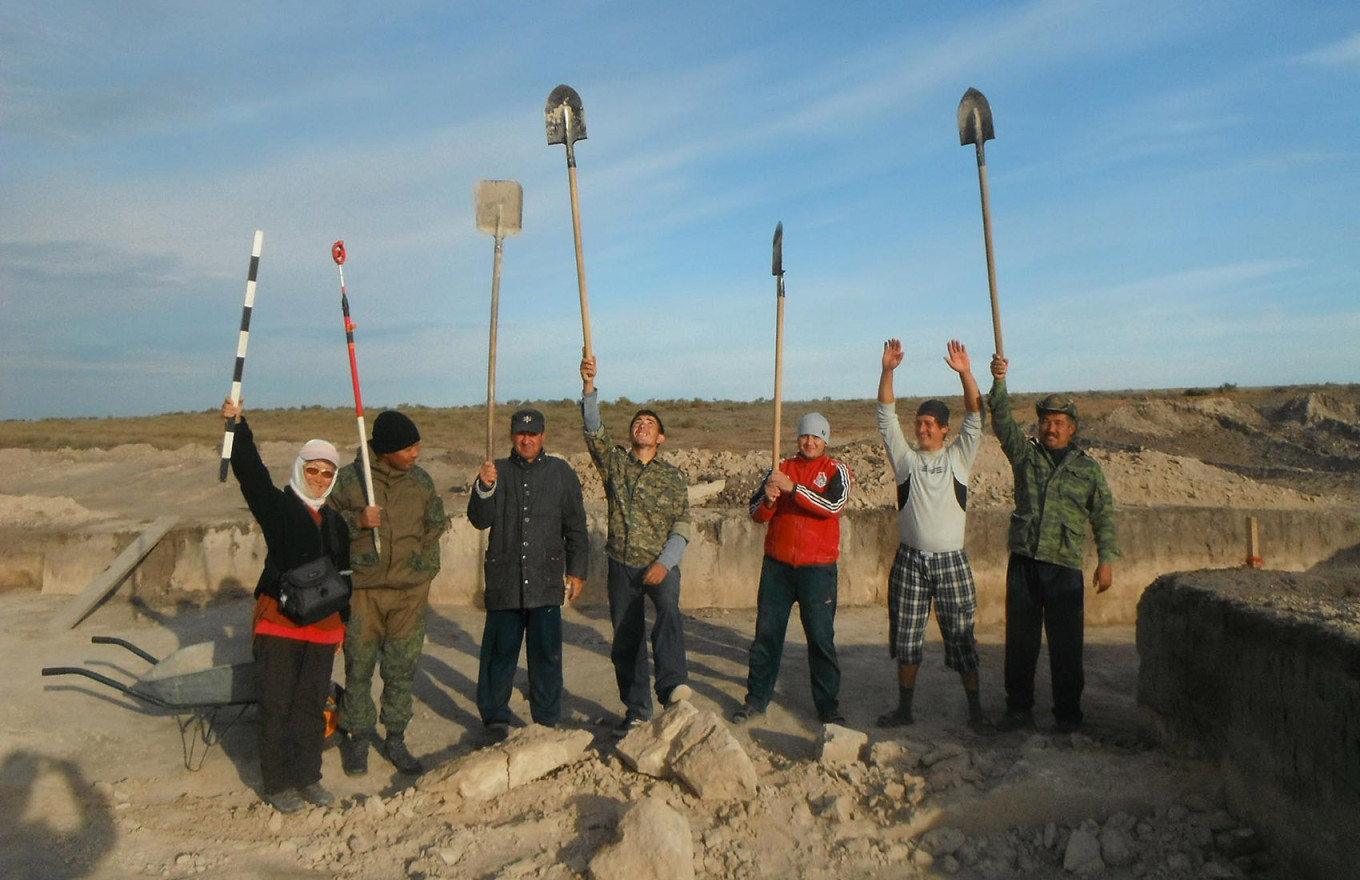
“All my life in Kalmykia, I worked in ‘rescue archeology,’ saving anything in a construction zone” before it disappeared, Ochir-Goryaeva said, noting that local excavators are usually more mindful of the environmental damage caused by digging up the steppe.
Immediately after the Altai Princess was discovered, her mummy was flown from the republic of Altai to Novosibirsk, around 700 kilometers (435 miles) away. Archaeologists argued the National Museum in Gorno-Altaysk lacked the facilities to preserve her.
Ochir-Goryaeva views the move as part of a legacy of colonial archaeology in Russia, where local heritage is claimed, packaged and carted off to faraway urban centers.
Although the mummy was finally returned to Altai in 2012 after the National Museum was renovated, Ochir-Goryaeva said that returning artifacts to indigenous lands remains rare in Russia, where “extraordinary finds are almost always taken from the regions to the capital.”
In Altai, the initial loss of the mummy fueled deep-seated grievances over the state exploitation of indigenous lands. In 1997, Altai’s regional parliament, the El Kurultai, introduced a temporary moratorium on archaeological digs to stop outside treasure hunting.
Though the ban was lifted in 2010, local mistrust has only deepened as Moscow has tightened its political grip on the republic. Over the past decade, the Kremlin eliminated direct mayoral elections, appointed outside executives to run the region and backed large land buyouts by state corporations like Sberbank.
Recent local protests over land rights have reignited calls from local activists to rebury the Altai Princess.
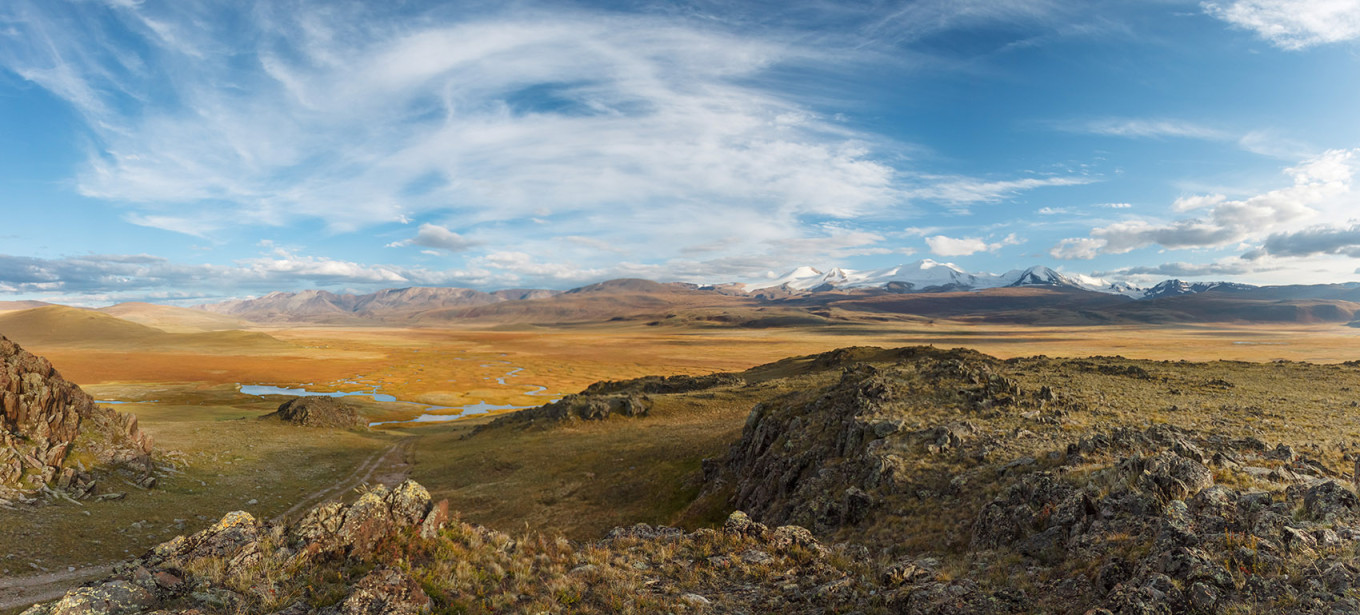
Ochir-Goryaeva views reburial as impractical — “We can’t put something back into permafrost, especially when it is melting on a global scale” — though she would support scaling back digs altogether.
“Digging a burial mound creates waste heaps. Earth and dust are everywhere,” Ochir-Goryaeva said. “We drive by car every day, constantly back and forth, and it destroys the steppe that has very little fertile soil.”
“There is enough material and available methods now to know everything about the ancient population. You don’t need to stir up the ground to do this,” she said.
A Message from The Moscow Times:
Dear readers,
We are facing unprecedented challenges. Russia's Prosecutor General's Office has designated The Moscow Times as an "undesirable" organization, criminalizing our work and putting our staff at risk of prosecution. This follows our earlier unjust labeling as a "foreign agent."
These actions are direct attempts to silence independent journalism in Russia. The authorities claim our work "discredits the decisions of the Russian leadership." We see things differently: we strive to provide accurate, unbiased reporting on Russia.
We, the journalists of The Moscow Times, refuse to be silenced. But to continue our work, we need your help.
Your support, no matter how small, makes a world of difference. If you can, please support us monthly starting from just $2. It's quick to set up, and every contribution makes a significant impact.
By supporting The Moscow Times, you're defending open, independent journalism in the face of repression. Thank you for standing with us.

Remind me later.