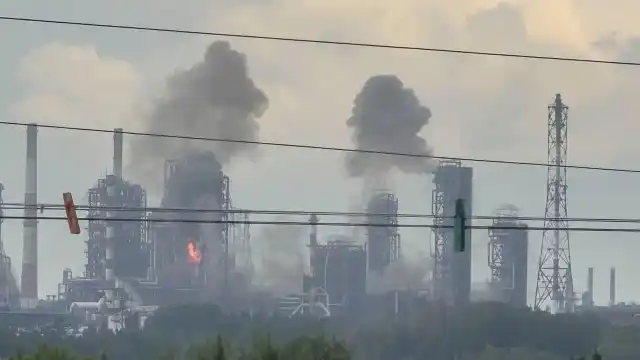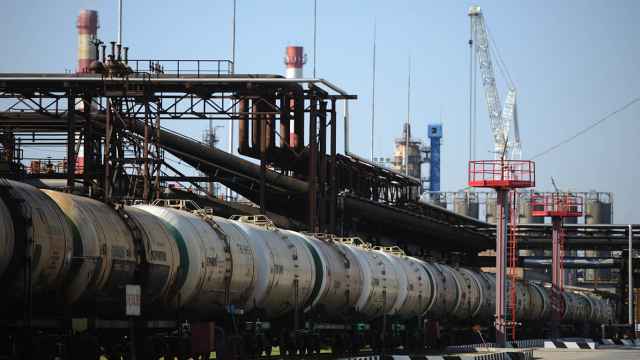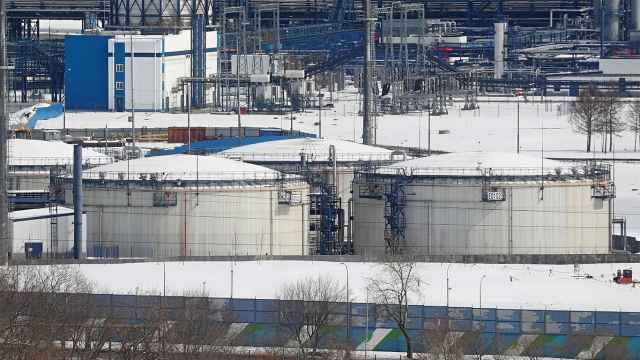
Russia’s state railway monopoly announced Wednesday the creation of a specialized task force to manage fuel transportation across the country, as an increasing number of regions implement rationing measures amid a coordinated Ukrainian drone campaign against oil refineries and supply lines.
In a statement, Russian Railways said the new task force will focus on maintaining steady deliveries of petroleum products while navigating a volatile “operational environment” — a standard euphemism used by officials to refer to the fallout from Ukrainian attacks.
The company highlighted growing concern over aviation fuel, noting that keeping Russian airports supplied has become a “zone of special attention” to “eliminate fuel shortages.” Earlier this month, the Russian government banned jet fuel exports until the end of November.
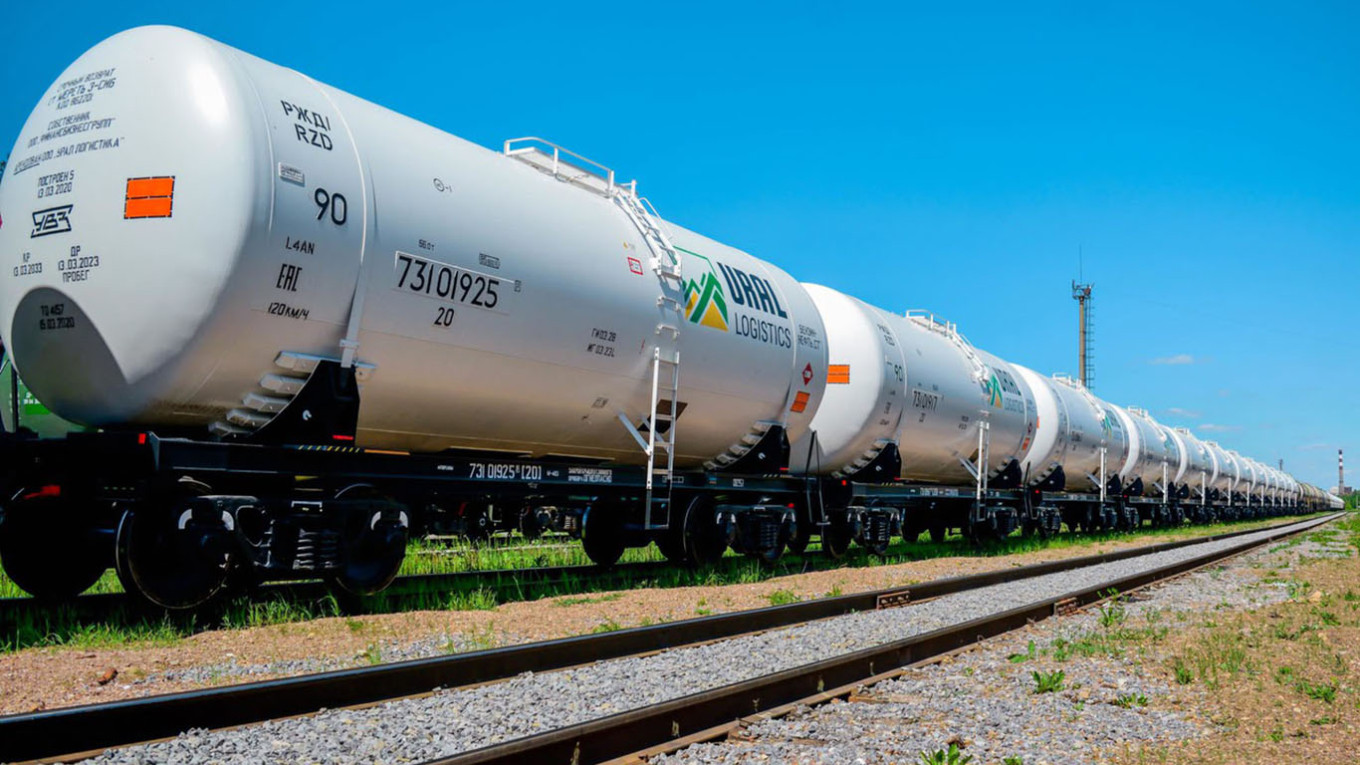
At the same time, Russian Railways said it was “accepting maximum cargo volumes within the current technical limits of its infrastructure” and urged other companies in the oil and fuel supply chain to strictly adhere to unloading schedules, warning that any delays in emptying fuel tank cars would paralyze bottleneck routes and choke off the return of rolling stock to refineries.
Russia’s Energy Ministry said last week that it set up an “industry-wide task force” with the country’s largest energy companies to ensure the “stable and efficient operation of the entire energy sector.” It acknowledged for the first time that Ukrainian attacks were to blame for “difficulties” in the domestic fuel market.
Dozens of Russian regions have seen fuel rationing measures slowly introduced at gas stations in recent weeks. The disruptions arrive at a critical time, with both the summer vacation travel season and the agricultural farming season in full swing.
The severity of the rationing varies by region and retail chain. In most cases, caps on how much gasoline motorists can purchase appear designed to prevent panic buying and hoarding rather than address an acute, immediate crisis.
Annexed Crimea has borne the brunt of the disruptions. The peninsula depends entirely on fuel transported from mainland Russia, and supplies have become so limited that motorists are now required to acquire QR codes in order to fill up at local gas stations.
The average price of gasoline in Russia has climbed 5.6% since the start of the year, with a single-week jump pushing national averages to 68.45 rubles per liter ($3.55 per gallon) as of June 8.
Industry sources told Reuters on Wednesday that Russia will import fuel from Asia by sea this month due to the shortages.
A Message from The Moscow Times:
Dear readers,
We are facing unprecedented challenges. Russia's Prosecutor General's Office has designated The Moscow Times as an "undesirable" organization, criminalizing our work and putting our staff at risk of prosecution. This follows our earlier unjust labeling as a "foreign agent."
These actions are direct attempts to silence independent journalism in Russia. The authorities claim our work "discredits the decisions of the Russian leadership." We see things differently: we strive to provide accurate, unbiased reporting on Russia.
We, the journalists of The Moscow Times, refuse to be silenced. But to continue our work, we need your help.
Your support, no matter how small, makes a world of difference. If you can, please support us monthly starting from just $2. It's quick to set up, and every contribution makes a significant impact.
By supporting The Moscow Times, you're defending open, independent journalism in the face of repression. Thank you for standing with us.

Remind me later.