

Stockbroker Hague arrived in Moscow in July 2003 on a business trip following a stag party in London. After he rebuts an official, who rubs his thumb and forefinger together and asks to settle a customs "problem" po-chelovecheski, he has his bag searched. The discovery of a small amount of hash, absent-mindedly left in the pocket of his jeans, sets in motion a Kafka-esque nightmare.
Hague compounds his problems by signing a document in Russian that confirms he was carrying a large quantity of hash and by talking carelessly to two young detectives about using drugs at university. With his honesty and trust in reason and justice, he enables himself to be labeled as a habitual drug user smuggling a bag of hash into Russia.
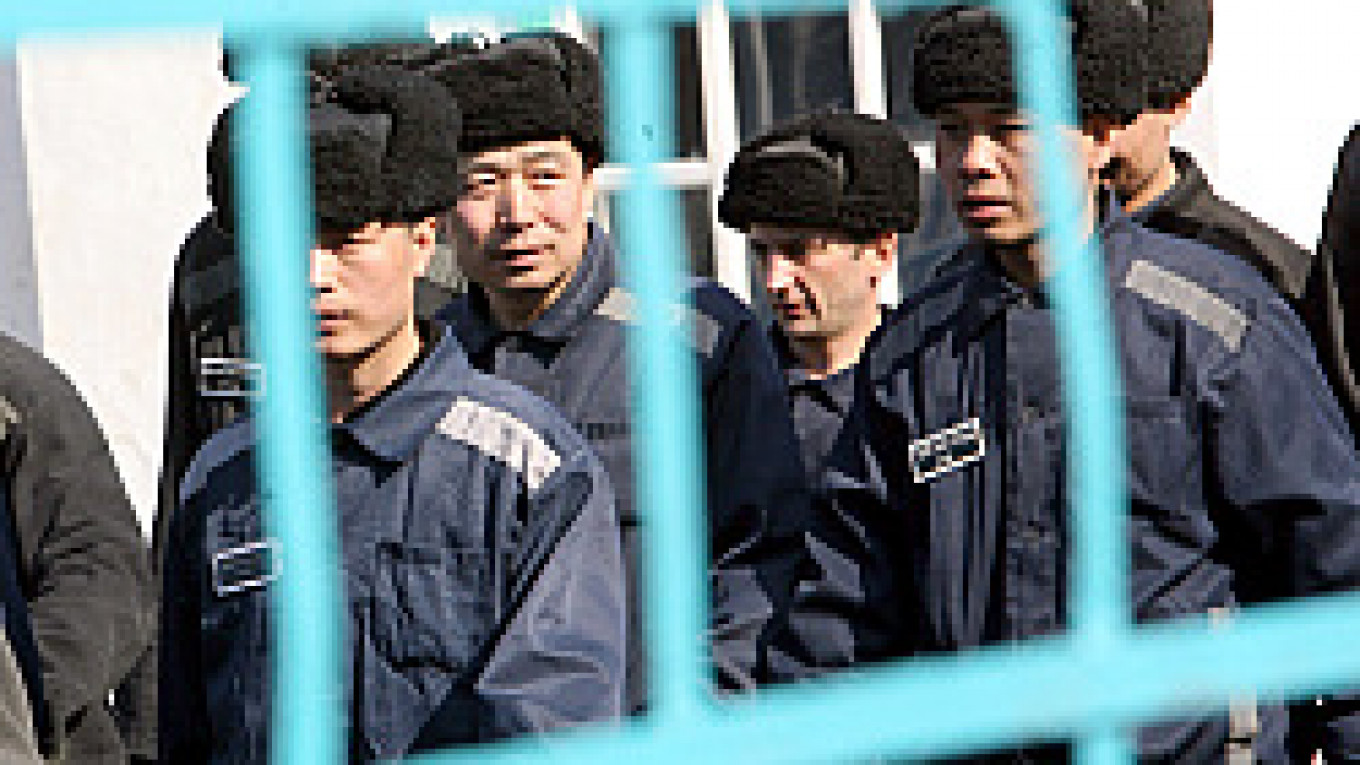
Taken to Moscow's Piet Central prison, Hague is stripped and witnesses guards handing out a savage beating before being thrown into a tiny, filthy cell with a dozen other prisoners. After being moved to a relatively more comfortable cell with other foreign prisoners, he gets the lowdown on prison life from Zubi, a real drug dealer and self-proclaimed expert.
He explains that the prison is not run by the guards, but the volk (wolf), a kind of Godfather among the prisoners. Survival comes from brash displays of strength coupled with knowing when to back down.
 Penguingroup |  |
| |
As the trial date approaches, the British Embassy brings in a Russian lawyer to defend Hague. He turns out to be either too supine or too lazy to challenge any of the claims made in court. Or maybe he just knows it will not make any difference -- that's legal nihilism for you. Right up to the moment his sentence is passed, Hague maintains a naive trust that the system can be persuaded of his innocence and that reason will lead to justice.
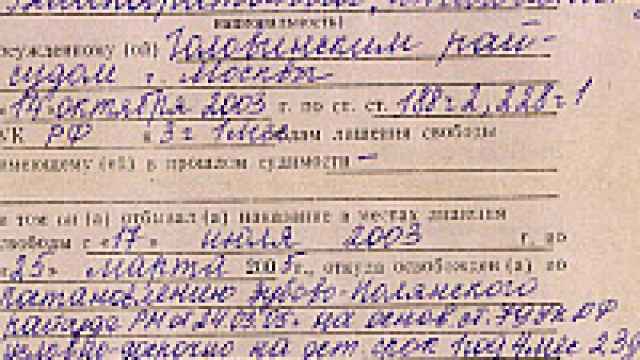
After being sentenced to four years and six months, Hague is packed off to Zone 22, a prison camp for foreigners in Mordovia -- "The Great Fuck-All," as Zubi warns him. That turns out to be a fairly accurate description of the Gulag-style camp, where prisoners live in wooden boarding houses, do mind-numbing chores, eat minimal portions of barely edible food and suffer from guards' arbitrary and frequently drunken fits of rage.
 Penguingroup Hague's gripping description of prison life is a horrific tale of corrupt guards, terrifying inmates and enthralling misery. | |
| |
Competition to be on the list for parole is tough: One of Hague's few friends in Zone 22 tells him that he'll have to use his elbows to get to the top and "fuck whoever you have to push out of the way to get there." One prisoner destroys a competitor's chance of parole by hiding a potato from the kitchen under his mattress and then informing on him, earning him an extra six months on his sentence, which guards can hand out at will.
The guards themselves are mostly drunk, bribe-hungry low-lifes, who take enjoyment from depriving the prisoners of any comfort or pleasure -- all, naturally, in the name of enforcing "the rules." At every step they humiliate the prisoners in displays of power afforded to them by their position in the system. When visited by his girlfriend, Lucy, Hague is not allowed any physical contact with her. She finds a solution, however, and they get married in the prison -- the happiest moment of his time there but an event that Hague says is too painful for them to talk about.
Tales of the soul-destroying boredom that characterizes camp life are broken up by stories of the brutality of the guards as well as that of the prisoners. There are plenty of characters to give life to the story, which never slows up and maintains a nervous tension. Ahmed, a Moroccan with a terrifying scar across his face, dishes out a savage beating to Chan after the Chinese murderer sets upon Hague. Cosmos, a top Moscow drug baron who was busted on live TV, loses his mind after a spell in solitary confinement and bites off another prisoner's ear.
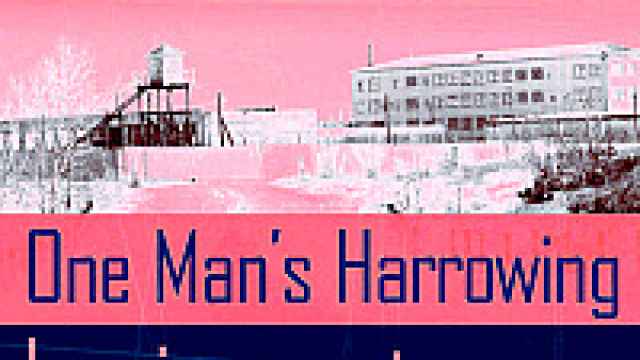 Penguingroup Tomorrow You Go Home By Tig Hague Gotham Books $26 323 pages British title: Zone 22. | |
| |
But what is most sorely missing from the book -- which, to be fair, Hague is hardly in a position to provide -- is a deeper attempt to interpret the political and social implications of the camp, its people and its processes. This prevents the book from going beyond a racy account for the reader to enjoy while being grateful not to be in the author's place.
With the constant demand for humiliating deferrence and its dog-eat-dog power games, the prison system in the book comes across as an extreme microcosm of Russian life.
One of the most telling episodes in the book is when Hague writes, on his arrival in the camp, of how he has lost control over his own fate. The rare moments when he feels in charge are when he is plotting his way out of jail through bribery.
 Penguingroup | |
| |
Despite its one-dimensionalism, the book is an enjoyable and captivating page-turner, revealing a side of modern Russia that not many (thank goodness) get to see. It speaks not only to the arbitrariness of many aspects of Russian life but also for the extreme wretchedness and desolation experienced in the provinces. Moscow may have many of the trappings of a European capital, but outside the Ring Road life is starkly different. This alone makes the book as crucial a source for anyone looking for insight into the state of Russian society as any number of academic tomes.
A Message from The Moscow Times:
Dear readers,
We are facing unprecedented challenges. Russia's Prosecutor General's Office has designated The Moscow Times as an "undesirable" organization, criminalizing our work and putting our staff at risk of prosecution. This follows our earlier unjust labeling as a "foreign agent."
These actions are direct attempts to silence independent journalism in Russia. The authorities claim our work "discredits the decisions of the Russian leadership." We see things differently: we strive to provide accurate, unbiased reporting on Russia.
We, the journalists of The Moscow Times, refuse to be silenced. But to continue our work, we need your help.
Your support, no matter how small, makes a world of difference. If you can, please support us monthly starting from just $2. It's quick to set up, and every contribution makes a significant impact.
By supporting The Moscow Times, you're defending open, independent journalism in the face of repression. Thank you for standing with us.

Remind me later.