

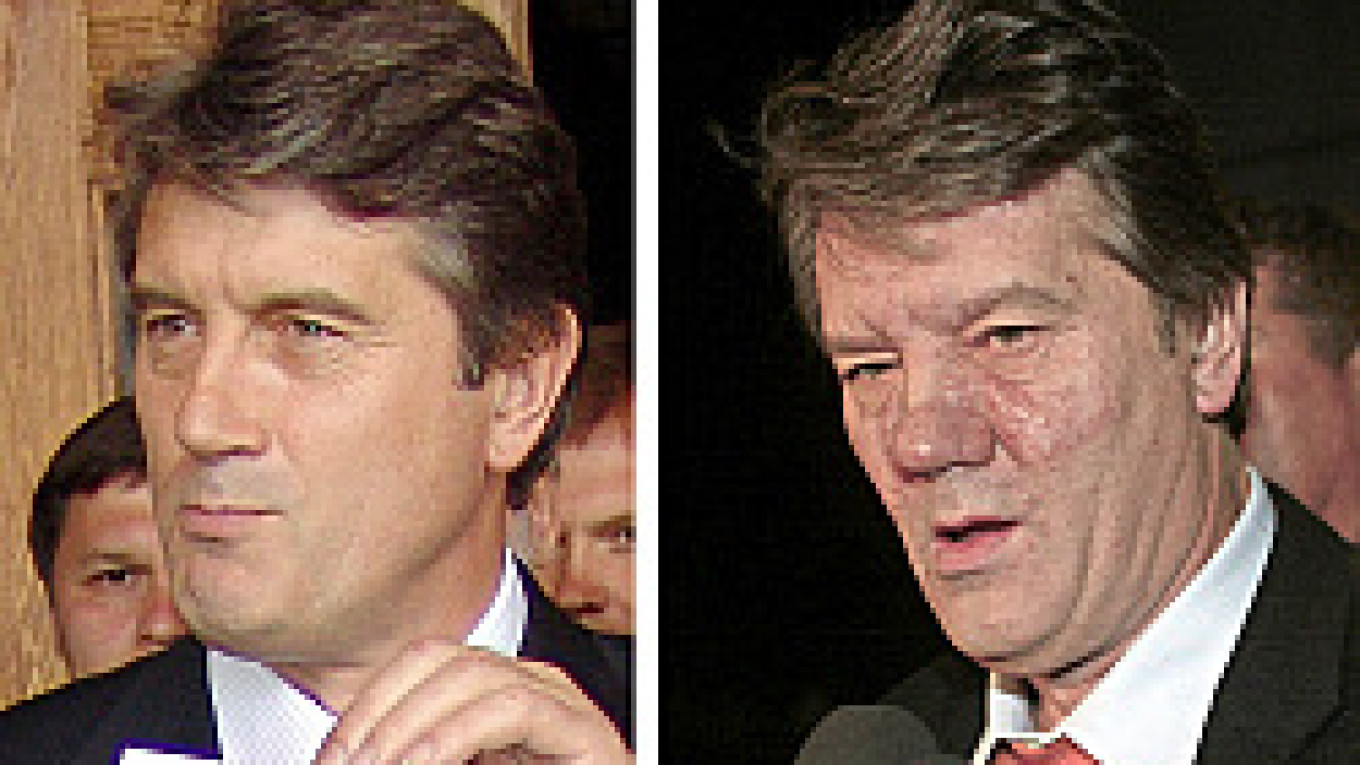
Yushchenko, who was a leader of the political opposition at the time, was poisoned with dioxin during the 2004 presidential election campaign, disfiguring his face. No arrests have been made, but suspicions of Russian involvement persist -- both because Yushchenko was running against a Kremlin-backed candidate and because Russia is one of four countries that produce the specific formula of dioxin used against him.
Although the dioxin from all four countries is chemically identical, differences in the manufacturing process yield various byproducts; testing samples from each country for these byproducts could determine the origin of the dioxin found in Yushchenko.
Three countries that produce this type of dioxin -- Britain, Canada and the United States -- have submitted samples to Ukraine for testing, investigators say, but Russia has refused. This month it offered to test samples of its dioxin in Russia and report the results to Ukraine.
The Ukrainian Prosecutor General's Office rejected that offer this week, and again asked Russia to let the test be conducted in Ukraine, a spokesman said Wednesday.
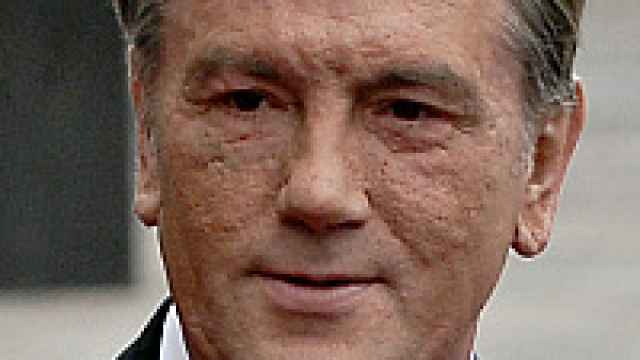 Sergei Chuzavkov / AP Ukrainian President Viktor Yushchenko pictured last week. |  |
| |
Yushchenko has complained that Russia was stalling the investigation by refusing to provide the dioxin samples and hand over key suspects. Ukrainian authorities have not named any suspects, but Yushchenko has said the suspects are hiding out in Russia.
He said Wednesday that prosecutors would travel soon to Russia to meet with their counterparts, a visit he said he hoped would solve the stalemate.
"Maybe in the course of that dialogue negotiations will be concluded concerning the tests of dioxin that is produced in the Russian Federation and holding accountable those people who are hiding in the Russian Federation," he told reporters.
Yushchenko has hinted that he knows those responsible for the poisoning. While refraining from naming the alleged culprits until the investigation is over, he has hinted that the poisoning could have been masterminded from outside the country.
A Message from The Moscow Times:
Dear readers,
We are facing unprecedented challenges. Russia's Prosecutor General's Office has designated The Moscow Times as an "undesirable" organization, criminalizing our work and putting our staff at risk of prosecution. This follows our earlier unjust labeling as a "foreign agent."
These actions are direct attempts to silence independent journalism in Russia. The authorities claim our work "discredits the decisions of the Russian leadership." We see things differently: we strive to provide accurate, unbiased reporting on Russia.
We, the journalists of The Moscow Times, refuse to be silenced. But to continue our work, we need your help.
Your support, no matter how small, makes a world of difference. If you can, please support us monthly starting from just $2. It's quick to set up, and every contribution makes a significant impact.
By supporting The Moscow Times, you're defending open, independent journalism in the face of repression. Thank you for standing with us.

Remind me later.