Russia and Ukraine have agreed to hold a major prisoner exchange after wrapping up U.S.-mediated peace talks in Abu Dhabi, Russian and U.S. officials said Wednesday, as the Trump administration renews its push to mediate a deal that would bring an end to Russia’s full-scale war against Ukraine.
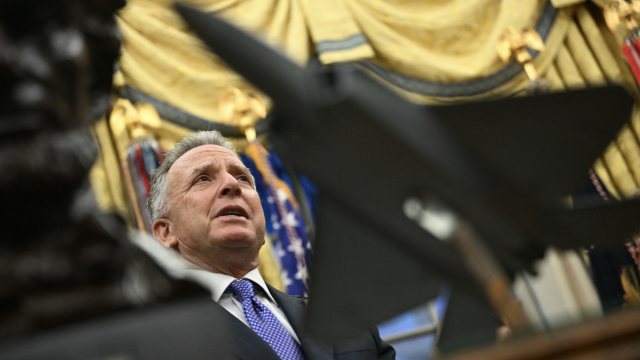
Chief negotiator Vladimir Medinsky, an adviser to President Vladimir Putin, told reporters that details of the swap would be announced shortly. White House special envoy Jared Kushner confirmed the agreement during a separate news briefing with Ukrainian negotiators.
Delegates from Russia and Ukraine concluded their second and final day of discussions on Wednesday in a session lasting under two hours. Kushner and fellow White House envoy Steve Witkoff continued their role as key mediators in the talks, which mark the first trilateral meeting since the outbreak of the U.S. Israel war against Iran in February.
There was no immediate sign of a breakthrough in the talks, though hopes leading up to the two-day discussions had been low. Since the summer, Ukraine and Russia have dramatically ramped up their attacks on each other’s territory, inflicting significant economic pain and a growing human toll.
While Trump has in recent days repeated claims that the Ukraine war is close to being settled, neither Moscow nor Kyiv has shown any signs that they are willing to make the kind of significant compromises needed to clinch a peace agreement.
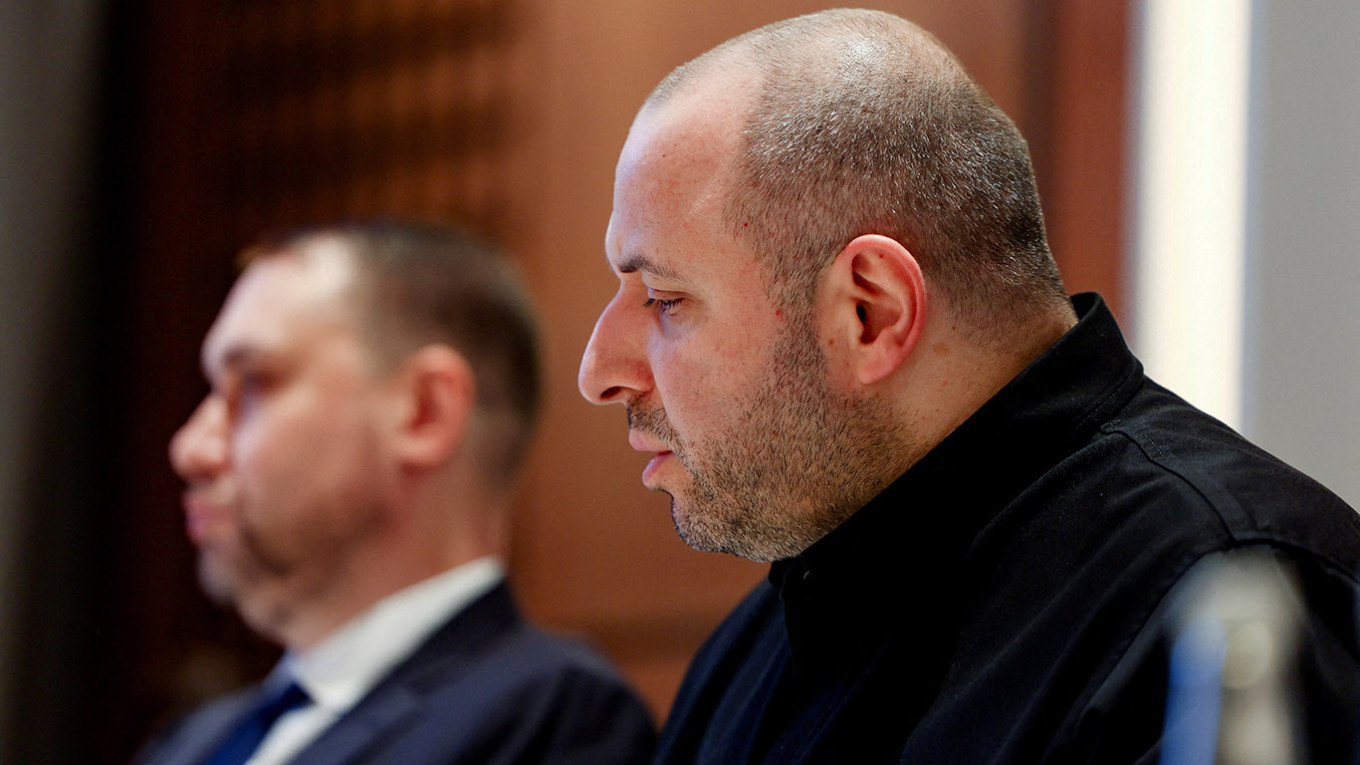
At a short press conference on Wednesday, Medinsky described post-war security arrangements for Ukraine and the broader European continent as a central focus of the talks. “In some places we reached an understanding, in other places we did not,” he said, without elaborating further.
He also dismissed European officials who held separate discussions with the Ukrainian delegation in Abu Dhabi on Tuesday, with another meeting expected for Wednesday.
“We don’t understand what status they have here... we don’t understand where we can agree with them on anything,” Medinsky said, arguing that Europe’s military support for Ukraine prevented it from being a serious participant in peace talks.
While praising Witkoff and Kushner for their diplomatic efforts, Medinsky insisted that European nations could only become “full-fledged” partners in the peace process when their “conscience awakens,” accusing them of complicity in alleged Ukrainian war crimes.
Kushner said he and Witkoff planned to fly to Moscow on Thursday to brief Putin directly on the Abu Dhabi discussions, after which they will meet with Ukrainian President Volodymyr Zelensky in Ireland. He cautioned, however, that deep-seated distrust between Russia and Ukraine remains a major hurdle to reaching a peace deal.
Earlier, the Kremlin said Putin was being provided with regular updates about the progress of this week’s talks.
The focus of this week’s talks on developing a post-war security framework for Ukraine and Europe sets them apart from previous rounds of negotiations, which centered on issues more directly related to the war and territorial disagreements between Moscow and Kyiv.
U.S. officials told the Financial Times that they are looking to resolve the Ukraine war and broader security arrangements for the continent in tandem, but emphasized that European officials should have a seat at the table, something that Moscow has so far rejected.
A Message from The Moscow Times:
Dear readers,
We are facing unprecedented challenges. Russia's Prosecutor General's Office has designated The Moscow Times as an "undesirable" organization, criminalizing our work and putting our staff at risk of prosecution. This follows our earlier unjust labeling as a "foreign agent."
These actions are direct attempts to silence independent journalism in Russia. The authorities claim our work "discredits the decisions of the Russian leadership." We see things differently: we strive to provide accurate, unbiased reporting on Russia.
We, the journalists of The Moscow Times, refuse to be silenced. But to continue our work, we need your help.
Your support, no matter how small, makes a world of difference. If you can, please support us monthly starting from just $2. It's quick to set up, and every contribution makes a significant impact.
By supporting The Moscow Times, you're defending open, independent journalism in the face of repression. Thank you for standing with us.

Remind me later.