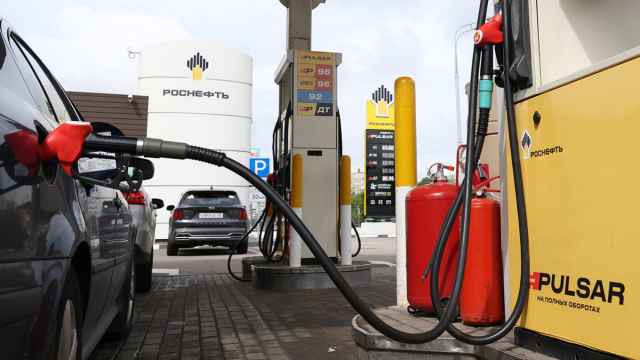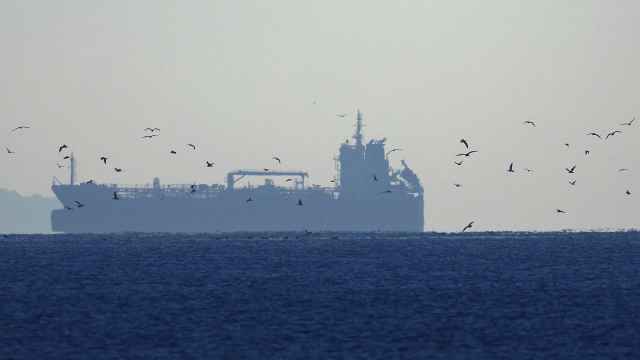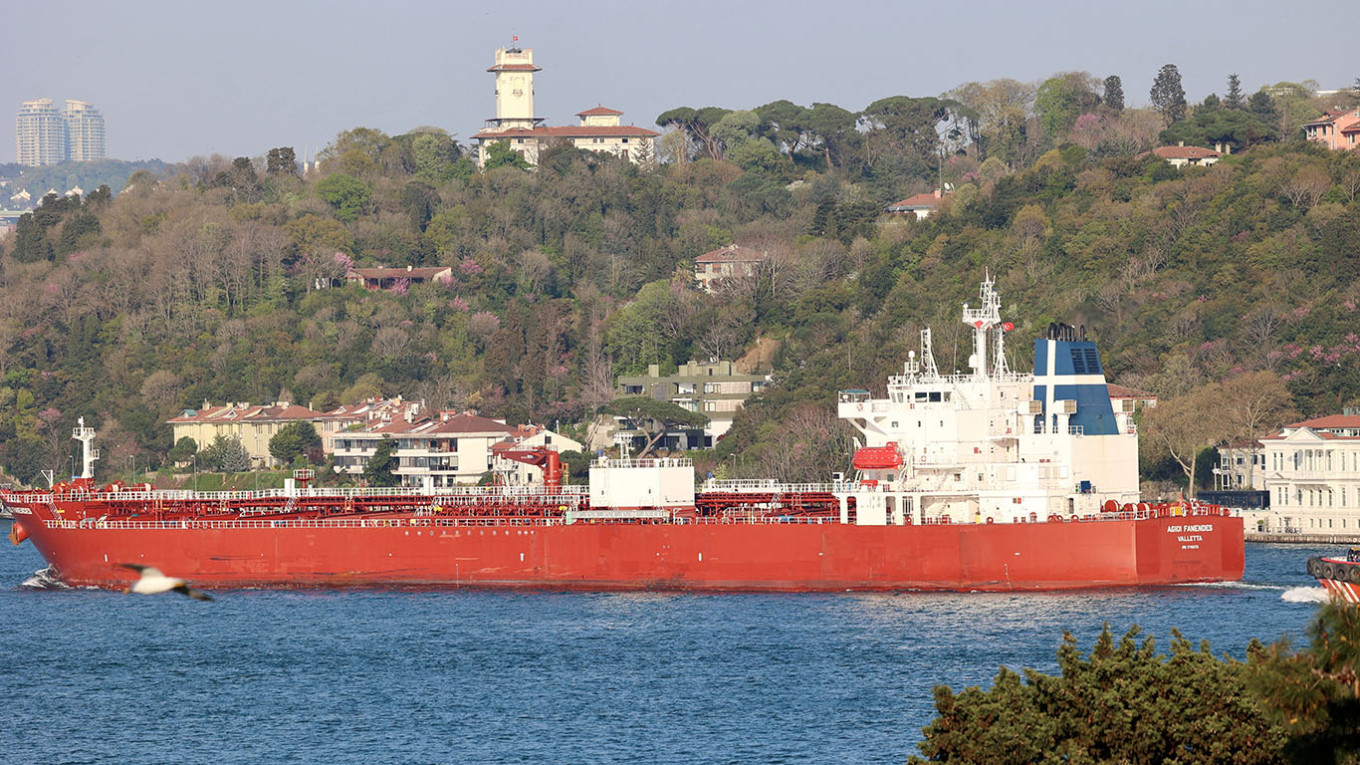
Two tanker ships carrying Russian diesel to the United States have changed course, the Financial Times reported Wednesday, suggesting that President Donald Trump’s energy deal with Moscow may have fallen apart as U.S. fuel supplies continue to dwindle.
Kpler trade intelligence analyst Matt Smith told the newspaper that “two of the three Russian diesel cargoes bound for the U.S. have now diverted to other destinations.”
Leruo, a Hong Kong-owned and Sierra Leone-flagged vessel, reportedly altered its signal to “Brazil.” Talisman, a sanctioned Russian-flagged vessel, diverted to the Mediterranean and signaled “for orders” off the coast of Algeria.
Smith suggested the third tanker ship, Greek-owned Agioi Fanendes, would also change course “due to regulatory, legislative and sanction issues.”
American buyers have so far declined to receive the Russian cargoes due to legal threats from state and federal officials.
Democratic New Jersey Governor Mikie Sherrill warned port and terminal operators in his state that they could face millions of dollars in fines for offloading Russian diesel.
At the same time, CNN reported that the Senate Foreign Relations Committee ordered banks, port operators and companies involved in the diesel deal to preserve documents in preparation for oversight inquiries when Democrats take control of Congress in January.
Trump announced the diesel deal with Russia after a phone call with President Vladimir Putin last month. He claimed Russia would “immediately” supply 300,000 tons of diesel to the U.S. and global markets, followed by another 500,000 metric tons in November and 1 million metric tons thereafter.
The following day, Russia partially lifted its diesel export ban — first introduced in the summer due to domestic shortages.
Most experts agree that the agreement would have little effect on global energy markets in the near future. The first 300,000 tons expected to hit the U.S. market would cover only three-quarters of the country’s daily consumption, according to calculations by The Guardian.
Turkey said last month that it had negotiated to secure a share of the Russian diesel under the Trump agreement.
Ukrainian President Volodymyr Zelensky and European allies criticized the U.S.-Russian deal, arguing that it would bolster the Russian economy and strain transatlantic relations.
The agreement came as U.S. diesel prices rose by around 70% year-on-year amid global oil market turmoil triggered by Iran’s effective closure of the Strait of Hormuz.
Russian Deputy Prime Minister Alexander Novak said last week that at least four diesel tankers departed for export markets.
A Message from The Moscow Times:
Dear readers,
We are facing unprecedented challenges. Russia's Prosecutor General's Office has designated The Moscow Times as an "undesirable" organization, criminalizing our work and putting our staff at risk of prosecution. This follows our earlier unjust labeling as a "foreign agent."
These actions are direct attempts to silence independent journalism in Russia. The authorities claim our work "discredits the decisions of the Russian leadership." We see things differently: we strive to provide accurate, unbiased reporting on Russia.
We, the journalists of The Moscow Times, refuse to be silenced. But to continue our work, we need your help.
Your support, no matter how small, makes a world of difference. If you can, please support us monthly starting from just $2. It's quick to set up, and every contribution makes a significant impact.
By supporting The Moscow Times, you're defending open, independent journalism in the face of repression. Thank you for standing with us.

Remind me later.