
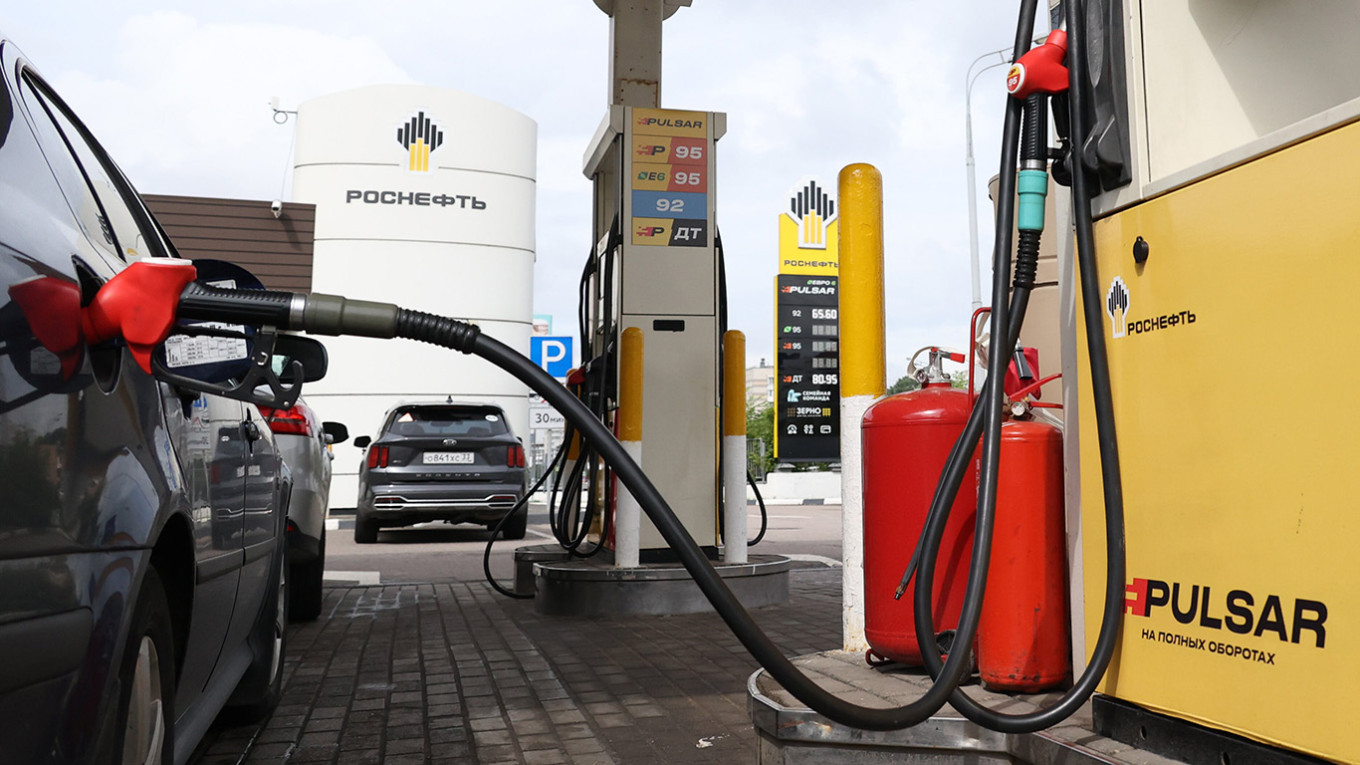
Russia will extend its diesel export ban until the end of the year while allowing some companies to ship fuel under a quota system to meet its new export commitment to the U.S., two people familiar with the discussions told Reuters.
Moscow and Washington agreed a diesel supply deal after Presidents Vladimir Putin and Donald Trump spoke by phone earlier this month. The energy ceasefire between Russia and Ukraine announced alongside the agreement has allowed Moscow to increase fuel production. At the same time, fuel shortages earlier this year have prompted the government to maintain tight controls on oil product exports.
Deputy Prime Minister Alexander Novak said on Tuesday that three tankers carrying Russian diesel to export markets were already under way and that a fourth would sail on Oct. 28.
Novak also said Russian refineries were recovering quickly from repairs. The sources said refinery utilization had risen 25% at the end of October from the start of the month after drone attacks on facilities subsided.
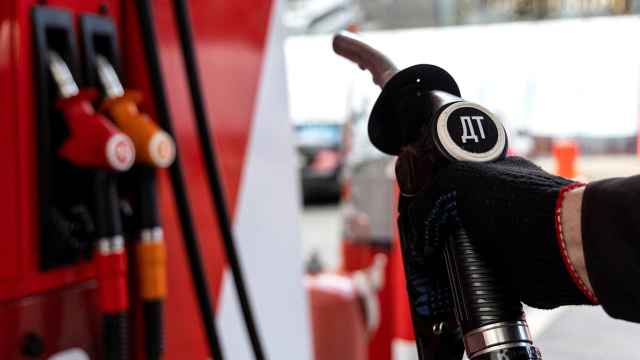
Under the current diesel export ban, the government permits limited exports through a quota system. Those quotas will quadruple from October levels to 2 million metric tons, or about 0.5 million barrels per day, in November, the sources said. Shipments under existing intergovernmental agreements will also continue.
The Energy Ministry did not respond to a request for comment.
The current ban on diesel exports is due to expire on Oct. 31.
In October, the government exempted several refiners from the ban and granted them export quotas totaling 0.5 million tons, the sources said. A new government order expected in early November would expand the list of exempt refiners and set new export limits. If the quotas are used up quickly, the government could consider increasing them further, the sources added.
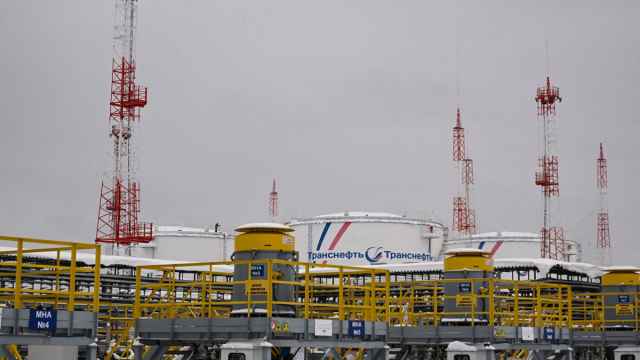
Nominal diesel production in Russia exceeds domestic consumption by about 40%. As refineries return to normal operating rates, they will need export outlets to prevent a domestic glut.
A Message from The Moscow Times:
Dear readers,
We are facing unprecedented challenges. Russia's Prosecutor General's Office has designated The Moscow Times as an "undesirable" organization, criminalizing our work and putting our staff at risk of prosecution. This follows our earlier unjust labeling as a "foreign agent."
These actions are direct attempts to silence independent journalism in Russia. The authorities claim our work "discredits the decisions of the Russian leadership." We see things differently: we strive to provide accurate, unbiased reporting on Russia.
We, the journalists of The Moscow Times, refuse to be silenced. But to continue our work, we need your help.
Your support, no matter how small, makes a world of difference. If you can, please support us monthly starting from just $2. It's quick to set up, and every contribution makes a significant impact.
By supporting The Moscow Times, you're defending open, independent journalism in the face of repression. Thank you for standing with us.

Remind me later.