A ceasefire in and around the Russian-occupied town of Oleshky in southern Ukraine concluded this weekend without any violations being reported, Russia’s human rights chief said Monday, adding that discussions are under way to provide for regular humanitarian deliveries to civilians remaining in the area.
At the same time, Ukraine’s military accused Russian forces the six-day humanitarian ceasefire to strengthen their positions, while the Kremlin said it assumed Ukrainian troops had also used the pause to regroup.
The temporary pause in fighting, which began last Tuesday and ended Sunday, was organized to allow initial demining operations followed by the delivery of humanitarian relief to Oleshky’s residents, who faced acute shortages of food and medicine. Both Russia and Ukraine praised U.S. first lady Melania Trump for mediating the agreement.
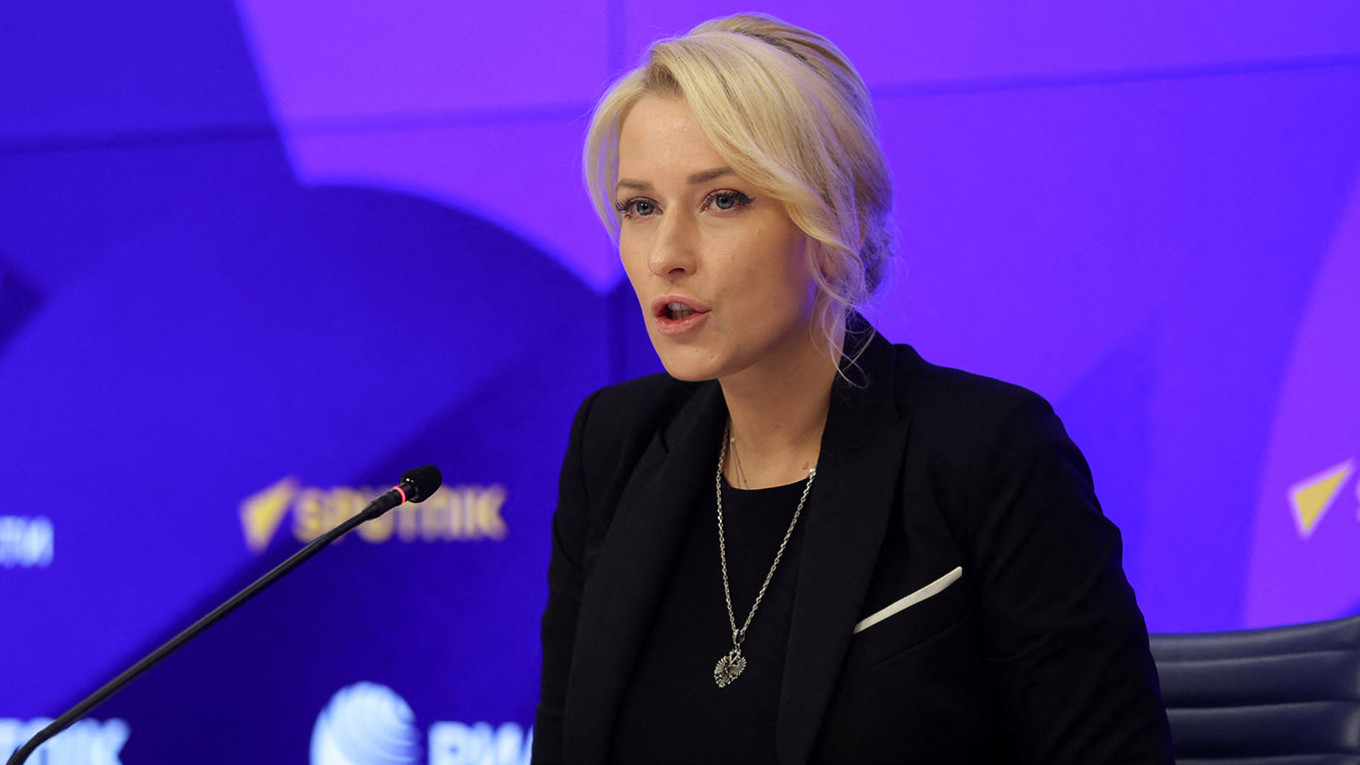
“I want to emphasize that there were no incidents or violations of the ceasefire. Everything went according to plan,” Yana Lantratova, the Russian human rights commissioner, told reporters at a news conference in Moscow.
Her remarks contradict a statement issued on Saturday by Russia’s Foreign Ministry, which claimed that a Ukrainian drone strike on a vehicle in Oleshky had injured two civilians.
The Kremlin on Monday called the humanitarian operation in Oleshky a success, praising the “level of coordination achieved among participants from all sides,” though it noted there were no immediate plans for similar missions elsewhere.
Neither Lantratova nor the Kremlin have addressed the Foreign Ministry’s claim of a ceasefire violation. Ukraine has also not commented on the matter.
Russia seized Oleshky shortly after President Vladimir Putin ordered the full-scale invasion of Ukraine in February 2022.
Lantratova said it was still unclear how many people ultimately left Oleshky during the six-day pause in fighting. While Russian authorities had prepared enough buses to evacuate up to 750 civilians, she acknowledged that many returned largely empty.
“A great deal of buses drove back empty,” she said. “Naturally, far fewer than 750 people left. To be completely honest with you, we simply had neither the time nor the opportunity to count people.”
Dismissing political scrutiny of the effort, Lantratova added, “I know there are attempts to politicize this. Unfortunately, all such attempts are petty and wrong, because our mission is not political, but humanitarian.”
Lantratova said she and her Ukrainian counterpart, Dmytro Lubinets, had agreed to seek regular, “at least monthly,” humanitarian missions to Oleshky. She asked Melania Trump to help mediate those future efforts.
“Moving forward, we will assess what other needs exist,” Lantratova said. “We are aware of the settlements near Oleshky, and we have already dispatched humanitarian aid to those areas.”
Ukrainian President Volodymyr Zelensky over the weekend called the Oleshky mission a success, expressing gratitude to those involved in negotiating the pause, including Melania Trump.
“When there is the attention of the world, there is the salvation of people,” Zelensky wrote in a post on Telegram.
Despite the praise of the humanitarian efforts, both Russia and Ukraine accused each other of using the ceasefire to rotate, regroup and supply their troops in the area around Oleshky. “This is standard practice in such situations. But I’m not familiar with the specifics,” Peskov told reporters on Monday.
A Message from The Moscow Times:
Dear readers,
We are facing unprecedented challenges. Russia's Prosecutor General's Office has designated The Moscow Times as an "undesirable" organization, criminalizing our work and putting our staff at risk of prosecution. This follows our earlier unjust labeling as a "foreign agent."
These actions are direct attempts to silence independent journalism in Russia. The authorities claim our work "discredits the decisions of the Russian leadership." We see things differently: we strive to provide accurate, unbiased reporting on Russia.
We, the journalists of The Moscow Times, refuse to be silenced. But to continue our work, we need your help.
Your support, no matter how small, makes a world of difference. If you can, please support us monthly starting from just $2. It's quick to set up, and every contribution makes a significant impact.
By supporting The Moscow Times, you're defending open, independent journalism in the face of repression. Thank you for standing with us.

Remind me later.