
Hello and welcome to Regions Calling, your guide to developments from beyond the Russian capital by The Moscow Times.
Persistent fuel shortages and economic damage from Ukrainian drone attacks on energy infrastructure and warehouses operated by online retailer Wildberries have dominated headlines across Russia’s regions over the past month.
The turmoil has prompted many Russians, including previously apolitical bloggers, to take to social media to vent their frustrations. But will this discontent spill over into Russia’s tightly controlled political space?
In this week’s newsletter, we examine how independent candidates are faring ahead of September’s State Duma and regional elections, and whether the country’s socioeconomic strains have helped them in any way — if at all.
But first, a look at the latest news from across the regions and updates on the fuel crisis:
The Headlines
- Multiple oil spills have been detected in the Sea of Azov in the two weeks since Ukrainian drone attacks targeted over 100 vessels operating in the area.
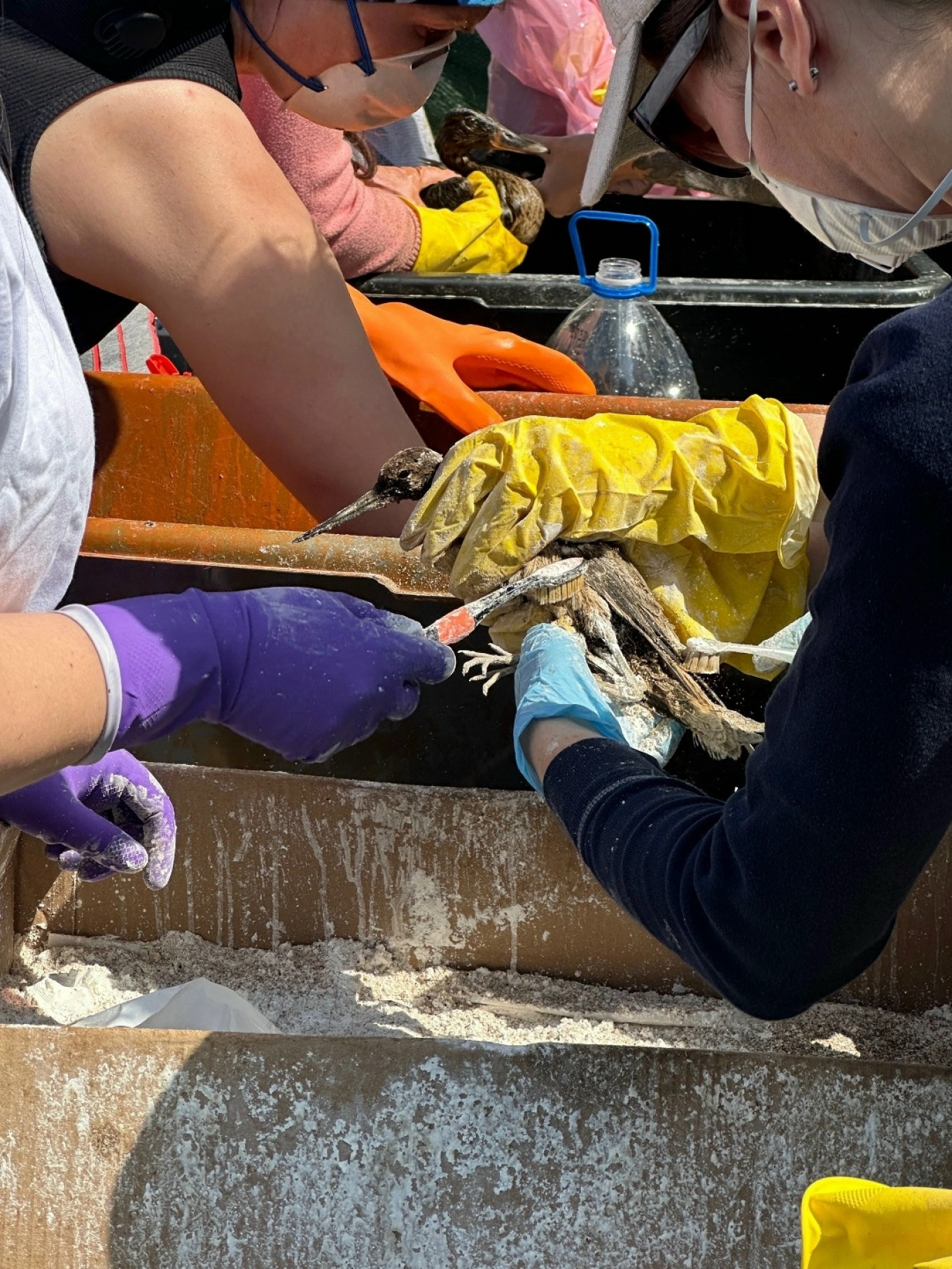
Satellite imagery published by the monitoring group Sky Eye showed an oil slick stretching 4-6 kilometers (2.5-3.7 miles) from the Rostov region port of Taganrog. Additional oil patches near the Krasnodar region port town of Primorsko-Akhtarsk were discovered in satellite imagery published by the Transparent World project. - Volunteers have mobilized to rescue and clean ducks after an oil spill was discovered in the Mulyanka and Pyzh rivers near the city of Perm. The spill was later confirmed to have originated from overflowing tanks owned by oil major Lukoil. Though Lukoil claimed it has collected more than 70% of the spill, eyewitnesses say that large slicks have continued to move downstream as of Thursday.
The Mulyanka is a small tributary of the Kama River, the largest tributary of the Volga and the main source of drinking water for major towns and cities of the Ural Mountains region.
- Government-backed experts in the republic of Bashkortostan have approved replacing the iconic Salavat Yulayev monument with a bronze replica.
The monument is widely seen as one of Bashkortostan's defining emblems, with Yulayev symbolizing the Bashkir people’s centuries-long struggle to preserve their land and identity.
The 40-ton bronze-and-cast-iron equestrian statue, the largest in Russia, was removed from its famed spot overlooking the Agidel River in the capital Ufa last year. Though regional authorities initially said the monument would be returned in its original form after restoration, they later shifted the narrative.
This shift sparked widespread fears that the statue will not be returned at all, with activists pointing out that Yulayev’s background contradicts historical narratives promoted by the Kremlin. - Also in Bashkortostan, authorities jailed one activist and fined another over an unauthorized protest calling to reinstate school-level education delivered in the Indigenous Bashkir language across the region.
A district court in Ufa sentenced veteran Indigenous activist Irek Agishev to administrative arrest for organizing the protest. The same court later fined fellow protester Fayma Gazizova 10,000 rubles ($128) for violating public assembly rules.
Fuel Crisis: The Latest
- At least 25 Russian regions have hiked public transport fares in response to fuel shortages and rising fuel costs. Fare increases have been reported from the southern Stavropol region to Siberia’s Altai and Irkutsk regions and the republic of Buryatia. The Irkutsk region has introduced some of the steepest increases, with fares rising between 20% and more than 30%.
Another 10 regions have curbed public transport services in suburban and interregional routes in a bid to conserve fuel. - Oil refineries in Siberia have postponed scheduled maintenance until autumn 2026 in an effort to boost fuel supplies.
The Central Bank’s July regional economic review said that delaying repairs would allow the domestic market to build up fuel reserves. The report also cited rising fuel prices as a key driver of inflation in the regions and said Siberian refineries reached maximum capacity in May after ramping up output to meet stronger demand. - Imprisoned Altaian activist Aruna Arna said widespread fuel shortages meant her lawyer was unable to visit her.
She also warned that the fuel crisis would have particularly dire consequences for her home republic of Altai, where over 70% of the population live in rural areas and primarily subsist on farming and animal herding. - Emergency services and state institutions in the Krasnodar region are struggling to obtain supplies, with around 50 government procurement contracts canceled since the beginning of the month. Institutions affected include a children's hospital, a maternity hospital, a tuberculosis clinic, a blood bank, a rehabilitation center and several district administrations. The shortages have hit the popular Black Sea tourist region during the peak summer travel season.
The Spotlight
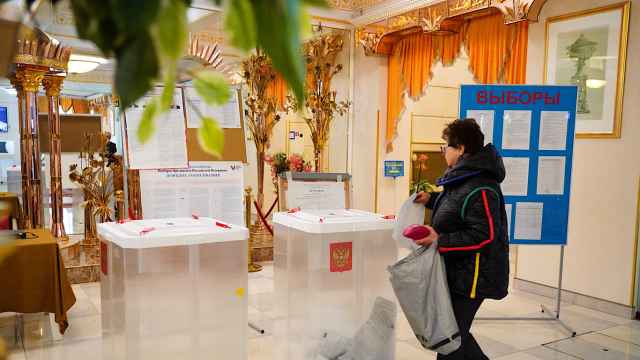
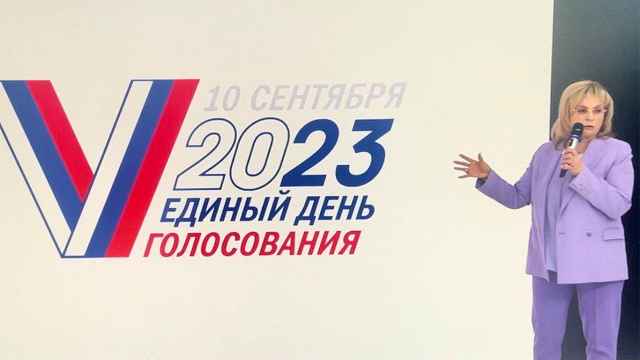
In less than two months, Russians will head to the polls to elect State Duma lawmakers in the first Duma election and second federal-level election overall since the full-scale invasion of Ukraine began in 2022.
Voters in the regions will also cast their ballots in local-level direct elections, including 11 gubernatorial, 39 parliamentary and 10 city council races.
Yet although the far-reaching effects of repeated Ukrainian drone strikes on critical infrastructure appear to be prompting more Russians to discuss the once-taboo topics of politics and the economy on social media, these shifts are unlikely to help the few hopefuls still trying to challenge the political status quo.
This year’s State Duma election is on track to feature a record low number of independent candidates. Just 79 people have been confirmed as independent nominees so far — some of whom are still struggling to collect the signatures required to register — compared to more than 170 in 2021 and 300 in 2016.
Yevgenia Kutsuyeva, a journalist and local activist from the republic of Bashkortostan’s capital Ufa, said Tuesday that her team managed to collect fewer than 1,000 out of 16,000 signatures that she has to submit to the Electoral Commission by Sunday.
With fewer than 0.2% of residents assigned to her single-member district agreeing to back her with signatures, Kutsueva said the public’s indifference forced some of her campaign’s volunteers to tears.
“I think this is a fair marker of the state of our society — both in Ufa and in Russia,” Kutsuyeva said in a video posted on Instagram on Tuesday.
“I have done more than I ever have during this campaign. I worked for 20 hours [a day], lost four kilos — though that is a plus. My total [social media] views reached 10 million people, so I can’t say that people didn’t know or didn’t see [the campaign],” she added.
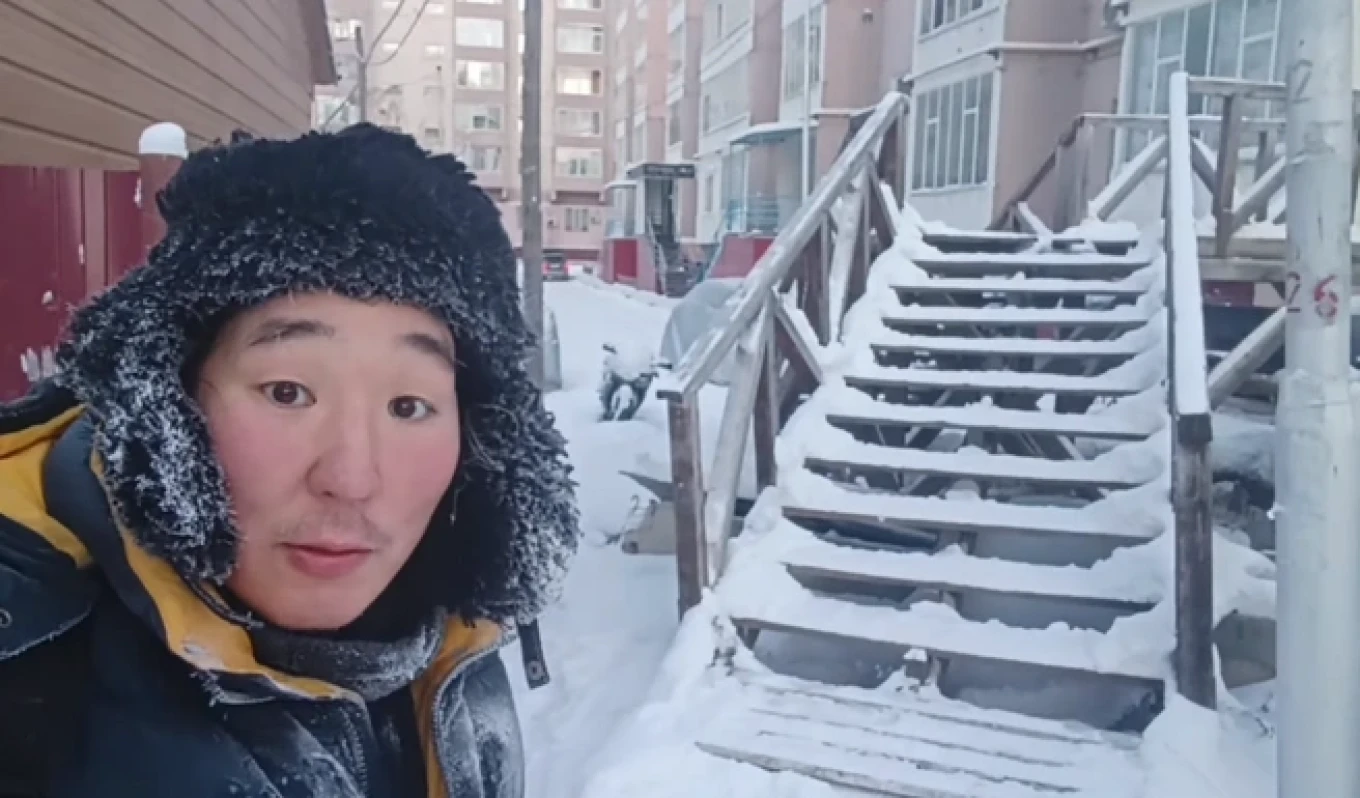
Thousands of kilometers east in the republic of Sakha’s capital Yakutsk, local volunteer Anton Vasilyev also abandoned his dream of joining the Russian parliament.
Vasilyev, who survived clinical death and has been living with a brain injury for the past 20 years, has built a sizable social media following by posting videos of himself cleaning the streets of Yakutsk and helping local families.
Though Vasilyev cited his social media presence and community service as his evident political assets in an interview with independent media outlet Potok earlier this year, few appeared to take his self-nomination seriously.
“When asked whether he would agree to vote for the laws as requested, Anton answered affirmatively. But only on the condition that he be allowed to remain in Yakutsk and do good deeds and not be forced to move to Moscow,” wrote Potok.
Vasilyev announced Wednesday that he was ending his campaign, noting that he had only collected 1,000 of the 20,000 signatures he needed to register.
“This is too hard…Let’s try next time. Thank you all for your support,” he said on Instagram.
Though nomination and candidate registration is still underway for most regional and local-level races, it is already possible to “predict their general trajectory,” electoral politics expert Stanislav Andreychuk said.
Held across 11 regions, last year’s elections to regional parliaments had 33 independent candidates, just 14 of whom made it past the nomination process. In 2020, the same 11 regions had 105 self-nominations with 35 independent candidates eventually competing, Andreychuk said.
“Running for office leads to the high risk of repression and low expected benefits even in the event of victory, so we've seen a sharp decline in the number of people willing to participate in elections over the past few years. This isn't just about independent candidates,” Andreychuk told The Moscow Times.
All elections in Russia have been scheduled for a single day in September for over a decade, resulting in a muted electoral campaign that overlaps with the peak of the summer holiday season.
“Voters are on vacation, at their dachas, so campaigning will generally start only in mid-August. But also…if there are few candidates, then there will be almost no campaigning,” Andreychuk explained.
“In addition, there is a clear aim of ‘drying out the turnout’ for federal elections. This can be seen on television, street campaigning and even on social media,” he added.
While the number of new social media posts mentioning political parties has fallen from 231,000 to 145,000 during the first four weeks of the campaign, engagement with these posts increased across all major platforms, including state-backed messenger Max, according to the independent monitoring project Electoral Atlas.
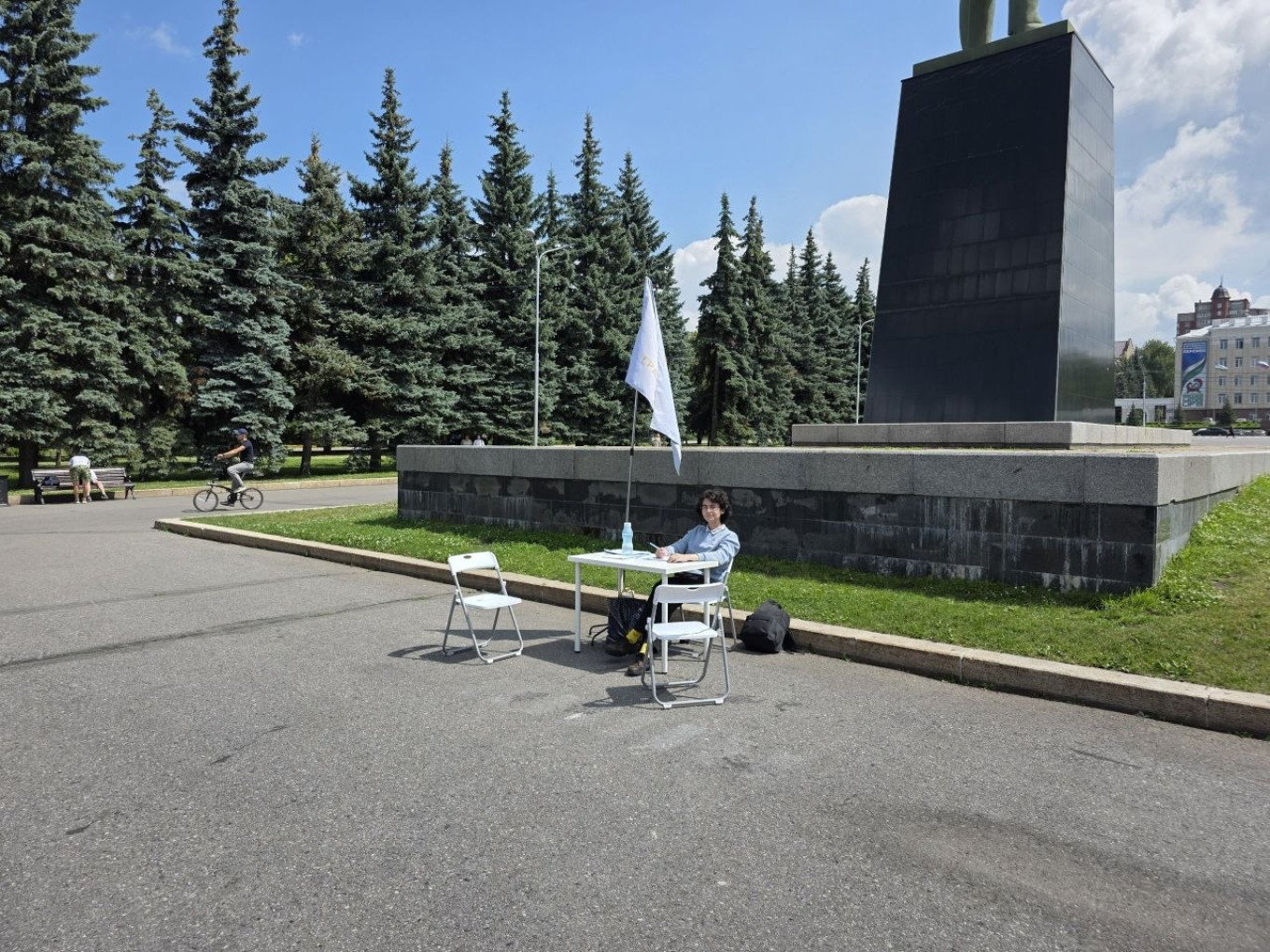
This data could be interpreted as a signal of growing public interest to engage in political discussions as the war’s economic and social costs have become harder to ignore.
Even so, it hardly changes anything for independent candidates, with the “systemic opposition” Communist and Liberal Democratic parties gaining the bulk of this engagement and views.
For some independents the struggle to overcome voter apathy is not the only problem. A number of these candidates have already come under direct pressure from security services, electoral officials and rival candidates hoping to keep unwanted challengers off the ballots.
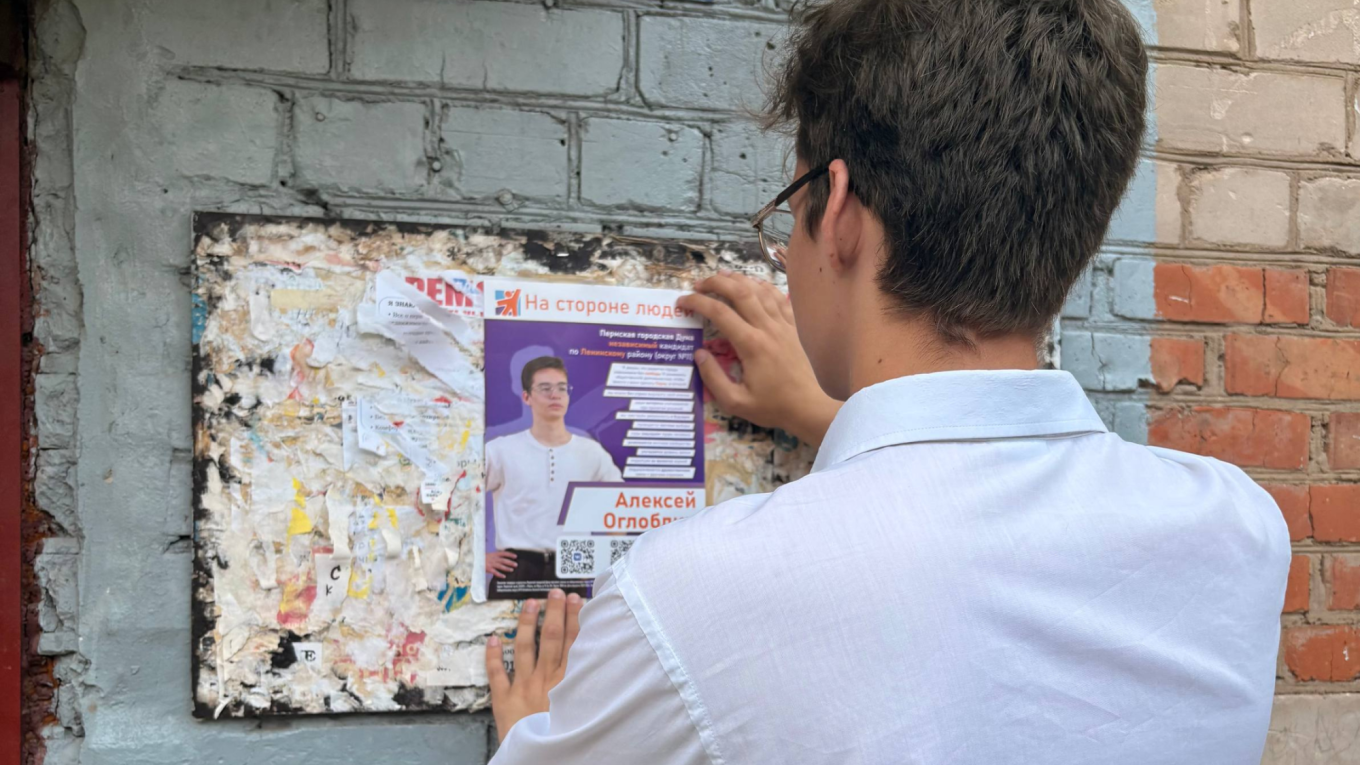
In the Ural Mountains city of Perm, 20-year-old city council candidate Alexei Ogloblin said rival candidates from “systemic opposition” parties tried to sabotage his campaign by stealing leaflets and using fake social media accounts to disrupt signature collection.
In nearby Chelyabinsk, urban planning blogger and activist Mikhail Popov abandoned his campaign for city council after injuring his spine while jumping from a second-floor window to flee police officers who had come to his home.
In St. Petersburg, independent city council hopeful Yaroslav Kostrov was sentenced to 10 days of arrest last week over a photo of a campaign leaflet that included logos and links to banned platforms Instagram and Facebook that he allegedly posted on social media five years ago.
This conviction makes Kostrov ineligible to stand in the election under Russian law.
Photo of the Week
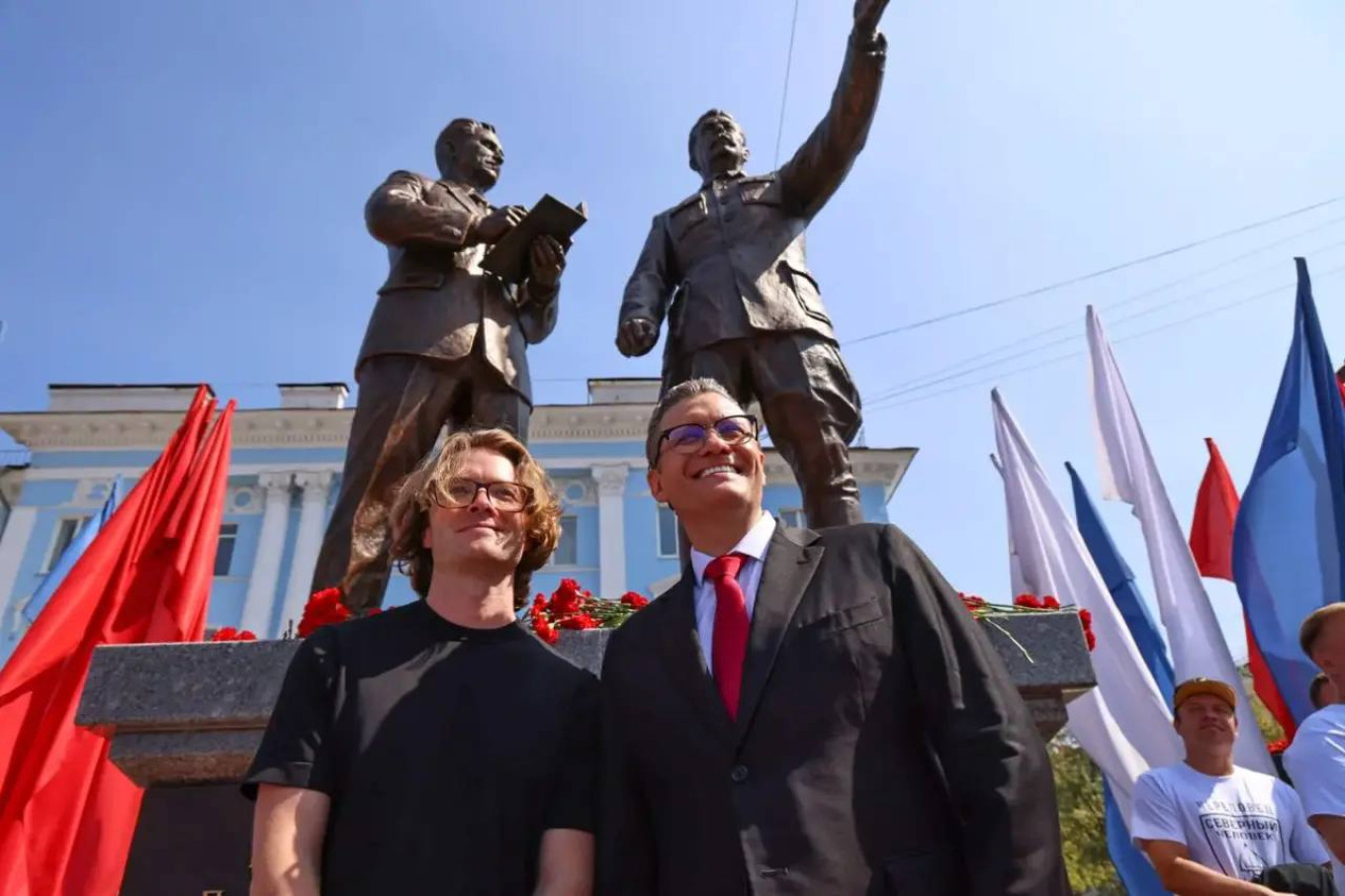
Vologda region Governor Georgy Filimonov and sculptor Ilya Korotchenko pose in front of a newly erected statue of Soviet dictator Josef Stalin and metallurgist Ivan Bardin during the opening ceremony in the city of Cherepovets on Sunday.
This is the fourth monument to Stalin to be erected in the region since Filimonov, a vocal supporter of the Soviet leader, assumed office in 2023.
- “Russia Is Gearing Up for Nationwide Elections. This Is What You Need to Know” by Moscow Times Reporter
- “Yabloko Candidates Disqualified in St. Petersburg Elections Over Missing Paperwork” by Mack Tubridy
- “Regions Calling: Kremlin Clamps Down on Communists Ahead of State Duma Elections” by Leyla Latypova
A Message from The Moscow Times:
Dear readers,
We are facing unprecedented challenges. Russia's Prosecutor General's Office has designated The Moscow Times as an "undesirable" organization, criminalizing our work and putting our staff at risk of prosecution. This follows our earlier unjust labeling as a "foreign agent."
These actions are direct attempts to silence independent journalism in Russia. The authorities claim our work "discredits the decisions of the Russian leadership." We see things differently: we strive to provide accurate, unbiased reporting on Russia.
We, the journalists of The Moscow Times, refuse to be silenced. But to continue our work, we need your help.
Your support, no matter how small, makes a world of difference. If you can, please support us monthly starting from just $2. It's quick to set up, and every contribution makes a significant impact.
By supporting The Moscow Times, you're defending open, independent journalism in the face of repression. Thank you for standing with us.

Remind me later.