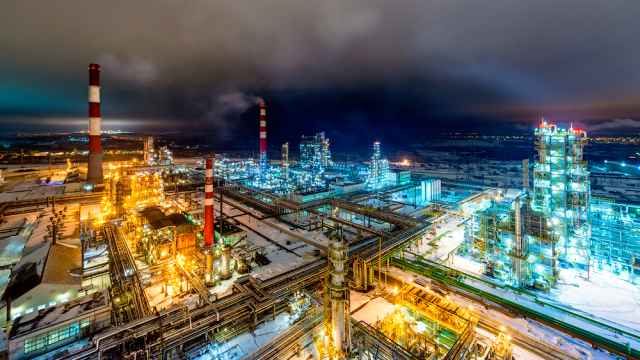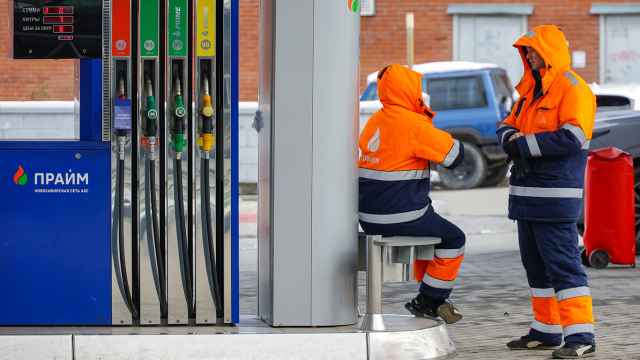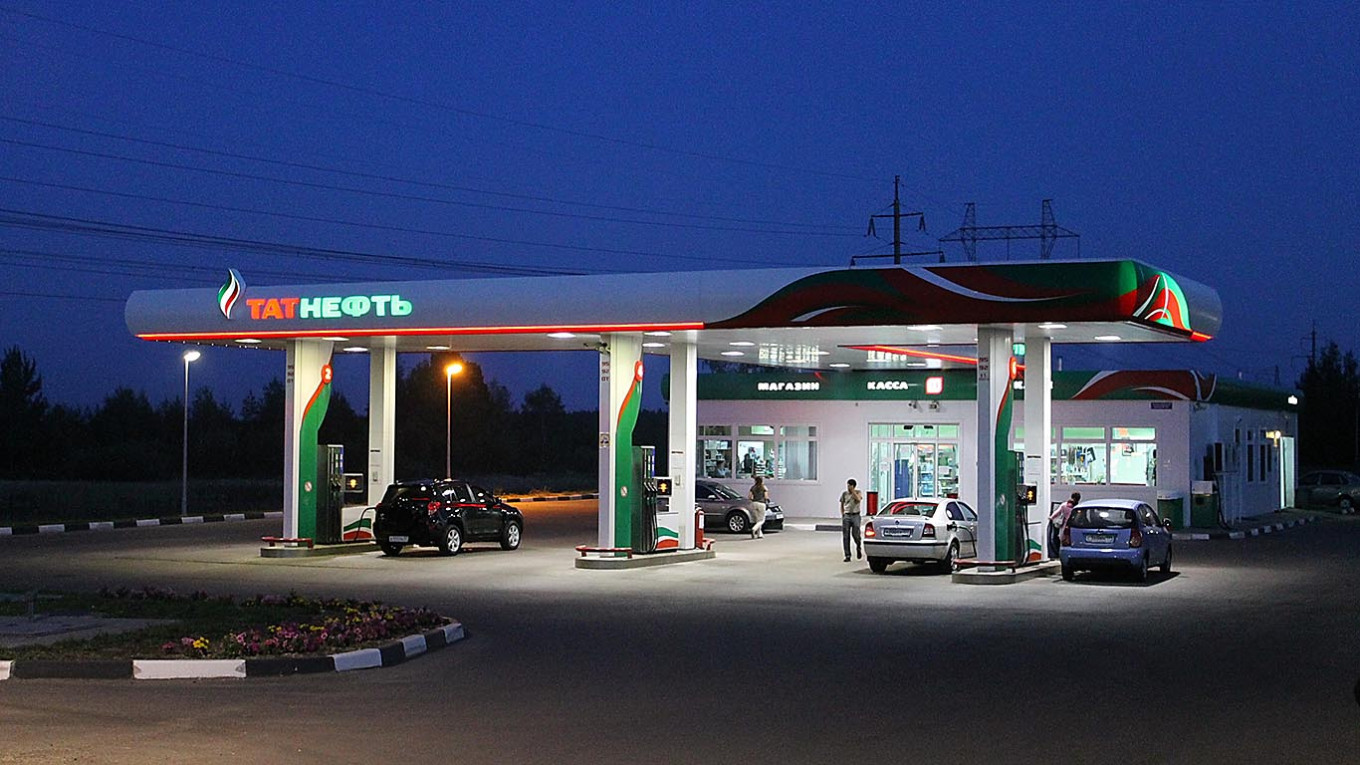
Tatneft, Russia’s fifth-largest oil producer, has placed strict limits on gasoline and diesel purchases at its gas stations nationwide, Russian media reported, a move that comes days after Ukrainian drones attacked one of the company’s refineries.
The Interfax news agency, citing a company representative, reported Tuesday that purchase caps have since been introduced across Tatneft’s entire network of roughly 800 gas stations.
It was not immediately clear how long the restrictions are expected to last.
In the Chelyabinsk region, for example, passenger vehicles are restricted to purchases of 30 liters (8 gallons) of gasoline and 60 liters (16 gallons) of diesel, according to Interfax.
Reuters reported even tighter limits in southern Moscow, where fuel caps were restricted to 20 liters for gasoline and 40 liters for diesel.
There were also conflicting reports about whether Tatneft was requiring purchases to be made in cash only. In comments to the St. Petersburg news outlet Fontanka, the company denied that customers could only pay in cash.
On Friday, Tatneft’s flagship Taneco refinery in the industrial city of Nizhnekamsk reportedly halted operations following a strike by Ukrainian drones.
Following news of the fuel rationing, Tatneft’s shares on the Moscow Exchange fell by more than 3% on Tuesday.
A growing number of Russian regions have seen local gas stations impose purchase limits in recent weeks. Russia’s Energy Ministry has acknowledged that there are gasoline shortages and blamed them on Ukrainian drone attacks against the country’s oil refineries and energy infrastructure.
While most rationing measures in Russia have so far appeared aimed at preventing panic-buying and hoarding, annexed Crimea is currently experiencing an acute shortage as Ukrainian attacks on fuel trucks have significantly disrupted deliveries to the peninsula, which does not have its own refineries.
Federal officials said last week that they have set up an “industry-wide task force” meant to ensure the “stable and efficient operation of the country’s entire energy sector.”
According to the latest weekly data from the federal statistics agency Rosstat, the average price of gasoline in Russia was 68.45 rubles per liter as of June 8, up 5.6% since the start of the year.
A ban on gasoline exports remains in force in Russia through July 31 to safeguard local supplies and combat rising prices.
A Message from The Moscow Times:
Dear readers,
We are facing unprecedented challenges. Russia's Prosecutor General's Office has designated The Moscow Times as an "undesirable" organization, criminalizing our work and putting our staff at risk of prosecution. This follows our earlier unjust labeling as a "foreign agent."
These actions are direct attempts to silence independent journalism in Russia. The authorities claim our work "discredits the decisions of the Russian leadership." We see things differently: we strive to provide accurate, unbiased reporting on Russia.
We, the journalists of The Moscow Times, refuse to be silenced. But to continue our work, we need your help.
Your support, no matter how small, makes a world of difference. If you can, please support us monthly starting from just $2. It's quick to set up, and every contribution makes a significant impact.
By supporting The Moscow Times, you're defending open, independent journalism in the face of repression. Thank you for standing with us.

Remind me later.