
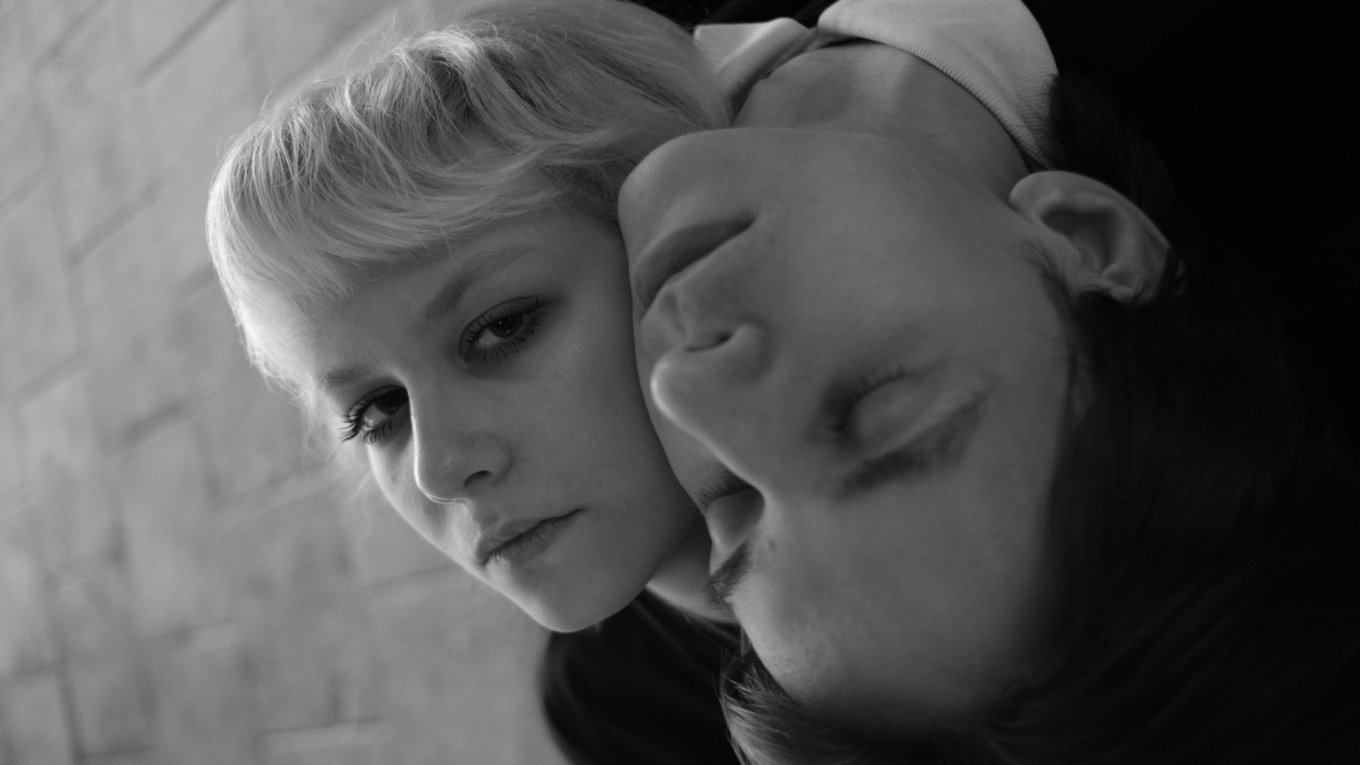
The young St. Petersburg band Stoptime were teenagers when the Kremlin sent troops into Ukraine in February 2022.
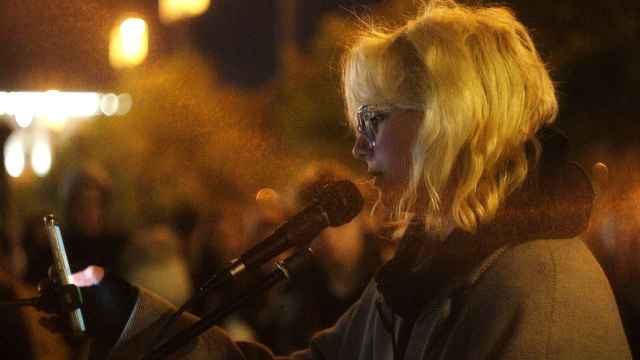
Last fall, their street performances of popular songs by exiled anti-war artists drew large crowds on the streets of their hometown — and caught the authorities’ attention. Vocalist Diana Loginova, 19, who performs under the stage name Naoko, guitarist Alexander Orlov, 23, and drummer Vladislav Leontyev, 19, were repeatedly jailed over their performances in a tactic known as “carousel arrests.”
The musicians’ ordeal sparked a wave of support, including performances by fellow street musicians across the country who were themselves also prosecuted.
Loginova and Orlov, who are now engaged, left Russia in November, while Leontyev quit the band and stayed in the country.
Today, the young musicians are working to rebuild their life and music career in Europe.
The Moscow Times spoke with Loginova and Orlov about emigration, anti-war sentiment in Russia and their plans for the future.
MT: What are you doing in emigration?
Diana Loginova: Right now, we’re quite busy. We’re working on music, preparing to release an album — writing songs, finishing everything. We’re also working on press materials and rehearsing for a festival. Some of the songs were written in Russia and completed here, while others were written in emigration entirely. ...
The album is about hope, love and freedom — about what an ordinary person needs and what helps to get through difficulties and the darker periods of life.
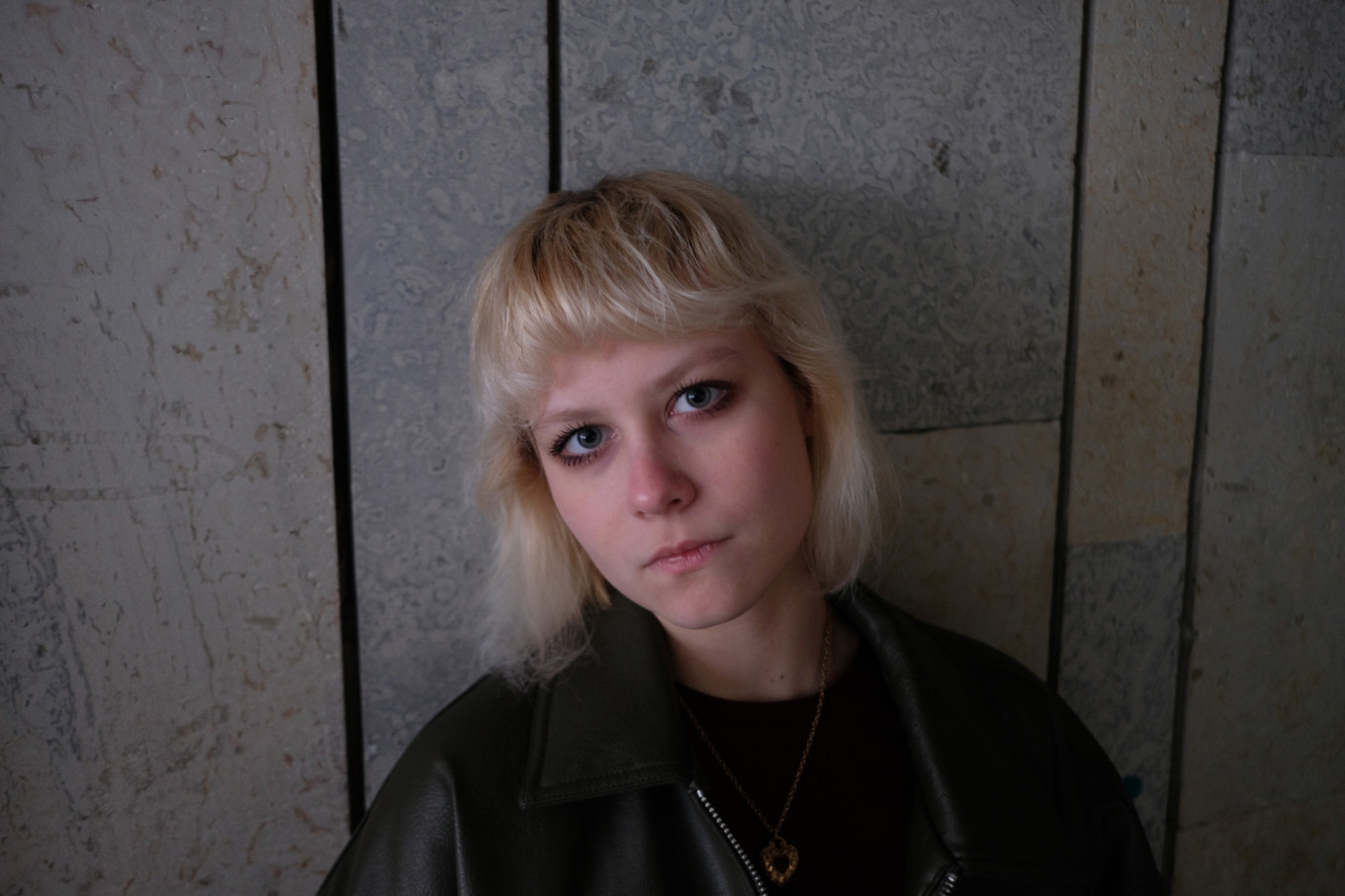
MT: Now that you are outside Russia, who are you making your music for?
Alexander Orlov: We wrote one song in Ukrainian and I think this is a step toward finding a new audience and reaching listeners in other languages. We already have listeners in Russia and Belarus and now in emigration as well. But of course, our plan is to reach all of them and also build a new audience among international listeners.
DL: For example, in Germany, people are very open to songs in Russian. We’ve already performed there, playing covers of anti-war artists and our own songs. So we do want to develop at that level as well. Some music can be understood even if you don’t speak the language — it comes through emotionally and musically. We haven’t really thought about potential setbacks after the album’s release yet. We are focusing on the positive possibilities and hope as many people as possible will listen to it.
In Norway, where we performed, about half the audience was foreign, including Norwegians. They didn’t even understand what we were singing about because we didn’t have subtitles, but they still received the songs very warmly. ... In Lisbon, Barcelona, Berlin and Paris, where we had shows during our small tour with our own songs, there were many Russian-speaking people who understood what we were singing about. So there was a very warm response overall.
We cannot fully answer the question yet — we’re still navigating it ourselves. We write music regardless of a specific audience. It comes from the heart, from the soul.
MT: Did you think about emigrating before the wave of arrests last fall?
DL: Before, I imagined going to a conservatory in St. Petersburg, but beyond that I didn’t really know what would happen or what I would do with my career. When I started performing on the streets, I knew that I wanted to develop the band in Russia while expressing our views — perhaps less openly than we do now, but still giving people a breath of fresh air. Emigration has accelerated the creative process, because we feel more responsibility to our listeners and all the difficulties that have happened have also become a source of inspiration. If I had stayed in Russia, I would still have wanted to develop the band and release music, but it would have been slower and possibly more difficult.
MT: Why more difficult?
DL: Because of censorship. If we released music through a label or independently in Russia, we would have to comply with every law including those that are not clearly written but still effectively exist. There are some unwritten rules that hang in the air rather than an actual prohibition. A lot of my musician friends who stayed in Russia have had songs rejected due to censorship.
AO: Some musicians had to make two versions of a track: one for Russian platforms and one for international ones.
DL: Take songs in Ukrainian, for example. The Ukrainian language itself is not banned and it would be strange to ban a language in the first place. But if people do end up listening to our album, the song in Ukrainian will inevitably get more attention. So there is a certain degree of self-censorship when it comes to language. The same applies to any mention of the war or people's experiences of living through the war. It doesn’t even have to be a direct political statement — any vague reference can attract attention. None of this is formally prohibited, but labels and listeners alike tend to scrutinize it more closely. ...
Of course, Russian labels are just trying to survive in this new situation and stay cautious so they can keep releasing music. But we now have the opportunity to release music freely, and we really value that. I think that makes things easier for us now.

MT: If you had known when you first started how everything would turn out, would you still have performed anti-war songs on the street?
AO: Maybe we would have been a bit more careful in choosing songs. Perhaps we wouldn’t have played ‘Swan Lake’ [exiled rapper Noize MC’s hit song ‘Swan Lake Cooperative,’ a reference to the Soviet collapse] or ‘It Will Pass’ [by exiled rock band Pornofilmy].
DL: I don’t think I would have been more cautious or selective about the songs I performed. To me, those songs were and remain symbols of freedom and love. There is nothing ‘extremist’ or ‘terrorist’ about them. ... ‘Swan Lake’ was still available for about another month on Russian music platforms even after we were arrested. It’s difficult to imagine what we would have done if we had known in advance, because there were genuinely no warnings and no signs, at least from my perspective. I sincerely believed — and still believe — that these songs carry only light and hope.
MT: Emigration is an extremely difficult process that affects not only you, but also your loved ones. Knowing now where it would ultimately lead, would you still have taken that step for the sake of your art?
DL: It’s difficult for me to answer that question because it was impossible to imagine that anyone would consider these songs controversial or risky or that street performances themselves would be viewed as risky.
AO: During the whole time we were performing, there were only three people who ever complained about our songs — two drunk men and one police officer. But nobody considered our performances to be political rallies.
DL: Street performances are part of St. Petersburg’s cultural identity. Nobody ever viewed them as something prohibited or dangerous. Most of the songs we performed are still being sung today and they were sung long before us. Perhaps other musicians didn’t focus their repertoire on those songs as much as we did, but we did because we genuinely loved them. If you don’t really love a song, why perform it? That’s how I see it.
The only thing that truly hurts now is not being able to see my family and friends. But I think that, sooner or later, children leave their parents anyway. Quite often they move to cities that are very far from where they grew up. So I try to see it simply as a very long distance. Of course, it’s painful not being able to see my family members who remain in Russia as often as I’d like. But I hope that, in time, we’ll find a way to overcome that.
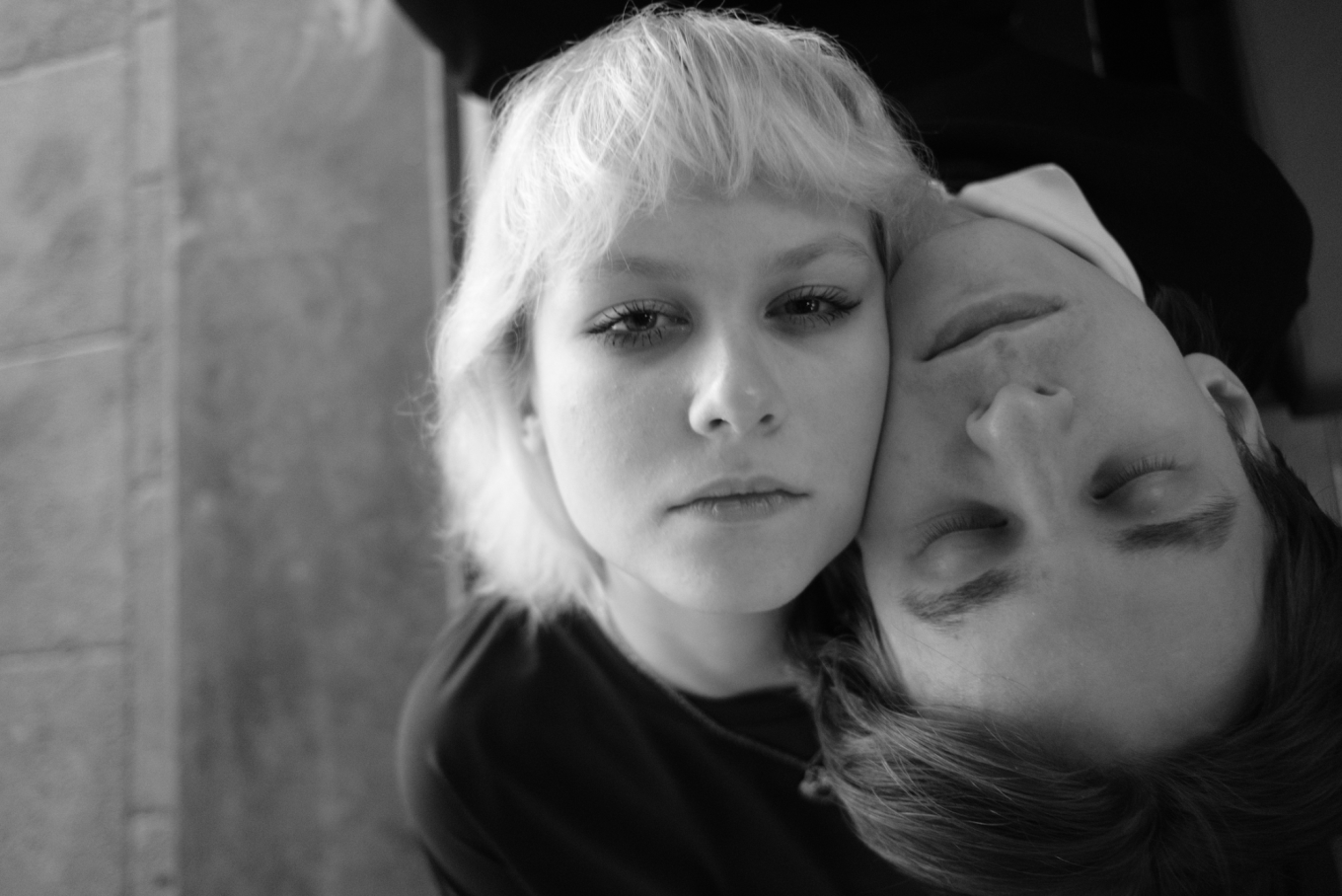
MT: When the war began, you were still very young. Naoko, you were only 14. How do you think the generation that came of age during the war perceives it?
DL: I think there’s a big difference between being 14 and being 7 when all of this began and propaganda started entering schools. Older students who were close to finishing school generally saw — and still see — the war as something unimaginable.
Growing up, especially if you lived in or near St. Petersburg, we were constantly taught about wartime history, especially the Siege of Leningrad. The central lesson of it all was that war must never be repeated and that we should always cherish the peaceful skies our ancestors secured for us.
Then the war began. It was immediately presented not as a war, but as the ‘special military operation.’ I think many older teenagers felt that they could simply ignore it, avoid propaganda and continue living their lives as they cannot change anything. For younger children, it’s different. They encounter propaganda from an early age and children absorb it more easily because their worldview is still being formed, and it is often reinforced by their parents. That’s frightening. Especially for children whose parents are fighting in the war — they become even more immersed in the subject and may develop hostility toward the supposed enemies described by propaganda. Children are much easier to influence.
AO: I was 18 when the war began, so I was already an adult. We mostly tried to adapt. We learned how to avoid new restrictions. But I really felt a sense of hopelessness in 2025 during the major internet shutdowns.
DL: I think people simply adapt if they don’t feel they have the strength to protest. From the very start of the war, there were plenty of examples showing what could happen if someone openly expressed dissent. People don’t want to go to prison, and that’s understandable. So they adapt. I tried to adapt too, although it didn’t work very well for me.
MT: How do you think your story has influenced the younger generation of Russians?
AO: From what I see among my friends, many have started thinking about moving at least to nearby countries — Georgia, Armenia, Kazakhstan — just to be further away from Russia, because they feel increasingly constrained by a heavy-handed system that frustrates them. And there is also censorship and this sense of ‘One wrong step and you’re punished.’
DL: My closest friends are planning to stay in Russia. Even though they are against the war and openly express their views, they still want to continue their musical education in St. Petersburg and Moscow.
But after the drone strike in St. Petersburg [during the St. Petersburg International Economic Forum], they started thinking that the next strike could hit their home. That doesn’t necessarily mean they want to leave, but it shows people want change, even though they feel unable to change anything. This [frustration] creates a kind of enclosed world where they try to hide, but that world isn’t permanent and any trigger could push someone toward action or even emigration.
Still, those among my friends who choose to stay in Russia are people who genuinely want to improve things there.
A Message from The Moscow Times:
Dear readers,
We are facing unprecedented challenges. Russia's Prosecutor General's Office has designated The Moscow Times as an "undesirable" organization, criminalizing our work and putting our staff at risk of prosecution. This follows our earlier unjust labeling as a "foreign agent."
These actions are direct attempts to silence independent journalism in Russia. The authorities claim our work "discredits the decisions of the Russian leadership." We see things differently: we strive to provide accurate, unbiased reporting on Russia.
We, the journalists of The Moscow Times, refuse to be silenced. But to continue our work, we need your help.
Your support, no matter how small, makes a world of difference. If you can, please support us monthly starting from just $2. It's quick to set up, and every contribution makes a significant impact.
By supporting The Moscow Times, you're defending open, independent journalism in the face of repression. Thank you for standing with us.

Remind me later.