The Russian government has introduced export controls on Helium until the end of 2027 after the war in Iran sparked a global shortage of the rare gas, which is used in everything from semiconductor production and medical imaging to rocket fuels and welding.
Russia is the world’s third-largest helium producer behind Qatar and the United States, according to 2025 U.S. Geological Survey data. Helium is a byproduct of natural gas processing, which has seen major disruptions in Qatar due to the war in Iran, leading to a surge in spot prices.
Under the new measure, exports of helium to countries outside the Moscow-led Eurasian Economic Union will require oversight by the Industry and Trade Ministry and direct approval from Prime Minister Mikhail Mishustin or his deputies.
Russian officials said the export regime is intended to prioritize supply stability in the domestic market, according to media reports.
The export controls were enacted as part of a broader executive order signed by President Vladimir Putin shortly after the 2022 invasion of Ukraine, which outlined “special economic measures” to insulate the Russian economy from Western sanctions.
While a formal decree had not been published on the government’s website as of Tuesday afternoon, the Interfax news agency reported that the controls would take effect immediately upon publication.
Last week, Mishustin chaired a strategic meeting on fuel and energy in which he warned that, besides driving up global oil and gas prices, the Iran war was tightening supplies of helium and other critical resources.
“The production of medical equipment, semiconductors, AI systems, plastics, packaging, medical engineering components and many other items is under threat,” the prime minister said.
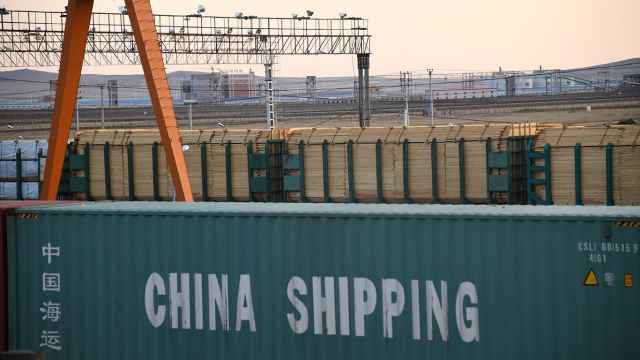
Russia’s largest helium production site is at Gazprom’s Amur Gas Processing Plant, located near the border with China, which is the largest buyer of Russian helium.
A Message from The Moscow Times:
Dear readers,
We are facing unprecedented challenges. Russia's Prosecutor General's Office has designated The Moscow Times as an "undesirable" organization, criminalizing our work and putting our staff at risk of prosecution. This follows our earlier unjust labeling as a "foreign agent."
These actions are direct attempts to silence independent journalism in Russia. The authorities claim our work "discredits the decisions of the Russian leadership." We see things differently: we strive to provide accurate, unbiased reporting on Russia.
We, the journalists of The Moscow Times, refuse to be silenced. But to continue our work, we need your help.
Your support, no matter how small, makes a world of difference. If you can, please support us monthly starting from just $2. It's quick to set up, and every contribution makes a significant impact.
By supporting The Moscow Times, you're defending open, independent journalism in the face of repression. Thank you for standing with us.

Remind me later.