

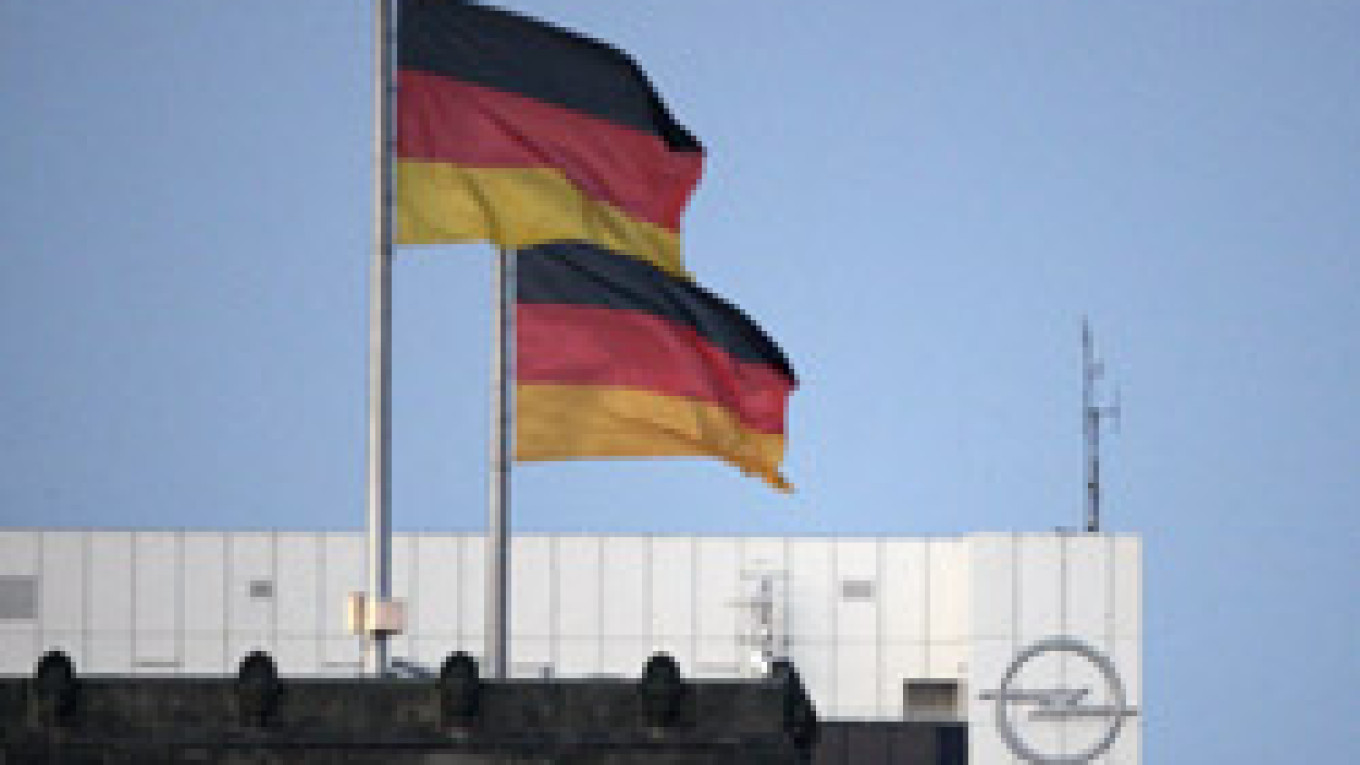
Negotiations over Opel, which GM is selling as part of a government-orchestrated restructuring, have dragged on for months, fueling anger among its 50,000 European workers, half of which are in Germany.
GM was expected to reach a decision Friday on whether to sell Opel to a consortium of Magna and Sberbank, Berlin’s favored bidder, or to rival RHJ International, but failed to make its choice clear. The German government said Monday that it would invite a member of the GM board to Germany to discuss Opel this week but played down prospects of a quick agreement.
A U.S. government official said President Barack Obama’s administration was available to talk to the German government on the matter but made clear the decision on a buyer would be left up to GM.
Opel labor leader Klaus Franz then raised the stakes by threatening “spectacular measures” if GM did not make up its mind soon. “We have been calm so far, listened diligently and made comments, but that is over now,” Franz said on German radio Monday.
Merkel’s spokesman Ulrich Wilhelm, speaking to reporters at a government news conference, tried to calm the row, saying it was important not to resort to confrontation. “I can understand that the Opel workers want to have clarity quickly about the way ahead,” Wilhelm said. “On the other hand, the decision is complex.
“I think staying calm to preserve a good negotiating climate is in the interests of all sides,” he added.
Wilhelm said he had no indications that GM was rethinking its decision to sell Opel after recurring reports over the past weeks that some board members would prefer to keep the carmaker.
A Message from The Moscow Times:
Dear readers,
We are facing unprecedented challenges. Russia's Prosecutor General's Office has designated The Moscow Times as an "undesirable" organization, criminalizing our work and putting our staff at risk of prosecution. This follows our earlier unjust labeling as a "foreign agent."
These actions are direct attempts to silence independent journalism in Russia. The authorities claim our work "discredits the decisions of the Russian leadership." We see things differently: we strive to provide accurate, unbiased reporting on Russia.
We, the journalists of The Moscow Times, refuse to be silenced. But to continue our work, we need your help.
Your support, no matter how small, makes a world of difference. If you can, please support us monthly starting from just $2. It's quick to set up, and every contribution makes a significant impact.
By supporting The Moscow Times, you're defending open, independent journalism in the face of repression. Thank you for standing with us.

Remind me later.