

So what happened? Italians never drink tea after lunch, only coffee. And if you don't think that's a big deal, then you just don't appreciate the Italian soul. My experiences confirmed Kostyukovich's observations more than once. One time, I went to an establishment labeled a pizzeria and asked the waitress if I could get a pizza. She looked flabbergasted. "Well, yes," she said, "in the evening." The problem? It was lunchtime, but pizza is not eaten at lunch. On another occasion, a waiter listened to me very politely, nodded and then brought a dinner that had nothing in common with my order, saying at each course: "It's not a meal. Just to have a taste while you're waiting." I must confess the food was fantastic. Kostyukovich says the only real choice a foreign visitor has is between meat and fish.
The book has chapters about certain products that are universal for Italy, such as olive oil or pasta, but otherwise it is structured by regions, from the exquisite tastes of Tuscany to the down-to-earth simplicity of Calabria. Like any good food writer, Kostyukovich sometimes digresses into culture and literature. A funny piece of trivia: Dante's famous lament about the bitter bread of exile ("salty," not "bitter," in the Italian original) was actually just a complaint about salted Ravenna bread compared with the unflavored dough of his native Florence.
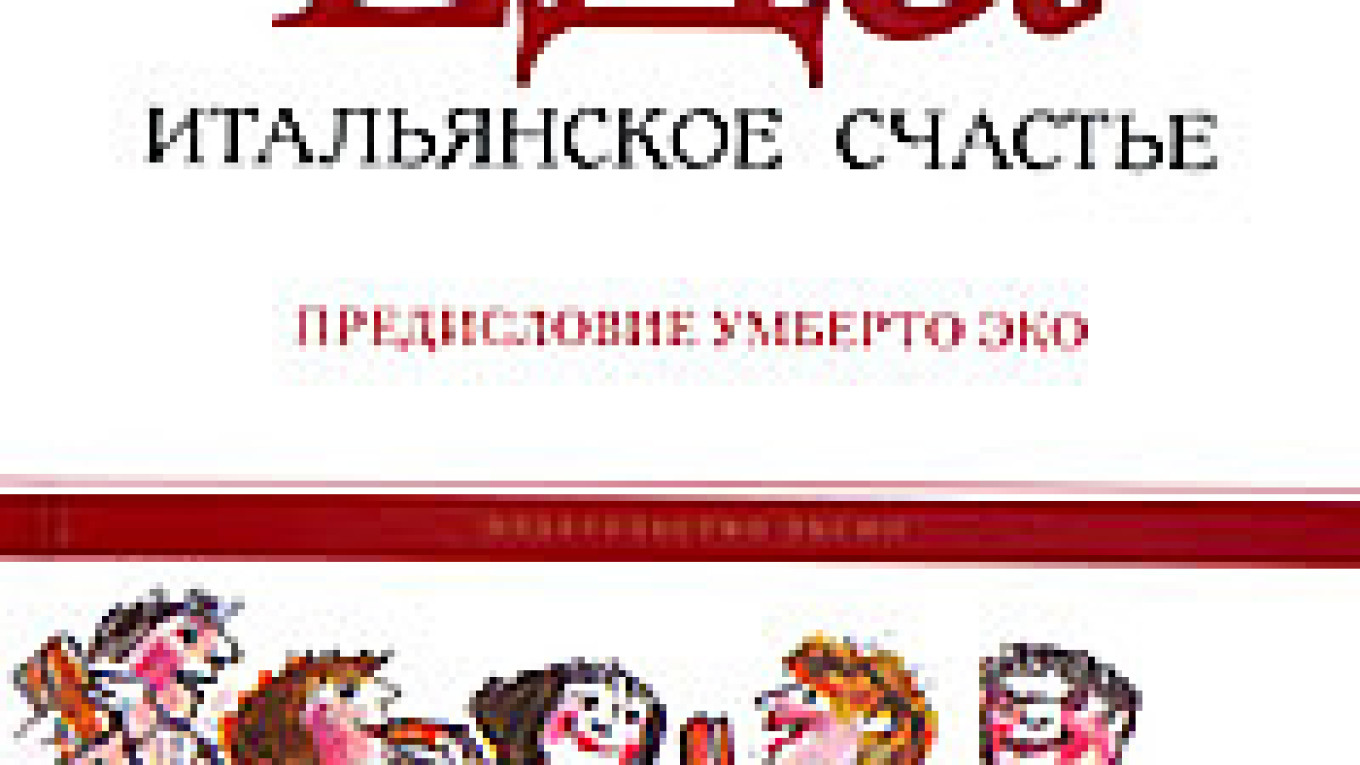
If there's one shortcoming in Kostyukovich's book, it's that she does not include a single recipe. But Italian cookbooks are a dime a dozen, while a socio-cultural guidebook centered on food is something totally new for Russia. And other nations will soon enjoy it too. "Food: Italian Bliss," commended in a foreword by Umberto Eco himself, is a part of a major international project, and will soon be published in several other languages. It seems so right. After all, there is no better way to overcome national and cultural differences than over a meal.
A Message from The Moscow Times:
Dear readers,
We are facing unprecedented challenges. Russia's Prosecutor General's Office has designated The Moscow Times as an "undesirable" organization, criminalizing our work and putting our staff at risk of prosecution. This follows our earlier unjust labeling as a "foreign agent."
These actions are direct attempts to silence independent journalism in Russia. The authorities claim our work "discredits the decisions of the Russian leadership." We see things differently: we strive to provide accurate, unbiased reporting on Russia.
We, the journalists of The Moscow Times, refuse to be silenced. But to continue our work, we need your help.
Your support, no matter how small, makes a world of difference. If you can, please support us monthly starting from just $2. It's quick to set up, and every contribution makes a significant impact.
By supporting The Moscow Times, you're defending open, independent journalism in the face of repression. Thank you for standing with us.

Remind me later.