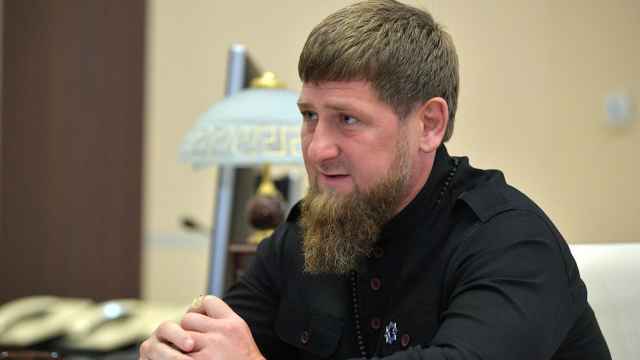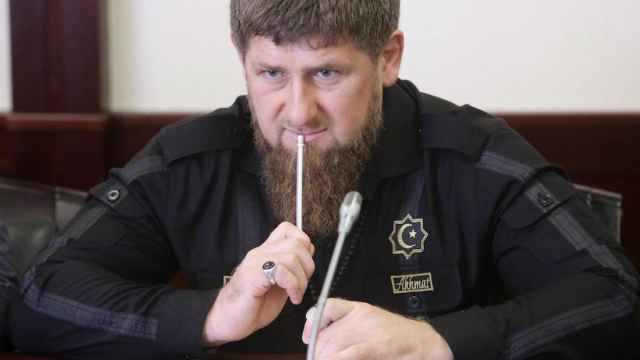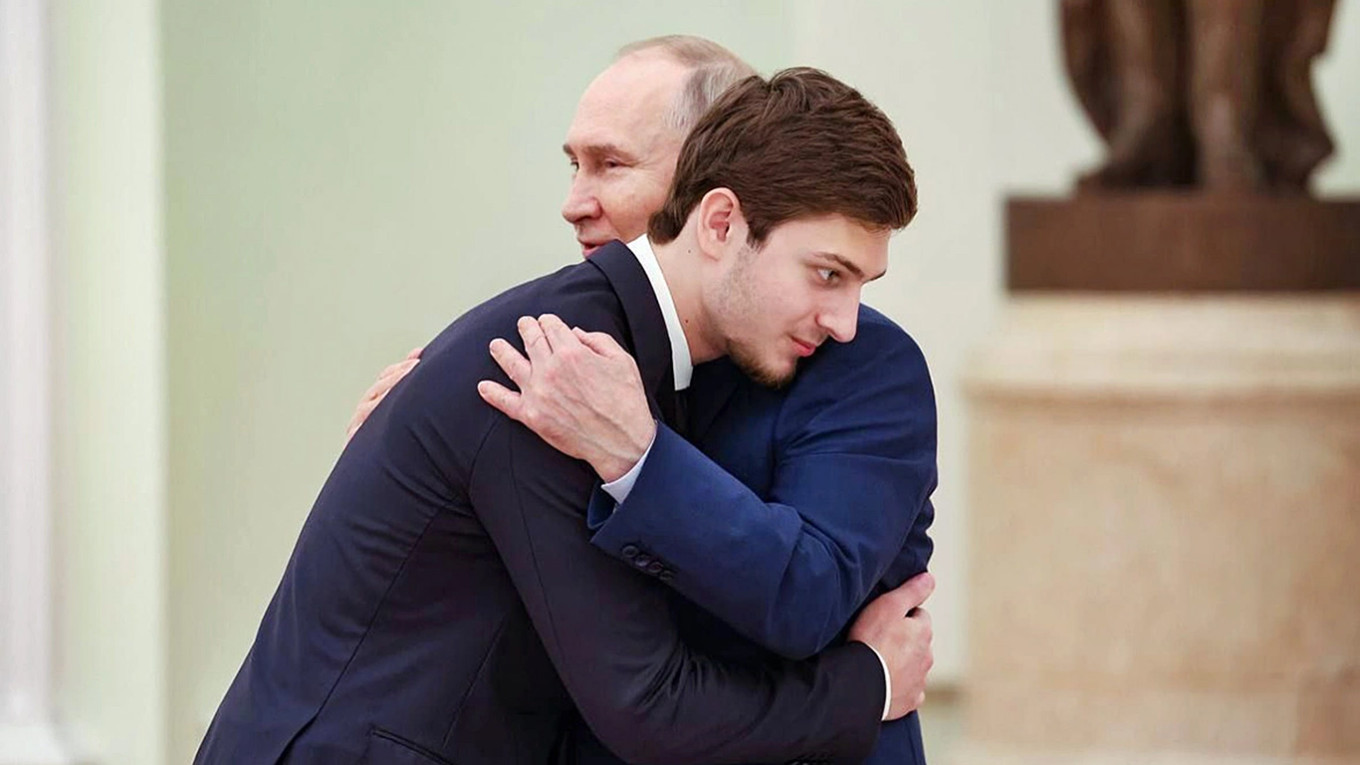
One of the sons of Chechen leader Ramzan Kadyrov received Serbian citizenship last year under an alias, according to the Anti-Corruption Foundation (FBK), an investigative group founded by the late Kremlin critic Alexei Navalny.
Ali Kadyrov, using the alias Ali Ramzanovich Musayev, was naturalized per a decree signed by Serbia’s prime minister and published on July 10, 2025, in the country’s official gazette.
The Serbian government waived language and residency requirements for Ali Kadyrov under a fast-track procedure for foreigners deemed to represent a “special interest” to the country, FBK said in an investigation published on Tuesday.
FBK said it matched Ali Kadyrov’s Dec. 14, 2006, birthdate and his birthplace of Tsentoroy, the same village where Ramzan Kadyrov was born and raised, to identify him as the Chechen leader’s son.
The exiled investigative outlet Agentstvo used leaked Russian civil registry and state service records to corroborate that 18-year-old Ali Kadyrov had officially changed his last name to Musayev.
The last name Musayev is derived from the patronymic of Kadyrov’s wife, Medni Musayevna Kadyrova. FBK and Agentstvo reported that Kadyrova and her other children have also used the last name Musayev to travel abroad anonymously on private jets.
FBK said it submitted petitions to the government in Belgrade and the EU demanding Ali Musayev’s passport be revoked.
Serbian and Chechen officials have not yet commented on the report.
The FBK investigation follows earlier reporting by IStories, another exiled news outlet, showing that Serbia naturalized more than 200 Russians between 2022 and early 2025. They included executives at sanctioned defense firms and banks, as well as figures linked to the Kremlin.
Serbia previously revoked the citizenship of Kadyrov’s nephew Yakub Zakriyev in April of this year after journalists reported on his naturalization, according to IStories.
A Message from The Moscow Times:
Dear readers,
We are facing unprecedented challenges. Russia's Prosecutor General's Office has designated The Moscow Times as an "undesirable" organization, criminalizing our work and putting our staff at risk of prosecution. This follows our earlier unjust labeling as a "foreign agent."
These actions are direct attempts to silence independent journalism in Russia. The authorities claim our work "discredits the decisions of the Russian leadership." We see things differently: we strive to provide accurate, unbiased reporting on Russia.
We, the journalists of The Moscow Times, refuse to be silenced. But to continue our work, we need your help.
Your support, no matter how small, makes a world of difference. If you can, please support us monthly starting from just $2. It's quick to set up, and every contribution makes a significant impact.
By supporting The Moscow Times, you're defending open, independent journalism in the face of repression. Thank you for standing with us.

Remind me later.