
Peter, a 24-year-old man from Pakistan, moved to Russia to study medicine in 2020. Four years later, he’d be lying on a hospital bed with stitches in his feet, the result of being caught in an explosion on the front lines in Ukraine.
“When I signed the contract, I didn’t know this would happen,” he said of his experience fighting for the Russian military in a recent interview from a different country, requesting to use a pseudonym due to safety concerns. “I wouldn’t have signed it for any amount, for any passport.”
Like tens of thousands of other foreigners, Peter went to Russia in search of a better life. Instead, he says, he found only misery after being deceived into joining the military to help Moscow wage its brutal war of aggression against Ukraine.
So he fled.
Nearly five years into the full-scale war, Russia’s military increasingly depends on foreign recruits. But as the conflict drags on, they’ve joined their fellow Russian combatants in deserting from their units, a desperate and often harrowing decision.
The risks for all deserters are steep. If caught, they face up to 10 years in Russian prison.
But for foreign recruits, who may number as high as 27,000, desertion comes with its own unique challenges. Many face legal persecution in their home countries, an international system that is reluctant to help and staggering uncertainty.
Peter’s story shares similarities with those of others who came to Russia and joined the military: limited options at home, the promise of unbridled opportunity in a major global power, a shady recruiter, a battlefield injury and a desperate escape.
During two interviews with The Moscow Times, Peter described an experience that divided his life into before and after, derailing any semblance of a plan for his future.
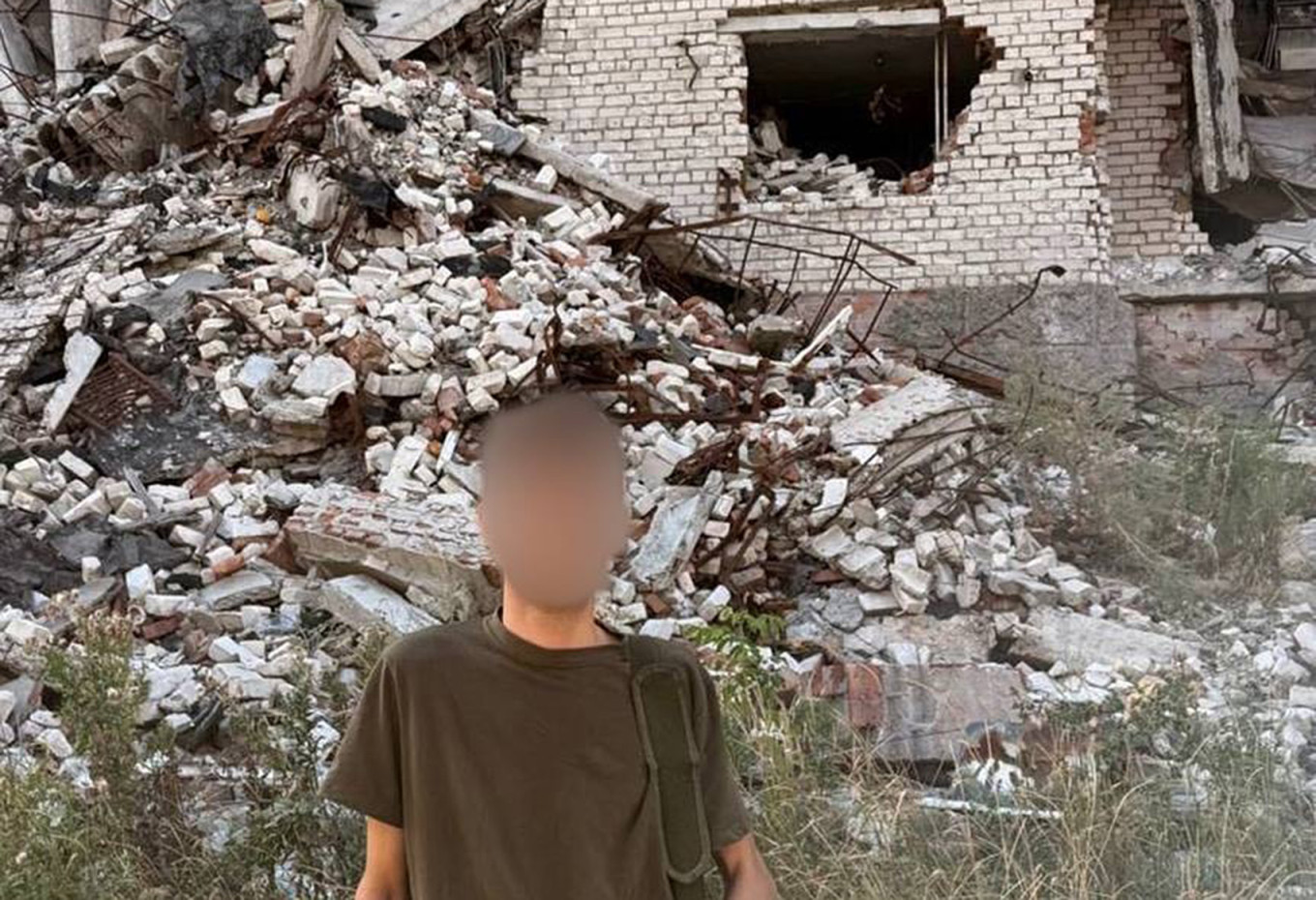
He asked that some details about his story be withheld due to security concerns, but provided documentation to support his claims, including a copy of his military contract, medical records and photos from his time serving.
A long road to the army
Originally from a small city in Pakistan, Peter always knew he wanted to be a doctor. It’s a profession that runs in the family. But when it came time to begin his studies, the price of education in his home country was too steep.
He found a promising opportunity abroad: a university in Krasnodar, the large southern Russian city located some 200 kilometers (124 miles) west of annexed Crimea, where he could get a medical degree for an affordable price. He arrived in 2020.
Peter enjoyed his time in Russia. In between making friends and learning the language, he contemplated a future in which his degree afforded him options in Russia or elsewhere. But when his family told him they could no longer send financial support, his education was thrown into doubt.
That was when a friend, also a medical student in Krasnodar, told him about a way he could make things work. He could join the Russian military for a year, gain real-world experience by working in a hospital and receive Russian citizenship. He was led to believe he would then be entitled to some kind of scholarship to finance the remainder of his studies. There was no talk of potentially fighting in the war.
Looking back, Peter believes that’s where it all went wrong.
“My life changed from how it was before to how it is now,” he said of the moment he signed a one-year military contract.
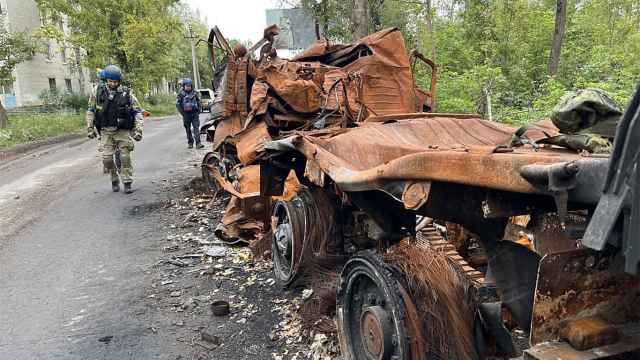
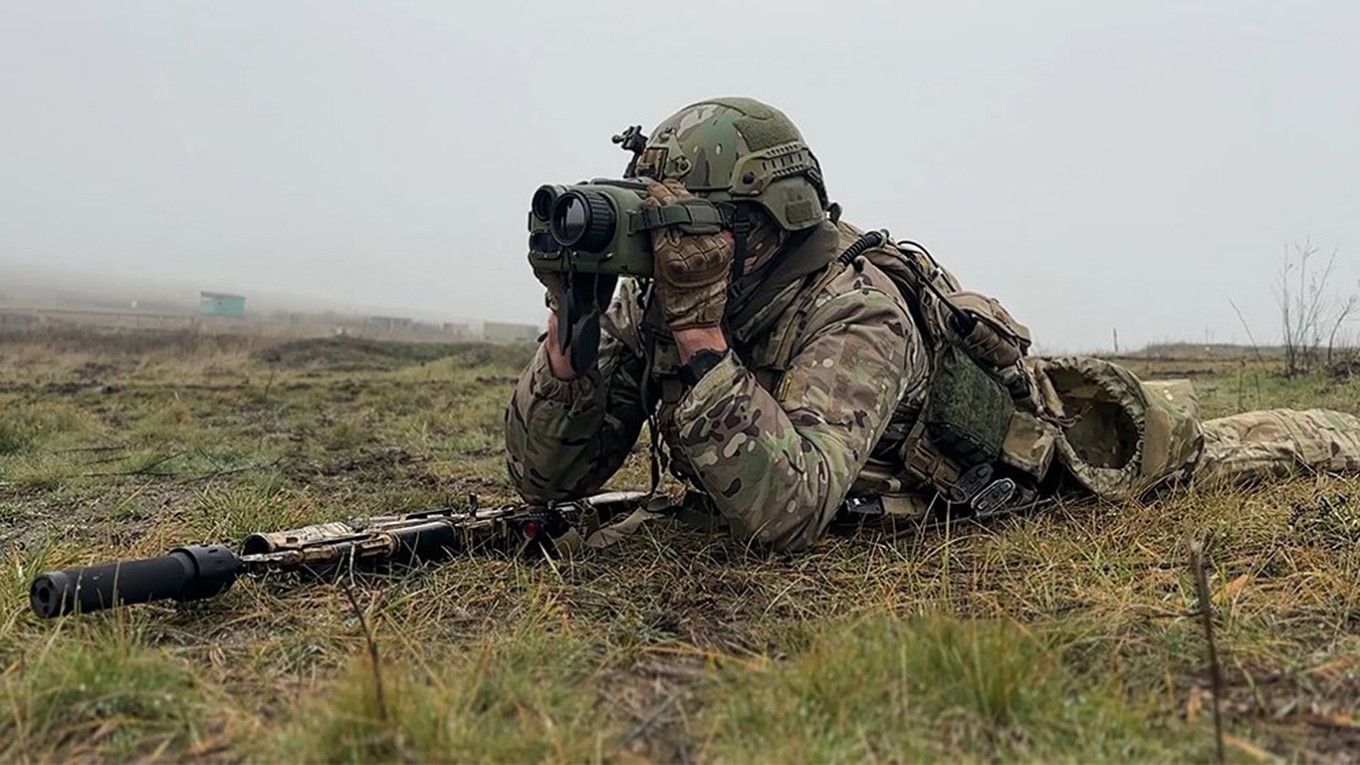
Instead of working in a hospital, Peter was told for the first time that he would be sent to Ukraine. He fretted and protested, but it was ultimately futile. After a few weeks of training, Peter was sent to Donetsk, the Russia-occupied Ukrainian region that has been the epicenter of fighting during the full-scale invasion.
“I said, ‘No, I don’t want to go’,” Peter told The Moscow Times. “They said, ‘We will put you in jail for five years’.”
Peter was tasked with transporting injured people from the front lines to hospitals in the rear. It was incredibly dangerous. By the end of the first week, he said, 80% of his unit had been killed. But there was nothing he could do to get out of his contract.
One day in the fall of 2024, he was caught in an attack. A close friend of his was killed, while Peter’s feet were injured so badly by an explosion that he himself needed to be medically evacuated.
One photo shared with The Moscow Times depicts his bandaged foot, blood seeping through the wrappings. Another shows an X-ray scan of the same appendage: where bones should be, there is a hole.
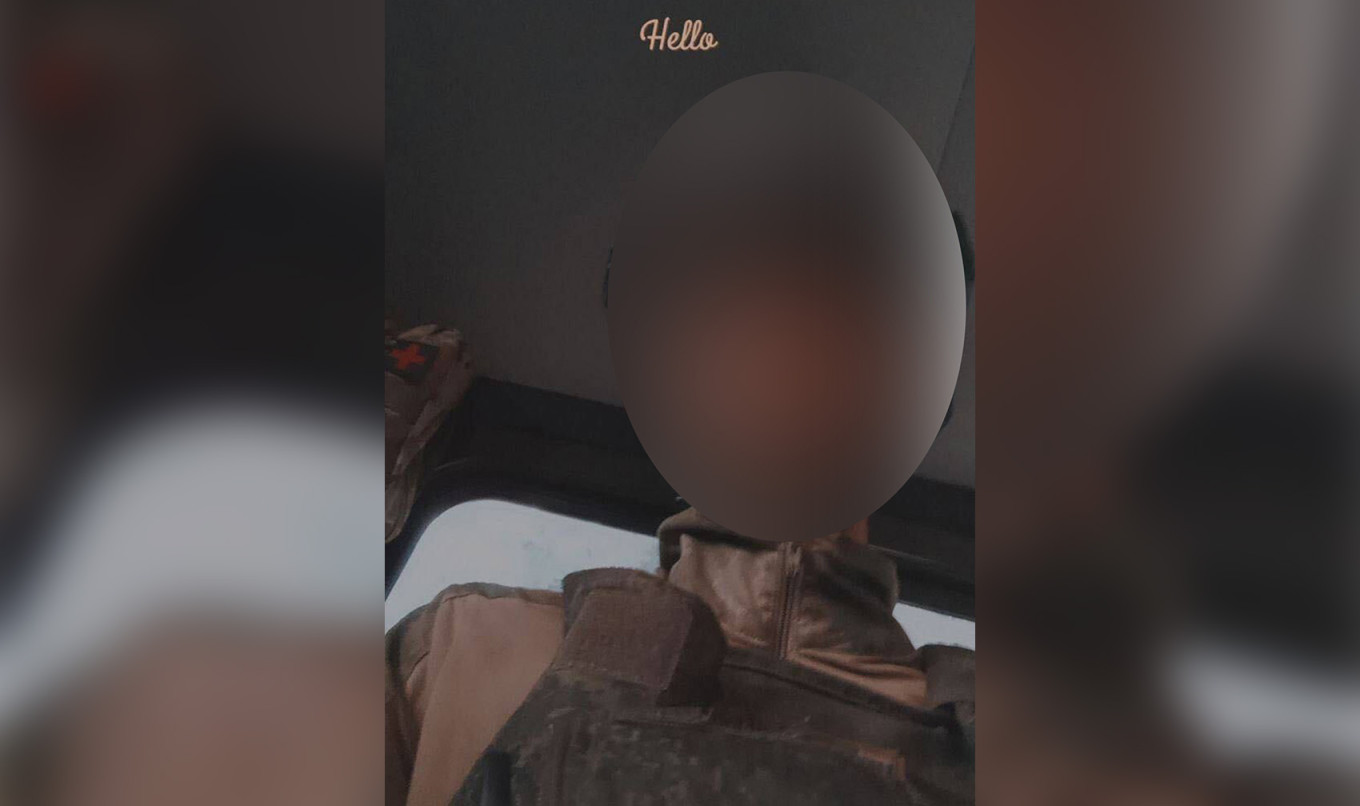
Though he had eight surgeries in total, he said the injuries are still debilitating. Peter told The Moscow Times that he has trouble being on his feet, severely limiting his ability to work and quality of life.
“I can walk, but I can’t run,” he said. Any distance more than about 700 meters (about half a mile) causes unbearable pain.
He was reassigned to a role akin to being a security guard due to his injuries. Months passed and his feet started to hurt again, so he went back to the hospital.
But his superiors continued pushing for him to return to the front lines. For Russia, Peter was manpower, and they were going to squeeze every ounce of labor they could from him.
By the time he was due to be sent back to the front for a third time, Peter’s 12-month contract had long since expired. When he asked to leave, he said one of his commanders demanded about 400,000 rubles ($5,000).
And when he asked how long until he could get out if he continued serving, the response confirmed that he was trapped: “When the war is finished.”
That was his breaking point.
With the help of AI, Peter found Idite Lesom (Get Lost), an NGO that helps Russian servicemembers escape the military. They advised him on what to do next.
Under the guise of going to a doctor’s appointment, he slipped away from his unit and made the long trip to Moscow, where he took a rideshare service to Belarus with a plane ticket in hand. The key to escaping, he said, was confidence.
“If you’re afraid, they will understand, they will check [your documents],” he said. “But I stayed strong and managed everything.”
Picking up the pieces
For servicemembers who desert the Russian military — the number of which may be as high as 50,000, the United Nations estimated last year — the road to a stable life is anything but straightforward.
That’s especially true for foreigners, who often face legal obstacles to returning home.
“They can’t simply go to the embassy of their country, or to the consulate of their country,” said Idite Lesom spokesperson Ivan Chuviliayev.
Because these people are often considered criminals under laws prohibiting foreign mercenary work, “they cannot say that, ‘Well, I was forced to sign a contract and now I want to go home’,” he said.
Nevertheless, this is a situation that more people may be finding themselves in as Russia’s war nears its five-year mark and reports point to widespread recruitment efforts directed at African, Latin American and Asian countries.
Chuviliayev said his organization has received between 30-40 applications for assistance from non-Russians. However, the rate appears to be increasing. A quarter of those requests came in the month of August alone.
For people like Peter, leaving Russia is only half the battle in trying to come to terms with the consequences of military service.
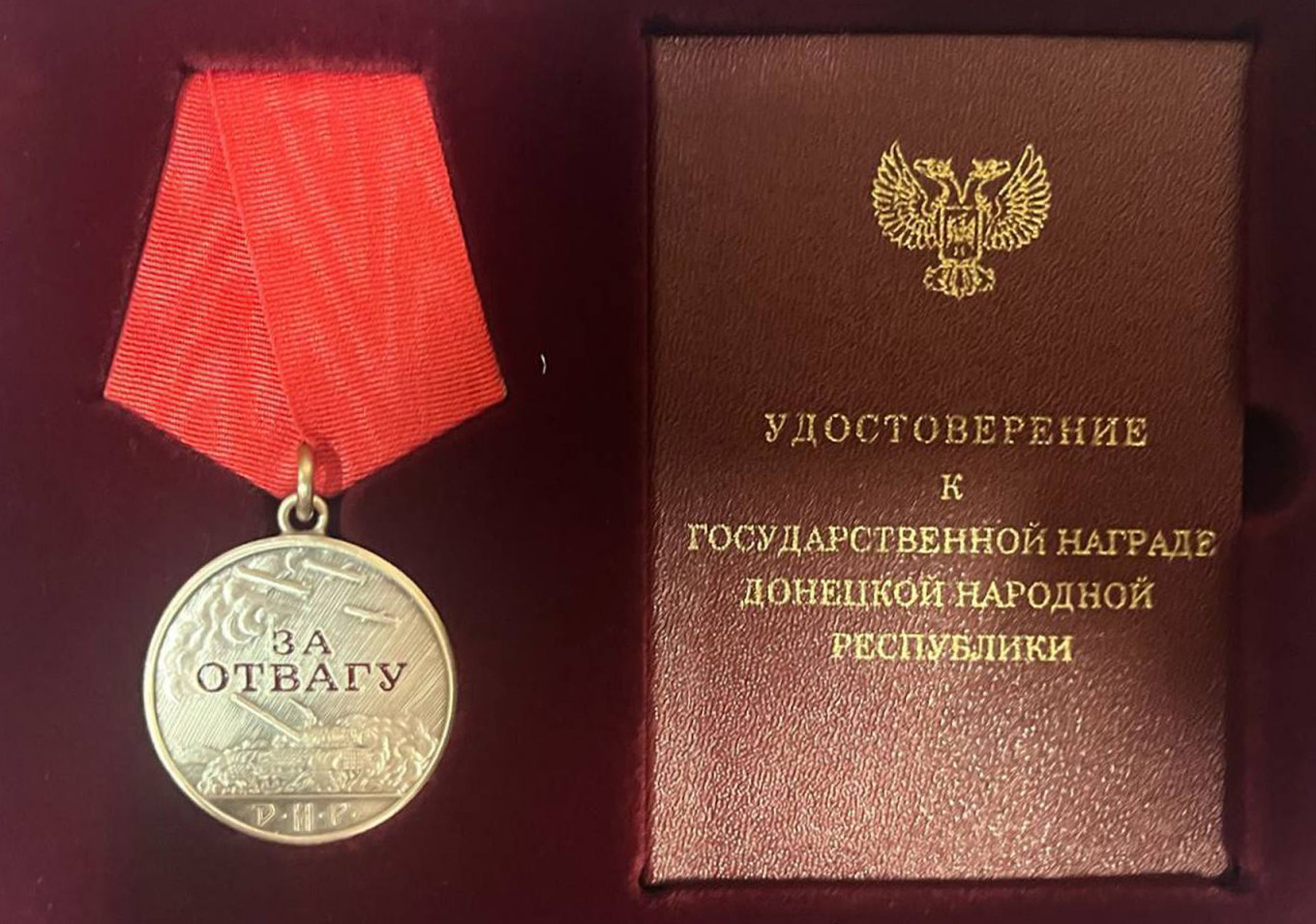
Now living outside Russia after deserting just over two months ago, his situation is bleak. Having received Russian citizenship during the course of his service, he is trying to get a new Russian passport while working in retail to make ends meet.
He said that he feels trapped, believing simultaneously that he can’t seek help from his home country because of potential legal issues and that the Russian passport he is expecting wouldn’t be helpful in claiming asylum elsewhere, if it arrives at all.
“I’m going to try to get a foreign passport so I can leave here and go somewhere in Europe, so I can live peacefully there,” he said.
What’s more, he will probably need more operations on his feet — operations that he can’t afford right now.
Pakistan has previously denied that its soldiers have taken part in the conflict on the side of Russia. In August 2025, its Foreign Ministry called Ukrainian President Volodymyr Zelensky’s claims of such activity “unfounded.” The ministry did not respond to The Moscow Time’s request for comment for this story.
When asked about his future plans, Peter said he was focused first and foremost on finding a country where he can live comfortably and safely. After that, he might have time to think about returning to his studies and his dreams of being a doctor.
To others who might find themselves in a similar position as him, he offered a warning.
“If someone in the future wants to go for a [military] contract, I will say please don’t do that,” he said. “They’ll tell you one thing, and when you [sign] the contract they’ll send you to another place.”
A Message from The Moscow Times:
Dear readers,
We are facing unprecedented challenges. Russia's Prosecutor General's Office has designated The Moscow Times as an "undesirable" organization, criminalizing our work and putting our staff at risk of prosecution. This follows our earlier unjust labeling as a "foreign agent."
These actions are direct attempts to silence independent journalism in Russia. The authorities claim our work "discredits the decisions of the Russian leadership." We see things differently: we strive to provide accurate, unbiased reporting on Russia.
We, the journalists of The Moscow Times, refuse to be silenced. But to continue our work, we need your help.
Your support, no matter how small, makes a world of difference. If you can, please support us monthly starting from just $2. It's quick to set up, and every contribution makes a significant impact.
By supporting The Moscow Times, you're defending open, independent journalism in the face of repression. Thank you for standing with us.

Remind me later.