
Russia has nearly finished building a major new base for launching jet-powered drones in just six weeks, according to defense experts and a Reuters analysis of satellite imagery, in the latest expansion of its attack capability close to Ukraine.
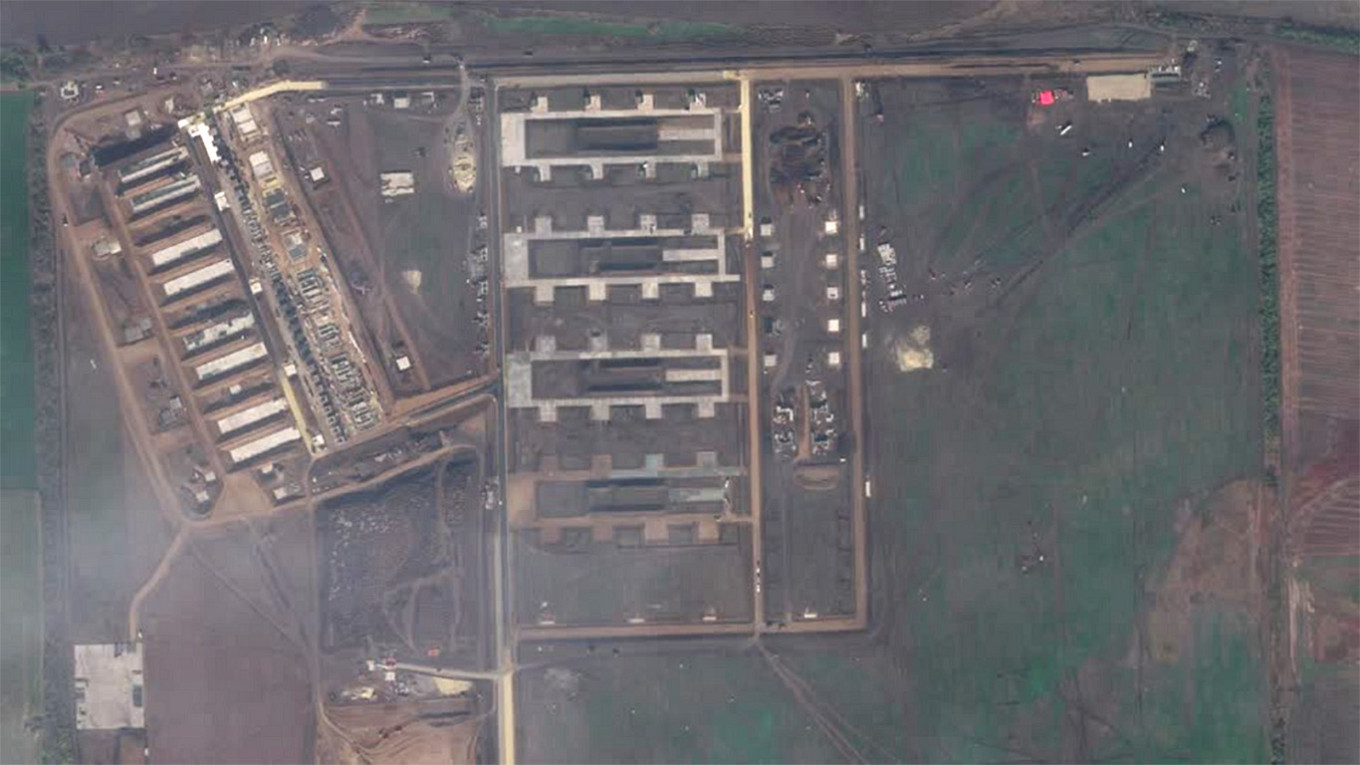
The site in what was an empty field in Russia's southwestern Rostov region on Aug. 31 had become a complex facility the size of around 126 soccer pitches by Wednesday, commercial imagery provided by Planet Labs and Airbus showed.
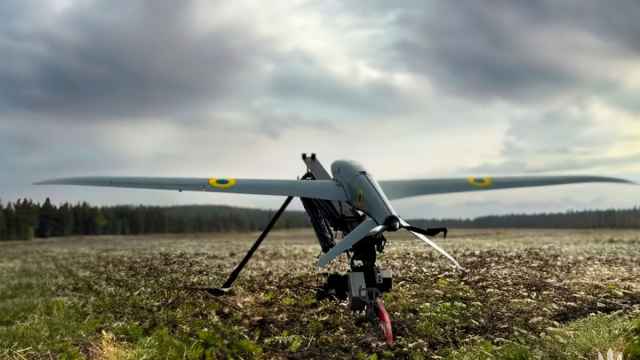
The construction coincides with a surge in the use of Russian jet-powered attack drones against Ukraine, which is struggling to intercept the faster weapons that can travel at speeds of up to 600 kilometers per hour.
With the full-scale war well into its fifth year, Kyiv expects Russia to further escalate jet drone and missile attacks this winter.
Mike Monnik, founder and CEO of private intelligence company DroneSec, said the site in the imagery would be capable of launching the Geran-4 and Geran-5 models, Russia's newest types of jet-powered drone.
He said the western edge of the facility showed eight platforms for launch rails capable of firing those drones, adding to an existing Russian network of at least 11 fixed launch sites used for drone attacks on Ukraine.
"The speed of construction ... demonstrates the ease with which Russia can bring now-established offensive capabilities to bear rapidly," Monnik said.
The site, he added, looked very close to completion and it will be "probably a matter of weeks before [it is] fully operational, if not earlier."
A challenge for NATO
The construction of the facility coincides with worsening relations between Russia and the NATO military alliance.
European governments accuse Moscow of stepping up a campaign of sabotage, drone incursions and cyberattacks against them, while Russia warned last month it could use nuclear weapons if NATO attempted to cut off its Kaliningrad exclave.
Monnik said the combination of industrial production of jet-powered drones, their increasing sophistication and the relative lack of comprehensive counter-drone defenses in many NATO countries were a challenge for the West.
"This ability to rapidly field an ability to launch large-scale attacks using UAS [unmanned aerial systems] poses a strategic vulnerability for NATO countries," he said.
Monnik said the facility may have the potential to fire 100 jet-powered drones or more in 24 hours, although Russia normally fires them in small numbers throughout the day. It would also depend on factors like available supplies and objectives.
Rob Jordan, program director at the London-based RUSI think tank, said the concrete pads and two possible takeoff rails shown in the imagery looked consistent with launch tracks for Russian Geran drones.
"This level of construction in this short a time is impressive," he said. "This shows the relative faith Russia is putting in its deep strike capability — possibly to the detriment of its conventional land forces."
Russia's Defense Ministry did not immediately respond to a request for comment on the facility and on its jet-powered drone program more broadly.
Use of jet drones surges
Military analysts say Russia has shifted its drone production capabilities to jet-powered models as Ukraine has struggled to counter them.
Russia increased its use of jet-powered drones roughly sixfold over three months this summer, according to Ukrainian military data reported by Reuters last month. Kyiv and the surrounding region were targeted most heavily, the data showed.
The jet drones pose a problem because they are too fast for the interceptor drones designed by Ukraine to cheaply intercept their slower, piston-powered predecessors. Kyiv is now scrambling to devise a solution.
Overhead imagery of the new facility taken on Aug. 31 pictured a few vehicles in a field but no sign of construction. Imagery taken the following morning showed that work had begun.
The site, which occupies an area of around 0.9 square kilometers, lies about 3.5 kilometers from Russia's Millerovo air base, home to the 31st Guards Fighter Aviation Regiment.
According to DroneSec, the new launch site likely sits within the air defense "bubble" provided by systems at the airbase, making Ukrainian attempts to target the new facility more difficult.
Of the eight launch platforms, two already had rails on them, a Reuters analysis showed. Rails were being constructed on two other pads as well, while other construction work was visible from space over the course of three days this week.
A Message from The Moscow Times:
Dear readers,
We are facing unprecedented challenges. Russia's Prosecutor General's Office has designated The Moscow Times as an "undesirable" organization, criminalizing our work and putting our staff at risk of prosecution. This follows our earlier unjust labeling as a "foreign agent."
These actions are direct attempts to silence independent journalism in Russia. The authorities claim our work "discredits the decisions of the Russian leadership." We see things differently: we strive to provide accurate, unbiased reporting on Russia.
We, the journalists of The Moscow Times, refuse to be silenced. But to continue our work, we need your help.
Your support, no matter how small, makes a world of difference. If you can, please support us monthly starting from just $2. It's quick to set up, and every contribution makes a significant impact.
By supporting The Moscow Times, you're defending open, independent journalism in the face of repression. Thank you for standing with us.

Remind me later.