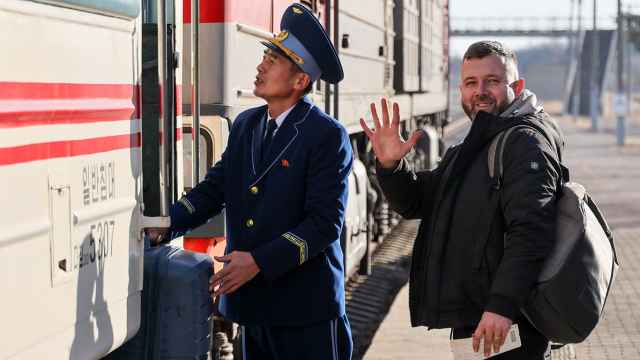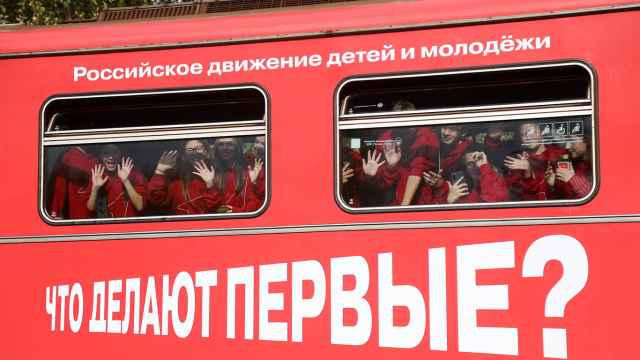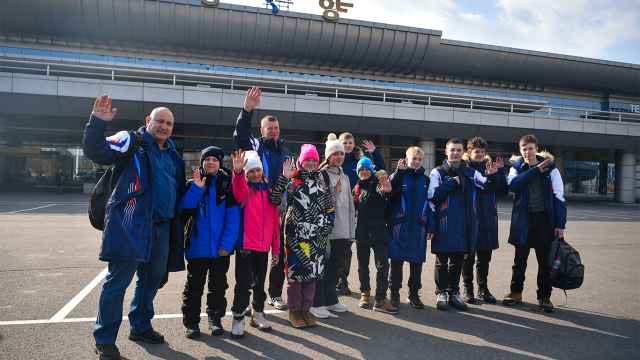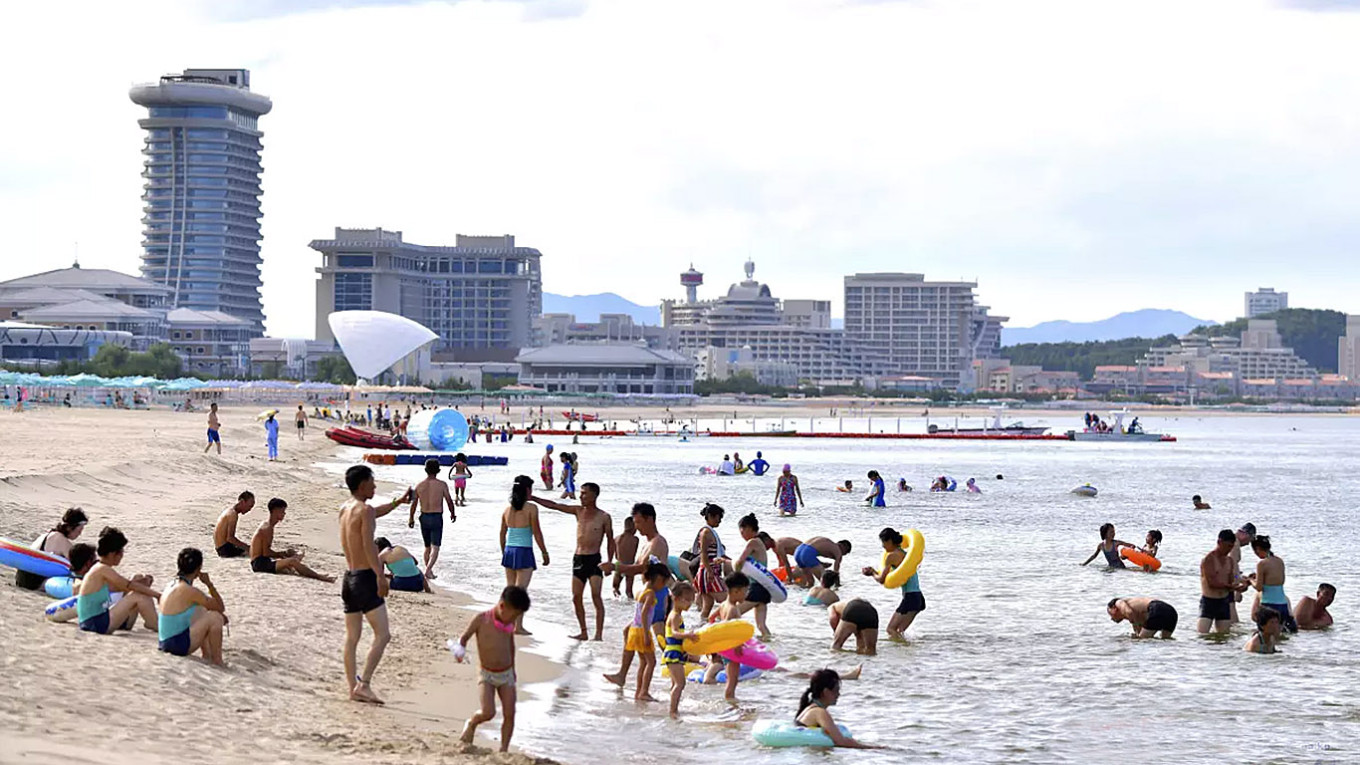
"A delight." "An unexpected paradise." "A wonderful country."
That is how Russian tourists and travel agents describe their visits to North Korea, one of the world’s most repressive countries.
Russian and North Korean officials have touted North Korea as an emerging vacation destination since it reopened to Russian tourists in 2024, complete with beach resorts, ski trips and special discounts for Russian soldiers who have fought in Ukraine.
But despite the growing selection of organized tours and deepening ties between Moscow and Pyongyang, few Russians are actually making the trip.
Around 5,000 Russians visited North Korea in 2025, according to Sergei Krivonosov, deputy head of the State Duma’s Tourism Committee. He has forecast that the number will rise to 6,000 in 2026.
North Korea therefore remains a niche destination on the Russian tourism market, said Artur Muradyan, vice president of the Association of Tour Operators of Russia.
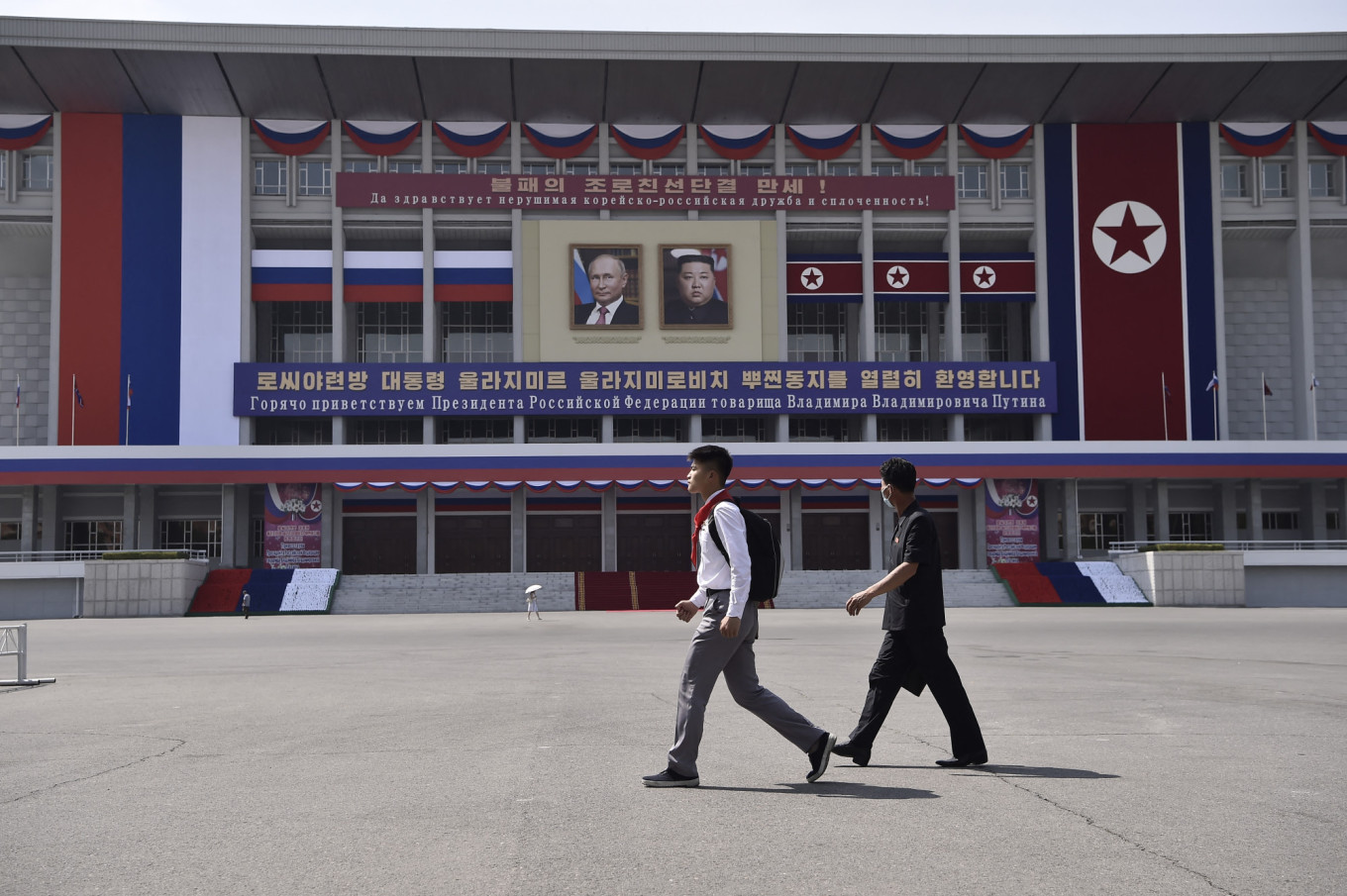
The tourism push comes as Moscow and Pyongyang deepen their ties following Russia’s February 2022 invasion of Ukraine. President Vladimir Putin visited Pyongyang in June 2024, his first trip there since 2000, and signed a mutual defense treaty with North Korean leader Kim Jong Un that also called for expanding tourism ties.
Travel to Europe has become more difficult for Russians at the same time. The European Union has tightened Schengen visa rules and in November 2025 barred most Russian citizens from receiving multiple-entry visas.
The Moscow Times contacted one Russian tour operator offering trips to North Korea. For a first visit, the company recommended two tours to Pyongyang, each priced at nearly 100,000 rubles ($1,244).
The operator said Russian soldiers who have fought in Ukraine receive a discount of 5,000 rubles ($62).
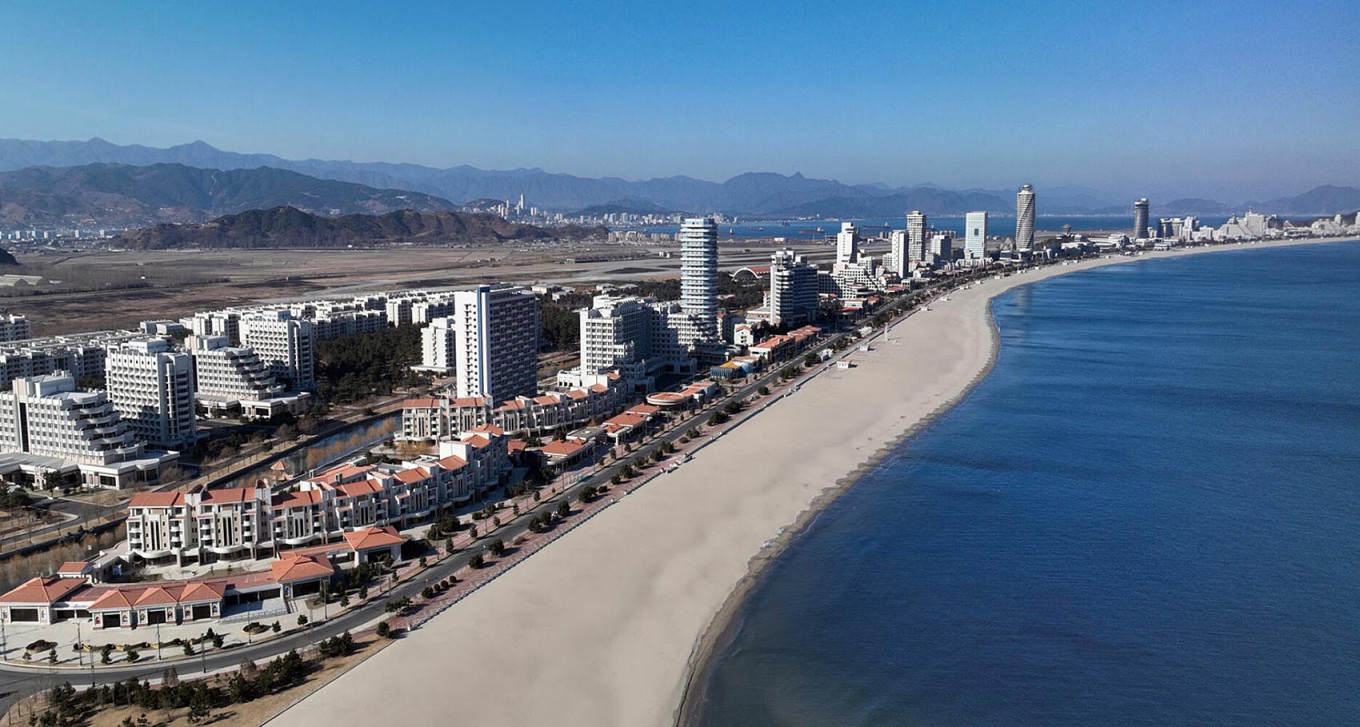
Another itinerary, which the agency described as “popular,” costs almost twice as much, at around $1,900. The eight-day tour departs from Vladivostok and combines sightseeing in Pyongyang with a stay at Wonsan-Kalma, a new beach resort on North Korea’s east coast.
Kim opened Wonsan-Kalma with his daughter Kim Ju Ae in June 2025, calling it a “world-class tourist and cultural center.” Russian Ambassador Alexander Matsegora and Primorye region Governor Oleg Kozhemyako were also present.
“I am confident that Russian tourists will increasingly seek to come here,” Russian Foreign Minister Sergei Lavrov said during a visit to the resort the following month.
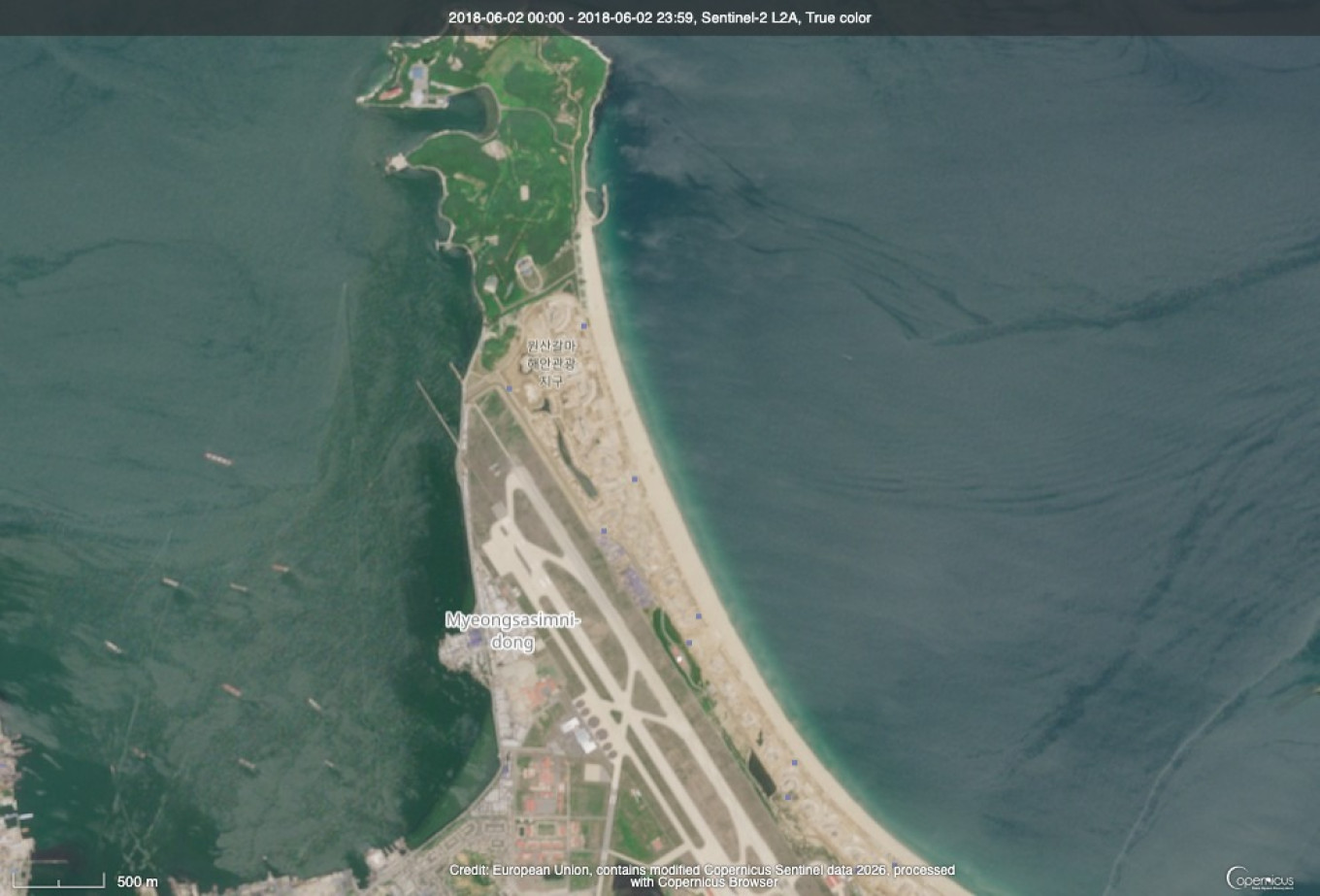
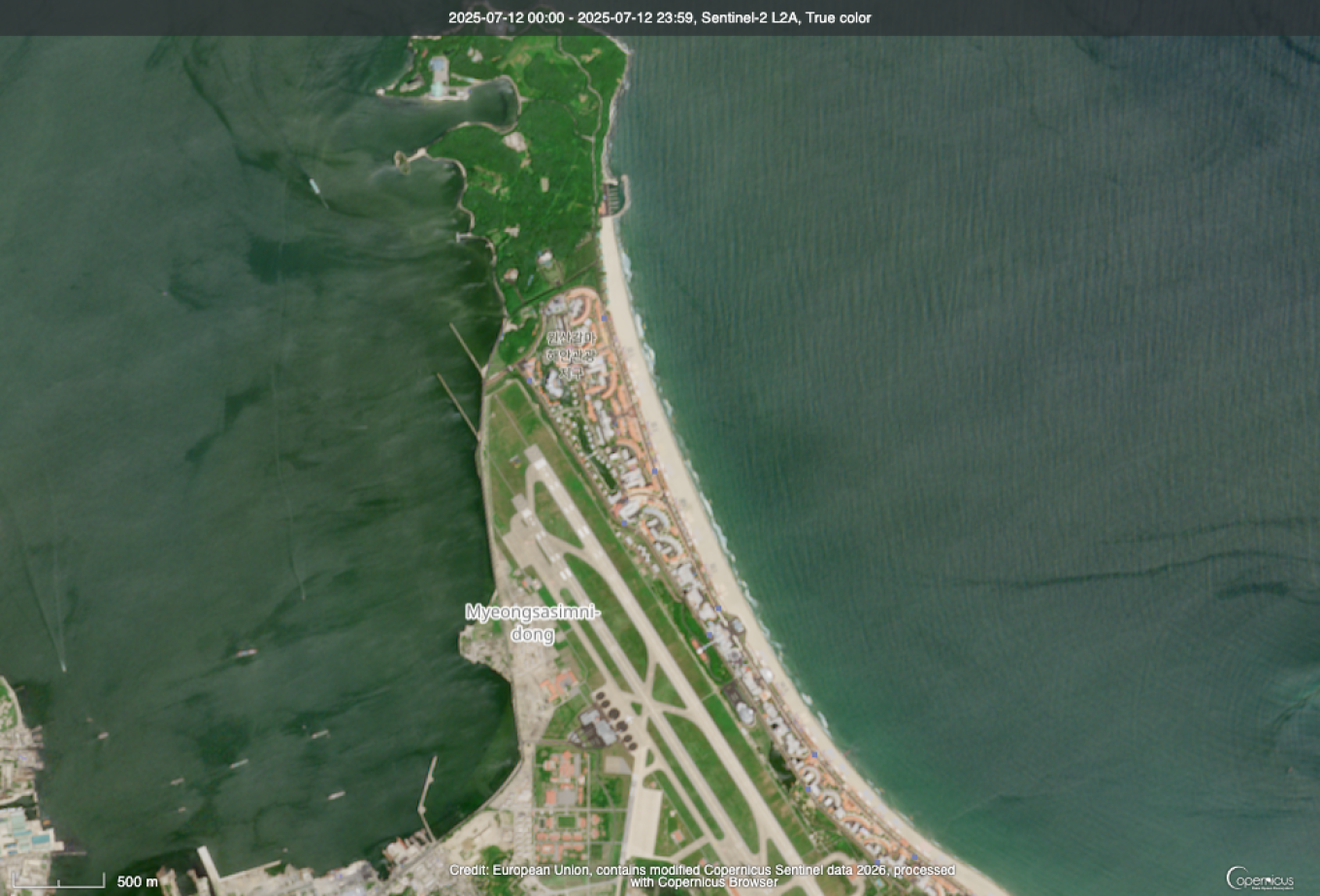
The resort occupies part of the Kalma Peninsula near the city of Wonsan. As recently as a decade ago, the site housed a military airfield and the area where its hotels now stand was largely empty, satellite images show.
According to the tour operator, tourists fly from Vladivostok on the first day aboard Air Koryo, whose fleet consists entirely of Soviet- and Russian-made aircraft.
"We got our passports back with the coveted North Korean visa, and a couple of hours later we were climbing the stairs into a Soviet Il-62 built in 1979," Russian travel blogger Anna Selyu said in a video.
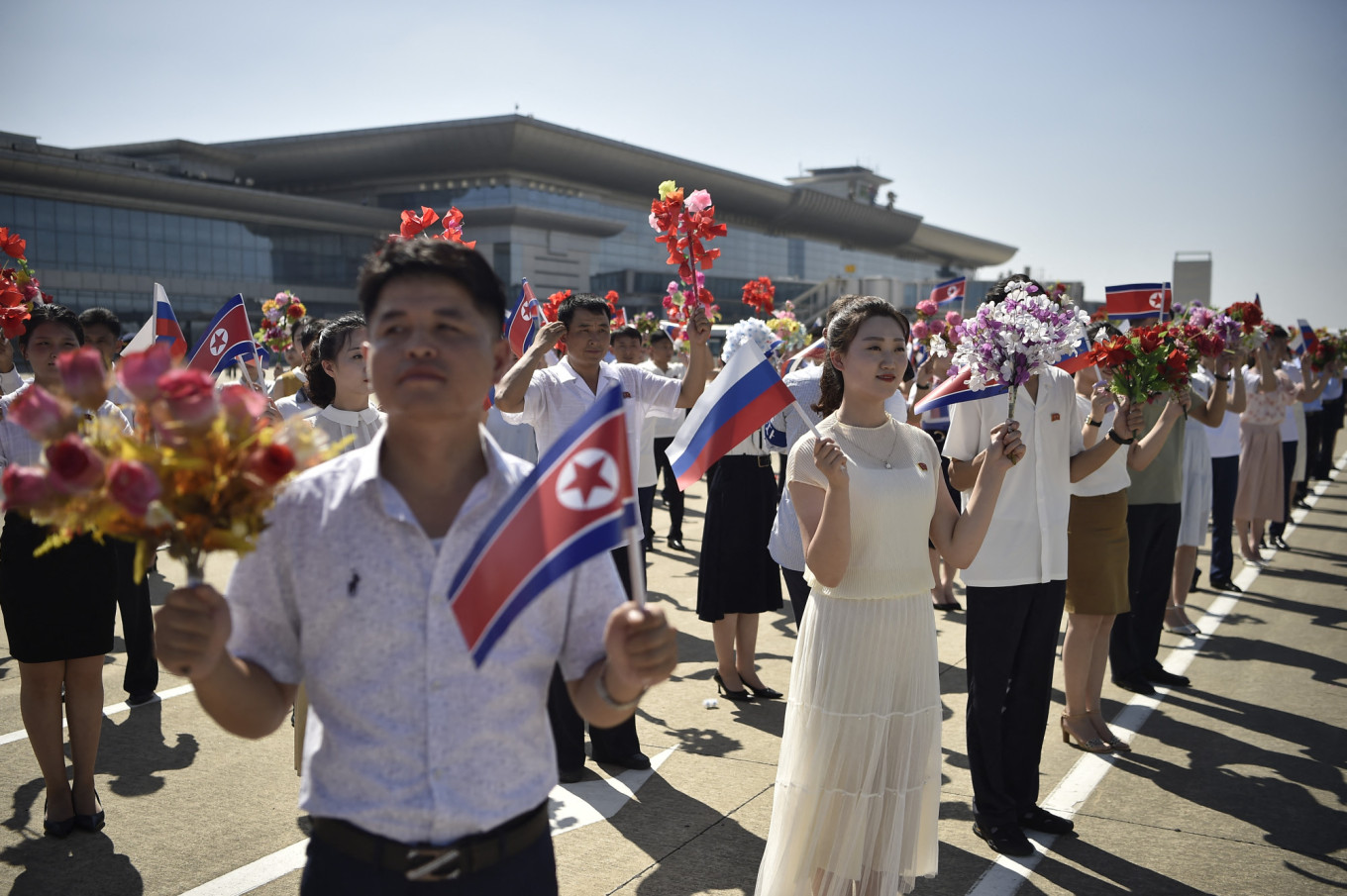
Upon arrival in Pyongyang, tourists are met by a Russian-speaking guide and served lunch. In some cases, tables are set for them inside the capital's airport.
The rest of the itinerary varies by tour. On the "popular" summer tour, visitors are taken on a walk around Kim Il Sung Square and visit the House of Books. After dinner, the group takes a train to Kalma, where it spends the next week.
Tourists are accompanied on all excursions by a guide, typically a North Korean who studied Russian at university.
‘Patriotic’ tours to North Korea
The modest visitor numbers have not stopped Russian operators from expanding the range of trips on offer.
The Moscow Times found more than 40 North Korean tours offered by a single operator, with trips to destinations across the country that start at 10,000 rubles ($124) per tour. Organizers require part of the cost to be paid in U.S. dollars.
One of the more unusual packages, billed as a “Patriotic,” tour offers a trip to North Korea for the country’s Army Day in early 2027.
"Don't miss the chance to get to know North Korean culture and traditions. Join us for an unforgettable adventure!" the operator says.
The 100,000-ruble ($1,244) tour includes a round-trip flight from Vladivostok to Pyongyang, insurance, a visa, hotel accommodation and three meals a day, as well as guide services and transport tickets in Pyongyang. A deluxe room costs an additional $580 per night, according to the operator.
The itinerary includes the Victorious Fatherland Liberation War Museum, a trip to the Myohyang Mountains, the International Friendship Exhibition, the Pyongyang Metro and an Orthodox church.
‘Somewhere out there is a ballistic missile testing ground’
Among the Russians who have visited North Korea is a Moscow couple who run a RuTube channel called First Time in the DPRK, where they document their travels around the country.
“The rooms, I’d say, are no worse than in our hotels of the same class. Well, no worse, to put it mildly,” the woman says while filming a twin room at Wonsan-Kalma.
A military concert is playing on the television, with State Duma speaker Vyacheslav Volodin among the audience. A North Korean woman in a long red dress sings in Russian.
The scene then cuts to a North Korean military choir performing the Russian national anthem as the camera zooms in on Volodin and other Russian officials.
The tourists were most likely watching a concert held in mid-August 2025 to mark the 80th anniversary of the Korean Peninsula’s liberation from Japanese colonial rule.
"The strength of the unity between North Korea and Russia is boundless," Kim said at the time, recalling the Soviet army's role in Korea's liberation.
“Our people keep alive the memory of the noble internationalist feat performed by the finest sons and daughters of the Russian people," he added.
The tourists’ hotel room overlooks the beach and the Sea of Japan.
“Somewhere out there is a ballistic missile testing ground, on the islands,” the woman says while standing on the balcony and waving to visitors in other rooms.
North Korea uses its east coast, including areas north and south of Wonsan, to launch ballistic missiles into the Sea of Japan.
Information boards near the hotel mark in green the coastal areas where foreign tourists are permitted to walk without a guide.
"It just boomed again, from somewhere over there," the tourist says, pointing to the islands of Sin-do and Hwangto-do. Other travelers can be seen searching for shells and crabs in the water.
“Even if [missile] tests do take place, they’re not in the zones where tourists vacation. Right now, it’s one of the safest countries for tourism,” a tour operator told The Moscow Times.
Payments in the seaside tourist zones are made through special wristbands issued at hotels and topped up in advance with North Korean won. At the beach bar, visitors can buy drinks, including Russian vodka.
"Oh, golden rye and curly flax, I'm in love with you, Russia, in love!" the tourists sing at the table, quoting a song by the Russian band Lyube.
New Year’s in North Korea
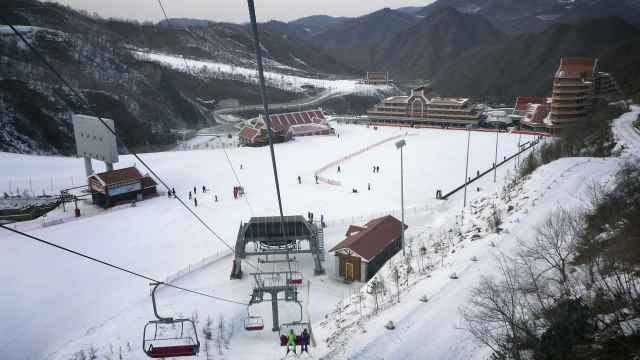
Tour operators are also promoting Samjiyon, a mountain town and ski destination that North Korean state media have described as “the embodiment of modern civilization.”
In 2013, Samjiyon was a small provincial town with aging infrastructure and low-rise buildings, according to satellite images reviewed by The Moscow Times. Construction began in 2015.
Samjiyon is among the largest development projects undertaken by Kim as part of his drive to build a “self-reliant economy.” Youth labor brigades were among those deployed for its construction.
Human rights organizations have likened working conditions in North Korea to slave labor, saying workers receive no wages, are poorly fed and can be forced to work more than 12 hours a day for periods of up to 10 years.
"How did Kim rally manpower and resources for so many big construction programs despite sanctions? It's simple — whatever you need, suck it out of the people," said Kwon Eun-kyoung, a human rights group director who has interviewed more than 40 former brigade members.
Tour operators make no mention of forced labor or North Korea’s systematic human rights abuses.
A New Year’s tour to Samjiyon costs approximately 154,480 rubles ($1,975).
“To a wonderful country, despite all our enemies!” a group of tourists from Moscow say as they open a bottle of champagne on the balcony of a North Korean hotel.
A Message from The Moscow Times:
Dear readers,
We are facing unprecedented challenges. Russia's Prosecutor General's Office has designated The Moscow Times as an "undesirable" organization, criminalizing our work and putting our staff at risk of prosecution. This follows our earlier unjust labeling as a "foreign agent."
These actions are direct attempts to silence independent journalism in Russia. The authorities claim our work "discredits the decisions of the Russian leadership." We see things differently: we strive to provide accurate, unbiased reporting on Russia.
We, the journalists of The Moscow Times, refuse to be silenced. But to continue our work, we need your help.
Your support, no matter how small, makes a world of difference. If you can, please support us monthly starting from just $2. It's quick to set up, and every contribution makes a significant impact.
By supporting The Moscow Times, you're defending open, independent journalism in the face of repression. Thank you for standing with us.

Remind me later.