
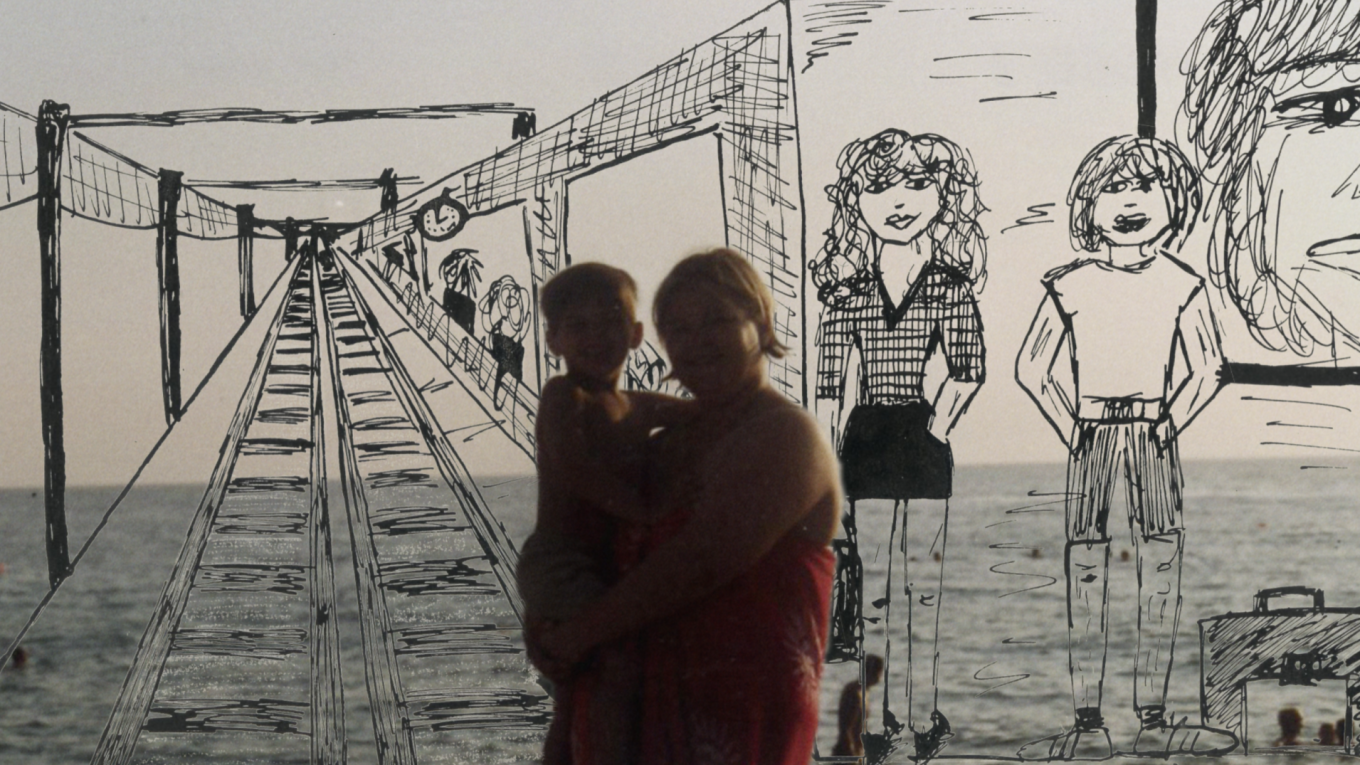
AMSTERDAM — When Dutch-Iranian filmmaker Maarten de Schutter opened the boxes of his family photographs and VHS tapes that had sat untouched for years, he had no intention of making a film out of them.
But what began as an attempt to preserve his family archive would become “My Sweet Child,” a documentary reconstructing the life of his mother, the Dutch AIDS activist and feminist anthropologist Martine de Schutter.
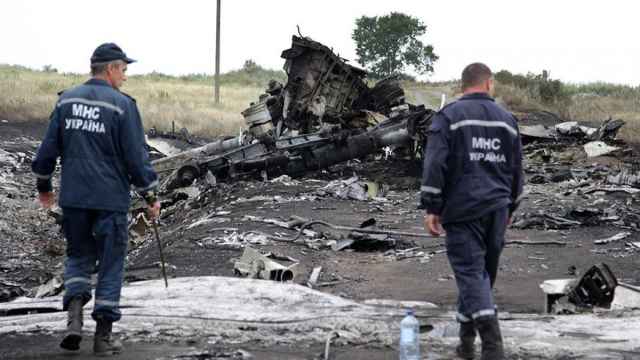
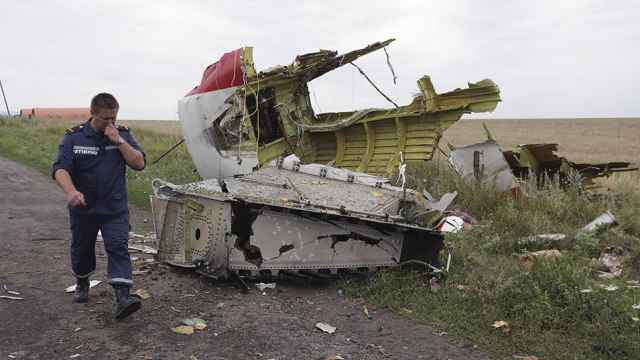
Martine de Schutter was killed in the downing of Malaysia Airlines Flight MH17 over eastern Ukraine on July 17, 2014, when Maarten was 15. For nearly a decade afterward, he rarely spoke about his mother or the disaster that killed all 298 people on board, including 196 Dutch citizens.
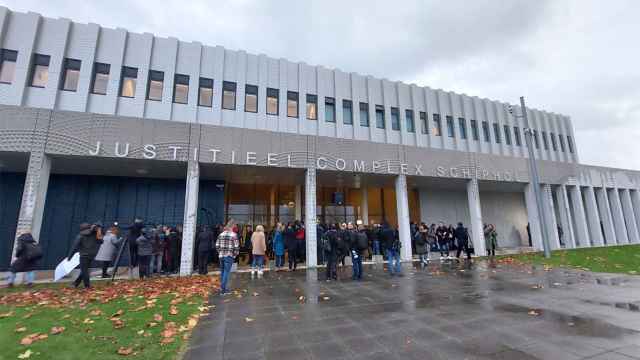
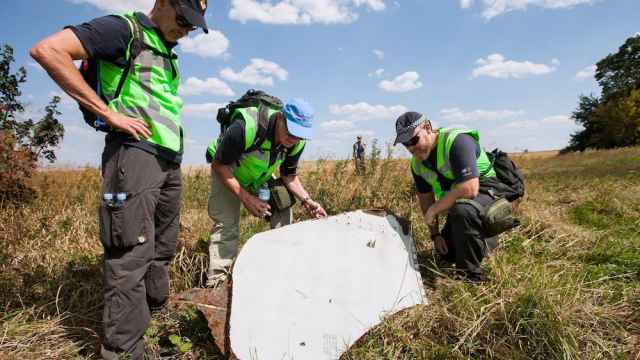
International investigators concluded that MH17 was downed by a Russian-made Buk surface-to-air missile launched from territory controlled by Moscow-backed separatists in eastern Ukraine. The attack became one of the defining moments of Russia's war against Ukraine years before the full-scale invasion in 2022 and was described as a moment when “the war in Ukraine suddenly reached the Netherlands.” In November 2022, a Dutch court convicted in absentia two Russians and one Ukrainian for their roles in the attack.
Premiering in Kyiv before being nominated for a Golden Calf at the Netherlands Film Festival, “My Sweet Child” moves beyond the geopolitical dimensions of MH17 to tell an intimate story of the bond between a mother and her son.
For over a year and a half, de Schutter drew on home videos, photographs and his mother's deeply personal diaries to reconstruct memories he feared were fading.
Ahead of the anniversary of the MH17 attack, de Schutter spoke to The Moscow Times about transforming family archives into cinema and confronting grief through filmmaking.
This interview has been edited for length and clarity.
The Moscow Times: What inspired you to make this film? Was it a personal way to express your thoughts and emotions or did you want to send a broader message?
Maarten de Schutter: Making the film was a very intuitive process. In the first nine years after my mom died, I didn't really talk about it with people, I tried to live my life as normal as possible. Then I found myself being more interested or attracted to all this family footage that was available. At first I just wanted to create an archive of all the photos, videos and documents and collect everything without it necessarily becoming a film. I just wanted to look at what there was.
It was very intense to see these old photographs and these videos again. The only way to be able to go through with it was to immediately express myself creatively. I started making small sketches and saving some videos that resonated very deeply with me. From those small attempts at creativity, the entire film expressed itself. It was never a conscious decision to make a film, I was already making it.
I never really thought about a message. I wanted my mom's life to exist in this work and I want people to get to know her. I think it's in the soul and the fabric of the film.
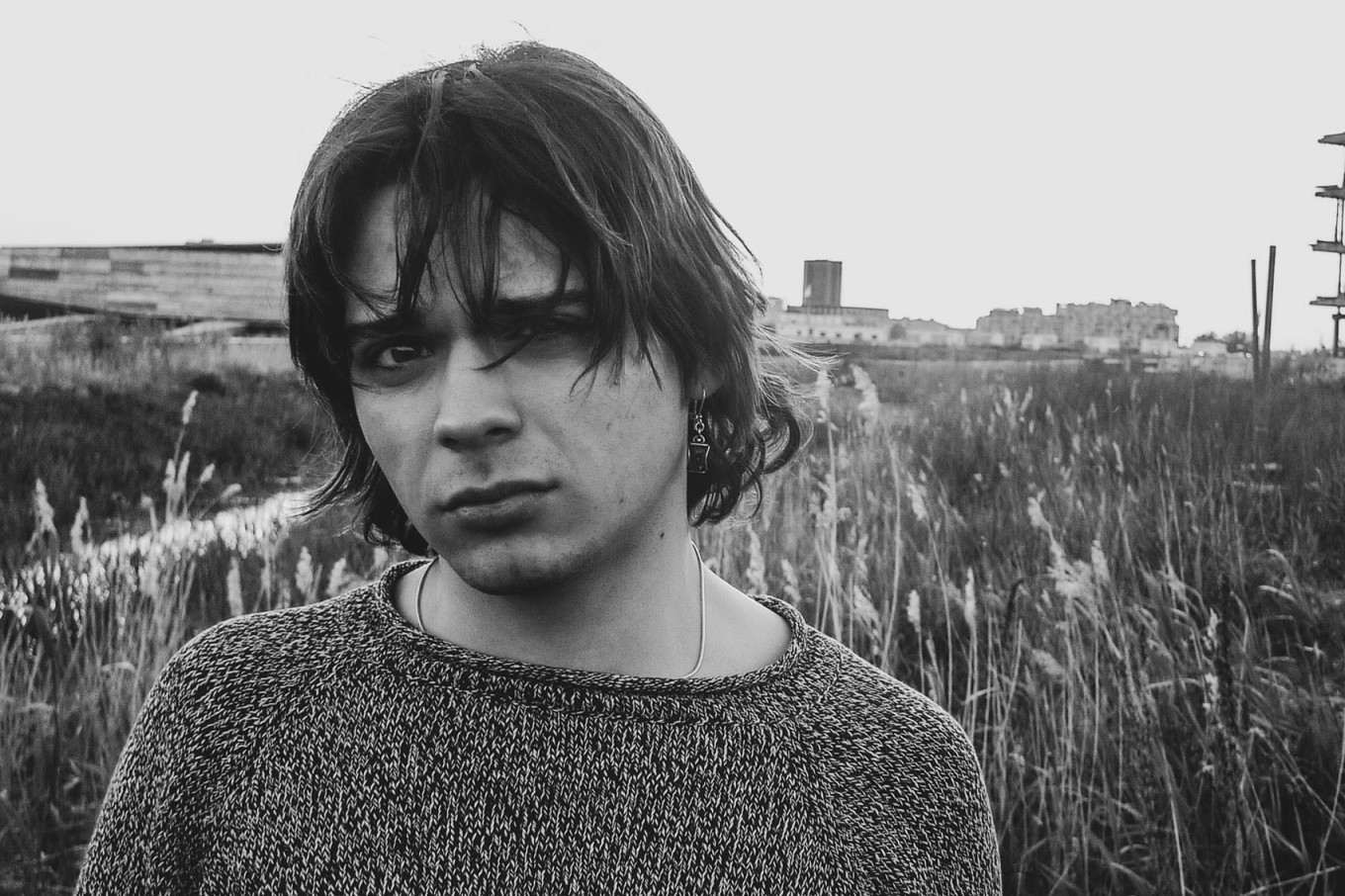
MT: The documentary makes extensive use of archival footage. Was recording something your family and you had always done?
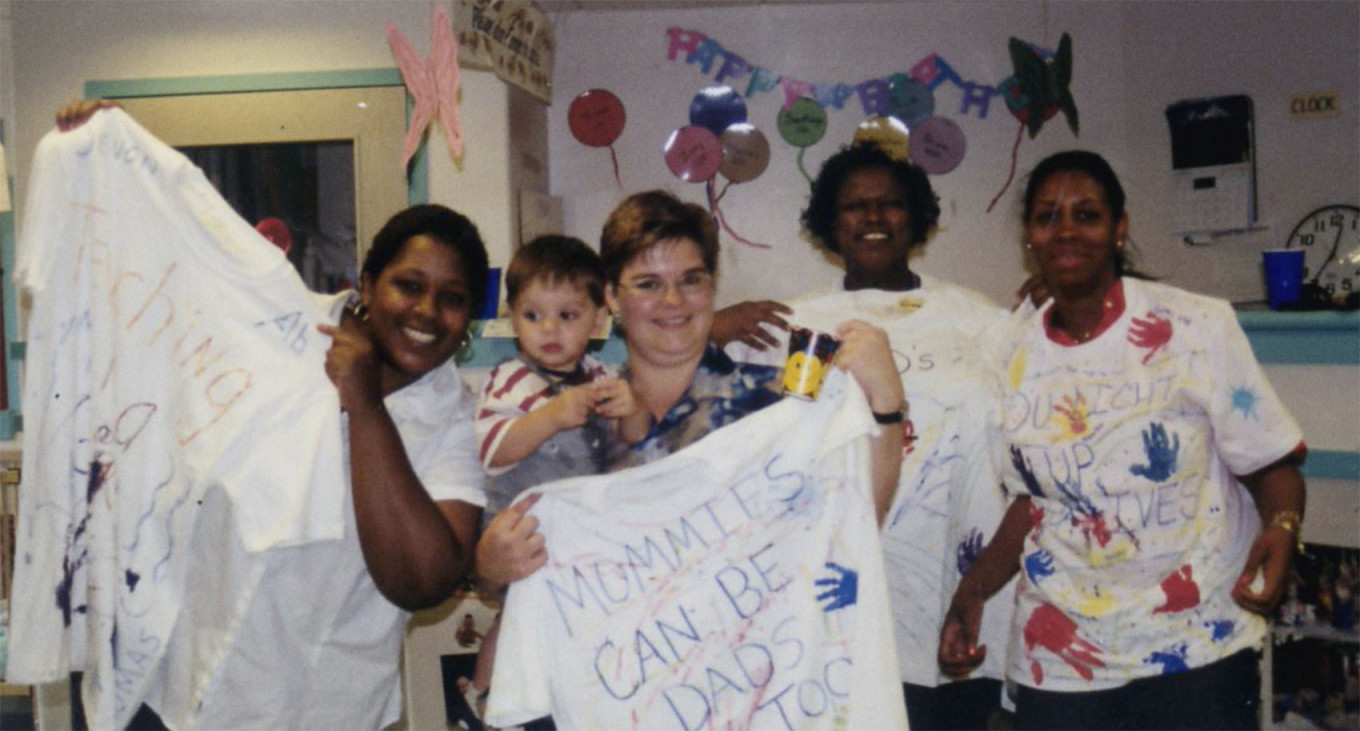
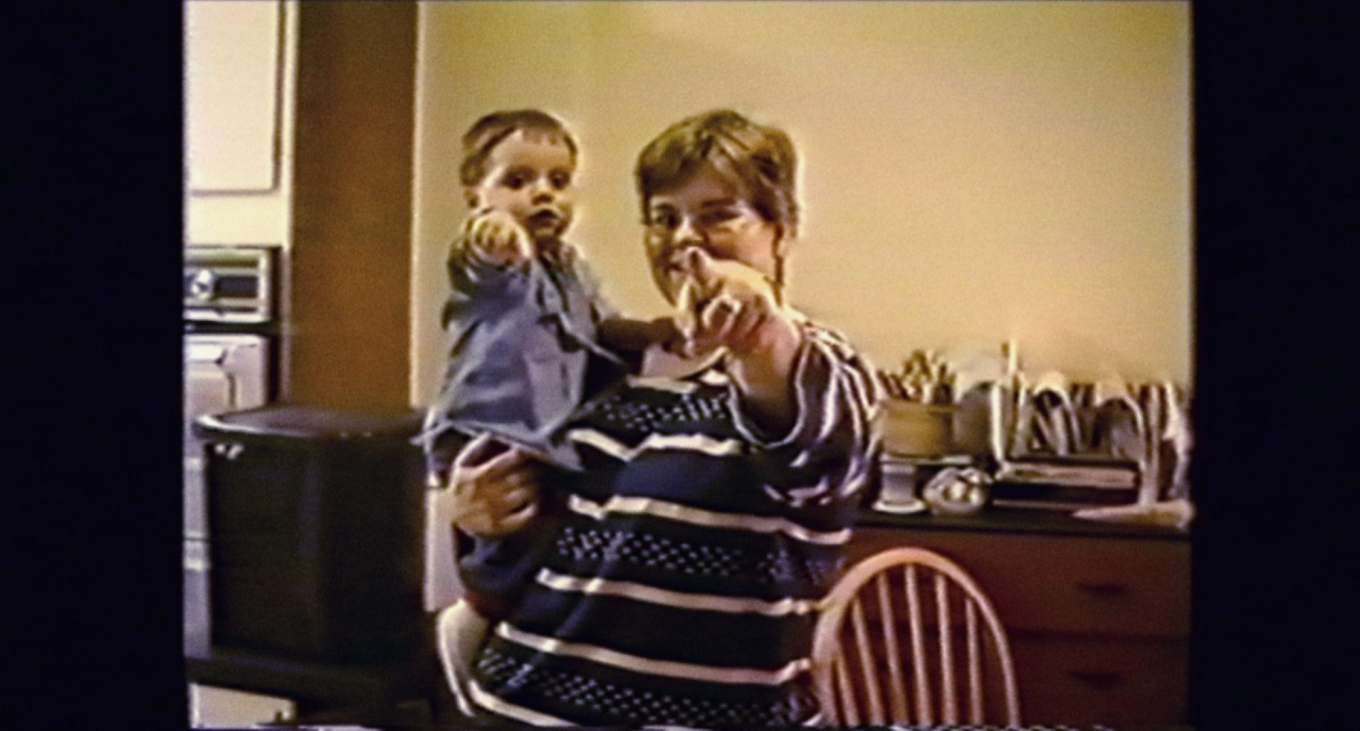
MdS: I think I've been filming since I was around eight, when my mom gave me my first camera. I knew there were also some videos that I recorded when I was younger, but I didn't know how much there was. There were like 70 photo books and all these videotapes. I had to digitalize the videotapes myself without knowing what was on them — I had to watch the entire hour or two hours and I would not know what I would see — there could be something with my mom or something with me. I created the archive and then I just discovered how rich it was and how much my mom documented her life. She left the Netherlands after studying and lived abroad for many years, so she documented a lot to share pictures with her family back home and my other family members in the Netherlands would document their life for her. I think this distance made it way more usual to record everything. And it was the time frame when these cameras became more accessible for use.
MT: How do you feel about sharing such personal stories and intimate footage with the public?
MdS: It actually took quite a long time before I was okay with sharing it. I spent one and a half years working on the film every day — that was the only thing I did. For the first six months, sharing felt very vulnerable. Plus, people who are going to watch it would interpret it through their own perspective. But I got very angry and said to myself: ‘This is my perspective.’ I finished the film, now I can say that I'm very proud of it. The fact that people will see my mom and she will be in their life and their heart is way more important than how vulnerable or how intimate [sharing] is.
MT: Did the full-scale invasion of Ukraine push you to release the film and hold the first screening in Ukraine?
MdS: I struggled during the process of making the film — in the Netherlands, every person has their own memory [of the MH17 disaster]. I was always scared that the collective experience would take away attention from my mom and from our experience.
When I was thinking about where I would want the film to be screened, I realized that it should be shown in places that are important to my mom and to me. I thought about screening it in Ukraine, because I feel that both of our lives are tied to the country in some way. The film premiered in Kyiv last summer at a film festival, and I also had the opportunity to travel to Kyiv and other parts of Ukraine. I received feedback from the audience who said that they felt connected to the film. My mom’s death and the circumstances around it were the first signs of the war. Sharing the film in a cinema in Kyiv was a very emotional and intense experience, especially feeling the collective grief and collective pain.
The film also discusses that my mom was very aware [of the political situation in Russia.] She worked in AIDS prevention and led a project that focused mainly on eastern Europe, including Ukraine, Belarus and in some ways in Russia, but it was already very difficult [to work there.] She worked at a specific project which tried to give a marginalized group access to HIV/AIDS medication, which was mostly drug users, queer people and sex workers.
At that time, there was already immense repression against these people in Russia and she experienced very directly how the Russian government's repression impacted lives and people. She was always very active in this fight. In 2013, when [President Vladimir] Putin came to the Netherlands for a visit, she joined a big demonstration against him coming. There's a part in the film where I share a picture that my mom posted on Facebook, which makes fun of Putin at the protest.
Of course, within Russia there are also people that try to get access to media or cultural works that are works of resistance and works of freedom so I was thinking of leaking my film to Russian websites. But I don’t really know where to start.
MT: What was the biggest challenge of working with all this archival footage? In the film, you said that finishing it was especially difficult.
MdS: Yes, I think it was mostly finishing this film, like having to say: ‘This is the end.’ The film was an attempt to bring my mother back to life and it would never succeed perfectly. But finishing it also felt like giving up on this attempt of succeeding in recreating this relationship. So I could have worked on it probably forever. Others told me that there had to be an end, because when you work on it every day for years, then you live within these memories, you live within this process.
MT: How did you separate yourself from your feelings to finish it?
MdS: It was impossible. Some say there should be some degree of separation to be able to work. But I think with something this intense and painful, it was impossible. The loss was so big and I suppressed it for nine years. I had to go through this footage, editing it, all at once, but I felt it was the only way. It was impossible to truly separate myself. When I watch it, I see how much love there was, but also how much I've lost.
MT: What do you hope people will take away from the documentary?
MdS: There are so many aspects, but in the end, it’s very simple — the film is about love and about being willing to remember people you love and to try and keep them in your hearts in some way. We are talking about things like war or oppression, but in the end, I just want people to feel this love and also this loss and make them think how things that are happening on a big scale impact people's lives and the people they love.
“My Sweet Child” is now showing at select theatres in the Netherlands:
July 19, 19:00 – Kriterion (Amsterdam)
July 22, 20:00 – Filmhuis Pluis X De Sien (Utrecht)
July 24, 20:30 – Snackbar Frieda (Rotterdam)
A Message from The Moscow Times:
Dear readers,
We are facing unprecedented challenges. Russia's Prosecutor General's Office has designated The Moscow Times as an "undesirable" organization, criminalizing our work and putting our staff at risk of prosecution. This follows our earlier unjust labeling as a "foreign agent."
These actions are direct attempts to silence independent journalism in Russia. The authorities claim our work "discredits the decisions of the Russian leadership." We see things differently: we strive to provide accurate, unbiased reporting on Russia.
We, the journalists of The Moscow Times, refuse to be silenced. But to continue our work, we need your help.
Your support, no matter how small, makes a world of difference. If you can, please support us monthly starting from just $2. It's quick to set up, and every contribution makes a significant impact.
By supporting The Moscow Times, you're defending open, independent journalism in the face of repression. Thank you for standing with us.

Remind me later.