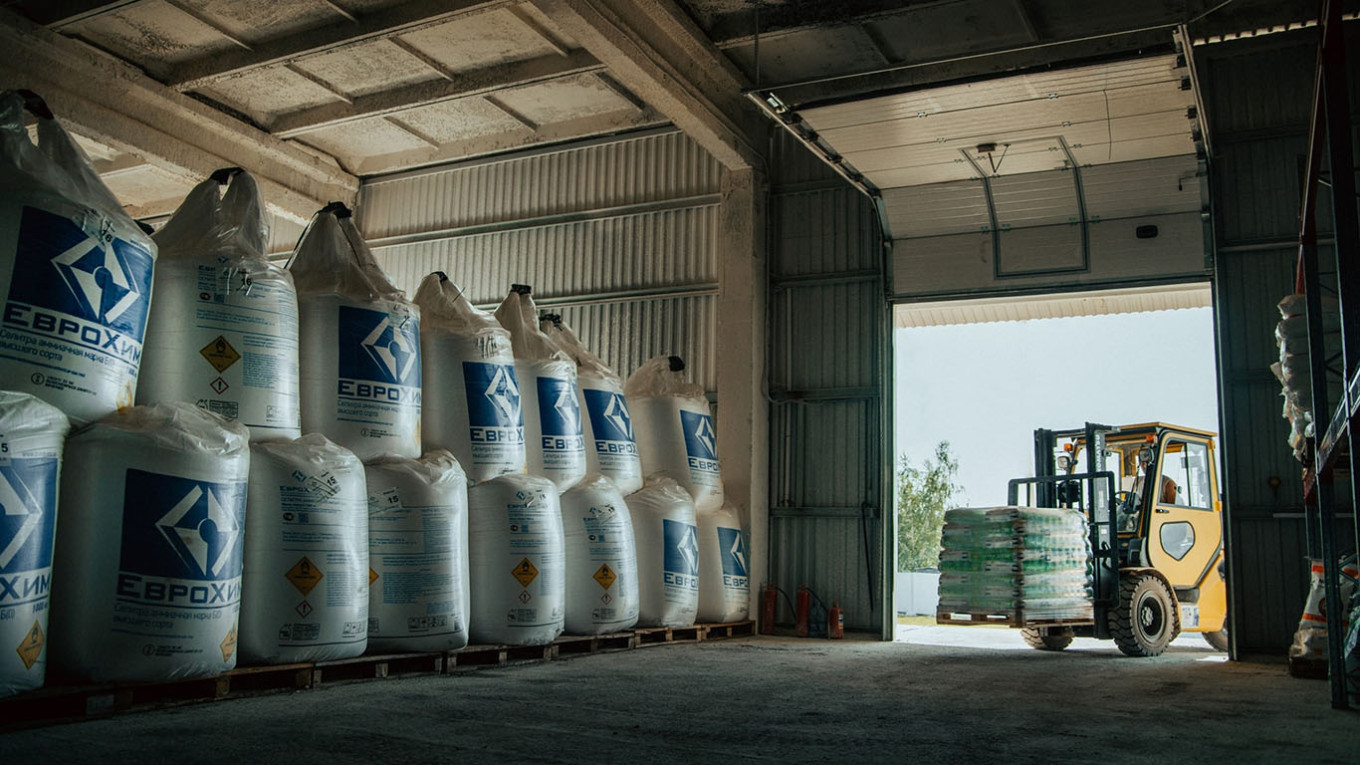
Russia's production of ammonium nitrate fertilizer fell sharply in the first five months of 2026 after a wave of Ukrainian drone attacks forced chemical plants into unplanned maintenance, highlighting the growing impact of the war on an industry that supplies both agriculture and explosives.
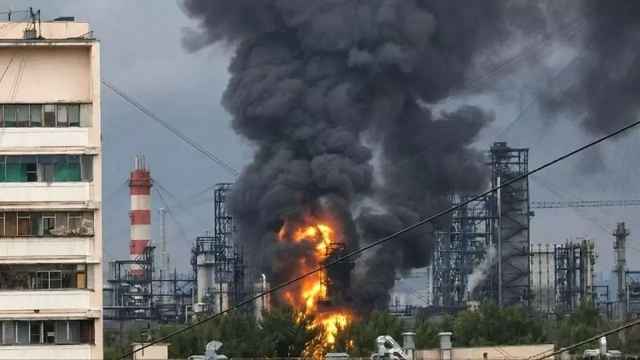
Ukraine intensified drone strikes on Russian chemical plants earlier this year, targeting facilities that could supply raw materials for weapons production. The attacks hit several major fertilizer and chemical producers, forcing unplanned maintenance that analysts say contributed to the decline in ammonium nitrate and ammonia output.
Output of ammonium nitrate, one of Russia's most widely used nitrogen fertilizers, dropped 9% year-on-year to 4.7 million metric tons in January-May, according to data from the state statistics service Rosstat reviewed by the Vedomosti newspaper. Production in May alone fell 14% from a year earlier to 786,100 tons.
The main reason for the decline was reduced production capacity caused by unscheduled repairs, Viktor Kutlumbetov, a consultant at consultancy Implementa, told Vedomosti.
Rosstat data showed output of ammonia, the main feedstock used to produce ammonium nitrate, fell 7.5% year-on-year to 7.6 million tons in January-May.
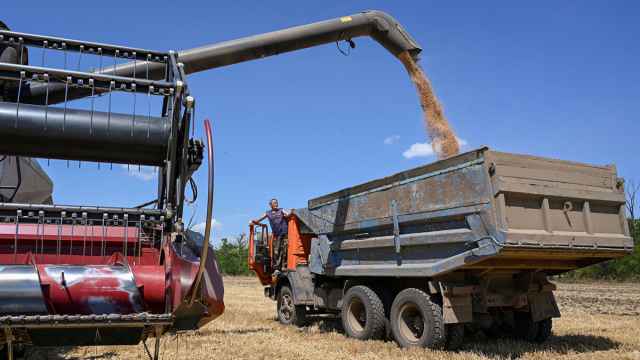
Russia's Agriculture Ministry temporarily suspended previously issued ammonium nitrate export licenses from March 21 to April 21 to prioritize deliveries to domestic farmers.
Domestic consumption of ammonium nitrate also declined during the first five months of the year, though not because of weaker demand from farmers, Maxim Bratchikov, head of the fertilizer market division at MMI, told Vedomosti.
Instead, the market was constrained by limited supply as production disruptions reduced the volume of fertilizer available, he said.
Bratchikov expects production to recover in the second half of the year as plants resume normal operations, but said the industry is unlikely to make up for the output lost during the spring.
MMI forecasts Russia's ammonium nitrate production will decline by around 5% in 2026 to approximately 11 million tons.
Russia is one of the world's largest producers and exporters of fertilizers. According to industry agency Metals & Mining Intelligence (MMI), around 80% of the country's ammonium nitrate production and roughly 90% of exports are controlled by four companies: Akron, EuroChem, Uralchem and Azot Group.
Read this article in Russian at The Moscow Times' Russian service.
A Message from The Moscow Times:
Dear readers,
We are facing unprecedented challenges. Russia's Prosecutor General's Office has designated The Moscow Times as an "undesirable" organization, criminalizing our work and putting our staff at risk of prosecution. This follows our earlier unjust labeling as a "foreign agent."
These actions are direct attempts to silence independent journalism in Russia. The authorities claim our work "discredits the decisions of the Russian leadership." We see things differently: we strive to provide accurate, unbiased reporting on Russia.
We, the journalists of The Moscow Times, refuse to be silenced. But to continue our work, we need your help.
Your support, no matter how small, makes a world of difference. If you can, please support us monthly starting from just $2. It's quick to set up, and every contribution makes a significant impact.
By supporting The Moscow Times, you're defending open, independent journalism in the face of repression. Thank you for standing with us.

Remind me later.