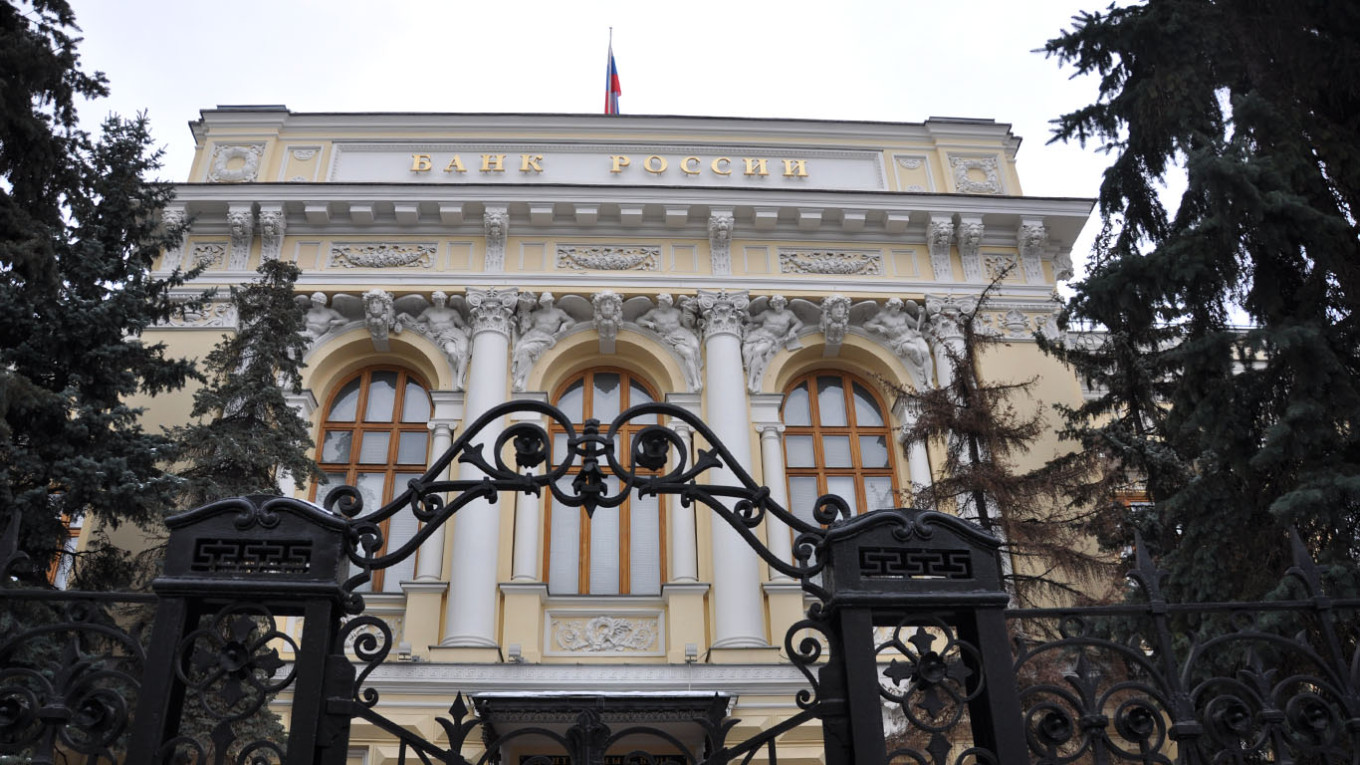
Russia’s Central Bank lowered its key interest rate from 14.5% to 14.25% on Friday, marking its ninth consecutive cut since beginning a policy of monetary easing after previously hiking borrowing costs to a two-decade high to curb surging inflation.
The 25-basis-point cut was a clear signal that policymakers are taking a more cautious approach in easing rates than initially anticipated, as analysts had broadly expected a larger, 50-basis-point cut.
Inflation expectations remain high due to the global energy crisis sparked by the war in Iran, as well as Ukrainian drone attacks on Russian oil refineries and supply lines, which have led to a gradual uptick in gasoline prices and shortages in some parts of the country.
Policymakers said in a press release that annual inflation stood at 5.6% as of June 15. Despite current pressures, the Central Bank maintained its forecast that inflation will cool to between 4.5% and 5.5% later this year, eventually hitting its 4% target in 2027.
“Fiscal policy over the three-year horizon will be more accommodative than previously expected. This may require a higher key rate path than assumed in the April baseline scenario,” the Central Bank said.
Specifically, policymakers said that persistent budget deficits could lock the country into a higher-for-longer interest rate environment.
Russia has been grappling with weaker oil and gas revenues and rising government spending, largely linked to its wartime economy. The growing deficit has fueled concerns about the sustainability of state finances after the government missed its budget targets by a wide margin last year.
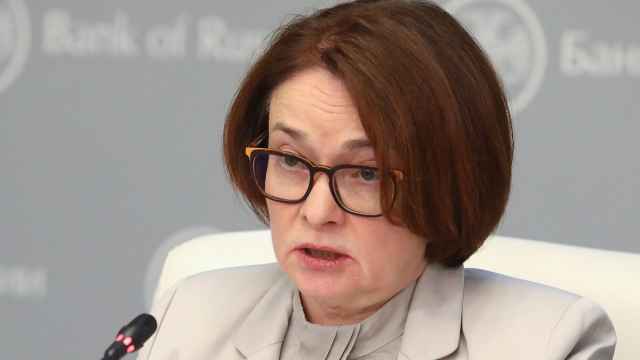
Central Bank Governor Elvira Nabiullina said at a press conference that higher gasoline prices were “one of the main factors” that influenced the regulator’s decision to cut the key interest rate by a modest 25 basis points.
“The recent spike in fuel prices will impact June inflation. The government is taking the necessary measures, but it may take time for supplies to recover,” she said.
The average price of gasoline in Russia has climbed 6.6% since the start of the year, with a single-week jump pushing national averages to 69.11 rubles per liter ($3.56 per gallon) as of June 15.
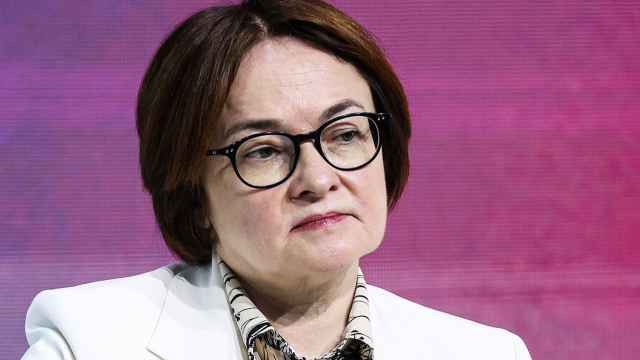
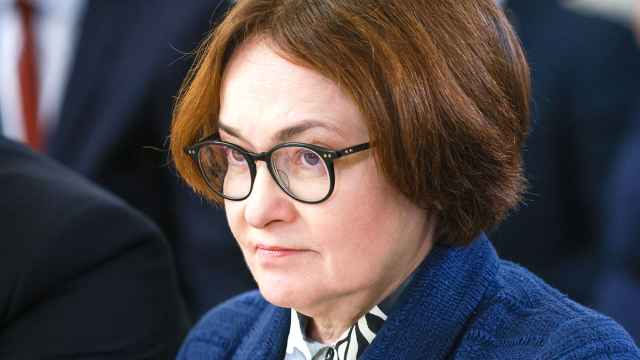
Nabiullina, who on Friday appeared in public for the first time in two weeks, also sought to dispel rumors about her health and why she had missed the annual St. Petersburg Economic Forum in early June.
“I had a cold and lost my voice for a while. All I can say is that I am thankful for everyone who was genuinely concerned about my health,” she said.
The Financial Times, citing anonymous sources, reported earlier that Nabiullina had fallen ill with a serious respiratory infection.
Sofia Donets, chief economist at T-Investments, said Friday’s rate cut was a sign that “conservatism has hardened” among Central Bank officials and that “room for maneuver has narrowed.”
“If this pace keeps up until the end of the year, the key rate will stay above 13%,” Donets said.
Investment banker Yevgeny Kogan echoed that sentiment, noting that the Central Bank’s warning that an expanding budget deficit will demand tighter monetary policy means the key rate is set to remain relatively high.
“I think this means we’ll be living with double-digit rates through next year as well, and we can pretty much forget about the Central Bank’s 8-10% forecast for 2027,” Kogan said.
Russian stocks fell after the rate-cut announcement. The ruble-denominated MOEX benchmark slid more than 1.6% in afternoon trading.
Russia’s economy contracted by 0.2% in annualized terms between January and March, according to the state statistics agency Rosstat. Policymakers now expect GDP to grow by just 0.4% this year, a significant decrease from their previous estimate of 1.3%.
This month, President Vladimir Putin acknowledged the slowdown but placed the responsibility for a turnaround squarely on state officials.
“Yes, economic growth is currently subdued. I want to remind the government of the target they’ve been set: we need to return to a path of sustainable domestic economic growth starting as early as next year,” Putin said at the St. Petersburg International Economic Forum.
At the same time, Russia’s Finance Ministry has said it does not consider the country’s widening budget deficit a crisis, despite the shortfall surpassing 6 trillion rubles ($83.5 billion) in the first five months of the year.
The Central Bank will hold its next key rate meeting on July 24.
A Message from The Moscow Times:
Dear readers,
We are facing unprecedented challenges. Russia's Prosecutor General's Office has designated The Moscow Times as an "undesirable" organization, criminalizing our work and putting our staff at risk of prosecution. This follows our earlier unjust labeling as a "foreign agent."
These actions are direct attempts to silence independent journalism in Russia. The authorities claim our work "discredits the decisions of the Russian leadership." We see things differently: we strive to provide accurate, unbiased reporting on Russia.
We, the journalists of The Moscow Times, refuse to be silenced. But to continue our work, we need your help.
Your support, no matter how small, makes a world of difference. If you can, please support us monthly starting from just $2. It's quick to set up, and every contribution makes a significant impact.
By supporting The Moscow Times, you're defending open, independent journalism in the face of repression. Thank you for standing with us.

Remind me later.