In Photos: Chernobyl, 40 Years On

April 26, marks the 40th anniversary of the Chernobyl nuclear disaster in Ukraine.
At 01:23 that morning, while concluding a safety test, reactor No. 4 went into meltdown, triggering a massive steam explosion that sent radioactive fallout across Europe.
It remains the largest nuclear disaster in history, with an environmental, social and healthcare cost estimated to have exceeded $700 billion.
The disaster permanently damaged public trust in more than just nuclear power, sending political shockwaves across the U.S.S.R.
Soviet leader Mikhail Gorbachev would later say “Even more than my launch of perestroika, [it] was perhaps the real cause of the collapse of the Soviet Union.”
Decades on, the war in Ukraine has meant Chernobyl remains darkly relevant. Last year a Russian drone strike seriously damaged the site’s outer protection, requiring $584 million in repairs to ensure radiation remains confined.
These photos trace the disaster, ensuing cleanup efforts and Chernobyl’s fragile place amid war.
At 01:23 that morning, while concluding a safety test, reactor No. 4 went into meltdown, triggering a massive steam explosion that sent radioactive fallout across Europe.
It remains the largest nuclear disaster in history, with an environmental, social and healthcare cost estimated to have exceeded $700 billion.
The disaster permanently damaged public trust in more than just nuclear power, sending political shockwaves across the U.S.S.R.
Soviet leader Mikhail Gorbachev would later say “Even more than my launch of perestroika, [it] was perhaps the real cause of the collapse of the Soviet Union.”
Decades on, the war in Ukraine has meant Chernobyl remains darkly relevant. Last year a Russian drone strike seriously damaged the site’s outer protection, requiring $584 million in repairs to ensure radiation remains confined.
These photos trace the disaster, ensuing cleanup efforts and Chernobyl’s fragile place amid war.
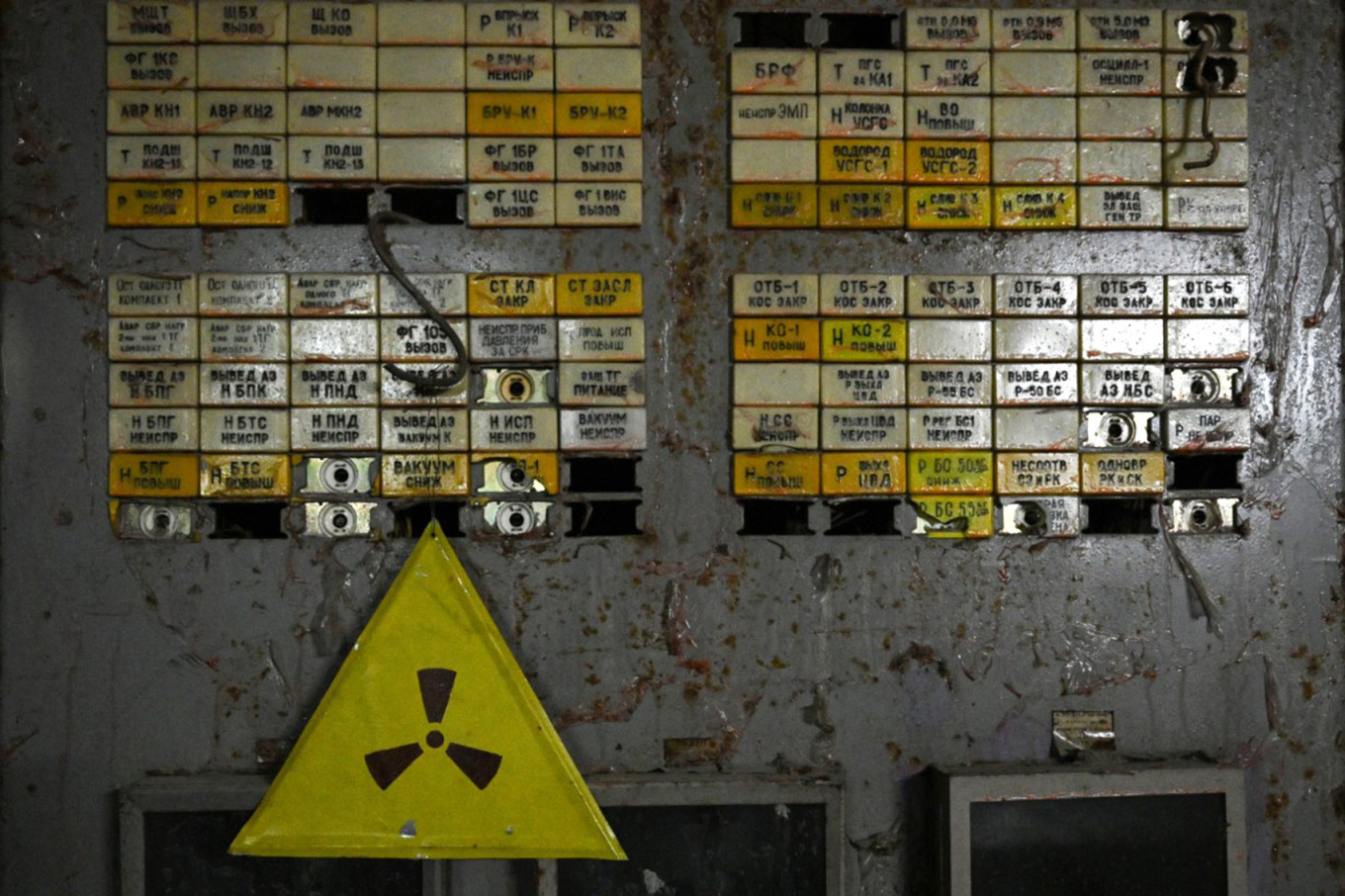
A radioactivity sign on a panel in the control room of the destroyed fourth block of the Chernobyl Nuclear Power Plant. The three pronged symbol is known as a 'trefoil' and has become an enduring symbol associated with the disaster. The engineers in the control room at the time of the accident were not those originally scheduled to do the test, but instead night shift workers given the task due to delays earlier in the day.
Genya Savilov / AFP
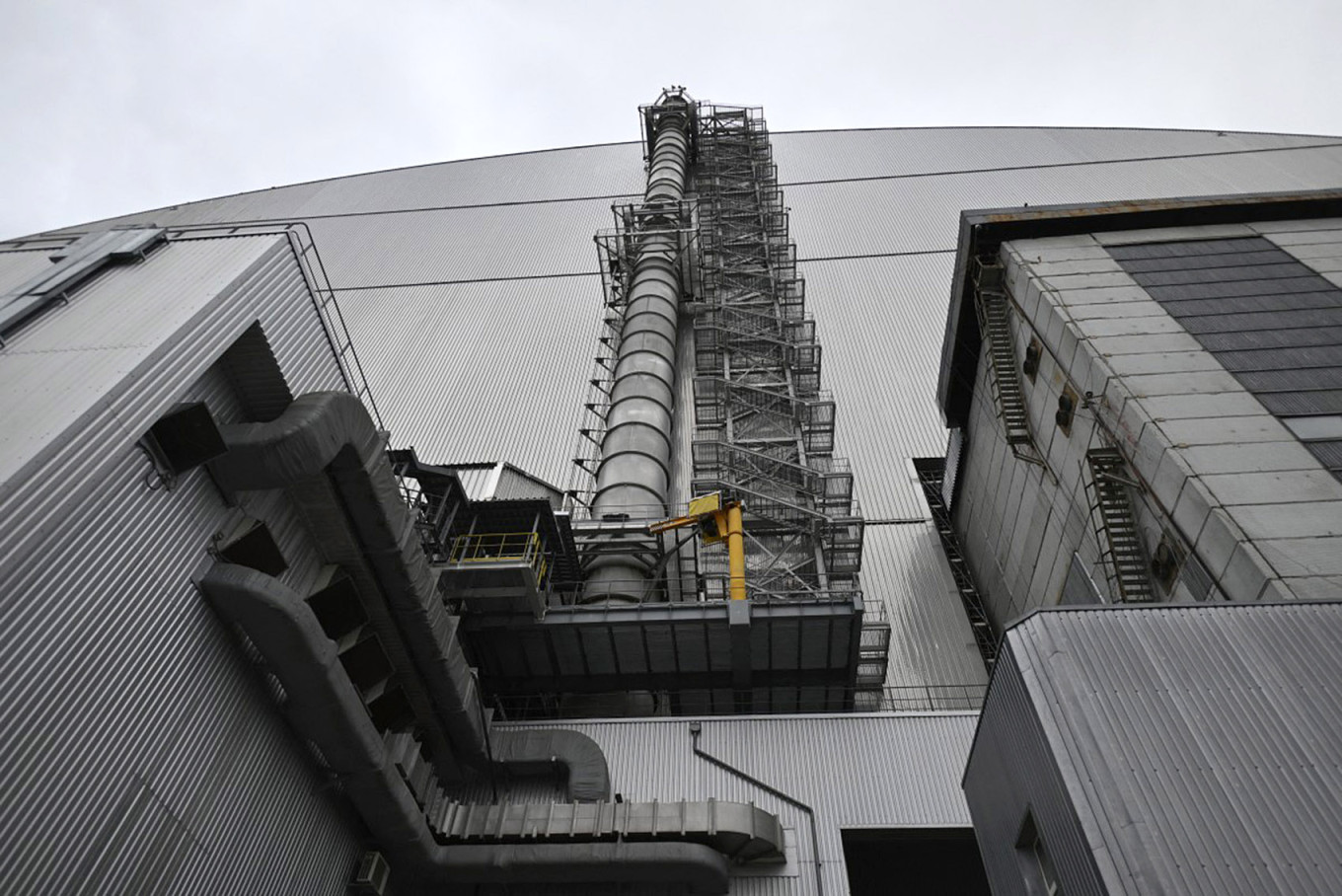
A view of the metal dome of the New Safe Confinement (NSC), which encases the sarcophagus covering the destroyed reactor. Completed in 2016, its construction cost $1.74 billion, which was raised by a number of international partners and governments. Not only does the NSC better confine radiation, but it also enables the dismantling of the sarcophagus and further disassembly of the reactor.
Genya Savilov / AFP
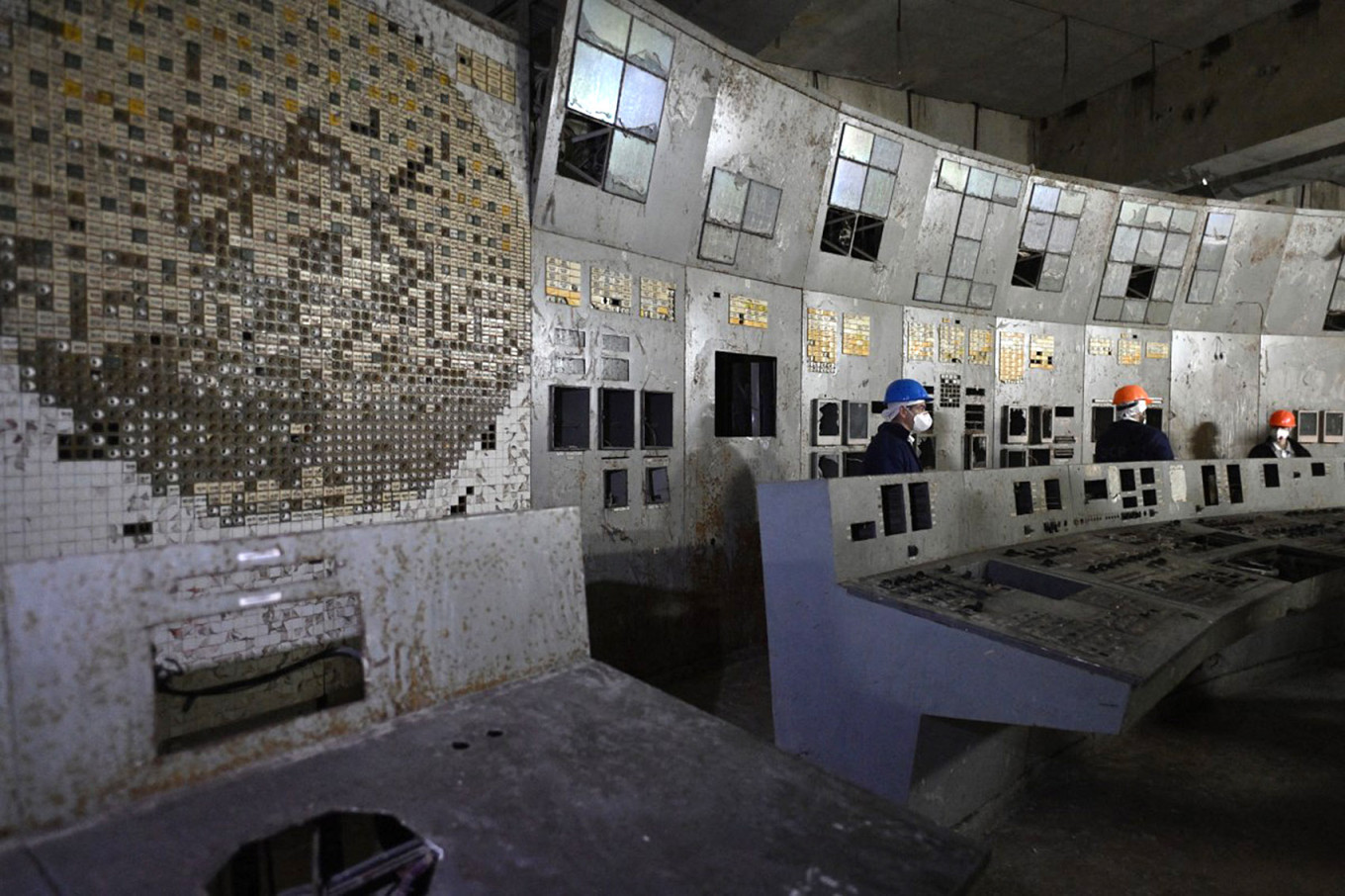
Dressed in protective clothing, Greenpeace representatives and members of the media visit the control room of reactor No. 4. Visits to the site involve strict protective protocols and may only last a short duration.
Genya Savilov / AFP
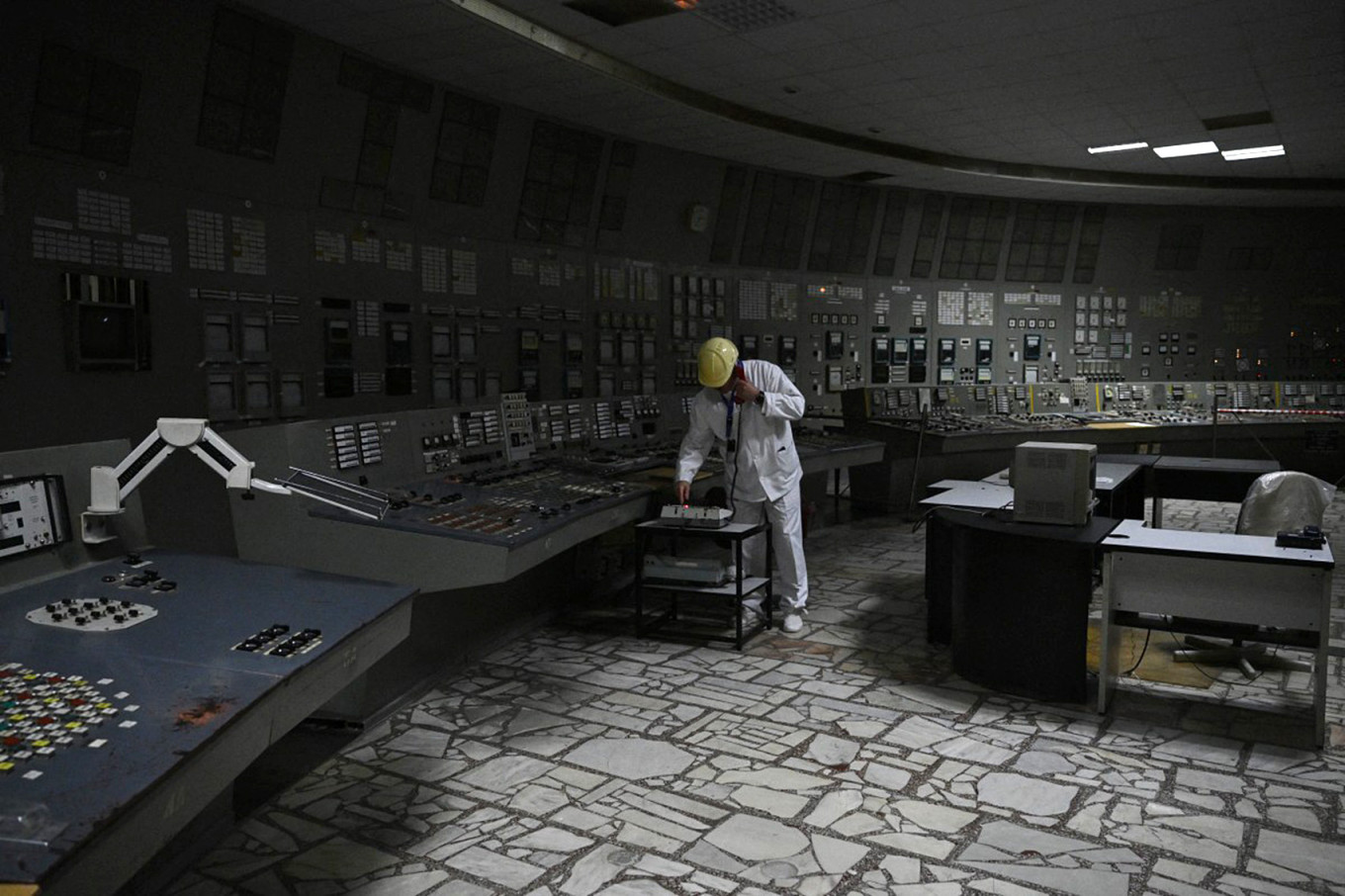
Oleksandr Skomarokhov, Chernobyl's deputy technical director for radioactive waste management, makes a call from the control room of the now-defunct reactor No. 3. The site has maintained a small but constant population of technicians and specialists who manage containment and clean up operations, while being carefully monitored for radiation exposure.
Genya Savilov / AFP
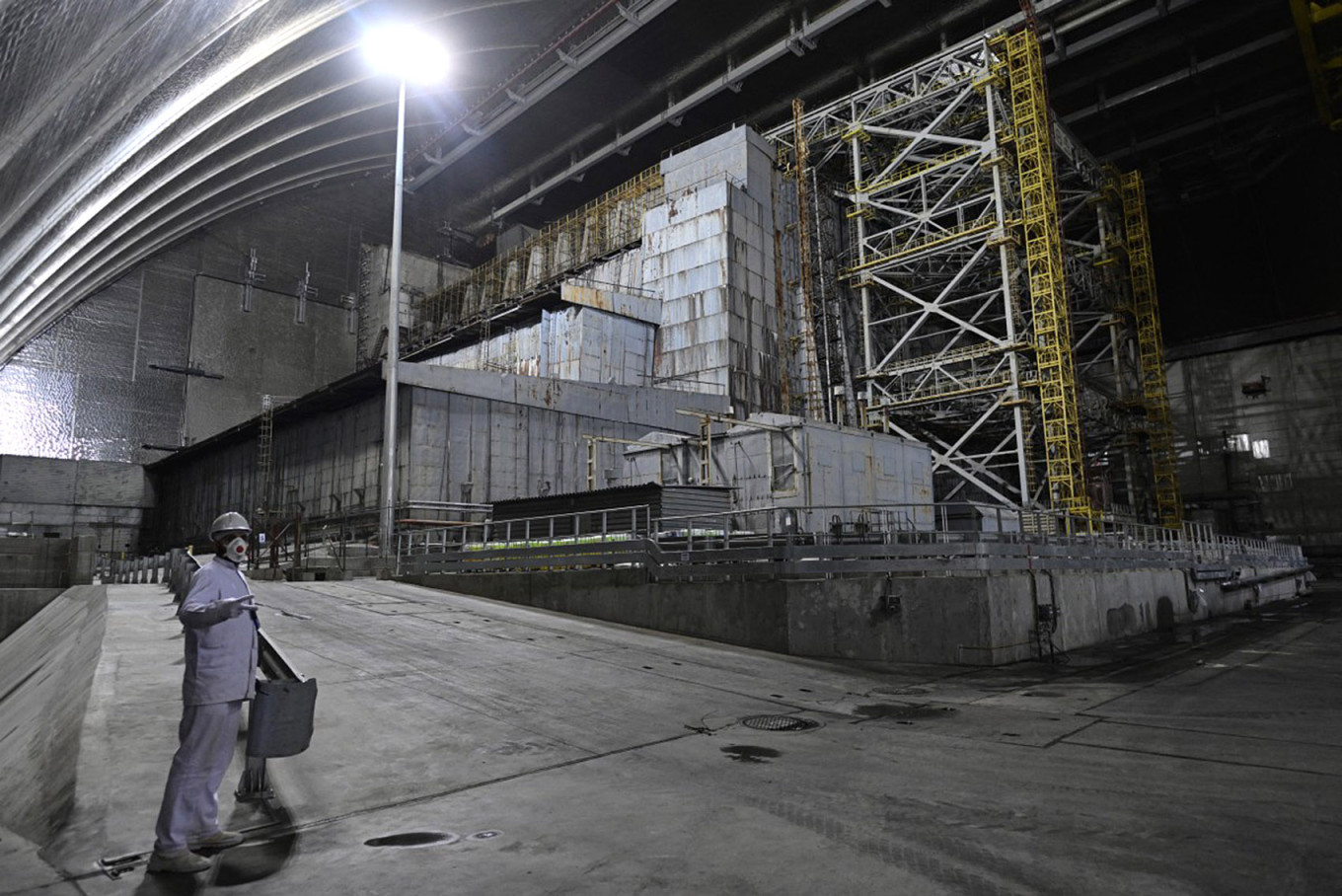
An employee of the plant stands in front of the sarcophagus covering the destroyed fourth reactor, itself confined under the New Safe Confinement (NSC). The sarcophagus itself has become increasingly structurally unsound, and has necessitated a number of stop gap repairs since its construction.
Genya Savilov / AFP
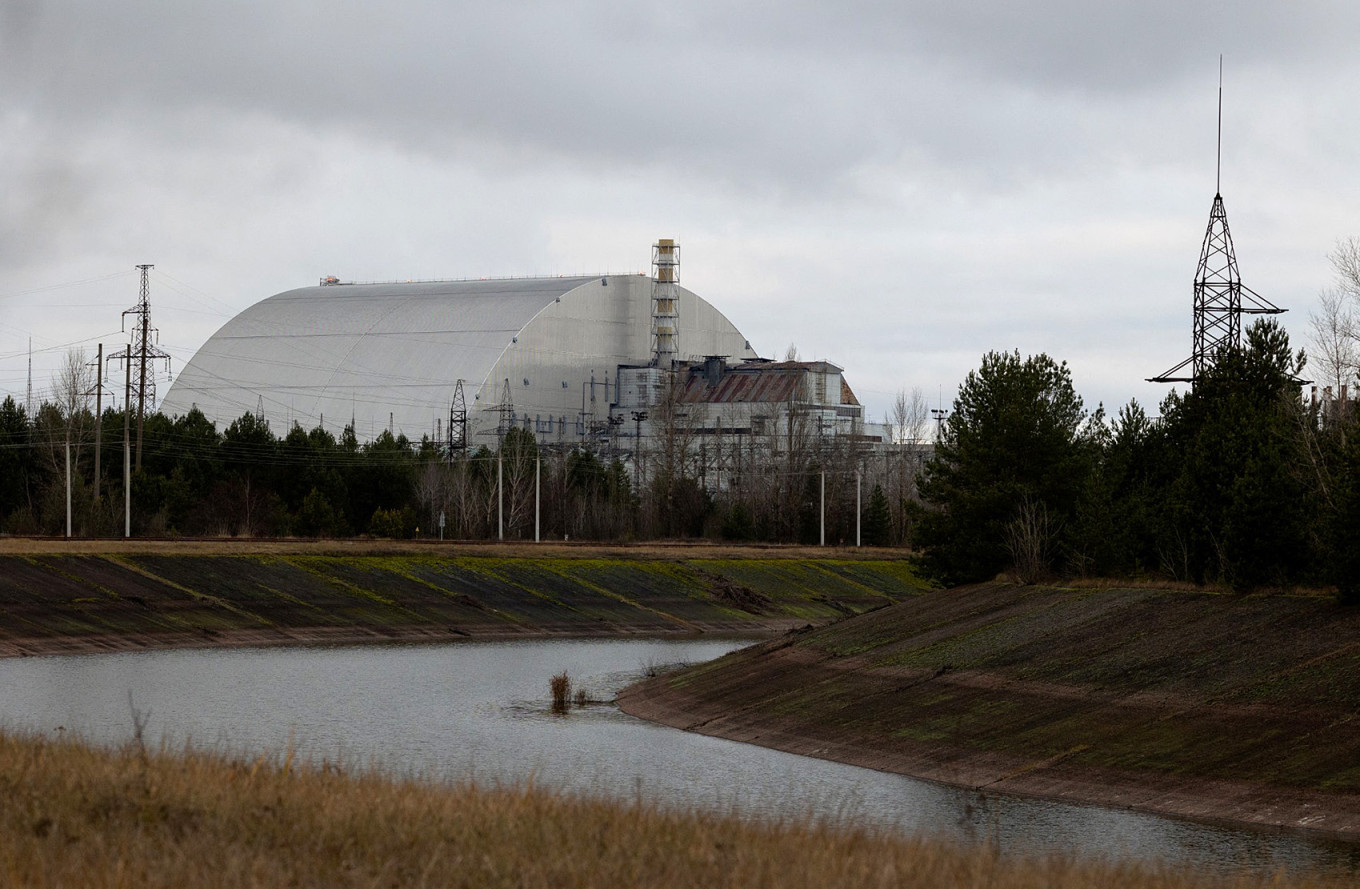
A distant view of the New Safe Confinement (NSC) which confines the sarcophagus and the radioactive dust, fuel pellets and reactor remains beneath. This is the building struck by the Russian drone in February of 2025.
Tetiana Dzhafarova / AFP
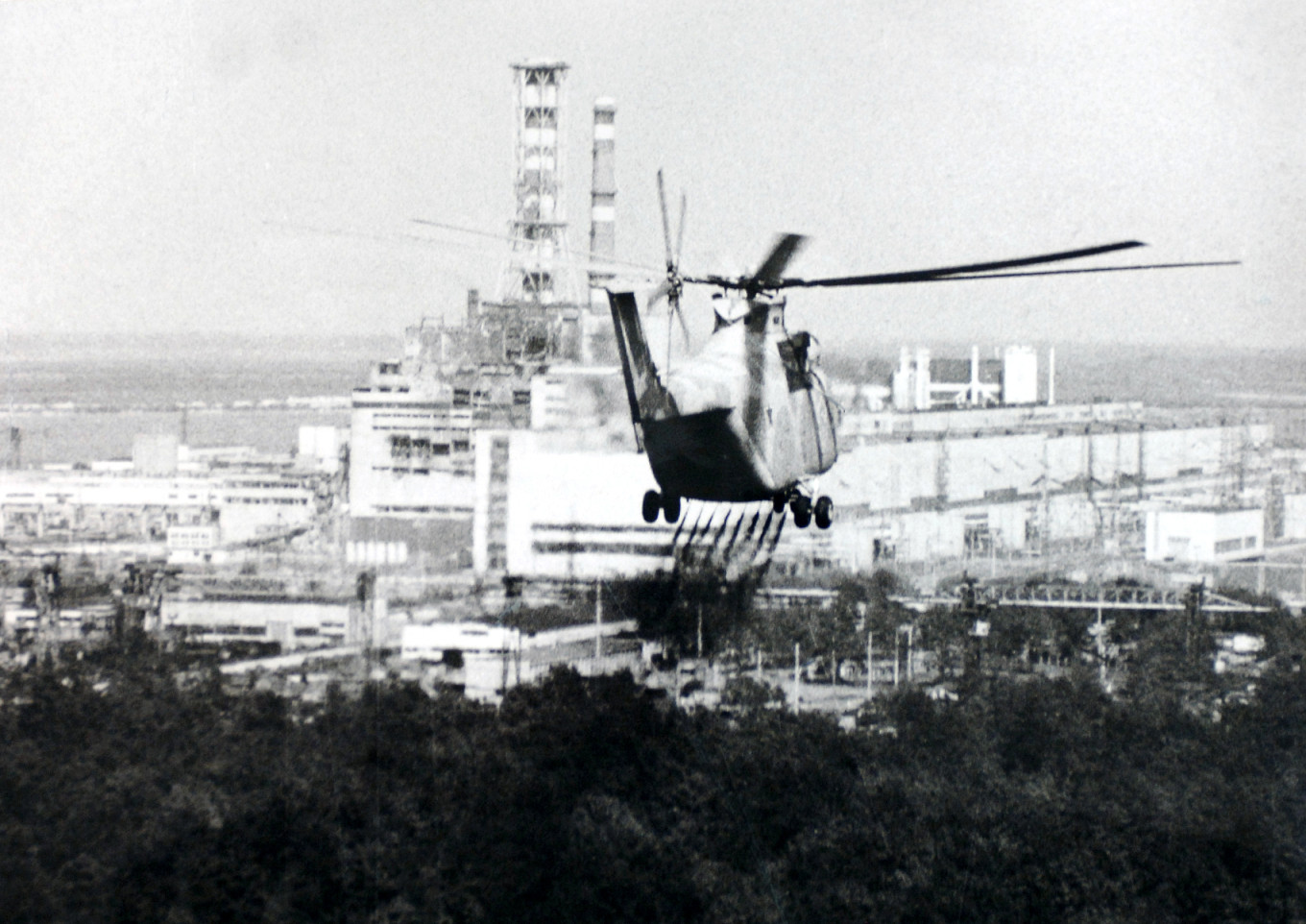
A helicopter sprays decontaminant in view of the Chernobyl Nuclear Power Plant in 1986. Helicopters distributed a variety of materials, including boron to halt nuclear fission, sand to smother fires and various adhesives like PVA glue, which would stick to irradiated dust, aiding in cleanup and preventing dispersal into the wind and soil.
USFCRFC / IAEA Imagebank
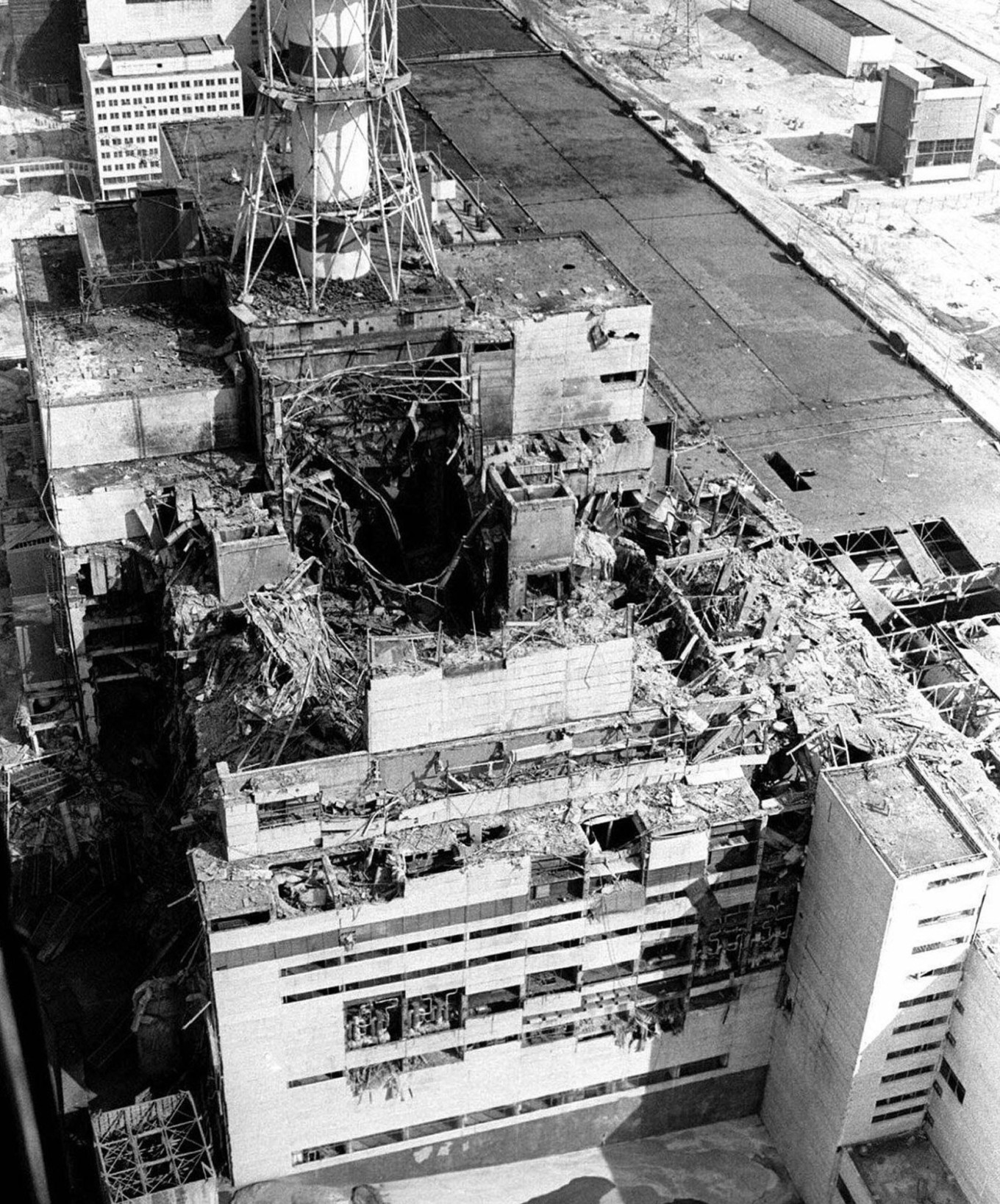
A view of the destroyed reactor, one of four RBMK units operating at the site in 1986. The huge steam explosion killed two engineers and burned several others, with the graphite core continuing to burn for 10 days. Following the disaster many nuclear plants previously scheduled to be built, were cancelled. With safety modifications learned from Chernobyl, RBMKs have remained in service for decades without incident, with Russia still operating seven.
USFCRFC / IAEA Imagebank
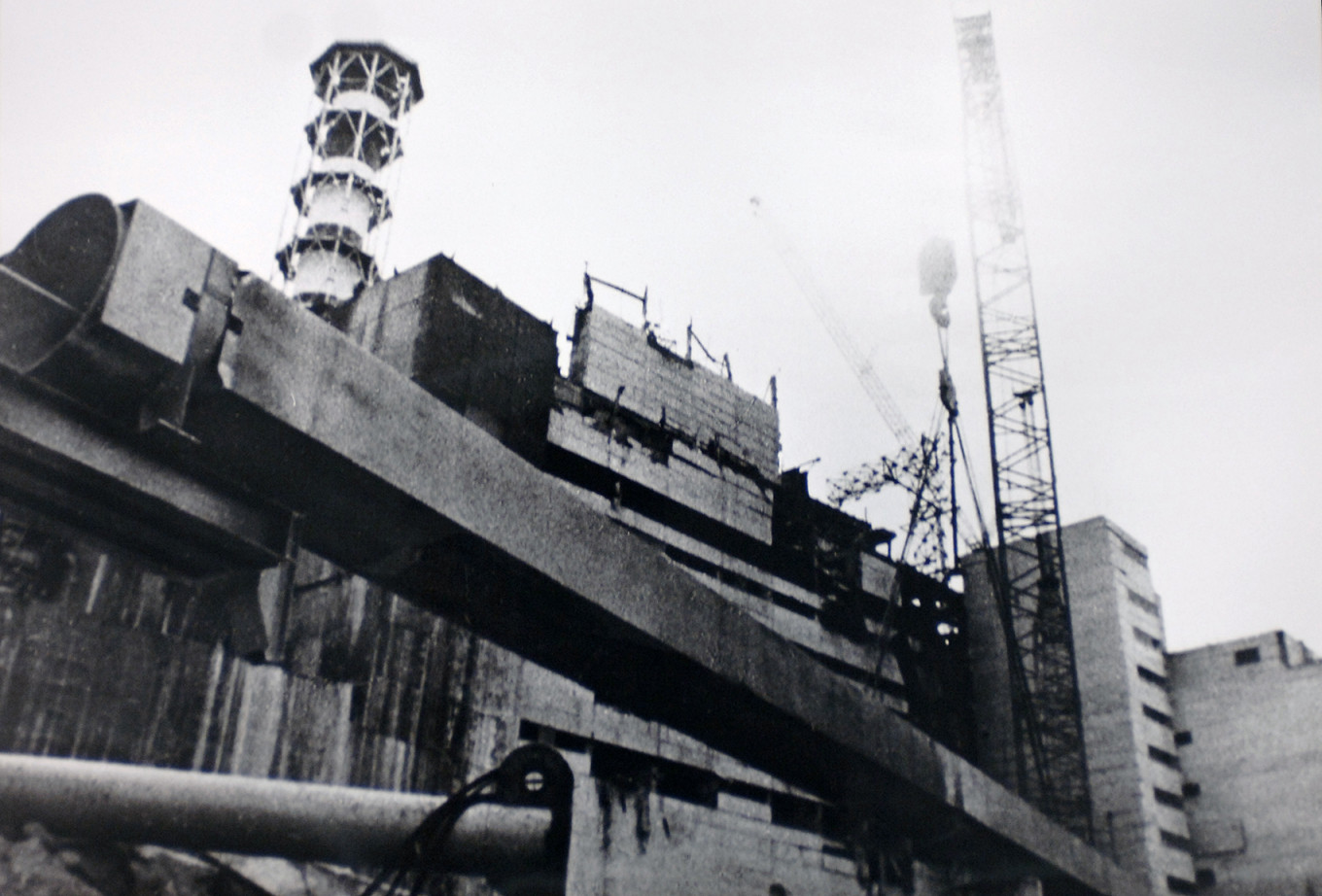
Preparatory steps for mounting the sarcophagus in 1986. The concrete and steel sarcophagus was built as a temporary measure to confine the enormous amounts of radiation-emitting material from both the atmosphere and to prevent it being spread by wind and rain. It was completed just 230 days after the accident, using over 400,000 cubic meters of concrete and 7400 tonnes of metal structuring. Estimated to last only 20-30 years at the time of construction, it is currently in the process of being dismantled to continue clean up operations and the creation of longer term solutions.
USFCRFC / IAEA Imagebank
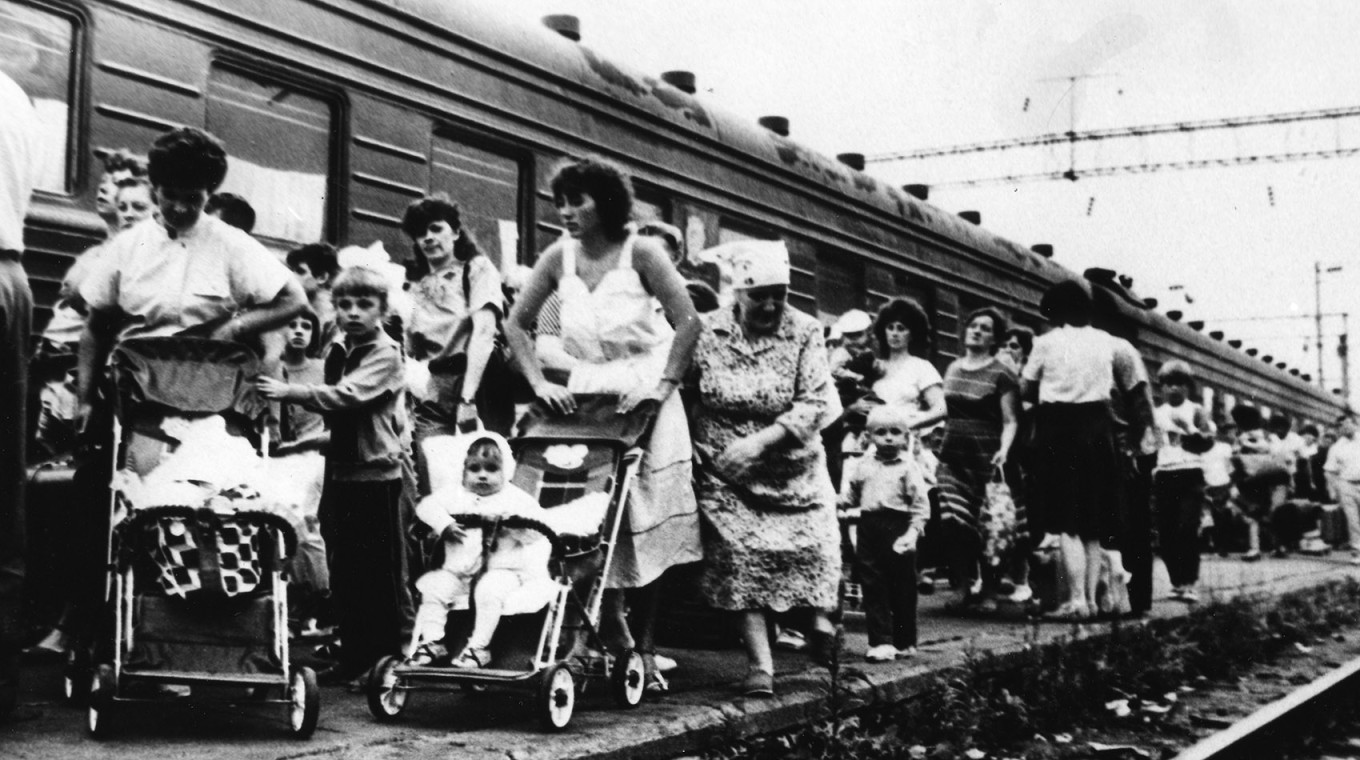
A photo from 1990, showing children from radiation-contaminated areas going abroad for medical treatment following invitations by foreign governments. Italy accounted for over half of the health trips from the Belarusian and Ukrainian children affected by Chernobyl.
USFCRFC / IAEA Imagebank
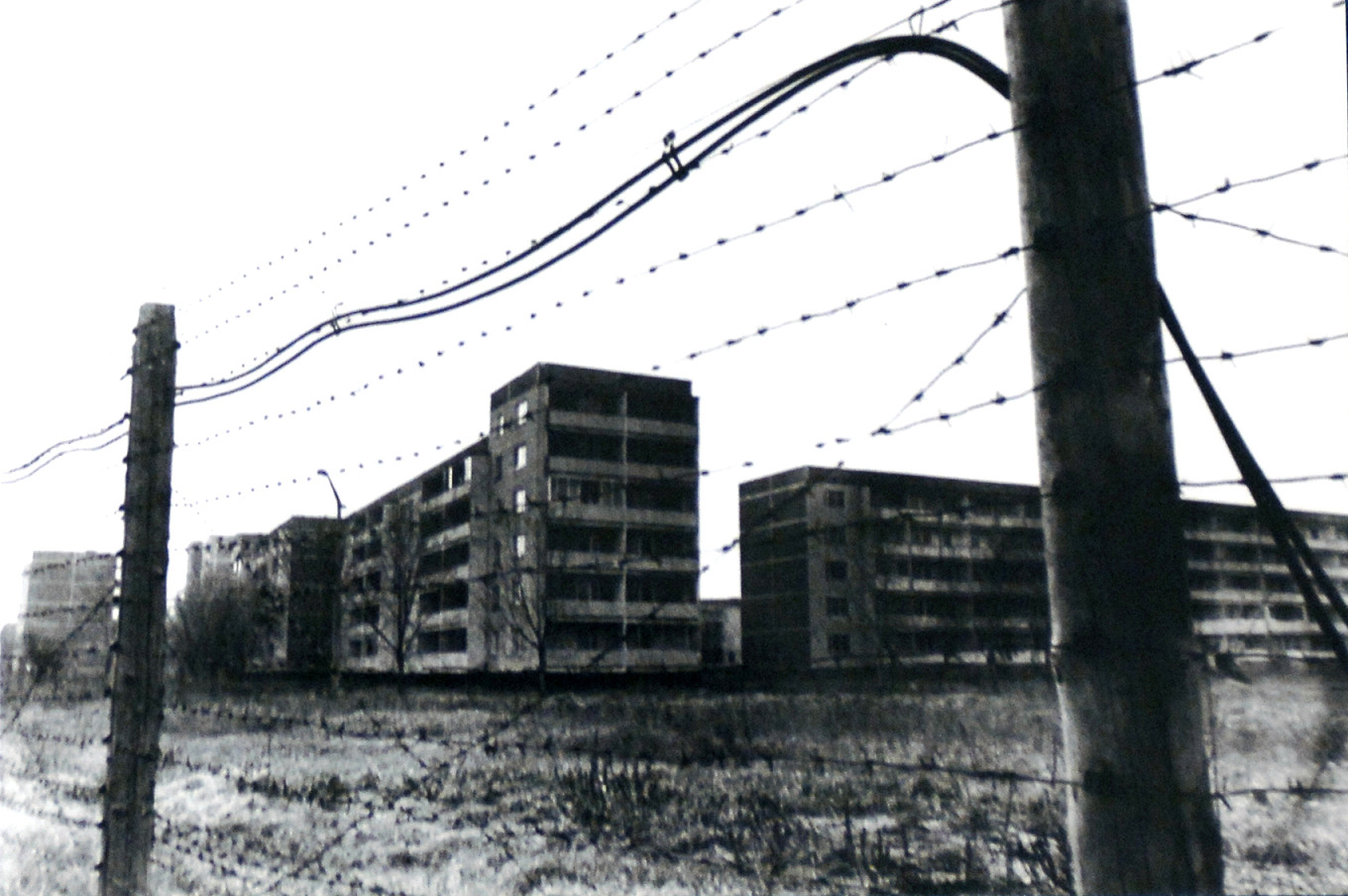
A view of the town of Pripyat after the accident, less than 15km from Chernobyl. The town was an "atomgrad," a closed city built for nuclear workers. Its population before the accident numbered over 49,000. The bustling city had an average age of just 26. Pripyat had 15 primary schools and kindergartens, dozens of sports facilities and playgrounds, a hospital and a palace of culture that boasted a cinema and art school. After the disaster, the entire population had to be evacuated and the city was abandoned.
USFCRFC / IAEA Imagebank