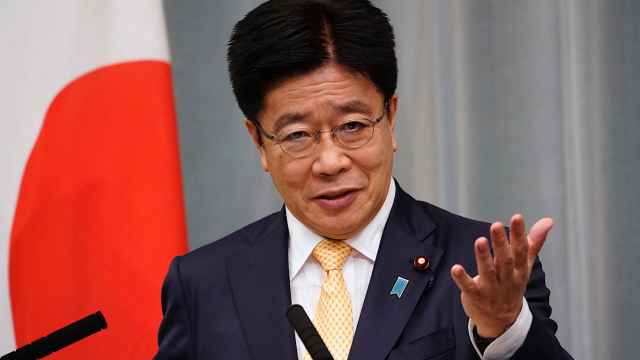

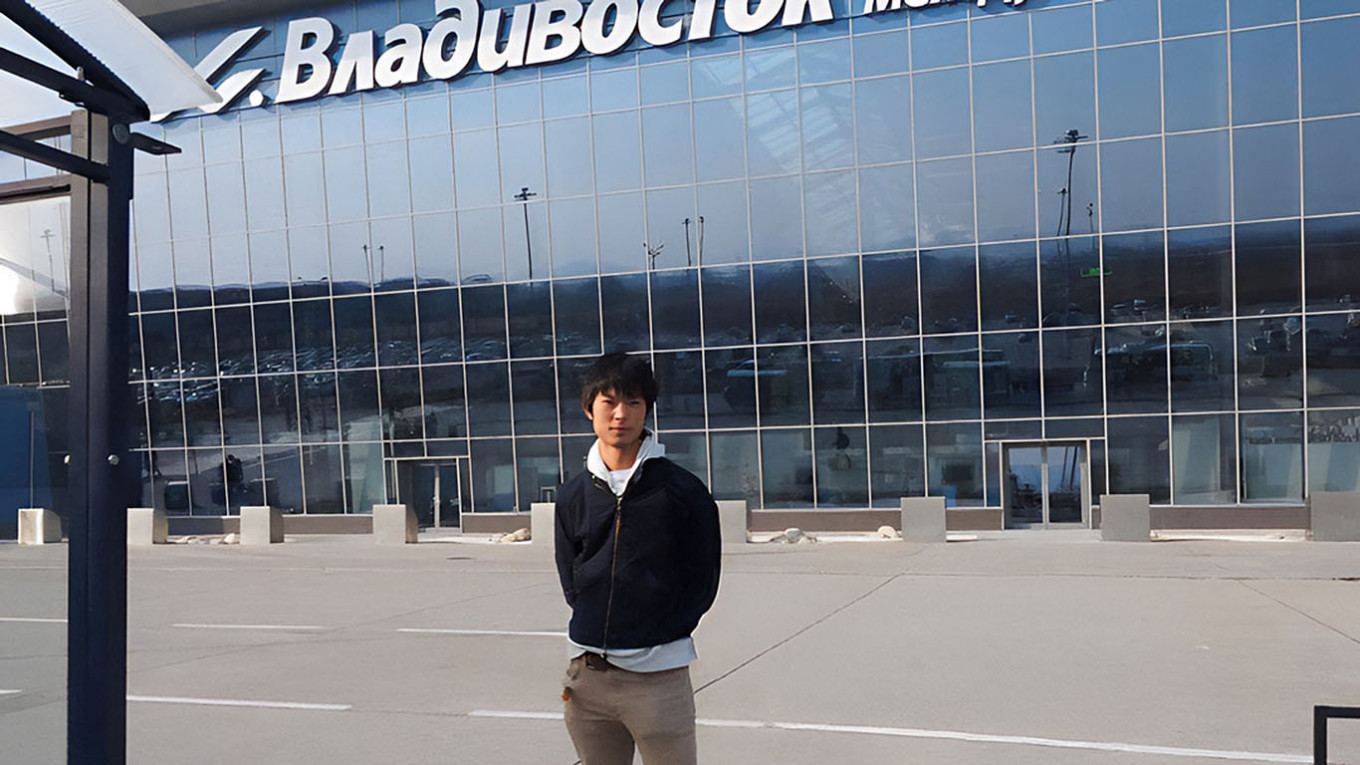
Japanese Foreign Minister Toshimitsu Motegi met Russian Foreign Minister Sergei Lavrov on the sidelines of a G20 meeting in Atlanta on Friday and demanded the release of Japanese journalist Yuki Imai, who was detained in Russia's Sakhalin region on Oct. 13.
The rare high-level meeting between the two countries came amid strained ties over Ukraine and a long-running territorial dispute.
“Minister Motegi made a demarche and an argument regarding various current issues between Japan and Russia,” a statement from Japan's embassy in Washington said.
“Regarding the detention of a Japanese national in Sakhalin Oblast, Minister Motegi strongly demanded the immediate release,” it added.
Russia said this month it had detained a Japanese journalist in its far eastern Sakhalin region on suspicion of espionage, marking a new low in bilateral relations that have worsened in recent months.
The case adds to long-running tensions between Russia and Japan, which have yet to sign a formal World War II peace treaty due to a territorial dispute over the Kuril Islands, known in Japan as the Northern Territories.
Those tensions heightened when Japan joined Western sanctions against Moscow over the war in Ukraine, with Russia regarding Japan as an “unfriendly” country. The two countries still do business, however, with Japan purchasing Russian liquefied natural gas.
The Japanese statement also said Motegi “strongly called on Russia to take positive actions toward achieving a just and lasting peace in Ukraine.”
It said the ministers “would maintain communication, even amid the severe situation in Japan-Russia relations.”
Russia's Interfax news agency cited Russia's Foreign Ministry as saying that “a brief talk between Russian Foreign Minister Lavrov and Japanese Foreign Minister Motegi” was held at Japan's request.
“The Russian side emphasized that the resumption of full-fledged interstate dialogue requires Tokyo to give up unfriendly policies,” it quoted the ministry as saying.
Earlier, foreign ministers from the G20 skipped a traditional group photo ahead of their meeting in Atlanta after European representatives objected to the presence of Russia over the war in Ukraine.
A Message from The Moscow Times:
Dear readers,
We are facing unprecedented challenges. Russia's Prosecutor General's Office has designated The Moscow Times as an "undesirable" organization, criminalizing our work and putting our staff at risk of prosecution. This follows our earlier unjust labeling as a "foreign agent."
These actions are direct attempts to silence independent journalism in Russia. The authorities claim our work "discredits the decisions of the Russian leadership." We see things differently: we strive to provide accurate, unbiased reporting on Russia.
We, the journalists of The Moscow Times, refuse to be silenced. But to continue our work, we need your help.
Your support, no matter how small, makes a world of difference. If you can, please support us monthly starting from just $2. It's quick to set up, and every contribution makes a significant impact.
By supporting The Moscow Times, you're defending open, independent journalism in the face of repression. Thank you for standing with us.

Remind me later.