
European Union countries agreed Thursday to a watered-down 21st package of sanctions against Russia over its invasion of Ukraine, freezing the Russian crude oil price cap following weeks of intense negotiations.
European Council President António Costa announced the deal on social media, stating that the new measures target energy, financial services, crypto and trade.
"Our support for Ukraine and for a just and sustainable peace remains unwavering," Costa wrote in a post on X.
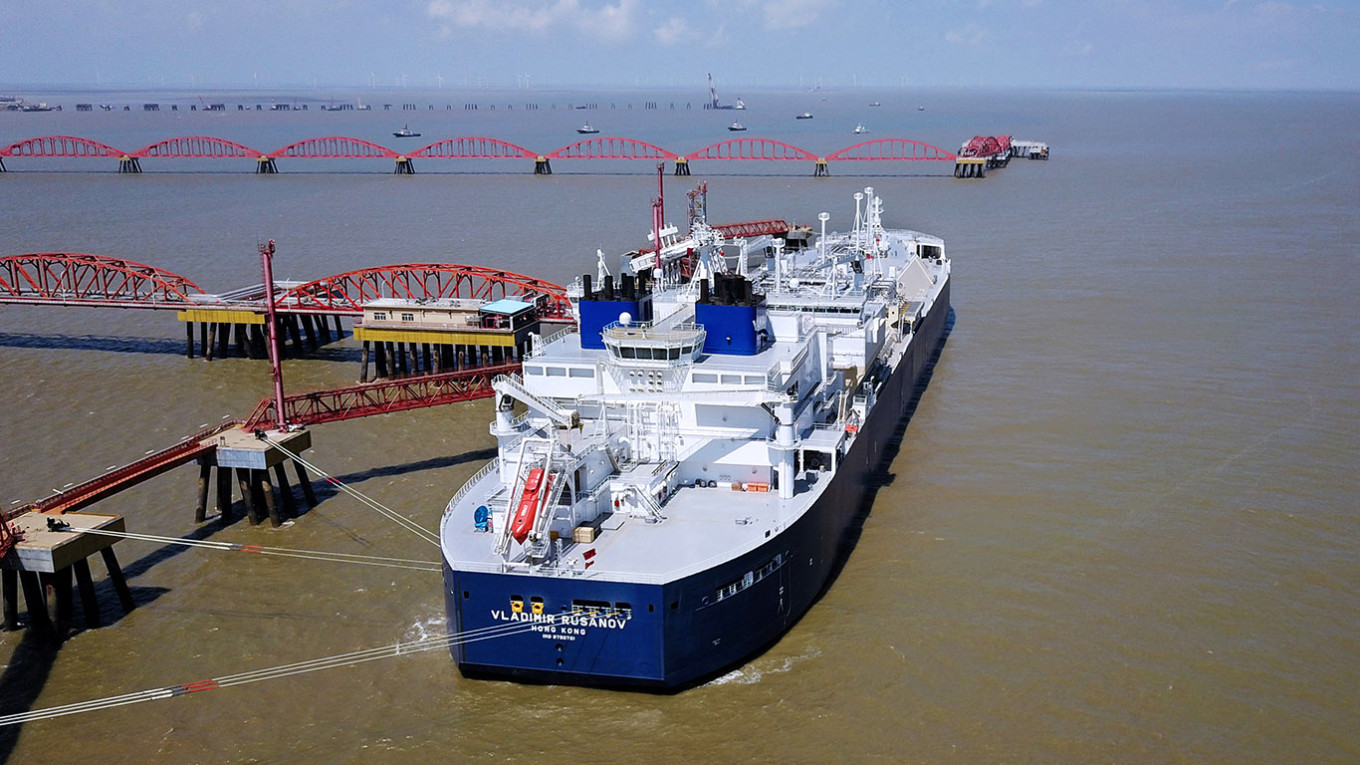
Diplomats said the final hurdle was cleared after Greece received an exemption allowing its shipping firms to continue transporting Russian liquefied natural gas from the Arctic.
EU ambassadors had been racing against a deadline to lock in the global Russian crude price cap at $44 per barrel. Under the agreement, that limit will remain frozen for 12 months to prevent an automatic jump that could have yielded financial gains for Russia amid rising oil prices driven by conflict in the Middle East.
While the new package targets Russia's financial sector and crypto firms and blacklists dozens more officials, several major proposals were stripped out or delayed due to objections from member states.
A proposed sweeping visa ban aimed at preventing Russian soldiers who fought in Ukraine from entering the EU was deferred, with member states committing only to work toward a ban in the future.
In addition, Bulgaria blocked a proposal to place Russian Orthodox Patriarch Kirill on an asset-freeze and visa-ban blacklist. Portugal and France successfully objected to a proposed ban on Russian cod and Alaskan pollock imports.
The new sanctions come amid Ukraine's mounting drone campaign against Russia, where it has hit oil refineries, fuel supply lines and, more recently, commercial logistics hubs.
"At a time when Ukraine has built military momentum, our sanctions continue to weaken the economic foundations of Russia's war effort," European Commission chief Ursula von der Leyen wrote online.
Although Russia has managed to weather years of Western sanctions, EU officials argue the measures are taking a growing toll.
However, diplomats warn that after 21 rounds of sanctions, finding new targets that command unanimous agreement among all 27 member states is becoming increasingly difficult.
A Message from The Moscow Times:
Dear readers,
We are facing unprecedented challenges. Russia's Prosecutor General's Office has designated The Moscow Times as an "undesirable" organization, criminalizing our work and putting our staff at risk of prosecution. This follows our earlier unjust labeling as a "foreign agent."
These actions are direct attempts to silence independent journalism in Russia. The authorities claim our work "discredits the decisions of the Russian leadership." We see things differently: we strive to provide accurate, unbiased reporting on Russia.
We, the journalists of The Moscow Times, refuse to be silenced. But to continue our work, we need your help.
Your support, no matter how small, makes a world of difference. If you can, please support us monthly starting from just $2. It's quick to set up, and every contribution makes a significant impact.
By supporting The Moscow Times, you're defending open, independent journalism in the face of repression. Thank you for standing with us.

Remind me later.