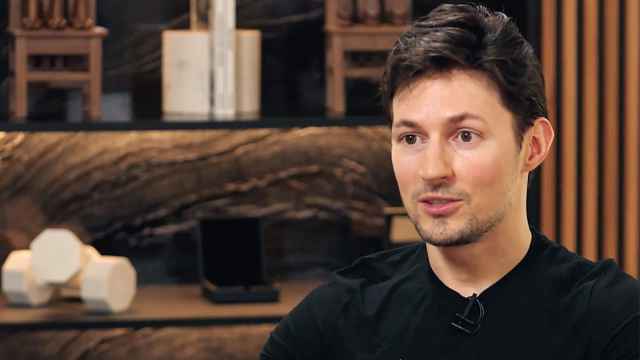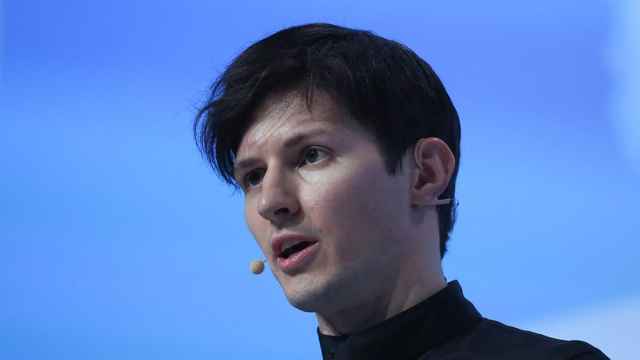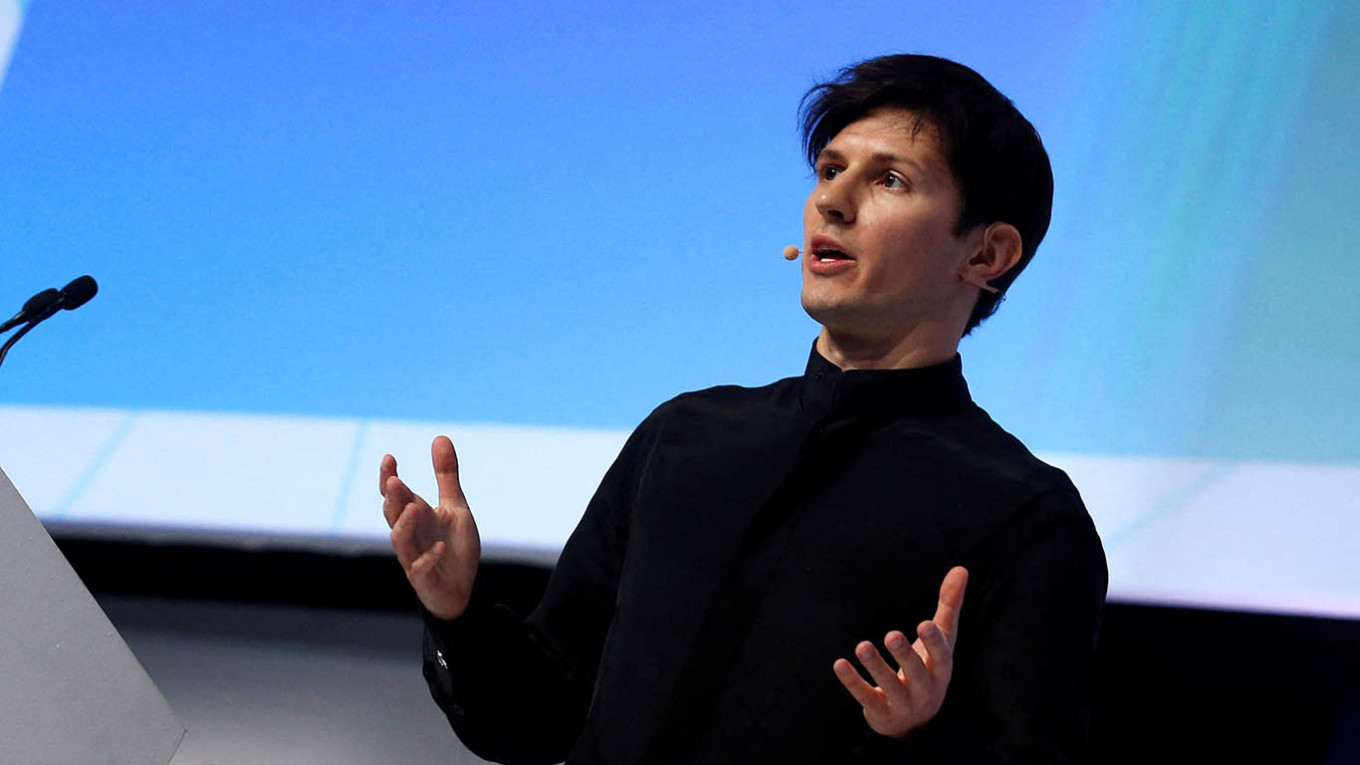
Russia's FSB security service announced Wednesday that it had issued a warrant for the arrest of Telegram founder Pavel Durov on charges of facilitating terrorist activities.
The FSB said the charges stemmed from Telegram's alleged failure to remove content used by Ukrainian intelligence services and "extremist" groups to coordinate sabotage, cyber fraud and armed attacks inside Russia.
Telegram's official account on X responded to Russia's arrest warrant for Durov by posting a photo of the Telegram founder giving the middle finger.
Durov, who lives in Dubai and also holds French and UAE citizenship, previously responded to reports that the FSB was investigating him by accusing the Russian authorities of trying to "fabricate pretexts" for a total ban on Telegram.
The charge of aiding terrorist activities carries a maximum prison sentence of 15 years in prison.
Durov's arrest warrant comes months after Russian state regulators introduced a number of restrictions on Telegram for allegedly serving as a haven for criminal activity.
Telegram, which has around 90 million users in Russia, has become difficult to use without a virtual private network, or VPN, as the state media regulator Roskomnadzor slows download speeds and blocks video and voice calls on the platform.
Durov has previously come under fire for moderation policies both in Russia and in the West.
In 2014, he left Russia after refusing to comply with demands to remove pages of opposition groups on the social media network VKontakte, which he founded in 2006.
French authorities are currently investigating him for alleged failure to cooperate with judicial authorities in removing illegal content on Telegram. He was arrested in France in August 2024 and indicted as part of that investigation, though he was released last year.
Reuters contributed reporting.
A Message from The Moscow Times:
Dear readers,
We are facing unprecedented challenges. Russia's Prosecutor General's Office has designated The Moscow Times as an "undesirable" organization, criminalizing our work and putting our staff at risk of prosecution. This follows our earlier unjust labeling as a "foreign agent."
These actions are direct attempts to silence independent journalism in Russia. The authorities claim our work "discredits the decisions of the Russian leadership." We see things differently: we strive to provide accurate, unbiased reporting on Russia.
We, the journalists of The Moscow Times, refuse to be silenced. But to continue our work, we need your help.
Your support, no matter how small, makes a world of difference. If you can, please support us monthly starting from just $2. It's quick to set up, and every contribution makes a significant impact.
By supporting The Moscow Times, you're defending open, independent journalism in the face of repression. Thank you for standing with us.

Remind me later.