

But while U.S.-Russian relations have hardly been a leading issue in the U.S. presidential campaign, there appear to be palpable differences in how the candidates will navigate the increasingly strained relationship.
In wide-ranging interviews with The Moscow Times, the chief Russia policy advisers for McCain and Obama both criticized what they described as Russia's recent retreat from democratic values and bullying of its former Soviet satellites. But they offered differing visions on how to tackle contentious issues in U.S.-Russian relations, including NATO expansion and missile defense.
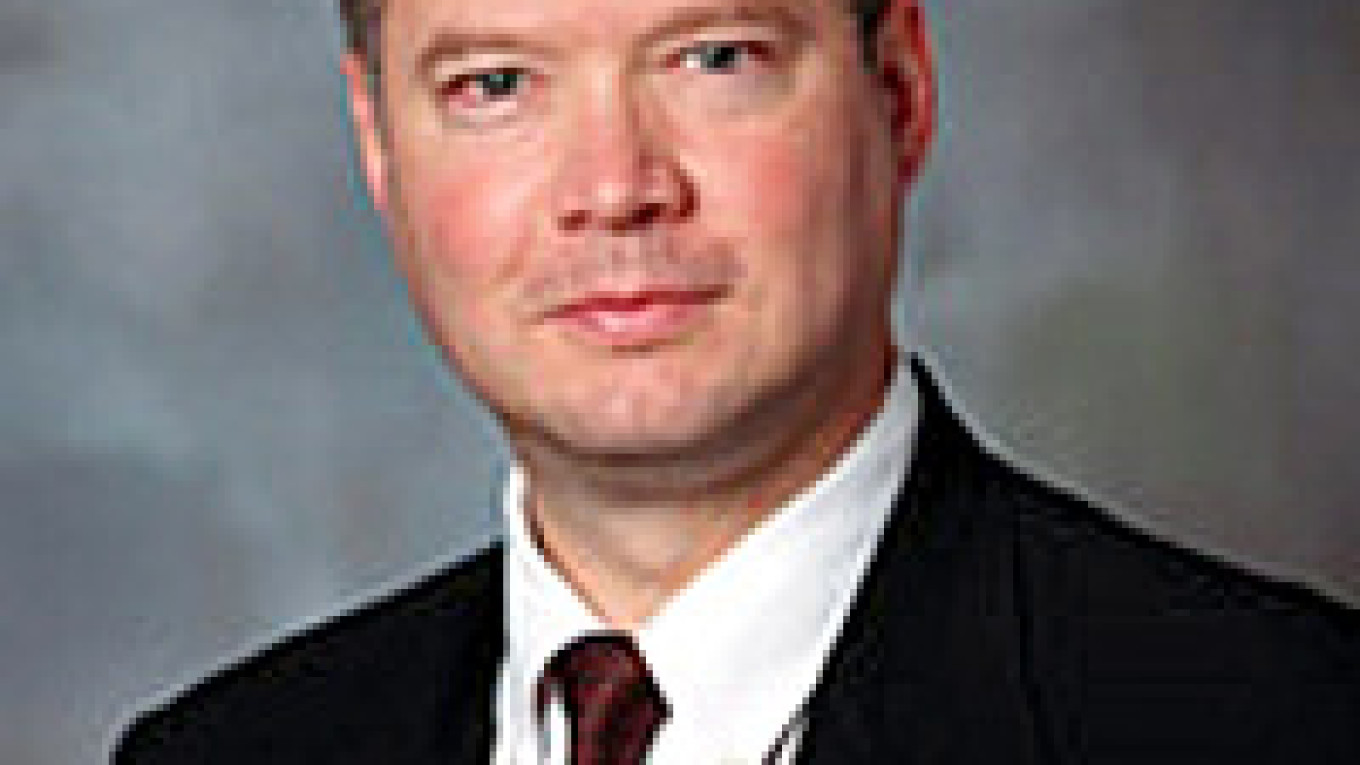
Stephen Biegun, a trained Russia expert and longtime congressional adviser who served as executive secretary of the U.S. National Security Council from 2001 to 2003, is McCain's top Russia adviser.
He described his view of the future of U.S.-Russian relations by taking a not-so-subtle jab at his former boss, U.S. President George W. Bush.
"It's very difficult for countries to maintain over time a strong level of cooperation simply anchored in an opportunistic judgment of shared interests," Biegun said. "There has to be more."
Frustrated by what many of his fellow conservatives see as Bush's failed appeasement of Putin, Biegun advocates muscular efforts to prevent Russia from dragging the continent back into what he called "a very dark era of European politics that we've left behind forever."
McCain has expressed his support for implementing Bush's plan to deploy elements of a missile-defense shield in Eastern Europe, despite Russia's objections to the shield. Abandoning missile defense, Biegun warned, would demoralize U.S. allies.
 carnegieendowment.org McFaul |  |
| |
Obama has publicly said a missile-defense system should be deployed only if it "would protect us and our allies" and "only when the system works." He said last year that the Bush administration has "exaggerated missile-defense capabilities and rushed deployment for political purposes."
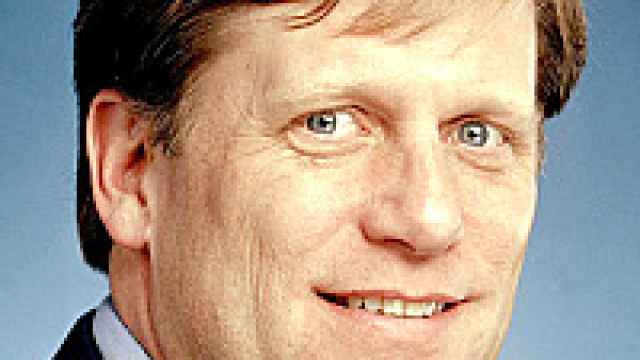
Michael McFaul, Obama's top Russia strategist and a political science professor at Stanford, called the Illinois senator "an engagement guy, not an isolation guy," a key foreign policy distinction between himself and Senator McCain, who has already pledged not to engage with governments isolated by the Bush administration such as North Korea and Iran.
"One has to think about arms control like a market negotiation," McFaul said. "When you go to buy a house from somebody, you don't have to share their values to do a deal to buy the house, so why can't we have that same separation in our own minds in terms of foreign policy?"
Clinton's camp declined repeated requests to be interviewed for this report. But Lee Feinstein, the national security director for her campaign, echoed Obama's position on missile defense.
"The Bush administration's approach on missile defense ?€” buy before you try ?€” has not strengthened our own security or that of our allies," Feinstein told Bloomberg.
Clinton and Obama square off Tuesday in a key primary in Pennsylvania, while McCain has already captured enough delegates to secure the Republican nomination in the November election.
On the issue of NATO expansion, the candidates have publicly espoused almost identical rhetoric. All three publicly supported extending Membership Action Plans, the first step toward NATO membership, to Georgia and Ukraine. Each expressed disappointment when French and German-led efforts to scuttle the invitations succeeded at the alliance's recent annual summit in Bucharest, Romania.
 harrywalker.com Brzezinski | |
| |
McFaul and Biegun differ sharply on how best to approach U.S.-Russian relations as NATO continues its eastward expansion. McFaul has long advocated offering NATO membership to Russia as a means to solve transcontinental disputes, an idea Biegun derided as "Pollyannaish."
Both McFaul and Biegun said the Bush administration's Russia policy had been an abject failure on issues ranging from human rights to energy security. They derided Bush for what they see as failed efforts to placate Putin into complying with U.S. and European policy initiatives.
"I think there's a fundamental false trade-off that many people make, and most certainly the Bush administration has accepted this false trade-off, that if you talk about democracy and you stand up for human rights, you're going to alienate President Putin and you're not going together him to do the real things that matter to America," Biegun said.
The Kremlin has so far expressed little interest publicly in the U.S. presidential campaign, certainly far less than the U.S. candidates did in Russia's recent elections, which Clinton called "a milestone in that country's retreat from democracy."
Dmitry Rogozin, Russia's ambassador to NATO, candidly expressed doubts that any of the candidates offered much hope for speedy rapprochement.
"All in all, I can say that we're not waiting for whichever candidate wins the elections to make our relations radically better," Rogozin said by telephone from Brussels.
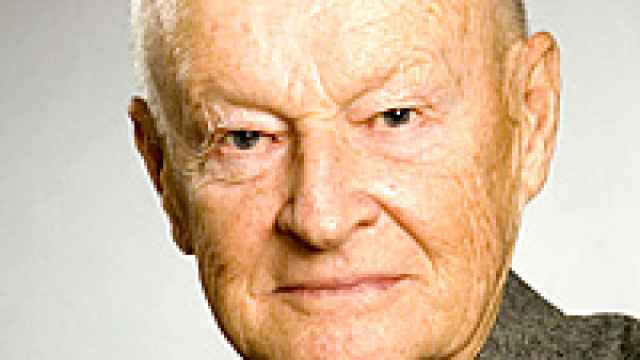
Rogozin admitted that of the three candidates, he knows the least about Obama, although he expressed concern at his choice of Zbigniew Brzezinski, a notorious Russia hawk and cold warrior, to his foreign policy team.
Rose Gottemoeller, director of the Carnegie Moscow Center, said U.S.-Russian relations could be in for a "rough ride" in the first two years of a McCain presidency, but McCain could then "moderate his views over time." Obama and Clinton, while both expressing concern about the "course of reforms" in Russia, appear more inclined to develop a more wide-ranging relationship, Gottemoeller said.
Regardless of which candidate ends up in the White House, both sides will likely be driven by pragmatism, Gottemoeller said. "Both countries have so many important issues that they need to have success on working with each other," she said.
A Message from The Moscow Times:
Dear readers,
We are facing unprecedented challenges. Russia's Prosecutor General's Office has designated The Moscow Times as an "undesirable" organization, criminalizing our work and putting our staff at risk of prosecution. This follows our earlier unjust labeling as a "foreign agent."
These actions are direct attempts to silence independent journalism in Russia. The authorities claim our work "discredits the decisions of the Russian leadership." We see things differently: we strive to provide accurate, unbiased reporting on Russia.
We, the journalists of The Moscow Times, refuse to be silenced. But to continue our work, we need your help.
Your support, no matter how small, makes a world of difference. If you can, please support us monthly starting from just $2. It's quick to set up, and every contribution makes a significant impact.
By supporting The Moscow Times, you're defending open, independent journalism in the face of repression. Thank you for standing with us.

Remind me later.