
On the Road In Russia


Russia's notoriously bad roads have proven to be both a curse for the country and a major source of inspiration for its literary culture.
While poor-quality roads have always been blamed as one of the main hindrances to the development of the country's vast landmass, they also have an existential significance reflected in the common saying: "Every road must lead to a church".
?
Over centuries of exploration and setting new lands, roads have acquired a distinctive status, with many attributing their dire state to the national mentality, or even a current strategy: Foreign armies will get stuck in the mud and therefore will not reach Russian cities. For many cities, however, it is not poor roads that separate them from the rest of the country, but no transport connection at all: More than 12,000 towns and villages — home to more than 12 million people — lack any road connection to the rest of the country.
Worse still, 27,025 people died in Russian road accidents in 2013, four times the EU average. In many of those accidents, the condition of the road was identified as a contributing cause.
In the past decade, the government has doubled spending on roads, but so far there has been no breakthrough as construction prices rose at the same pace.
See our previous Photo Gallery:
Russian Art Event Celebrates 20th Anniversary
While poor-quality roads have always been blamed as one of the main hindrances to the development of the country's vast landmass, they also have an existential significance reflected in the common saying: "Every road must lead to a church".
?
Over centuries of exploration and setting new lands, roads have acquired a distinctive status, with many attributing their dire state to the national mentality, or even a current strategy: Foreign armies will get stuck in the mud and therefore will not reach Russian cities. For many cities, however, it is not poor roads that separate them from the rest of the country, but no transport connection at all: More than 12,000 towns and villages — home to more than 12 million people — lack any road connection to the rest of the country.
Worse still, 27,025 people died in Russian road accidents in 2013, four times the EU average. In many of those accidents, the condition of the road was identified as a contributing cause.
In the past decade, the government has doubled spending on roads, but so far there has been no breakthrough as construction prices rose at the same pace.
See our previous Photo Gallery:
Russian Art Event Celebrates 20th Anniversary
Vladimir Filonov / MT

Russia's notoriously bad roads have proven to be both a curse for the country and a major source of inspiration for its literary culture.
While poor-quality roads have always been blamed as one of the main hindrances to the development of the country's vast landmass, they also have an existential significance reflected in the common saying: "Every road must lead to a church".
?
Over centuries of exploration and setting new lands, roads have acquired a distinctive status, with many attributing their dire state to the national mentality, or even a current strategy: Foreign armies will get stuck in the mud and therefore will not reach Russian cities. For many cities, however, it is not poor roads that separate them from the rest of the country, but no transport connection at all: More than 12,000 towns and villages — home to more than 12 million people — lack any road connection to the rest of the country.
Worse still, 27,025 people died in Russian road accidents in 2013, four times the EU average. In many of those accidents, the condition of the road was identified as a contributing cause.
In the past decade, the government has doubled spending on roads, but so far there has been no breakthrough as construction prices rose at the same pace.
See our previous Photo Gallery:
Russian Art Event Celebrates 20th Anniversary
While poor-quality roads have always been blamed as one of the main hindrances to the development of the country's vast landmass, they also have an existential significance reflected in the common saying: "Every road must lead to a church".
?
Over centuries of exploration and setting new lands, roads have acquired a distinctive status, with many attributing their dire state to the national mentality, or even a current strategy: Foreign armies will get stuck in the mud and therefore will not reach Russian cities. For many cities, however, it is not poor roads that separate them from the rest of the country, but no transport connection at all: More than 12,000 towns and villages — home to more than 12 million people — lack any road connection to the rest of the country.
Worse still, 27,025 people died in Russian road accidents in 2013, four times the EU average. In many of those accidents, the condition of the road was identified as a contributing cause.
In the past decade, the government has doubled spending on roads, but so far there has been no breakthrough as construction prices rose at the same pace.
See our previous Photo Gallery:
Russian Art Event Celebrates 20th Anniversary
Vladimir Filonov / MT

Russia's notoriously bad roads have proven to be both a curse for the country and a major source of inspiration for its literary culture.
While poor-quality roads have always been blamed as one of the main hindrances to the development of the country's vast landmass, they also have an existential significance reflected in the common saying: "Every road must lead to a church".
?
Over centuries of exploration and setting new lands, roads have acquired a distinctive status, with many attributing their dire state to the national mentality, or even a current strategy: Foreign armies will get stuck in the mud and therefore will not reach Russian cities. For many cities, however, it is not poor roads that separate them from the rest of the country, but no transport connection at all: More than 12,000 towns and villages — home to more than 12 million people — lack any road connection to the rest of the country.
Worse still, 27,025 people died in Russian road accidents in 2013, four times the EU average. In many of those accidents, the condition of the road was identified as a contributing cause.
In the past decade, the government has doubled spending on roads, but so far there has been no breakthrough as construction prices rose at the same pace.
See our previous Photo Gallery:
Russian Art Event Celebrates 20th Anniversary
While poor-quality roads have always been blamed as one of the main hindrances to the development of the country's vast landmass, they also have an existential significance reflected in the common saying: "Every road must lead to a church".
?
Over centuries of exploration and setting new lands, roads have acquired a distinctive status, with many attributing their dire state to the national mentality, or even a current strategy: Foreign armies will get stuck in the mud and therefore will not reach Russian cities. For many cities, however, it is not poor roads that separate them from the rest of the country, but no transport connection at all: More than 12,000 towns and villages — home to more than 12 million people — lack any road connection to the rest of the country.
Worse still, 27,025 people died in Russian road accidents in 2013, four times the EU average. In many of those accidents, the condition of the road was identified as a contributing cause.
In the past decade, the government has doubled spending on roads, but so far there has been no breakthrough as construction prices rose at the same pace.
See our previous Photo Gallery:
Russian Art Event Celebrates 20th Anniversary
Vladimir Filonov / MT

Russia's notoriously bad roads have proven to be both a curse for the country and a major source of inspiration for its literary culture.
While poor-quality roads have always been blamed as one of the main hindrances to the development of the country's vast landmass, they also have an existential significance reflected in the common saying: "Every road must lead to a church".
?
Over centuries of exploration and setting new lands, roads have acquired a distinctive status, with many attributing their dire state to the national mentality, or even a current strategy: Foreign armies will get stuck in the mud and therefore will not reach Russian cities. For many cities, however, it is not poor roads that separate them from the rest of the country, but no transport connection at all: More than 12,000 towns and villages — home to more than 12 million people — lack any road connection to the rest of the country.
Worse still, 27,025 people died in Russian road accidents in 2013, four times the EU average. In many of those accidents, the condition of the road was identified as a contributing cause.
In the past decade, the government has doubled spending on roads, but so far there has been no breakthrough as construction prices rose at the same pace.
See our previous Photo Gallery:
Russian Art Event Celebrates 20th Anniversary
While poor-quality roads have always been blamed as one of the main hindrances to the development of the country's vast landmass, they also have an existential significance reflected in the common saying: "Every road must lead to a church".
?
Over centuries of exploration and setting new lands, roads have acquired a distinctive status, with many attributing their dire state to the national mentality, or even a current strategy: Foreign armies will get stuck in the mud and therefore will not reach Russian cities. For many cities, however, it is not poor roads that separate them from the rest of the country, but no transport connection at all: More than 12,000 towns and villages — home to more than 12 million people — lack any road connection to the rest of the country.
Worse still, 27,025 people died in Russian road accidents in 2013, four times the EU average. In many of those accidents, the condition of the road was identified as a contributing cause.
In the past decade, the government has doubled spending on roads, but so far there has been no breakthrough as construction prices rose at the same pace.
See our previous Photo Gallery:
Russian Art Event Celebrates 20th Anniversary
Vladimir Filonov / MT
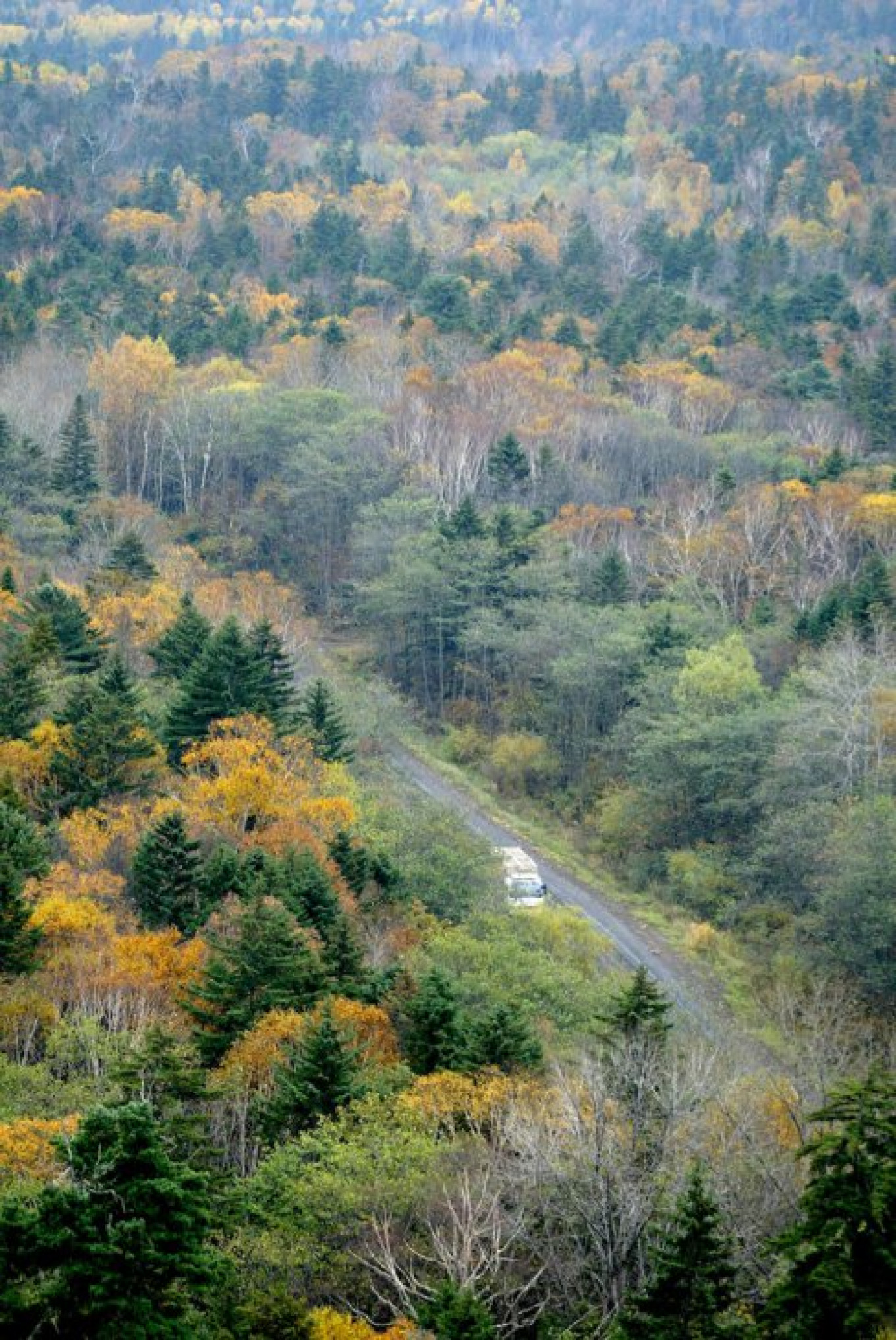
Russia's notoriously bad roads have proven to be both a curse for the country and a major source of inspiration for its literary culture.
While poor-quality roads have always been blamed as one of the main hindrances to the development of the country's vast landmass, they also have an existential significance reflected in the common saying: "Every road must lead to a church".
?
Over centuries of exploration and setting new lands, roads have acquired a distinctive status, with many attributing their dire state to the national mentality, or even a current strategy: Foreign armies will get stuck in the mud and therefore will not reach Russian cities. For many cities, however, it is not poor roads that separate them from the rest of the country, but no transport connection at all: More than 12,000 towns and villages — home to more than 12 million people — lack any road connection to the rest of the country.
Worse still, 27,025 people died in Russian road accidents in 2013, four times the EU average. In many of those accidents, the condition of the road was identified as a contributing cause.
In the past decade, the government has doubled spending on roads, but so far there has been no breakthrough as construction prices rose at the same pace.
See our previous Photo Gallery:
Russian Art Event Celebrates 20th Anniversary
While poor-quality roads have always been blamed as one of the main hindrances to the development of the country's vast landmass, they also have an existential significance reflected in the common saying: "Every road must lead to a church".
?
Over centuries of exploration and setting new lands, roads have acquired a distinctive status, with many attributing their dire state to the national mentality, or even a current strategy: Foreign armies will get stuck in the mud and therefore will not reach Russian cities. For many cities, however, it is not poor roads that separate them from the rest of the country, but no transport connection at all: More than 12,000 towns and villages — home to more than 12 million people — lack any road connection to the rest of the country.
Worse still, 27,025 people died in Russian road accidents in 2013, four times the EU average. In many of those accidents, the condition of the road was identified as a contributing cause.
In the past decade, the government has doubled spending on roads, but so far there has been no breakthrough as construction prices rose at the same pace.
See our previous Photo Gallery:
Russian Art Event Celebrates 20th Anniversary
Vladimir Filonov / MT
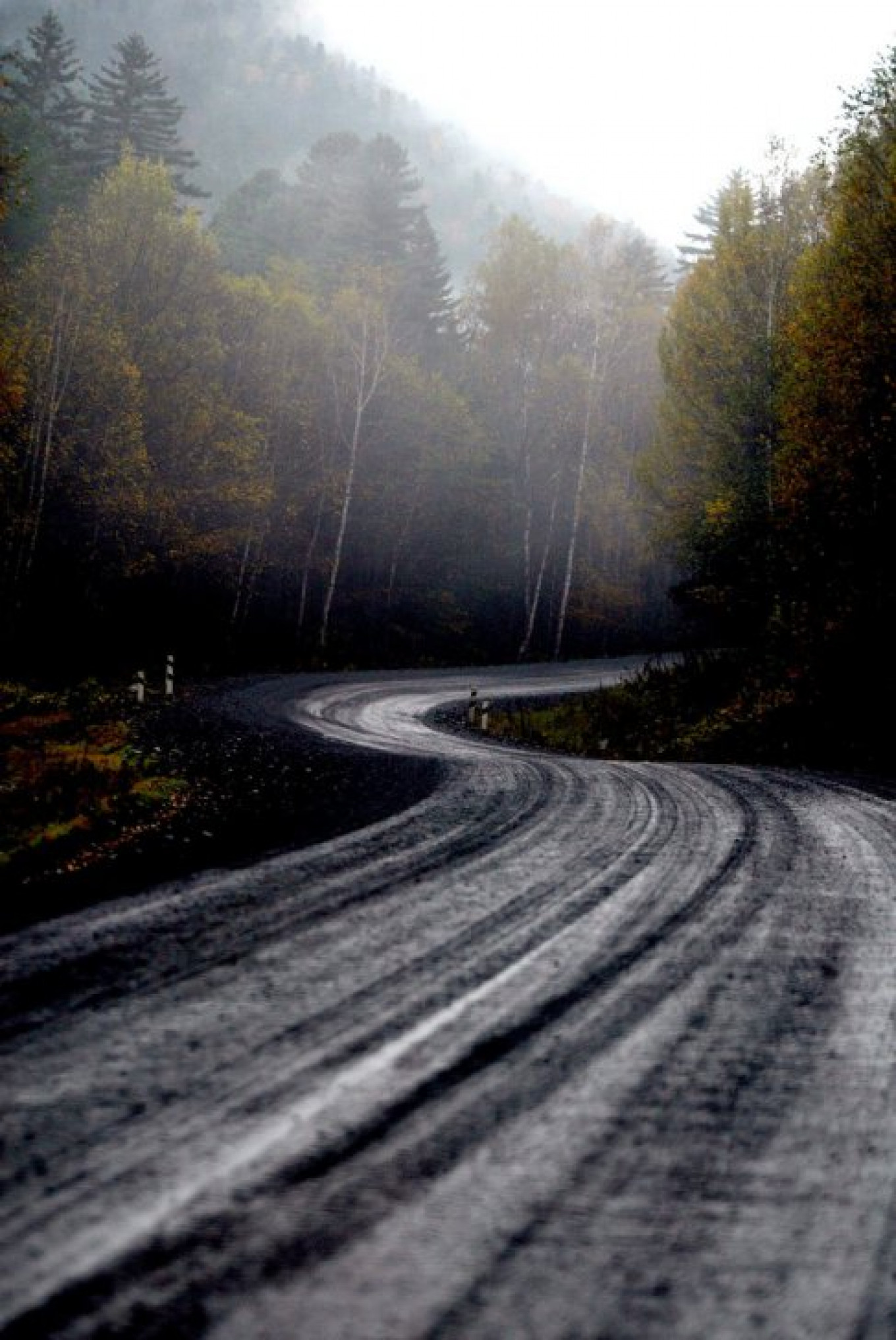
Russia's notoriously bad roads have proven to be both a curse for the country and a major source of inspiration for its literary culture.
While poor-quality roads have always been blamed as one of the main hindrances to the development of the country's vast landmass, they also have an existential significance reflected in the common saying: "Every road must lead to a church".
?
Over centuries of exploration and setting new lands, roads have acquired a distinctive status, with many attributing their dire state to the national mentality, or even a current strategy: Foreign armies will get stuck in the mud and therefore will not reach Russian cities. For many cities, however, it is not poor roads that separate them from the rest of the country, but no transport connection at all: More than 12,000 towns and villages — home to more than 12 million people — lack any road connection to the rest of the country.
Worse still, 27,025 people died in Russian road accidents in 2013, four times the EU average. In many of those accidents, the condition of the road was identified as a contributing cause.
In the past decade, the government has doubled spending on roads, but so far there has been no breakthrough as construction prices rose at the same pace.
See our previous Photo Gallery:
Russian Art Event Celebrates 20th Anniversary
While poor-quality roads have always been blamed as one of the main hindrances to the development of the country's vast landmass, they also have an existential significance reflected in the common saying: "Every road must lead to a church".
?
Over centuries of exploration and setting new lands, roads have acquired a distinctive status, with many attributing their dire state to the national mentality, or even a current strategy: Foreign armies will get stuck in the mud and therefore will not reach Russian cities. For many cities, however, it is not poor roads that separate them from the rest of the country, but no transport connection at all: More than 12,000 towns and villages — home to more than 12 million people — lack any road connection to the rest of the country.
Worse still, 27,025 people died in Russian road accidents in 2013, four times the EU average. In many of those accidents, the condition of the road was identified as a contributing cause.
In the past decade, the government has doubled spending on roads, but so far there has been no breakthrough as construction prices rose at the same pace.
See our previous Photo Gallery:
Russian Art Event Celebrates 20th Anniversary
Vladimir Filonov / MT
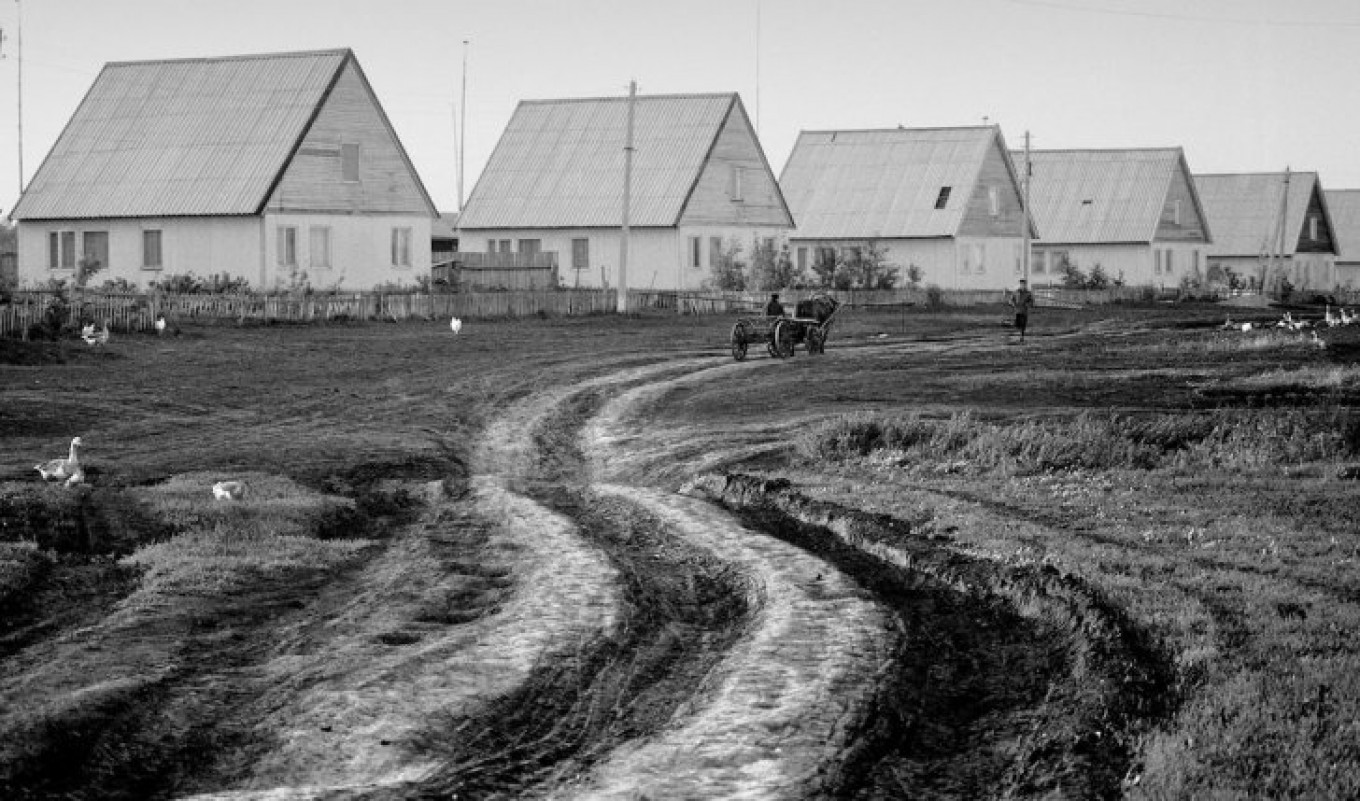
Russia's notoriously bad roads have proven to be both a curse for the country and a major source of inspiration for its literary culture.
While poor-quality roads have always been blamed as one of the main hindrances to the development of the country's vast landmass, they also have an existential significance reflected in the common saying: "Every road must lead to a church".
?
Over centuries of exploration and setting new lands, roads have acquired a distinctive status, with many attributing their dire state to the national mentality, or even a current strategy: Foreign armies will get stuck in the mud and therefore will not reach Russian cities. For many cities, however, it is not poor roads that separate them from the rest of the country, but no transport connection at all: More than 12,000 towns and villages — home to more than 12 million people — lack any road connection to the rest of the country.
Worse still, 27,025 people died in Russian road accidents in 2013, four times the EU average. In many of those accidents, the condition of the road was identified as a contributing cause.
In the past decade, the government has doubled spending on roads, but so far there has been no breakthrough as construction prices rose at the same pace.
See our previous Photo Gallery:
Russian Art Event Celebrates 20th Anniversary
While poor-quality roads have always been blamed as one of the main hindrances to the development of the country's vast landmass, they also have an existential significance reflected in the common saying: "Every road must lead to a church".
?
Over centuries of exploration and setting new lands, roads have acquired a distinctive status, with many attributing their dire state to the national mentality, or even a current strategy: Foreign armies will get stuck in the mud and therefore will not reach Russian cities. For many cities, however, it is not poor roads that separate them from the rest of the country, but no transport connection at all: More than 12,000 towns and villages — home to more than 12 million people — lack any road connection to the rest of the country.
Worse still, 27,025 people died in Russian road accidents in 2013, four times the EU average. In many of those accidents, the condition of the road was identified as a contributing cause.
In the past decade, the government has doubled spending on roads, but so far there has been no breakthrough as construction prices rose at the same pace.
See our previous Photo Gallery:
Russian Art Event Celebrates 20th Anniversary
Vladimir Filonov / MT
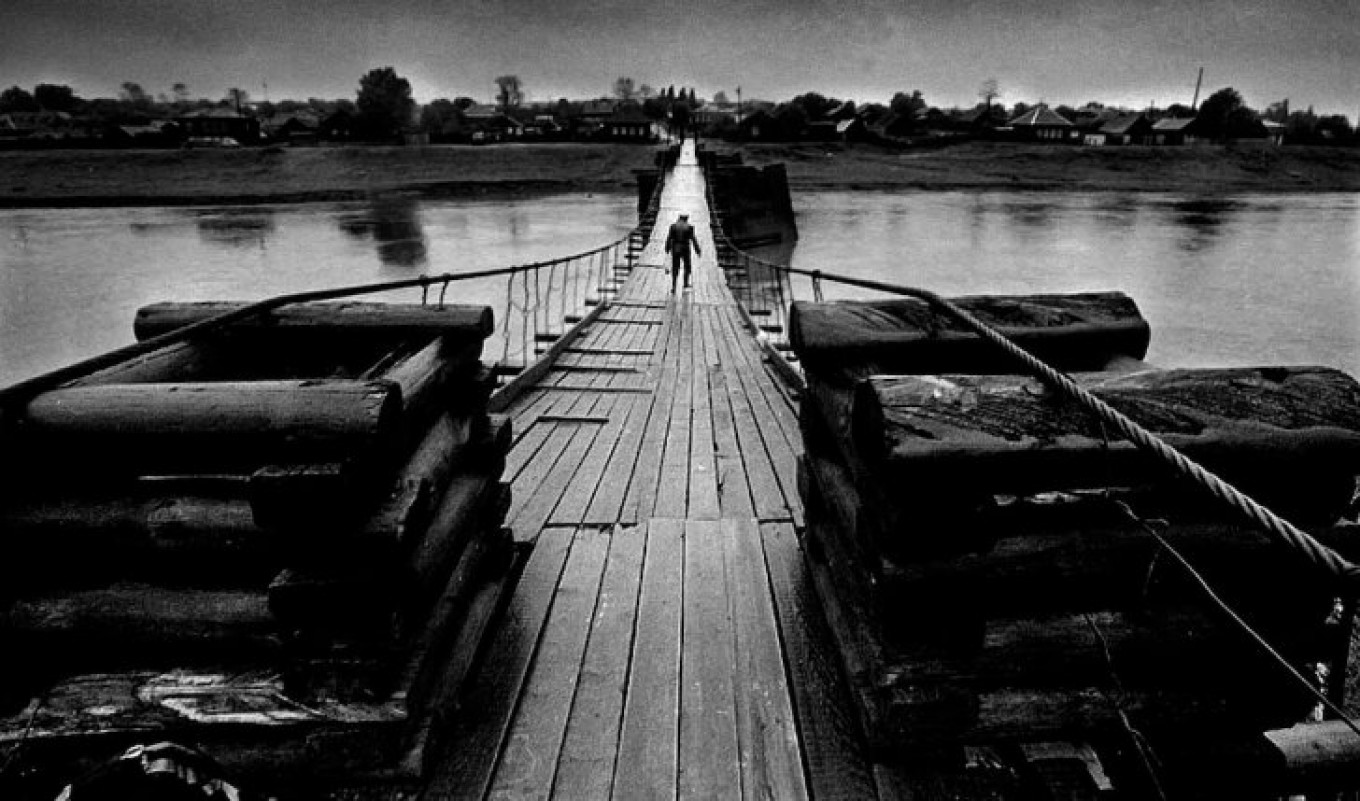
Russia's notoriously bad roads have proven to be both a curse for the country and a major source of inspiration for its literary culture.
While poor-quality roads have always been blamed as one of the main hindrances to the development of the country's vast landmass, they also have an existential significance reflected in the common saying: "Every road must lead to a church".
?
Over centuries of exploration and setting new lands, roads have acquired a distinctive status, with many attributing their dire state to the national mentality, or even a current strategy: Foreign armies will get stuck in the mud and therefore will not reach Russian cities. For many cities, however, it is not poor roads that separate them from the rest of the country, but no transport connection at all: More than 12,000 towns and villages — home to more than 12 million people — lack any road connection to the rest of the country.
Worse still, 27,025 people died in Russian road accidents in 2013, four times the EU average. In many of those accidents, the condition of the road was identified as a contributing cause.
In the past decade, the government has doubled spending on roads, but so far there has been no breakthrough as construction prices rose at the same pace.
See our previous Photo Gallery:
Russian Art Event Celebrates 20th Anniversary
While poor-quality roads have always been blamed as one of the main hindrances to the development of the country's vast landmass, they also have an existential significance reflected in the common saying: "Every road must lead to a church".
?
Over centuries of exploration and setting new lands, roads have acquired a distinctive status, with many attributing their dire state to the national mentality, or even a current strategy: Foreign armies will get stuck in the mud and therefore will not reach Russian cities. For many cities, however, it is not poor roads that separate them from the rest of the country, but no transport connection at all: More than 12,000 towns and villages — home to more than 12 million people — lack any road connection to the rest of the country.
Worse still, 27,025 people died in Russian road accidents in 2013, four times the EU average. In many of those accidents, the condition of the road was identified as a contributing cause.
In the past decade, the government has doubled spending on roads, but so far there has been no breakthrough as construction prices rose at the same pace.
See our previous Photo Gallery:
Russian Art Event Celebrates 20th Anniversary
Vladimir Filonov / MT

Russia's notoriously bad roads have proven to be both a curse for the country and a major source of inspiration for its literary culture.
While poor-quality roads have always been blamed as one of the main hindrances to the development of the country's vast landmass, they also have an existential significance reflected in the common saying: "Every road must lead to a church".
?
Over centuries of exploration and setting new lands, roads have acquired a distinctive status, with many attributing their dire state to the national mentality, or even a current strategy: Foreign armies will get stuck in the mud and therefore will not reach Russian cities. For many cities, however, it is not poor roads that separate them from the rest of the country, but no transport connection at all: More than 12,000 towns and villages — home to more than 12 million people — lack any road connection to the rest of the country.
Worse still, 27,025 people died in Russian road accidents in 2013, four times the EU average. In many of those accidents, the condition of the road was identified as a contributing cause.
In the past decade, the government has doubled spending on roads, but so far there has been no breakthrough as construction prices rose at the same pace.
See our previous Photo Gallery:
Russian Art Event Celebrates 20th Anniversary
While poor-quality roads have always been blamed as one of the main hindrances to the development of the country's vast landmass, they also have an existential significance reflected in the common saying: "Every road must lead to a church".
?
Over centuries of exploration and setting new lands, roads have acquired a distinctive status, with many attributing their dire state to the national mentality, or even a current strategy: Foreign armies will get stuck in the mud and therefore will not reach Russian cities. For many cities, however, it is not poor roads that separate them from the rest of the country, but no transport connection at all: More than 12,000 towns and villages — home to more than 12 million people — lack any road connection to the rest of the country.
Worse still, 27,025 people died in Russian road accidents in 2013, four times the EU average. In many of those accidents, the condition of the road was identified as a contributing cause.
In the past decade, the government has doubled spending on roads, but so far there has been no breakthrough as construction prices rose at the same pace.
See our previous Photo Gallery:
Russian Art Event Celebrates 20th Anniversary
Vladimir Filonov / MT
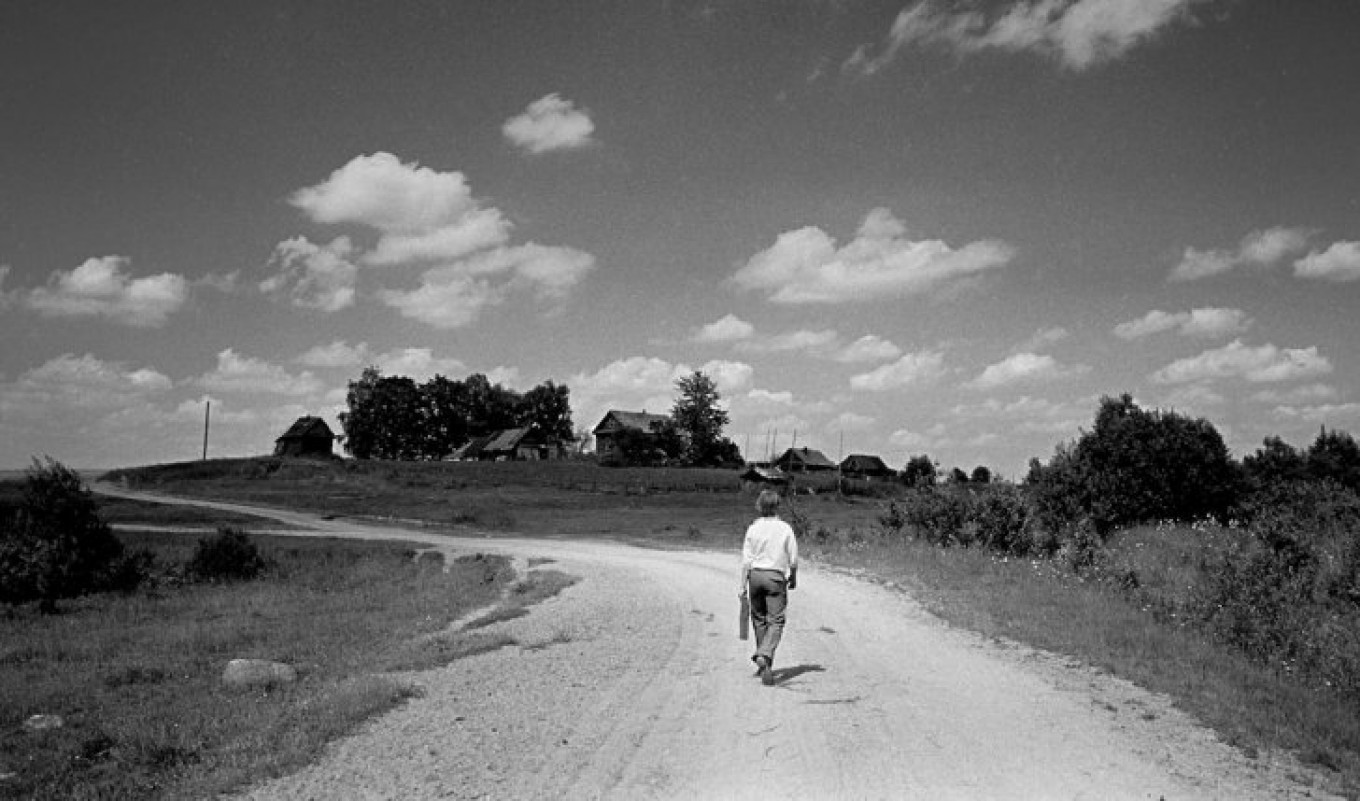
Russia's notoriously bad roads have proven to be both a curse for the country and a major source of inspiration for its literary culture.
While poor-quality roads have always been blamed as one of the main hindrances to the development of the country's vast landmass, they also have an existential significance reflected in the common saying: "Every road must lead to a church".
?
Over centuries of exploration and setting new lands, roads have acquired a distinctive status, with many attributing their dire state to the national mentality, or even a current strategy: Foreign armies will get stuck in the mud and therefore will not reach Russian cities. For many cities, however, it is not poor roads that separate them from the rest of the country, but no transport connection at all: More than 12,000 towns and villages — home to more than 12 million people — lack any road connection to the rest of the country.
Worse still, 27,025 people died in Russian road accidents in 2013, four times the EU average. In many of those accidents, the condition of the road was identified as a contributing cause.
In the past decade, the government has doubled spending on roads, but so far there has been no breakthrough as construction prices rose at the same pace.
See our previous Photo Gallery:
Russian Art Event Celebrates 20th Anniversary
While poor-quality roads have always been blamed as one of the main hindrances to the development of the country's vast landmass, they also have an existential significance reflected in the common saying: "Every road must lead to a church".
?
Over centuries of exploration and setting new lands, roads have acquired a distinctive status, with many attributing their dire state to the national mentality, or even a current strategy: Foreign armies will get stuck in the mud and therefore will not reach Russian cities. For many cities, however, it is not poor roads that separate them from the rest of the country, but no transport connection at all: More than 12,000 towns and villages — home to more than 12 million people — lack any road connection to the rest of the country.
Worse still, 27,025 people died in Russian road accidents in 2013, four times the EU average. In many of those accidents, the condition of the road was identified as a contributing cause.
In the past decade, the government has doubled spending on roads, but so far there has been no breakthrough as construction prices rose at the same pace.
See our previous Photo Gallery:
Russian Art Event Celebrates 20th Anniversary
Vladimir Filonov / MT