

The German people, and the whole world alongside them, celebrated a landmark date in history, the 20th anniversary of the fall of the Berlin Wall, on Monday. Not many events remain in the collective memory as a watershed that divides two distinct periods. The dismantling of the Berlin Wall — that stark, concrete symbol of a world divided into hostile camps — is such a defining moment.
The fall of the Berlin Wall brought hope and opportunity to people everywhere and provided the 1980s with a truly jubilant finale. That is something to think about as this decade draws to a close and as the chance for humanity to take another momentous leap forward appears to be slipping away.
The road to the end of the Cold War was certainly not easy, or universally welcomed at the time, but it is for just this reason that its lessons remain relevant. In the 1980s, the world was at a historic crossroads. The East-West arms race had created an explosive situation. Nuclear deterrents could have failed at any moment. We were heading for disaster, while stifling creativity and development.
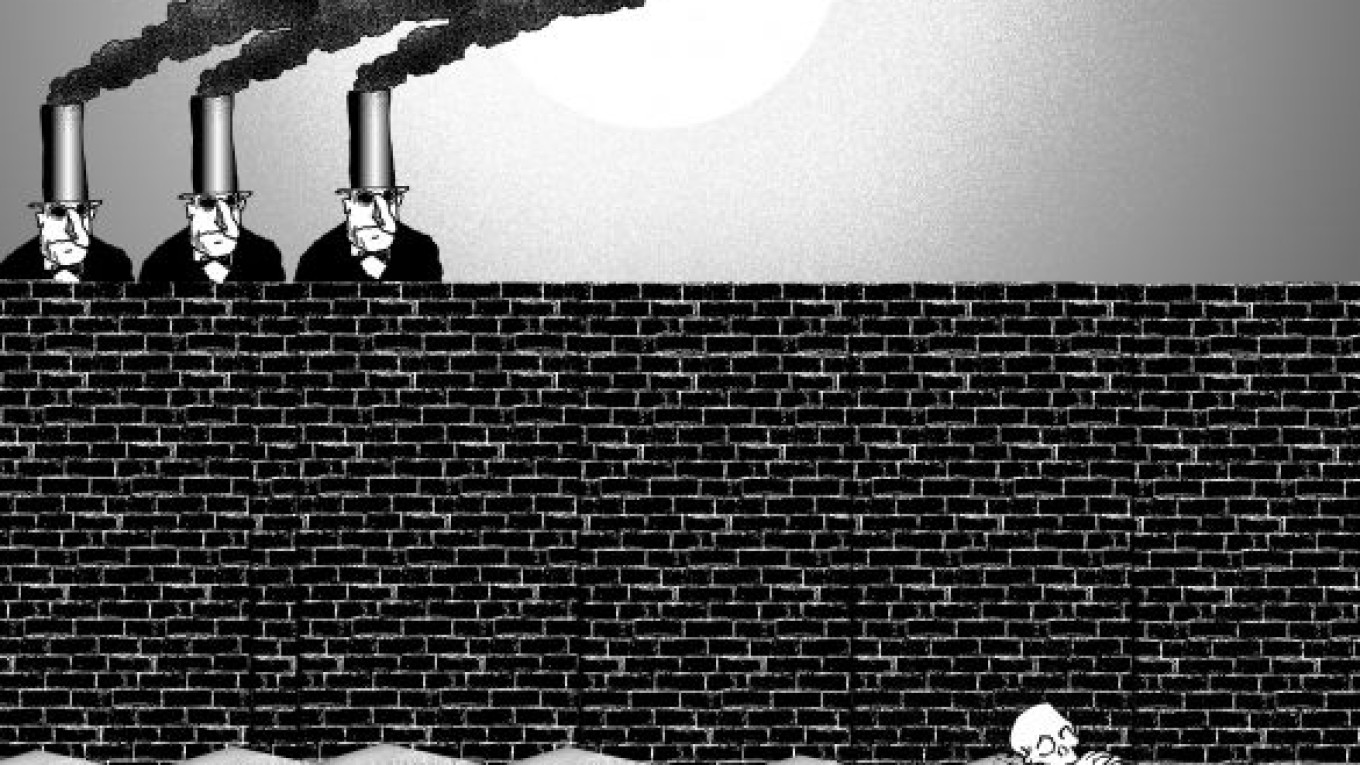
Today, another planetary threat has emerged. The climate crisis is the new wall that divides us from our future, and current leaders are vastly underestimating the urgency and potentially catastrophic scale of the emergency.
People used to joke that we will struggle for peace until there is nothing left on the planet. The threat of climate change makes this prophesy more literal than ever. Comparisons with the period immediately before the Berlin Wall came down are striking.
Like 20 years ago, we face a threat to global security and our very existence that no one nation can deal with alone. And, again, it is the people who are calling for change. Just as the German people declared their will for unity, the world’s citizens today are demanding that action be taken to tackle climate change and redress the deep injustices that surround it.
Twenty years ago, key world leaders demonstrated resolve, faced up to opposition and immense pressure, and the Wall came down. It remains to be seen whether today’s leaders will do the same.
Addressing climate change demands a paradigm shift on a scale akin to that required to end the Cold War. But we need a “circuit-breaker” to escape from the business-as-usual approach that currently dominates the political agenda. It was the transformation brought about by perestroika and glasnost that set the stage for the quantum leap to freedom for the Soviet Union and Eastern Europe and opened the way for the democratic revolution that saved history. Climate change is complex and closely entwined with a host of other challenges, but a similar breakthrough in our values and priorities is needed.
There is not just one wall to topple, but many. There is the wall between those states that are already industrialized and those that do not want to be held back in their economic development. There is the wall between those who cause climate change and those who suffer the consequences. There is the wall between those who heed the scientific evidence and those who pander to vested interests. And there is the wall between the citizens who are changing their own behavior and want strong global action and the leaders who are so far letting them down.
In 1989, incredible changes that were deemed impossible just a few years earlier were implemented. But this was no accident. The changes resonated with the hopes of the time, and leaders responded. We brought down the Berlin Wall in the belief that future generations would be able to solve challenges together.
Today, looking at the cavernous gulf between rich and poor, the irresponsibility that caused the global financial crisis and the weak and divided responses to climate change, I feel bitter. The opportunity to build a safer, fairer and more united world has been largely squandered.
To echo the demand made of me by my late friend and sparring partner U.S. President Ronald Reagan: Mr. Obama, Mr. Hu, Mr. Singh, and, back in Berlin, Ms. Merkel and her European counterparts, “Tear down this wall!” For this is your wall, your defining moment. You cannot dodge the call of history.
I appeal to heads of state and government to come in person to the climate change conference in Copenhagen this December and dismantle the wall. The people of the world expect you to deliver. Do not fail them.
Mikhail Gorbachev, 1990 Nobel Peace Prize laureate, is the founding president of Green Cross International, a Geneva-based nongovernmental organization devoted to protecting the environment. © Project Syndicate
A Message from The Moscow Times:
Dear readers,
We are facing unprecedented challenges. Russia's Prosecutor General's Office has designated The Moscow Times as an "undesirable" organization, criminalizing our work and putting our staff at risk of prosecution. This follows our earlier unjust labeling as a "foreign agent."
These actions are direct attempts to silence independent journalism in Russia. The authorities claim our work "discredits the decisions of the Russian leadership." We see things differently: we strive to provide accurate, unbiased reporting on Russia.
We, the journalists of The Moscow Times, refuse to be silenced. But to continue our work, we need your help.
Your support, no matter how small, makes a world of difference. If you can, please support us monthly starting from just $2. It's quick to set up, and every contribution makes a significant impact.
By supporting The Moscow Times, you're defending open, independent journalism in the face of repression. Thank you for standing with us.

Remind me later.