
Putin's Rise to Power in 2000

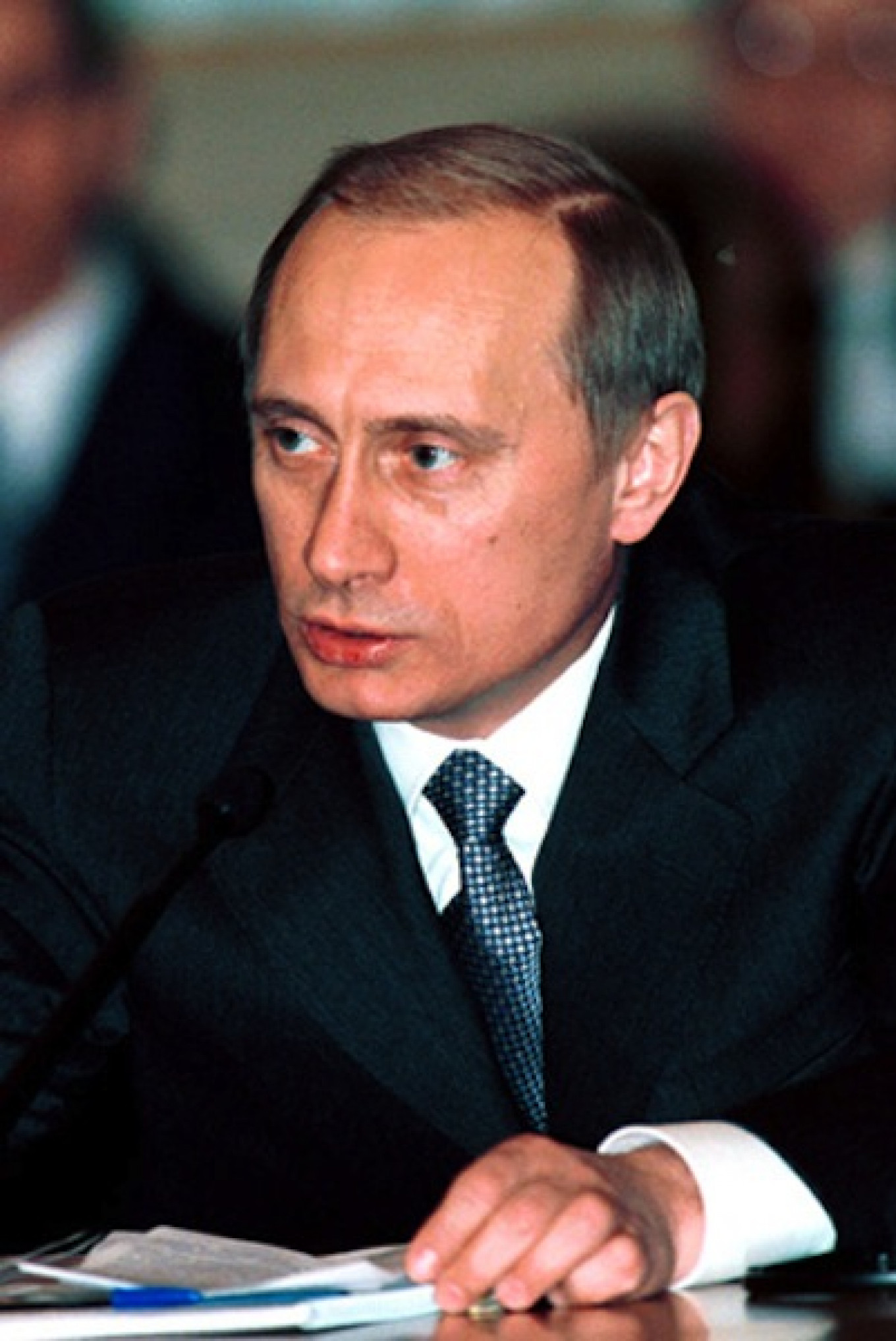
Acting President Vladimir Putin at a meeting of the government's Advisory Council on Foreign Investment at the President Hotel in Moscow, March 13, 2000.
Fifteen years ago today, on March 26, 2001, Russians cast their ballots in an election that would mark the beginning of President Vladimir Putin's fifteen-year stint in the Kremlin, including four years as prime minister.
The election formalized Putin's position as leader of Russia, after he had been appointed to the role of acting president following the resignation of former President Boris Yeltsin in December 1999.
Putin would go on to serve two four-year terms as president, before giving up the presidency and taking up the position of prime minister in 2008, as the Russian Constitution stipulates a limit of two consecutive presidential terms.
After serving as prime minister for four years, Putin re-assumed the presidency in 2012, following an election that saw him garner more than 60 percent of the vote. The Constitution has since been amended to extend the presidential term to six years, meaning Putin looks set to remain in power until 2018.
A poll conducted by the independent Levada Center last month showed that Putin had an approval rating of 86 percent. The survey was carried out among 1,600 people across Russia, with a margin of error no greater than 3.4 percent.
Fifteen years ago today, on March 26, 2001, Russians cast their ballots in an election that would mark the beginning of President Vladimir Putin's fifteen-year stint in the Kremlin, including four years as prime minister.
The election formalized Putin's position as leader of Russia, after he had been appointed to the role of acting president following the resignation of former President Boris Yeltsin in December 1999.
Putin would go on to serve two four-year terms as president, before giving up the presidency and taking up the position of prime minister in 2008, as the Russian Constitution stipulates a limit of two consecutive presidential terms.
After serving as prime minister for four years, Putin re-assumed the presidency in 2012, following an election that saw him garner more than 60 percent of the vote. The Constitution has since been amended to extend the presidential term to six years, meaning Putin looks set to remain in power until 2018.
A poll conducted by the independent Levada Center last month showed that Putin had an approval rating of 86 percent. The survey was carried out among 1,600 people across Russia, with a margin of error no greater than 3.4 percent.
Kremlin
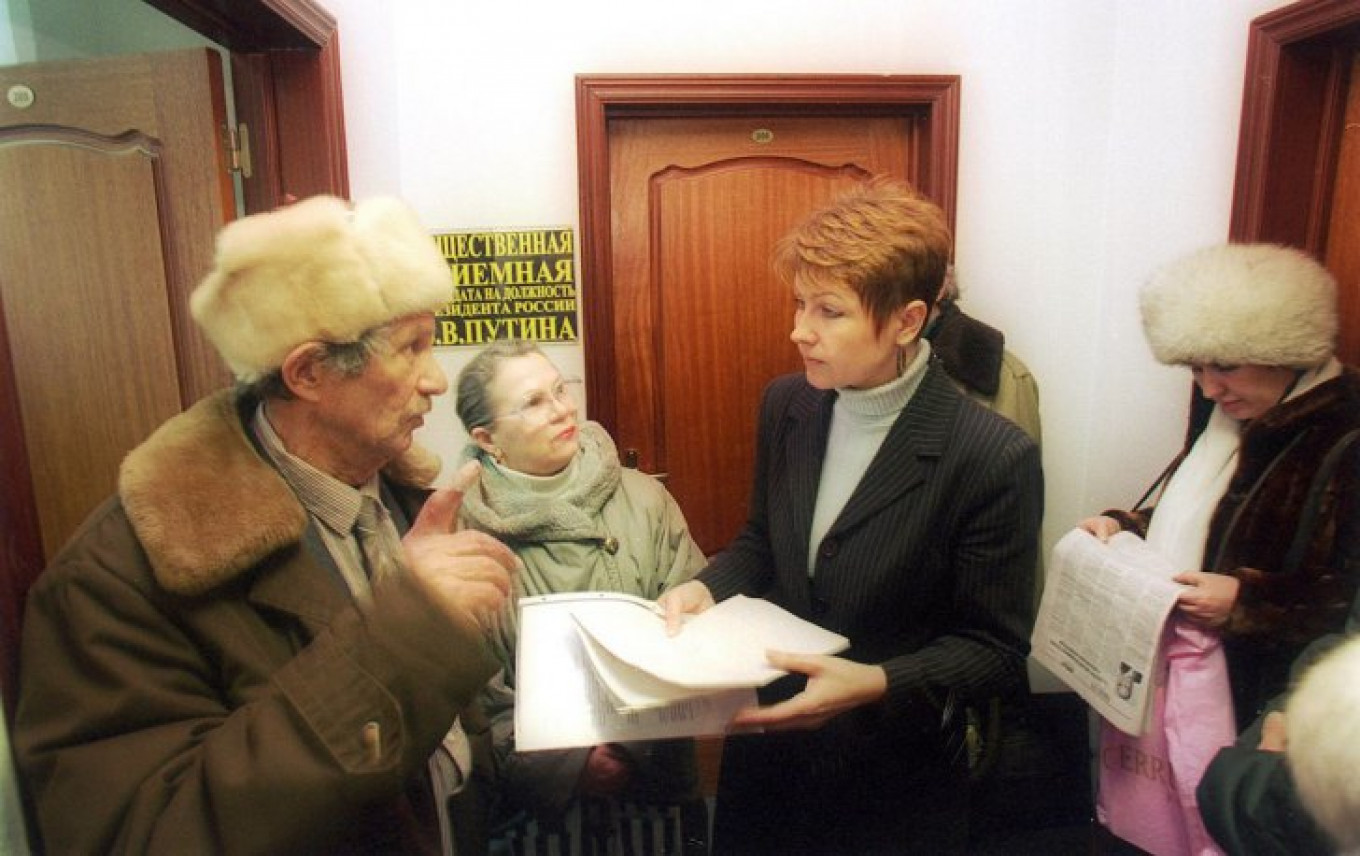
Members of the public who campaigned for Putin ahead of the election day in Moscow, Mar. 26, 2000.
Igor Tabakov / MT
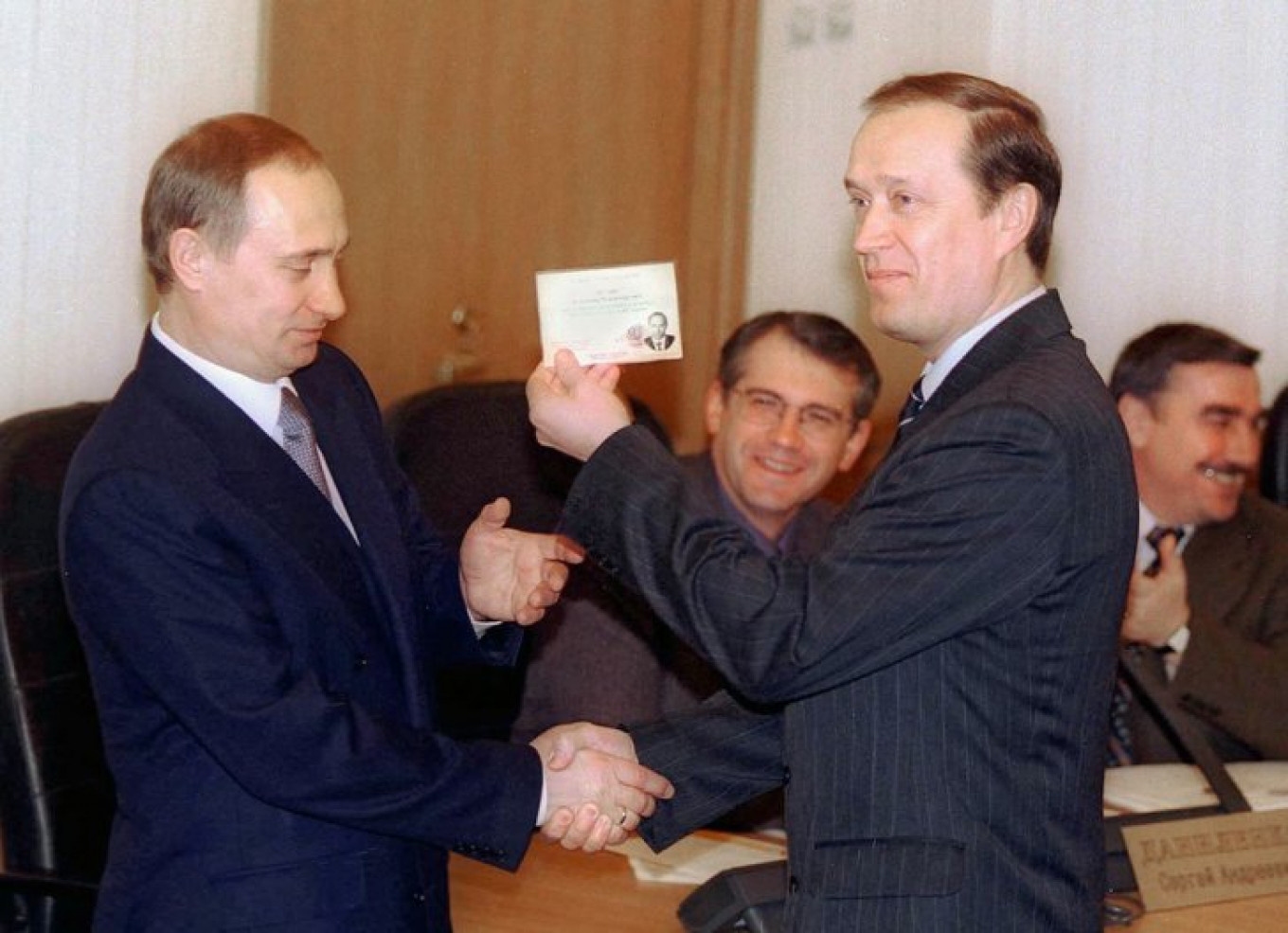
The secretary and chairman of the Central Election Commission, Alexander Veshnyakov (R), presents Putin with a certificate for his candidacy for the post of president of Russia.
Igor Tabakov / MT

Election day at the Ostankino television center in Moscow, March 26, 2000.
Vladimir Filonov / MT
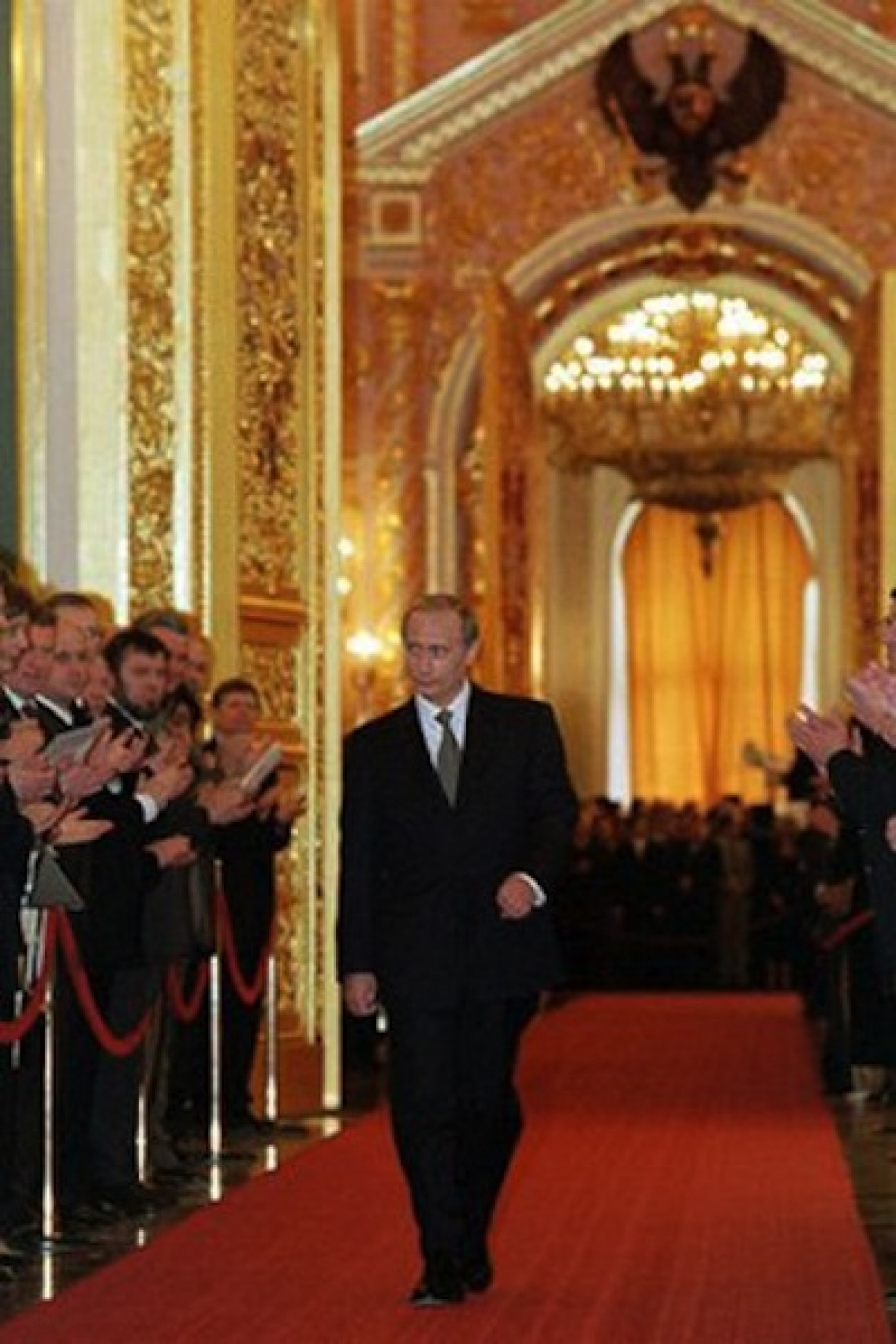
Putin enters the Andreyevsky Hall of the Kremlin Palace, May 7, 2000.
Kremlin

The inauguration of Putin as president of Russia was accompanied by a statement by outgoing President Boris Yeltsin, May 7, 2000.
Kremlin

Putin taking the presidential oath at the Kremlin, May 7, 2000.
Kremlin
