
Moscow in Fear of Terrorism

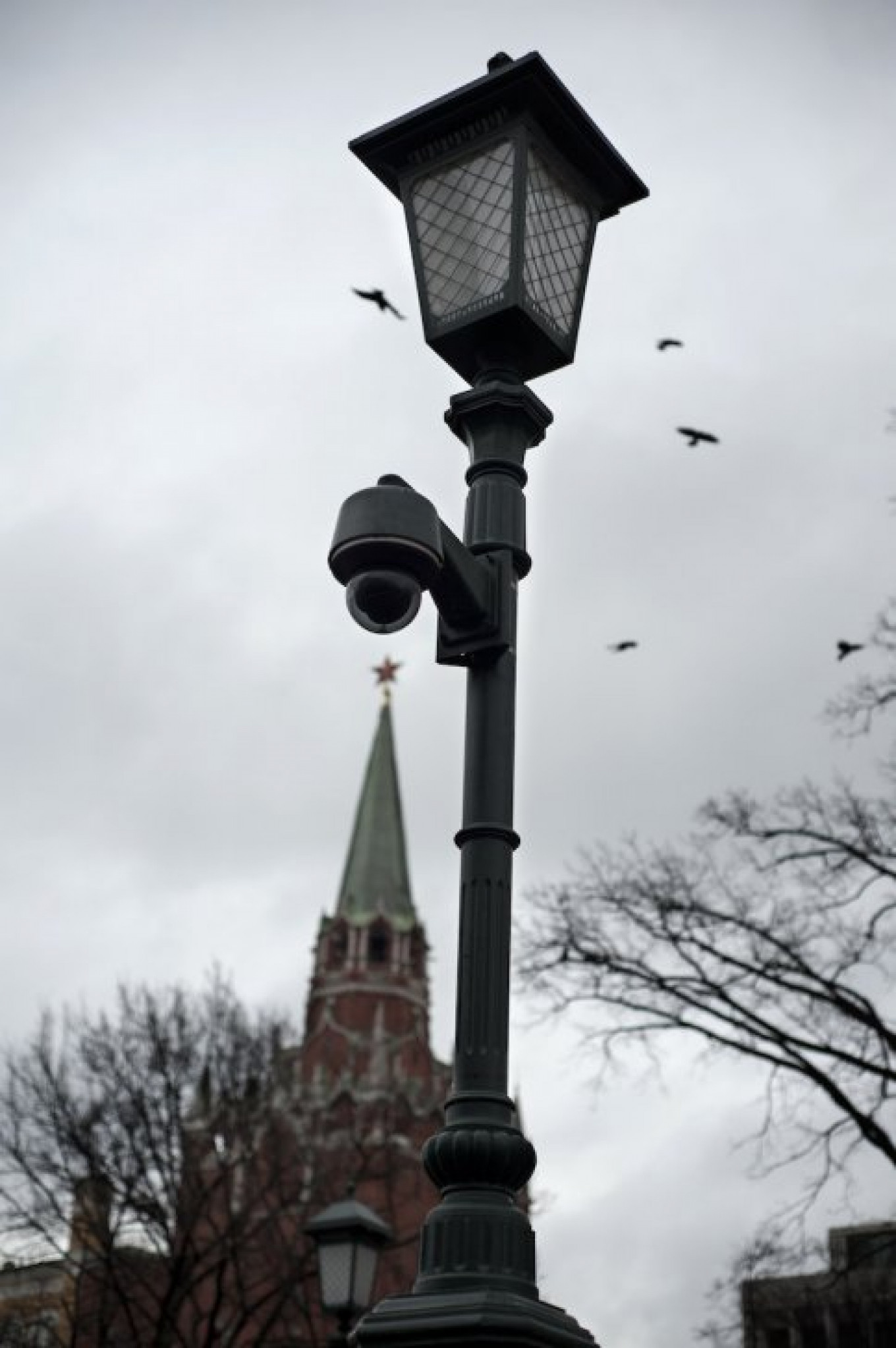
In Moscow the threat of a terrorist attack is never far away. There have been 10 such attacks in the Russian capital in the past 15 years.
Sunday marks the fifth anniversary since 40 people were killed and a hundred others injured in a pair of bombings on the metro's Red Line.
City authorities are striving to prevent future attacks with a veritable army of police officers and metal detectors in metro stations, shopping centers and airports.
But these measures also serve as a reminder that Muscovites' daily lives are always a little risky.
Photojournalist Pascal Dumont has spent the last year in Moscow documenting how the city copes with the enduring threat of terrorism.
Pascal Dumont / Moscow Times
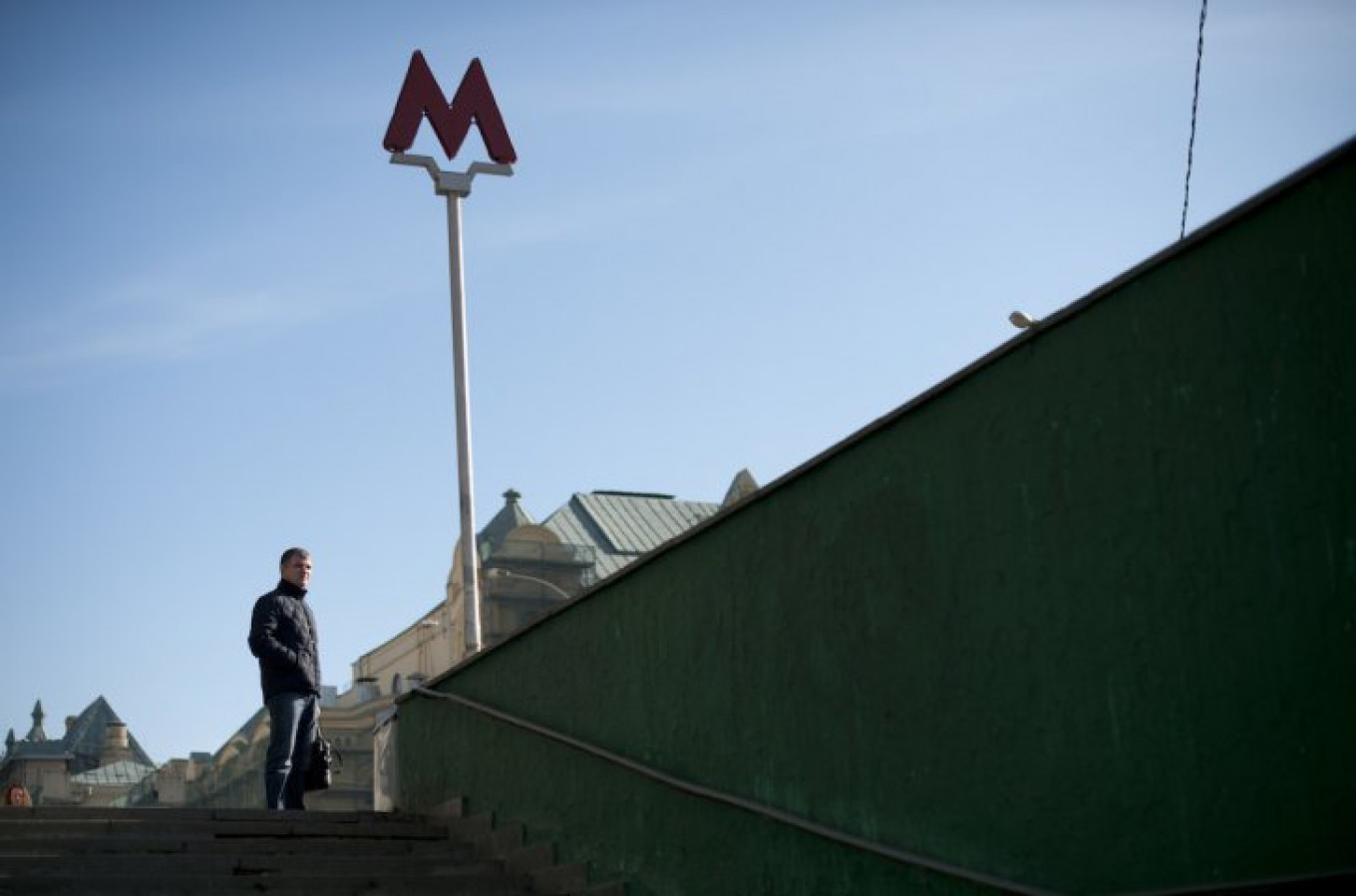
Since 1992, four Moscow metro stations ?€” Park Kultury, Lubyanka, Avtozavodskaya and Rizhskaya ?€” have suffered major terrorist attacks, killing a total of about one hundred people.
Pascal Dumont / Moscow Times
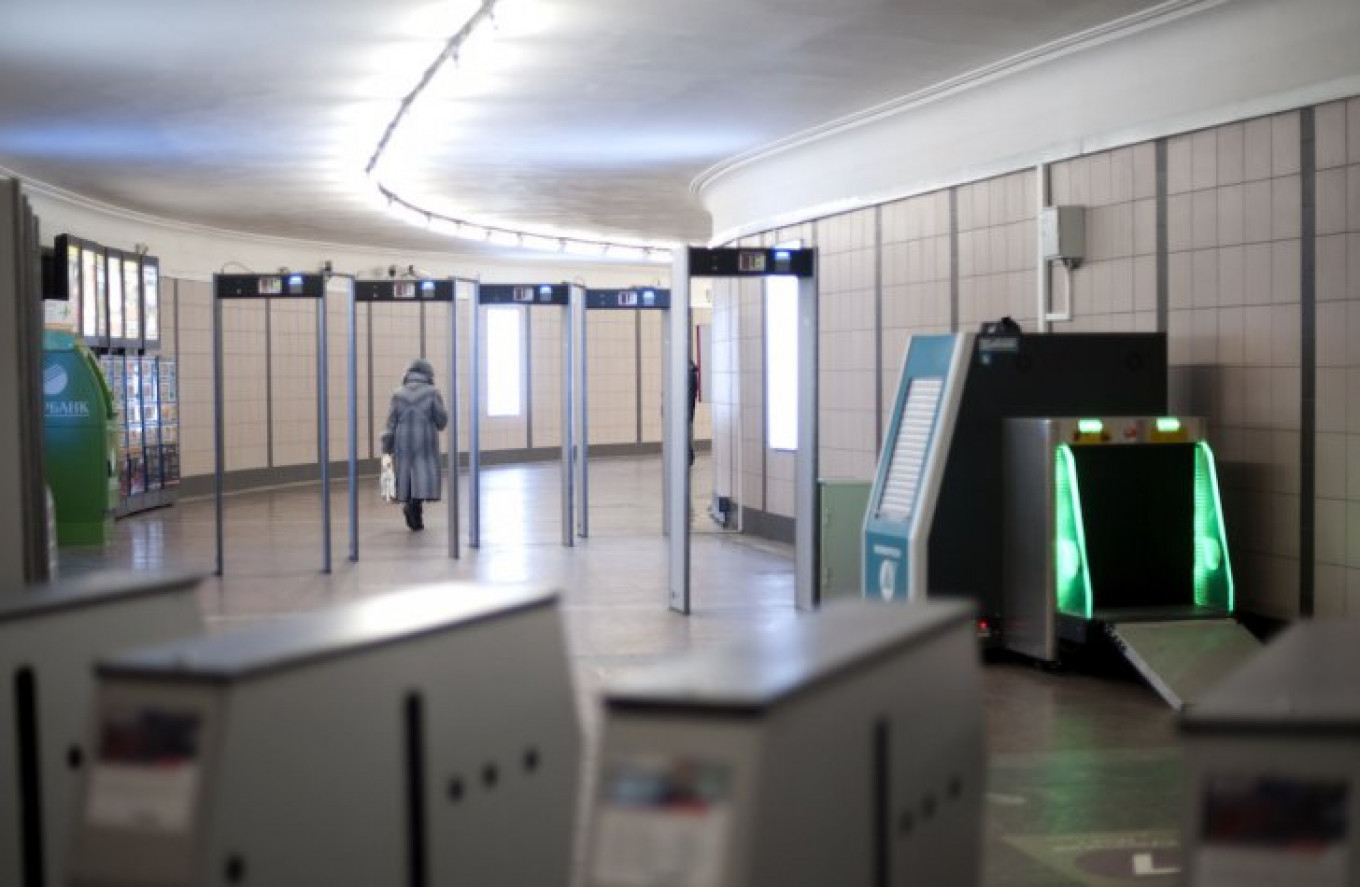
In 2011, Moscow authorities purchased 560 metal detectors and 18 explosive detectors specifically for metro stations. By January this year, all of Moscow's nearly 200 metro stations had been equipped with metal detectors.
Pascal Dumont / Moscow Times
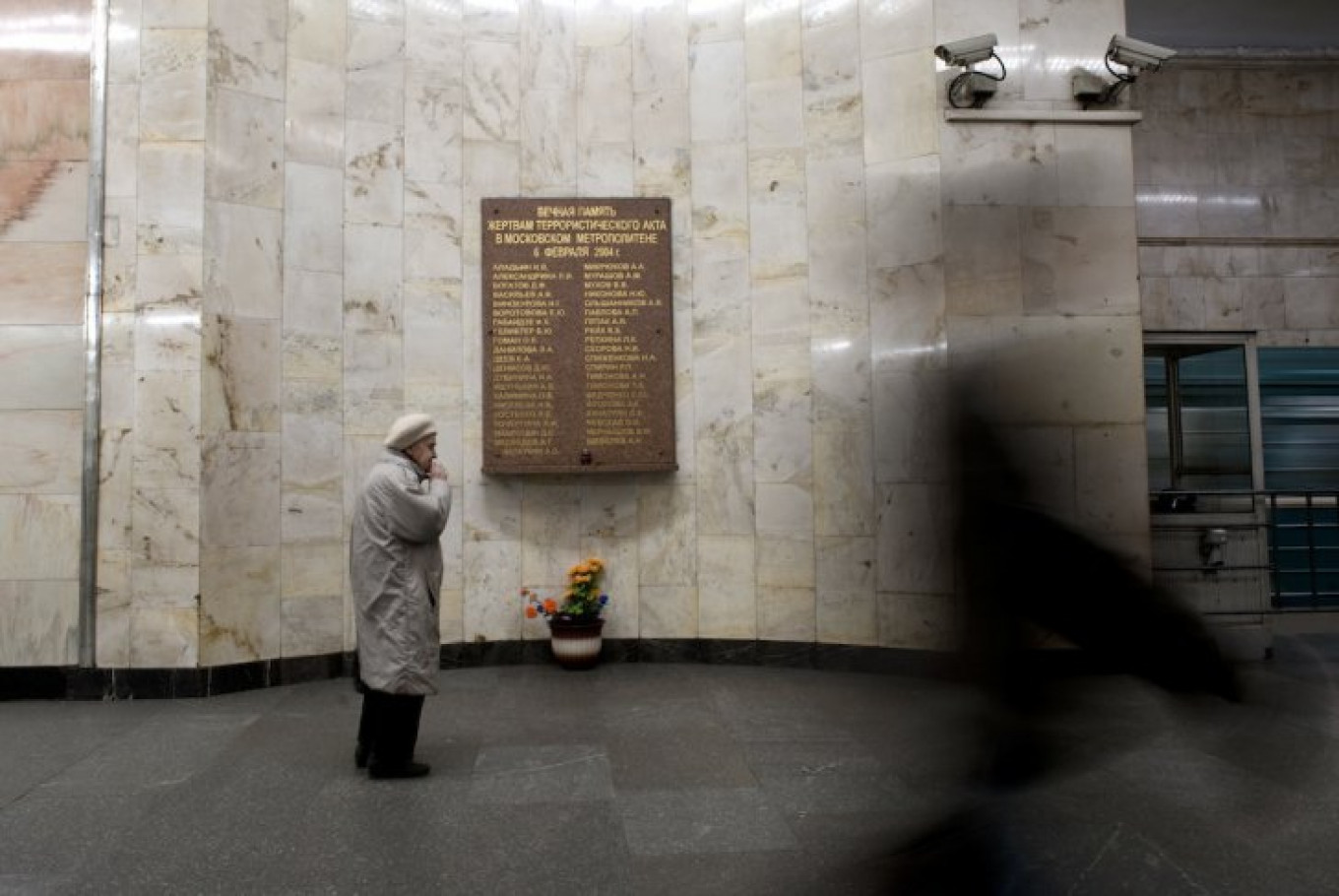
A memorial to the victims of the Avtozavodskaya metro station bombing. Feb. 6, 2004. Casualties: 41.
Pascal Dumont / Moscow Times
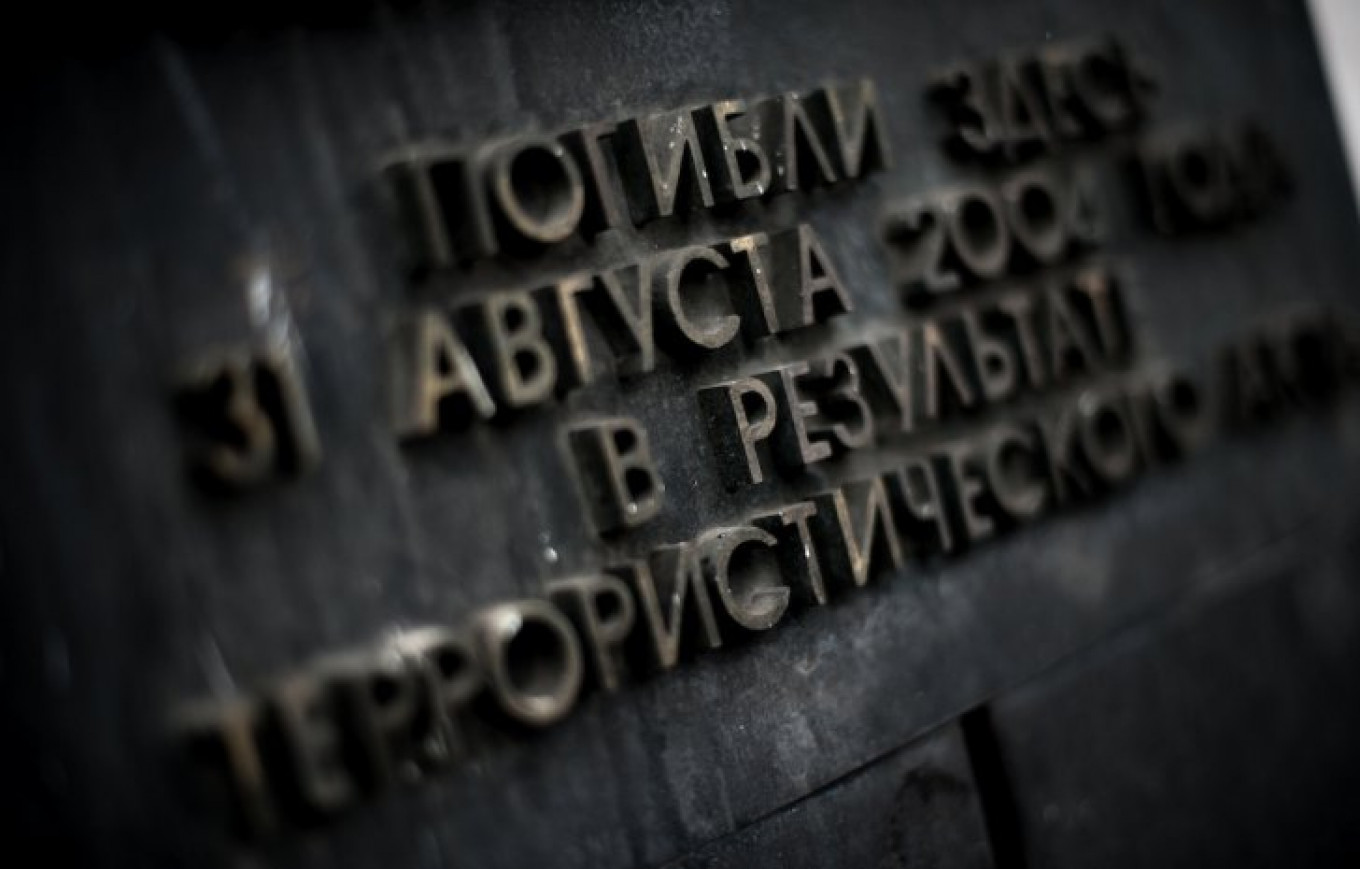
A memorial to the victims of the Rizhskaya metro station bombing on Aug. 31, 2004. Casualties: 10.
Pascal Dumont / Moscow Times
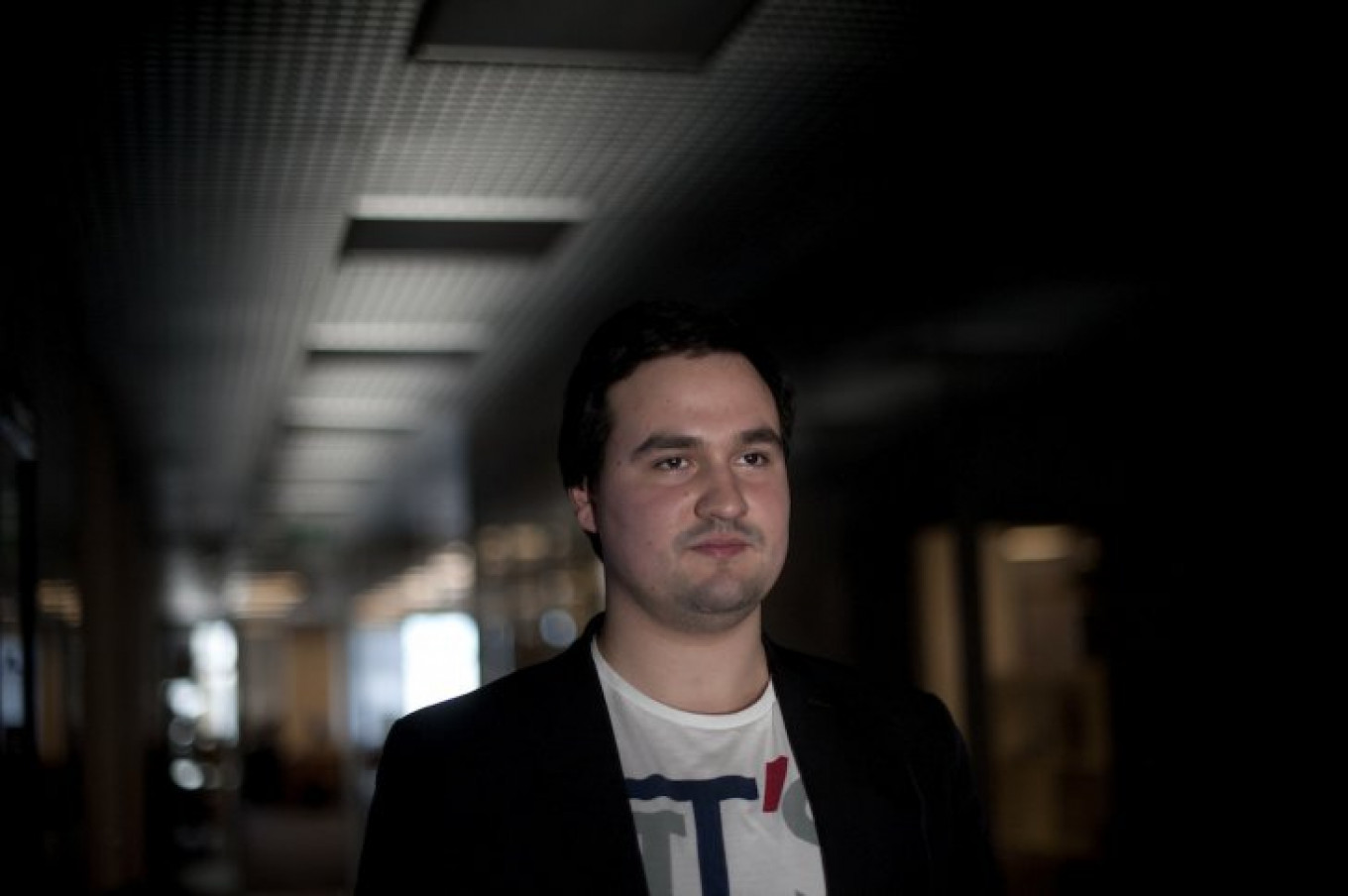
Timur Alexeyev found himself at the epicenter of the Park Kultury metro station bombing in March 2010. He was knocked off his feet by the deafening sound of the explosion and suffered a concussion.
"You're not expecting any compensation, are you?" Timur recalled being asked at the Prosecutor's Office. "Even people with shrapnel in their legs aren't getting anything," he was told. "You can take this to court if you want."
"You're not expecting any compensation, are you?" Timur recalled being asked at the Prosecutor's Office. "Even people with shrapnel in their legs aren't getting anything," he was told. "You can take this to court if you want."
Pascal Dumont / Moscow Times
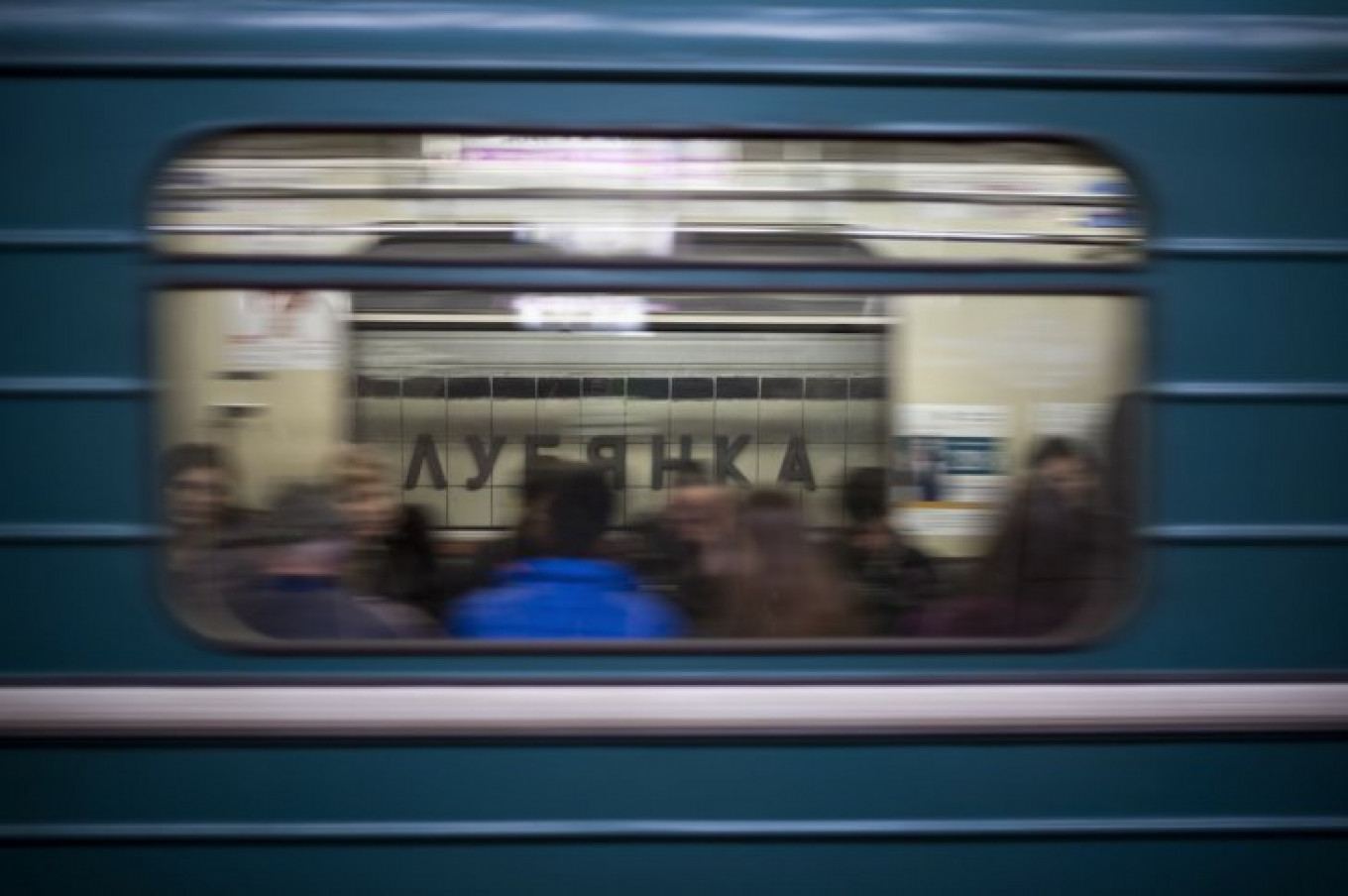
Forty commuters were killed in a pair of bombings at the downtown Lubyanka and Park Kultury metro stations during morning rush hour on March 29, 2010.
Pascal Dumont / Moscow Times
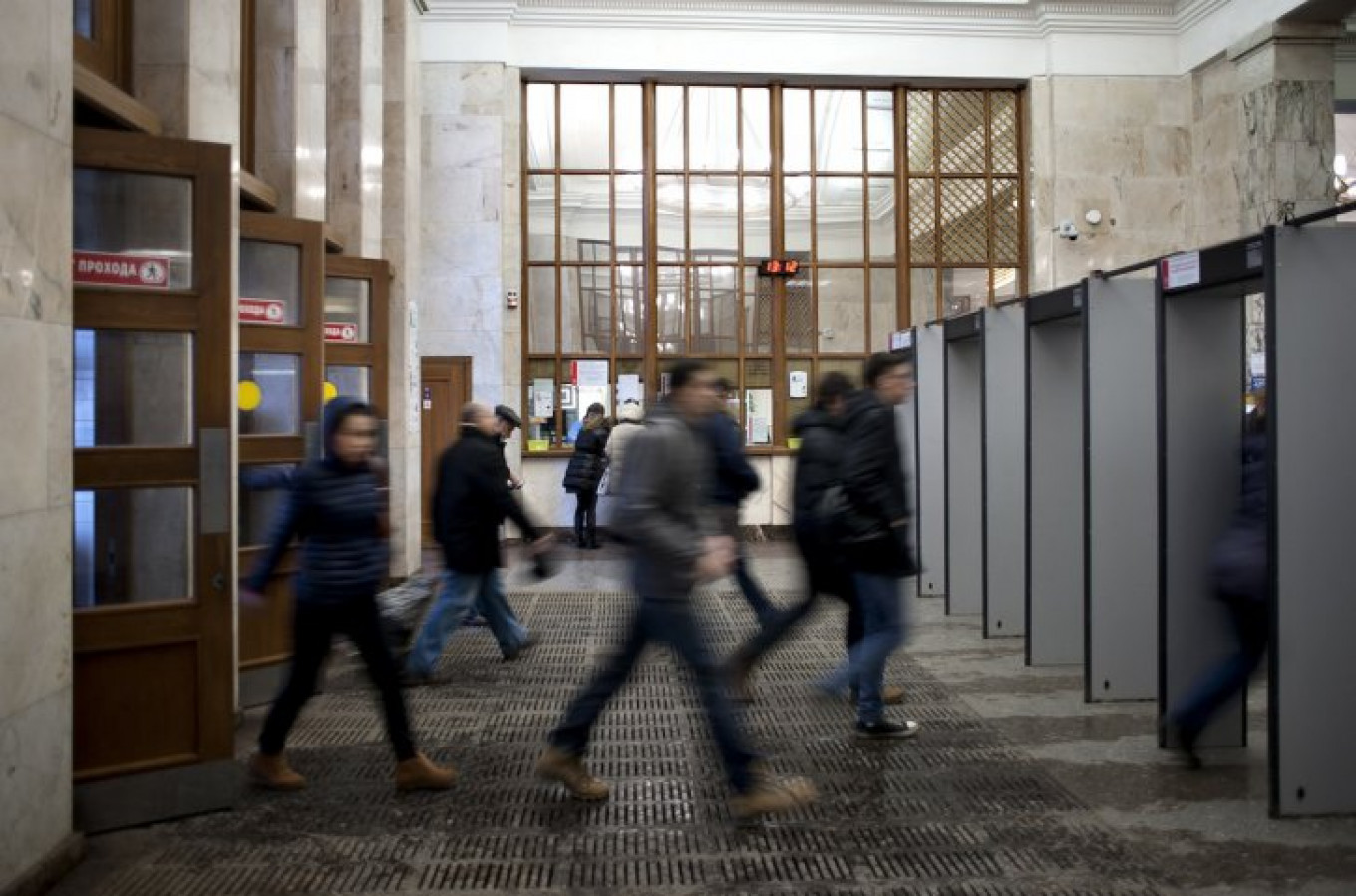
Muscovites entering the Park Kultury metro station through a cordon of metal detectors.
Pascal Dumont / Moscow Times
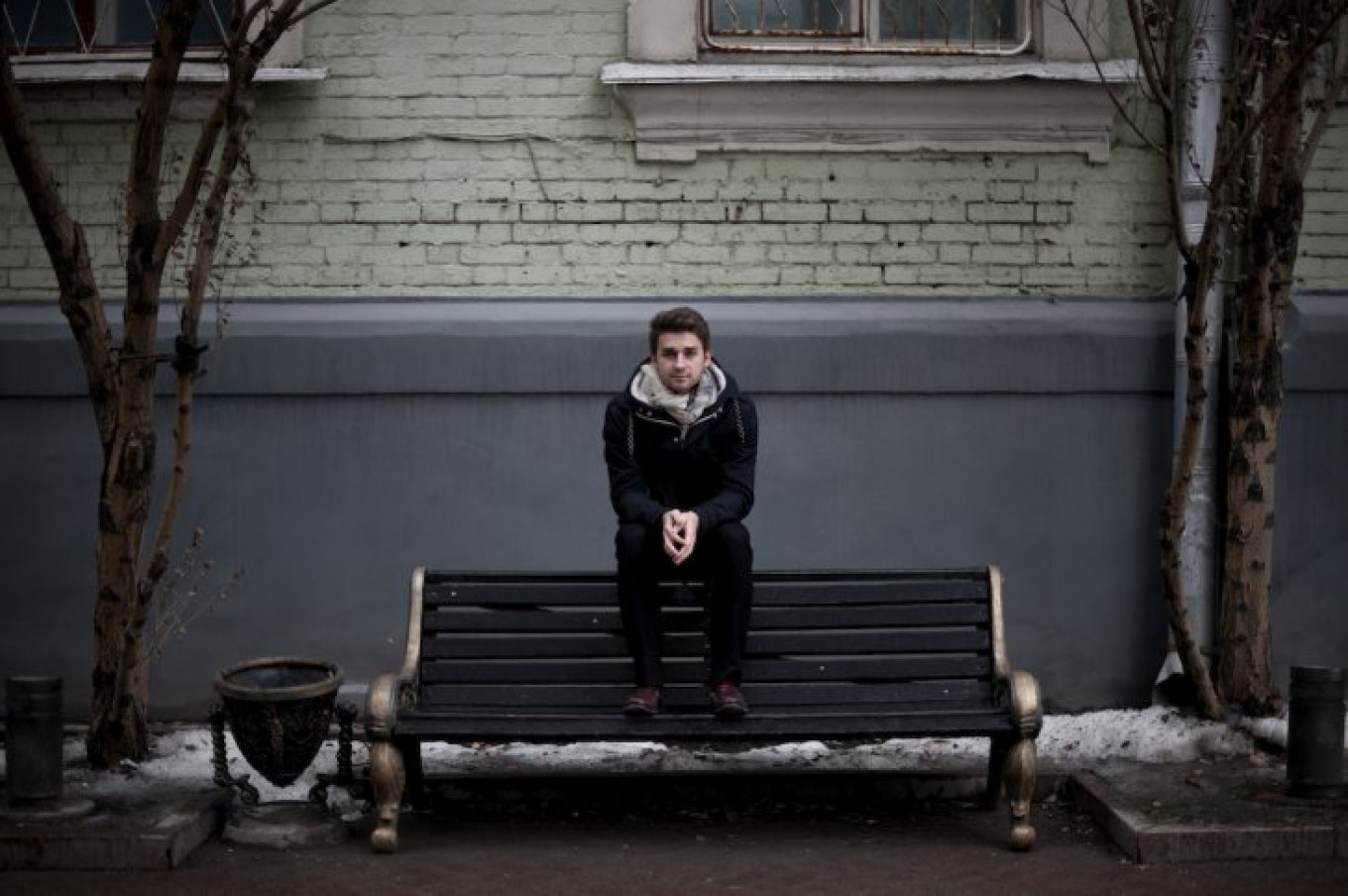
Roman Ryabchikov was running late on the morning of March 29, 2010. His tardiness likely saved his life. A suicide bomber blew up the part of the train he usually rode on.
Roman had a favorable opinion of the increased security measures at stations. "Police have always addressed me politely, something that strikes me as unusual for Russia."
Roman had a favorable opinion of the increased security measures at stations. "Police have always addressed me politely, something that strikes me as unusual for Russia."
Pascal Dumont / Moscow Times
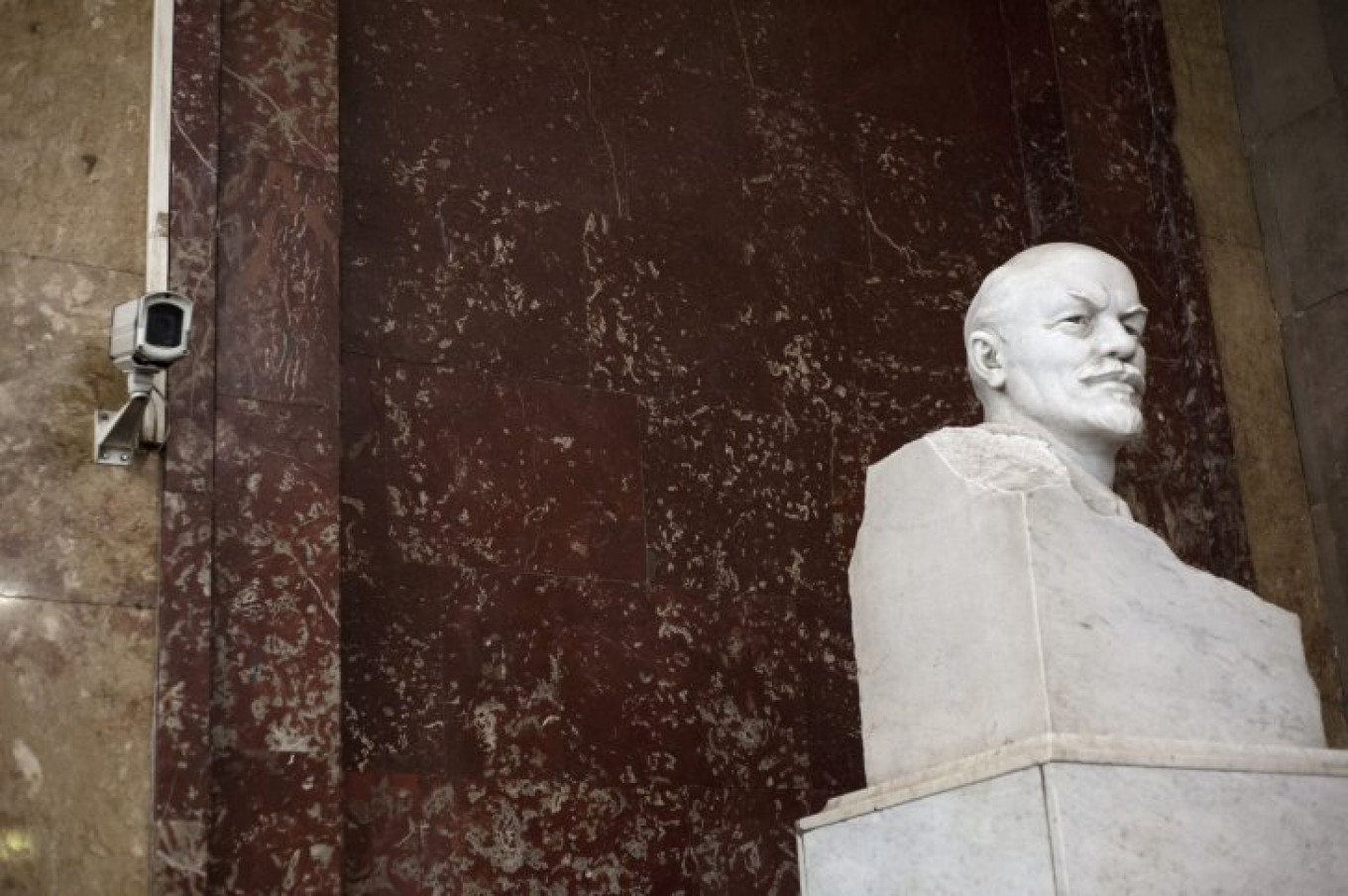
Moscow has more than 140,000 surveillance cameras. By 2012, some 60 percent of Moscow's buses had been equipped with surveillance cameras, according to City Hall.
Pascal Dumont / Moscow Times
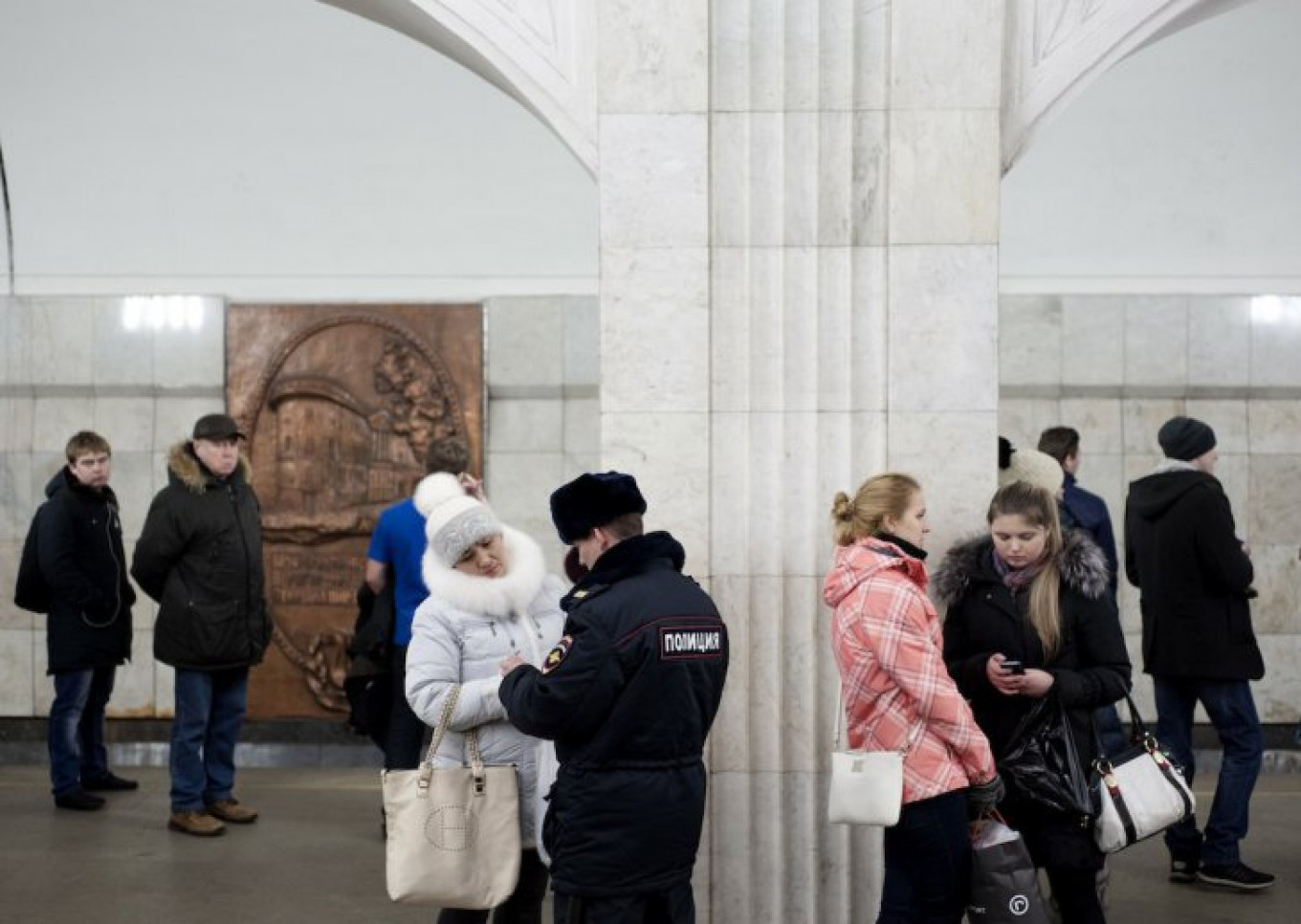
After the terror attacks of 2010, additional police units were assigned to Moscow's vast metro system. More than 1,000 police officers patrol the Moscow metro every day.
Pascal Dumont / Moscow Times
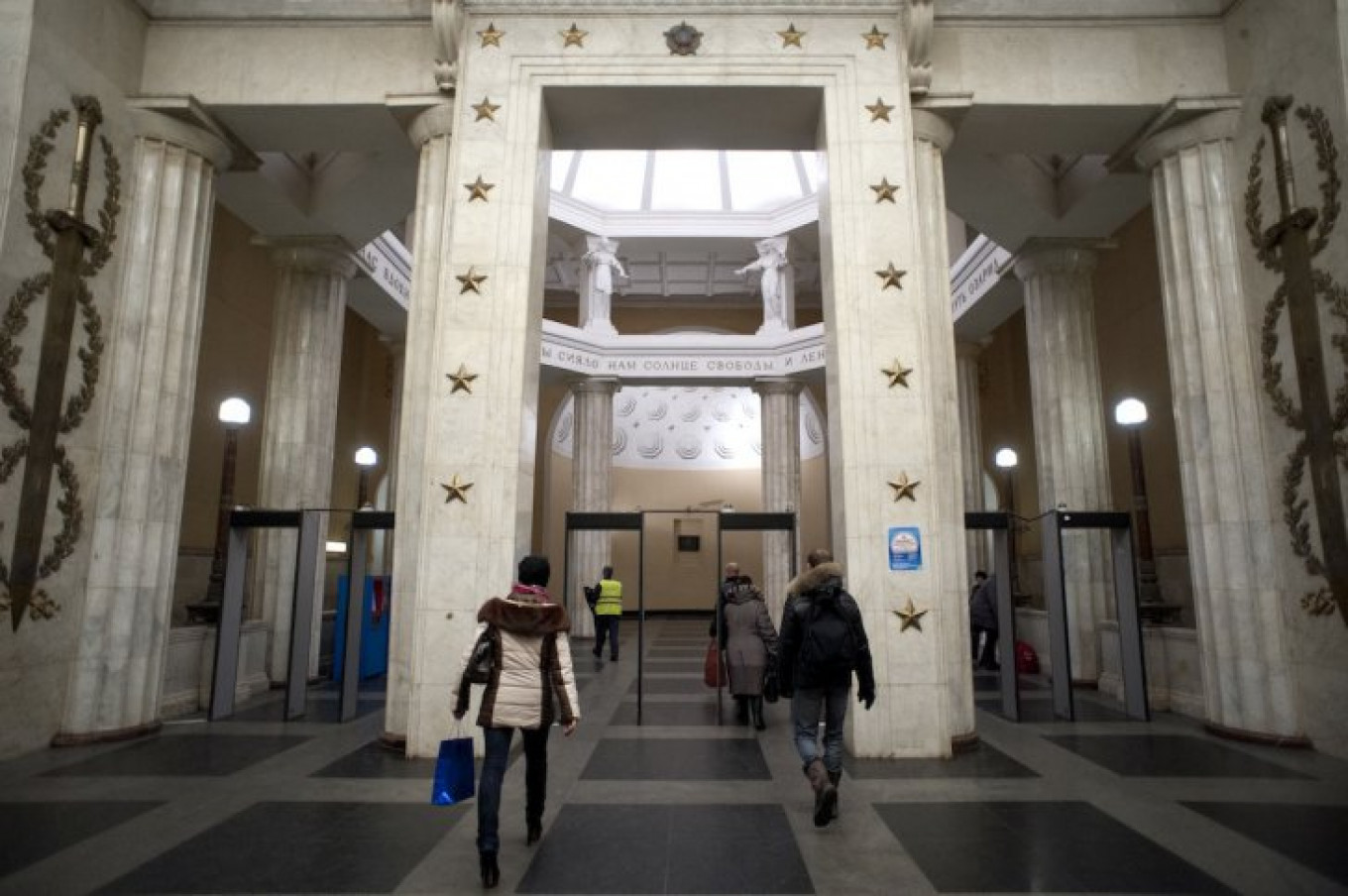
Moscow has one of the most heavily used metro systems in the world, transporting around 9 million passengers during weekdays, according to Moscow metro data.
Pascal Dumont / Moscow Times
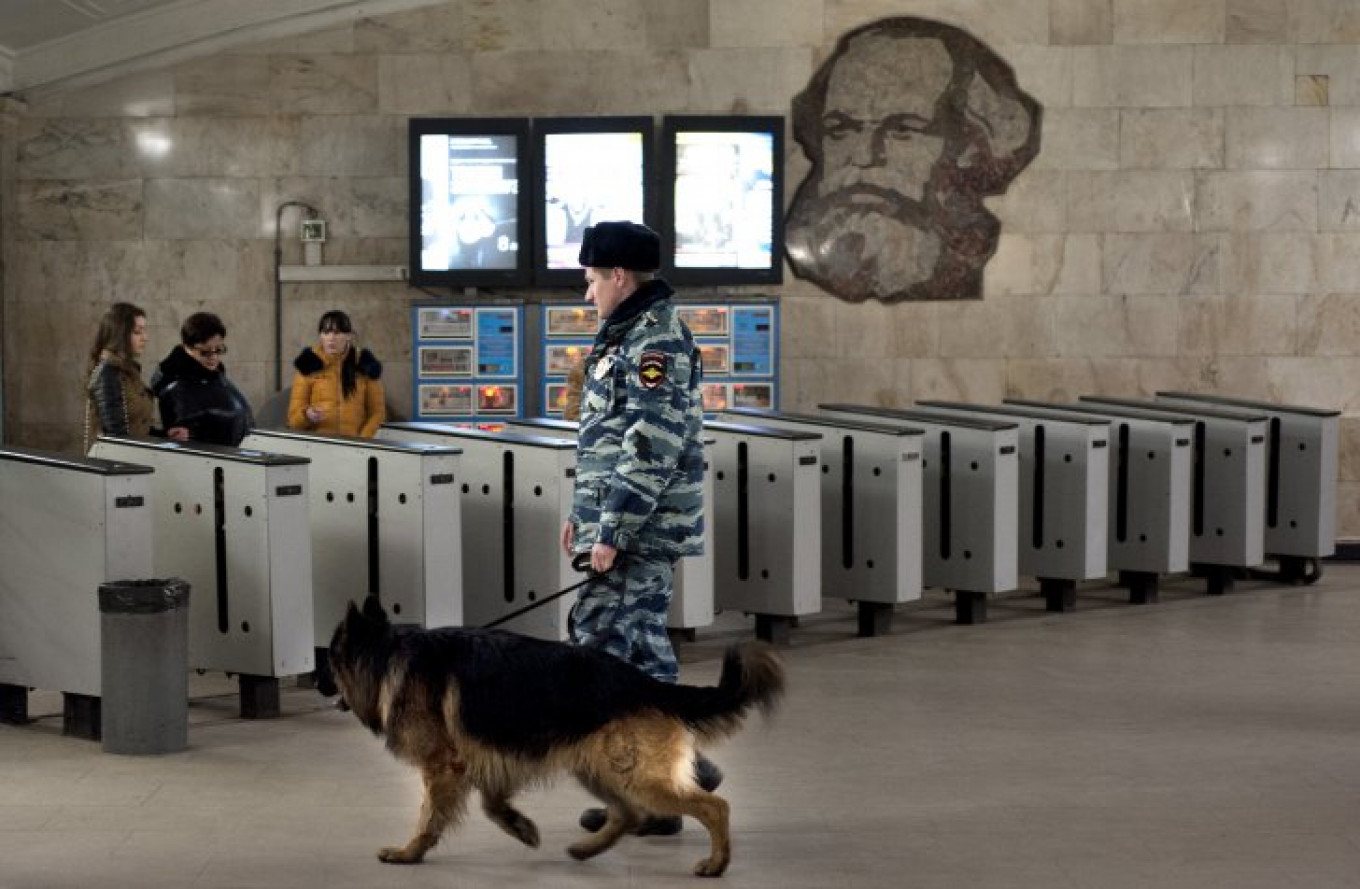
Russia is also among the world's most policed country, with an average of 565 officers per 100,000 citizens, according to the United Nations' Office on Drugs and Crime. Service dogs trained to detect explosives and narcotics are often used in patrols of the metro.
Pascal Dumont / Moscow Times
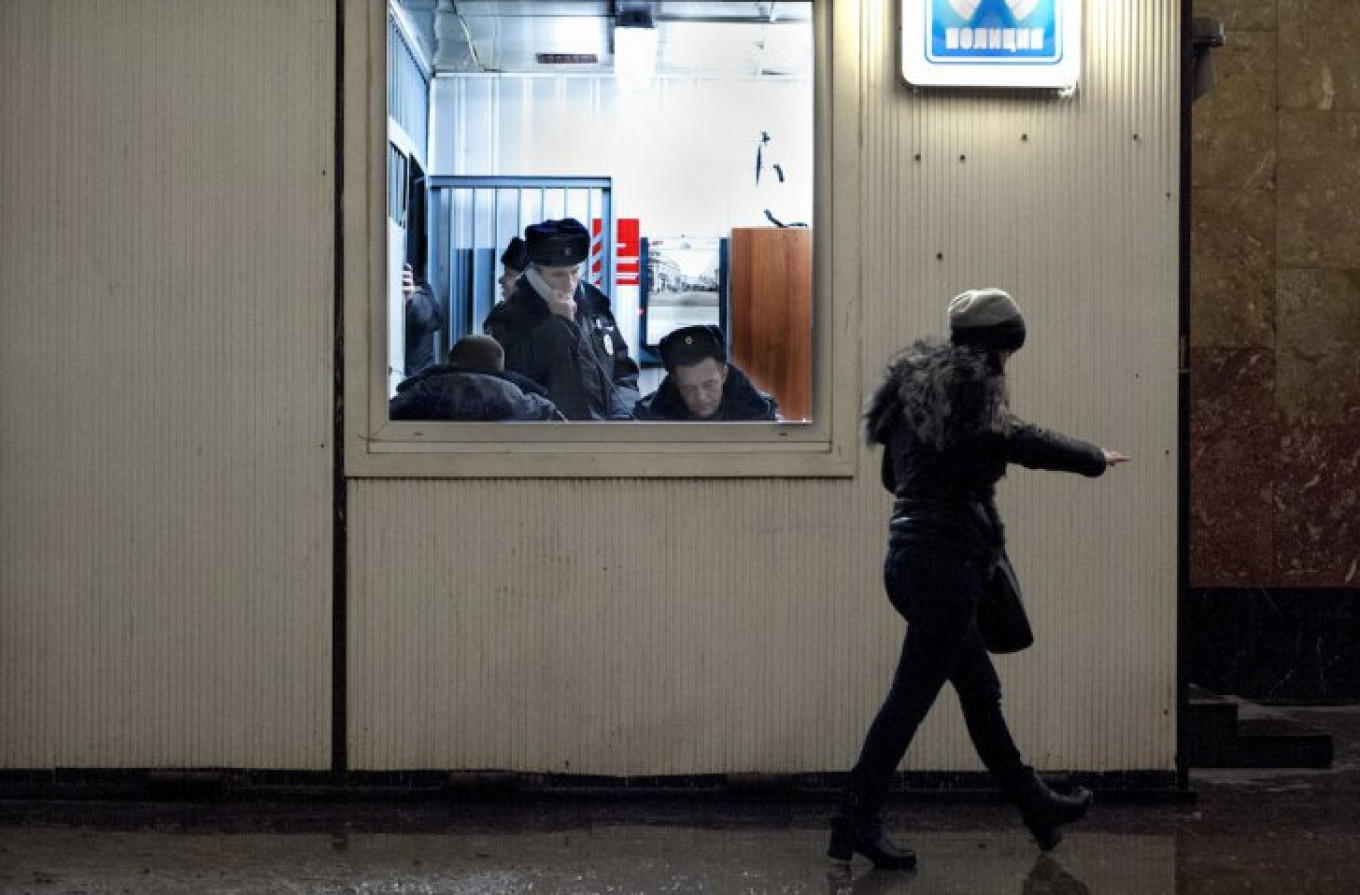
A police office is a common sight at the entrance of a metro station.
Pascal Dumont / Moscow Times
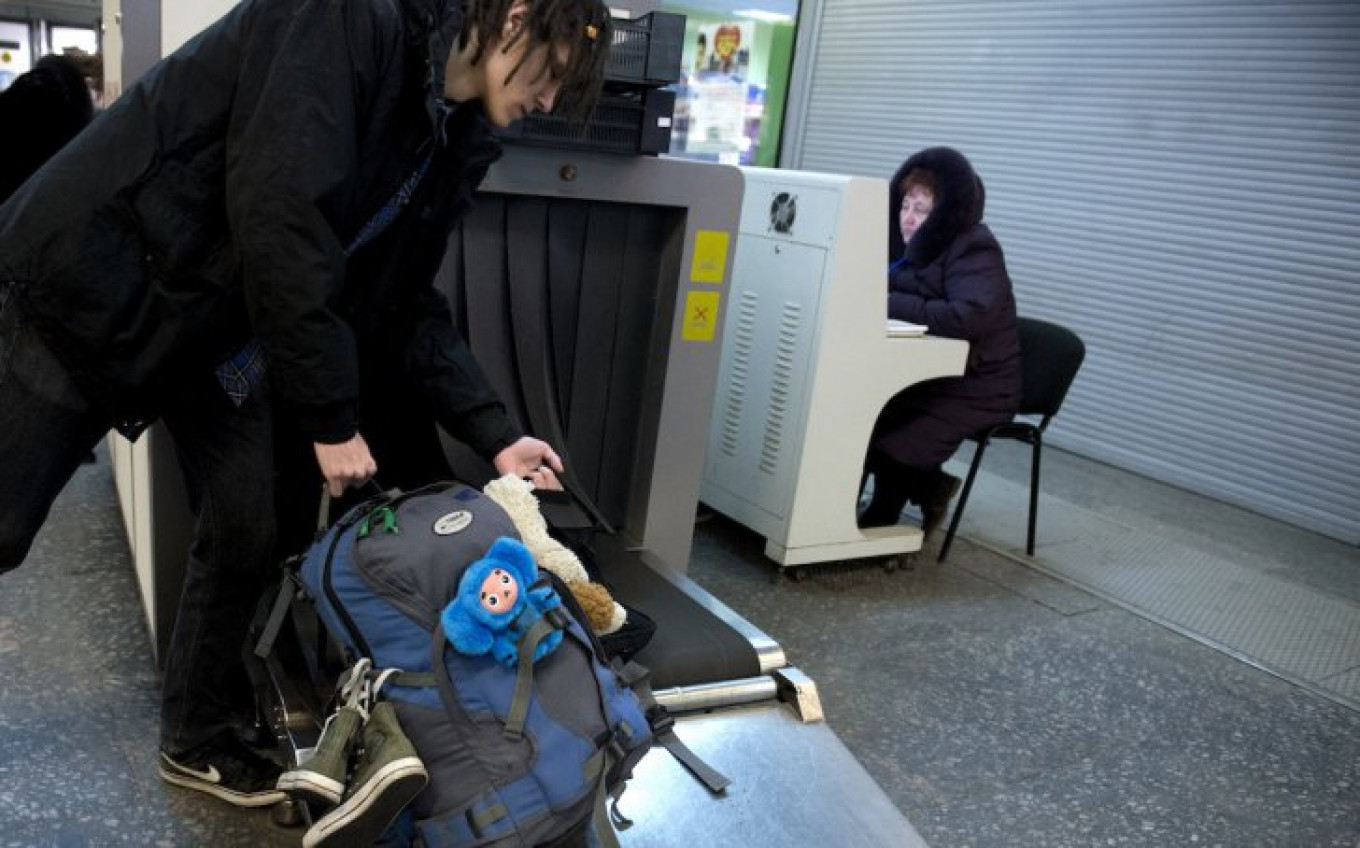
A young man's bag is scanned in an X-ray machine at Kursky Station.
Pascal Dumont / Moscow Times
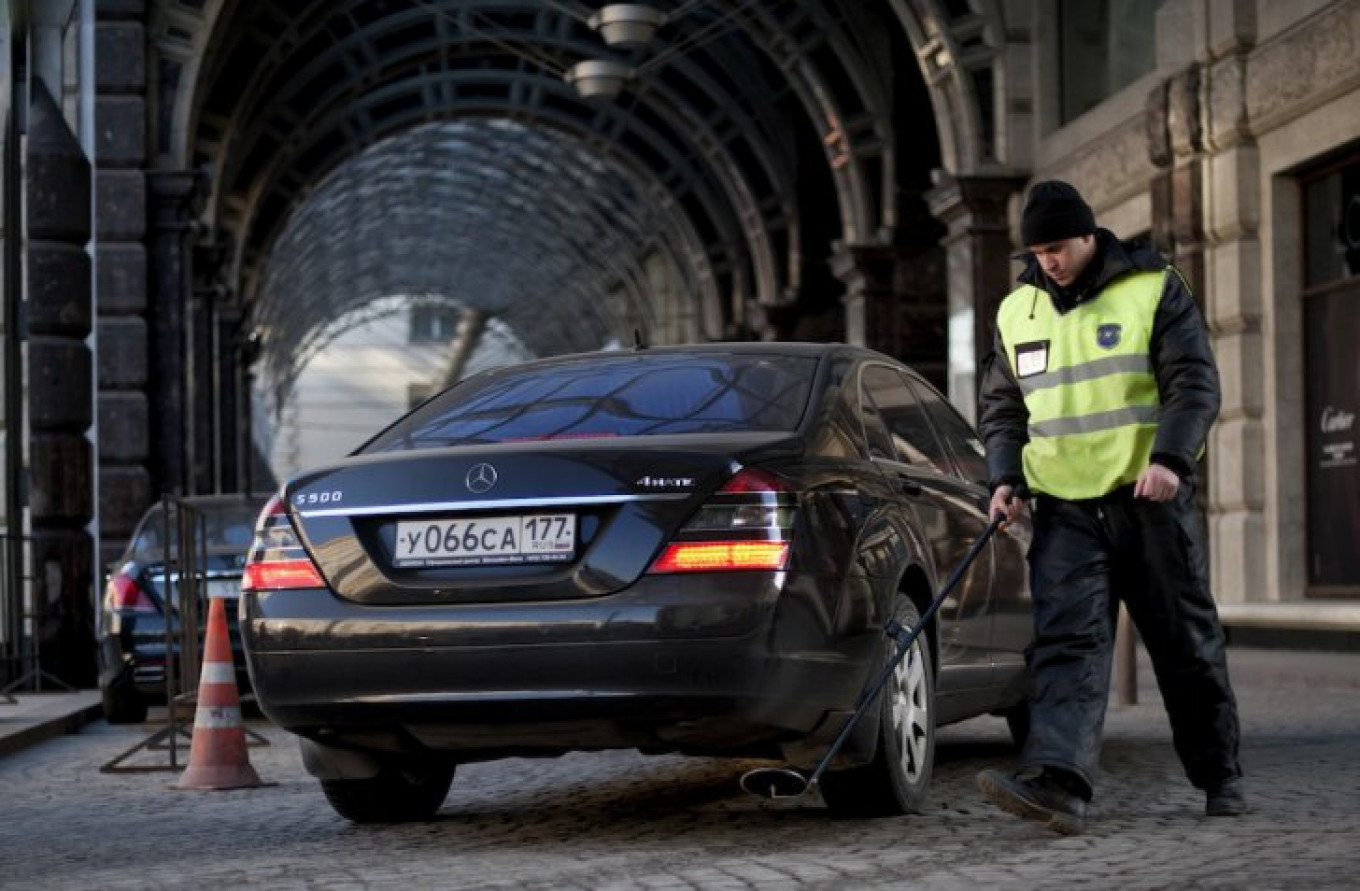
Security personnel at the city's most prestigious hotels use mirrors like this one to search vehicle undercarriages for explosives.
Pascal Dumont / Moscow Times
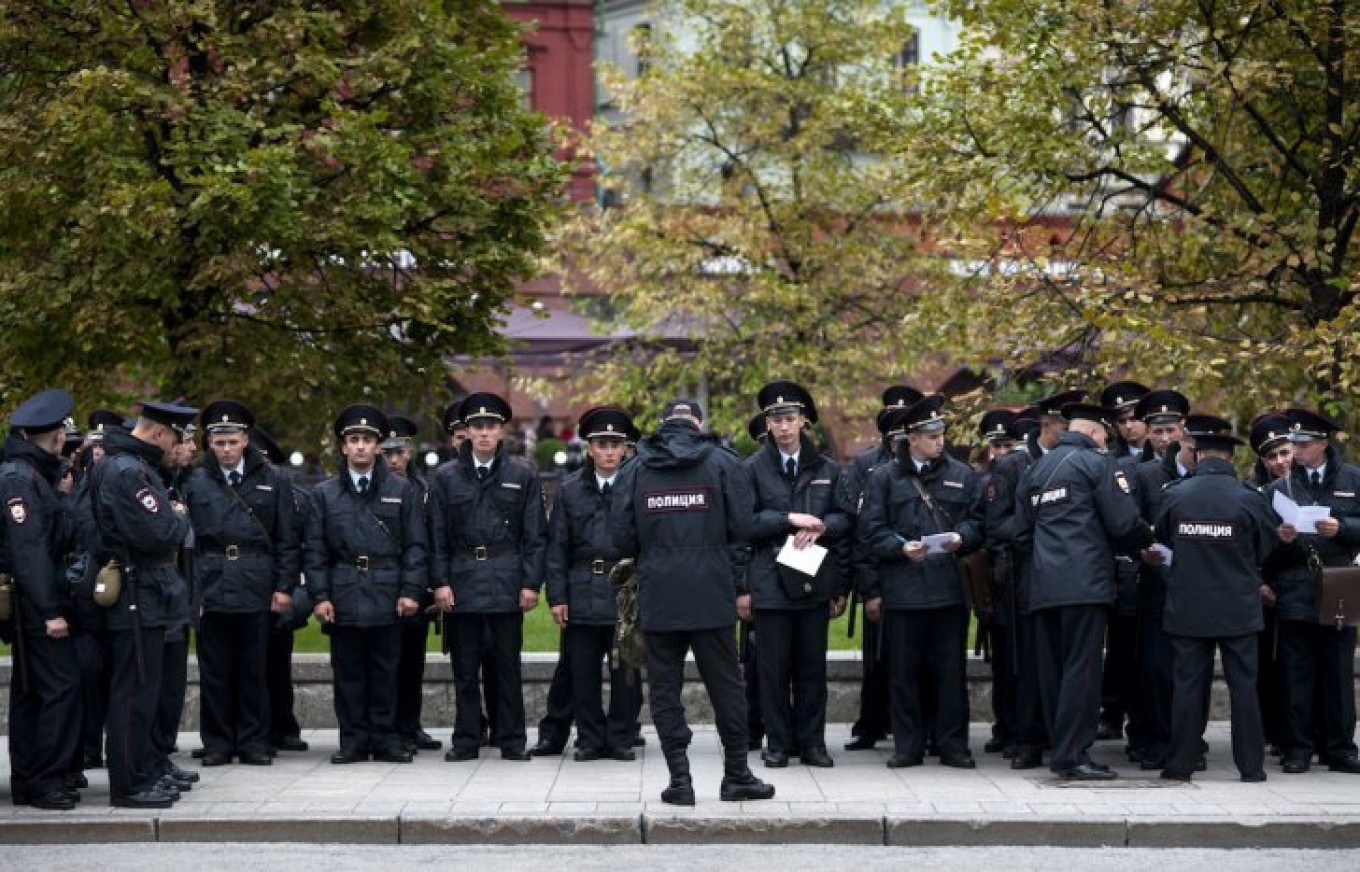
Some 98,000 police officers patrolled Moscow's sprawling streets in 2010. There was one policeman for every 108 Muscovites that year, according to Interior Ministry data.
Pascal Dumont / Moscow Times
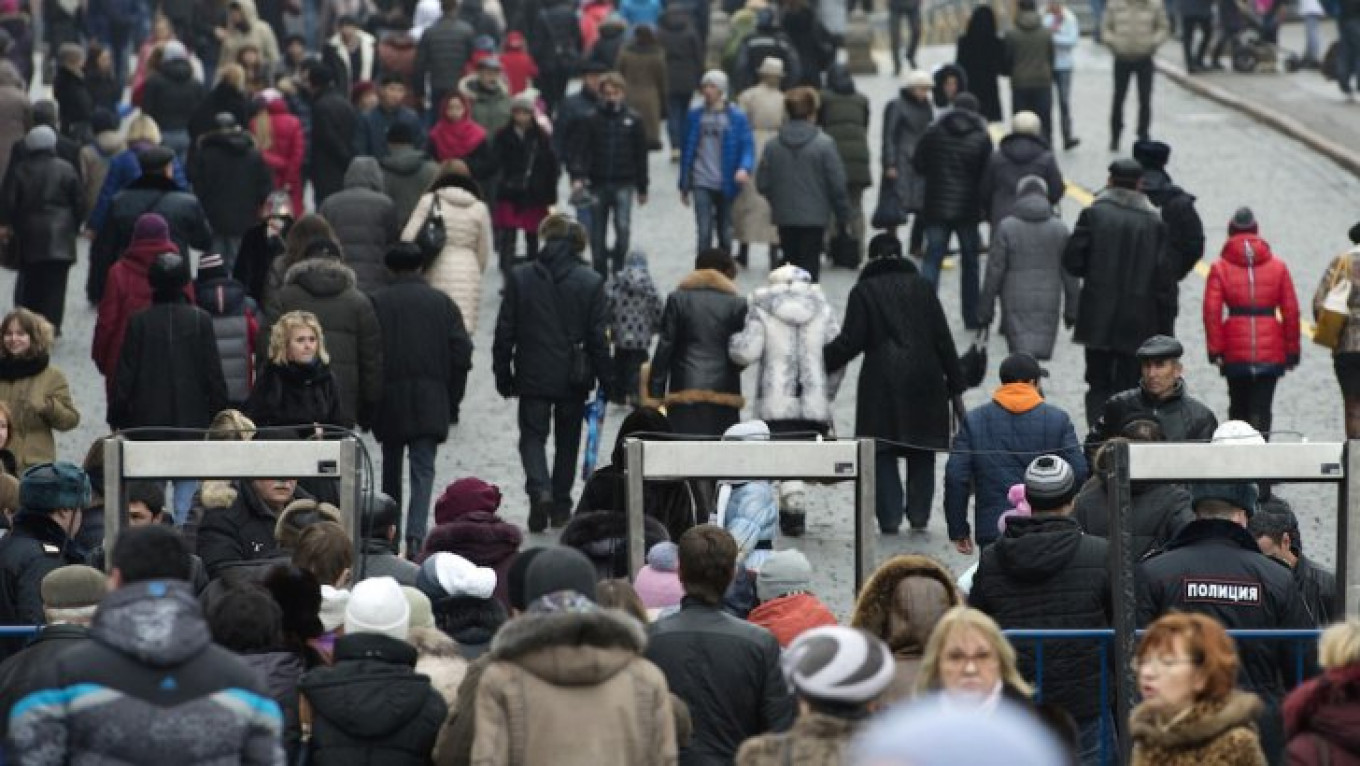
A few days before the beginning of last year's Olympics Games in Sochi, security was increased in Moscow and people had to pass through metal detectors before being allowed on Red Square.
Pascal Dumont / Moscow Times
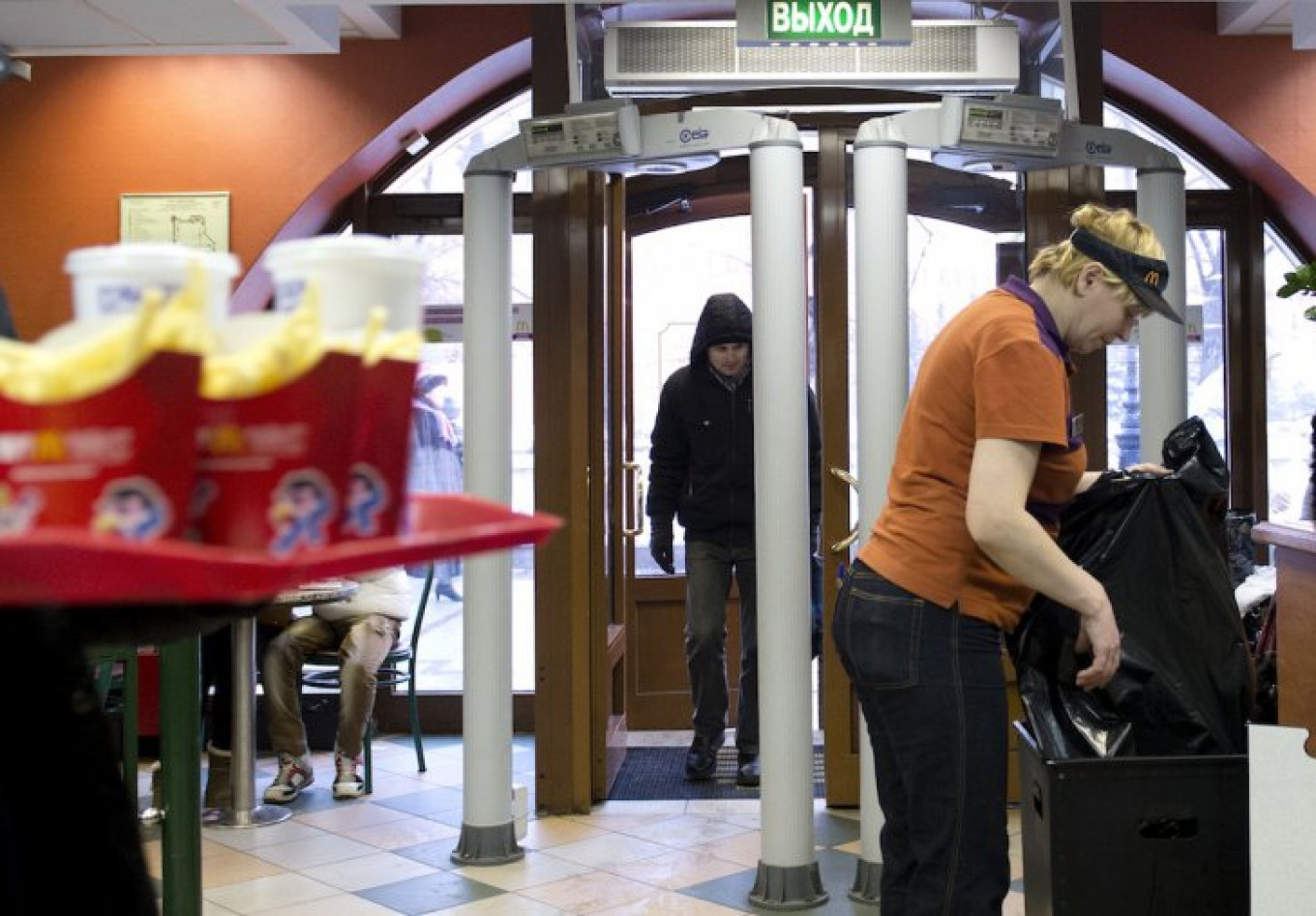
Some Muscovites have to pass through a metal detector to enjoy a Big Mac and fries.
Pascal Dumont / Moscow Times
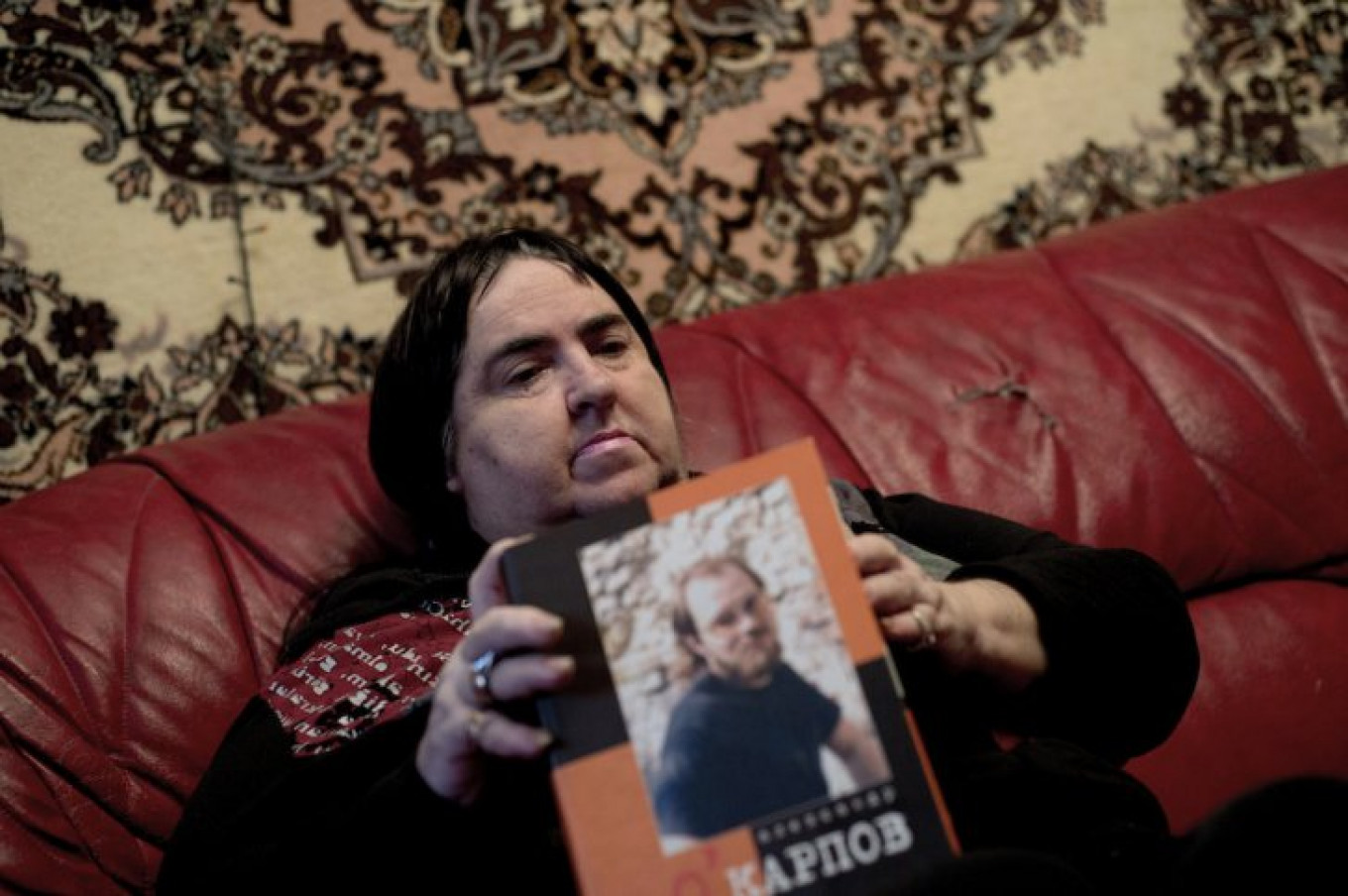
Twelve years after her son Alexander perished in the Dubrovka theater hostage crisis, Tatyana Karpova is still waiting for closure.
Karpova's son was among the 130 people who died after Chechen terrorists took some 900 people hostage at the theater in October 2002, prompting an intervention by Russian special forces.
Karpova's son was among the 130 people who died after Chechen terrorists took some 900 people hostage at the theater in October 2002, prompting an intervention by Russian special forces.
Pascal Dumont / Moscow Times
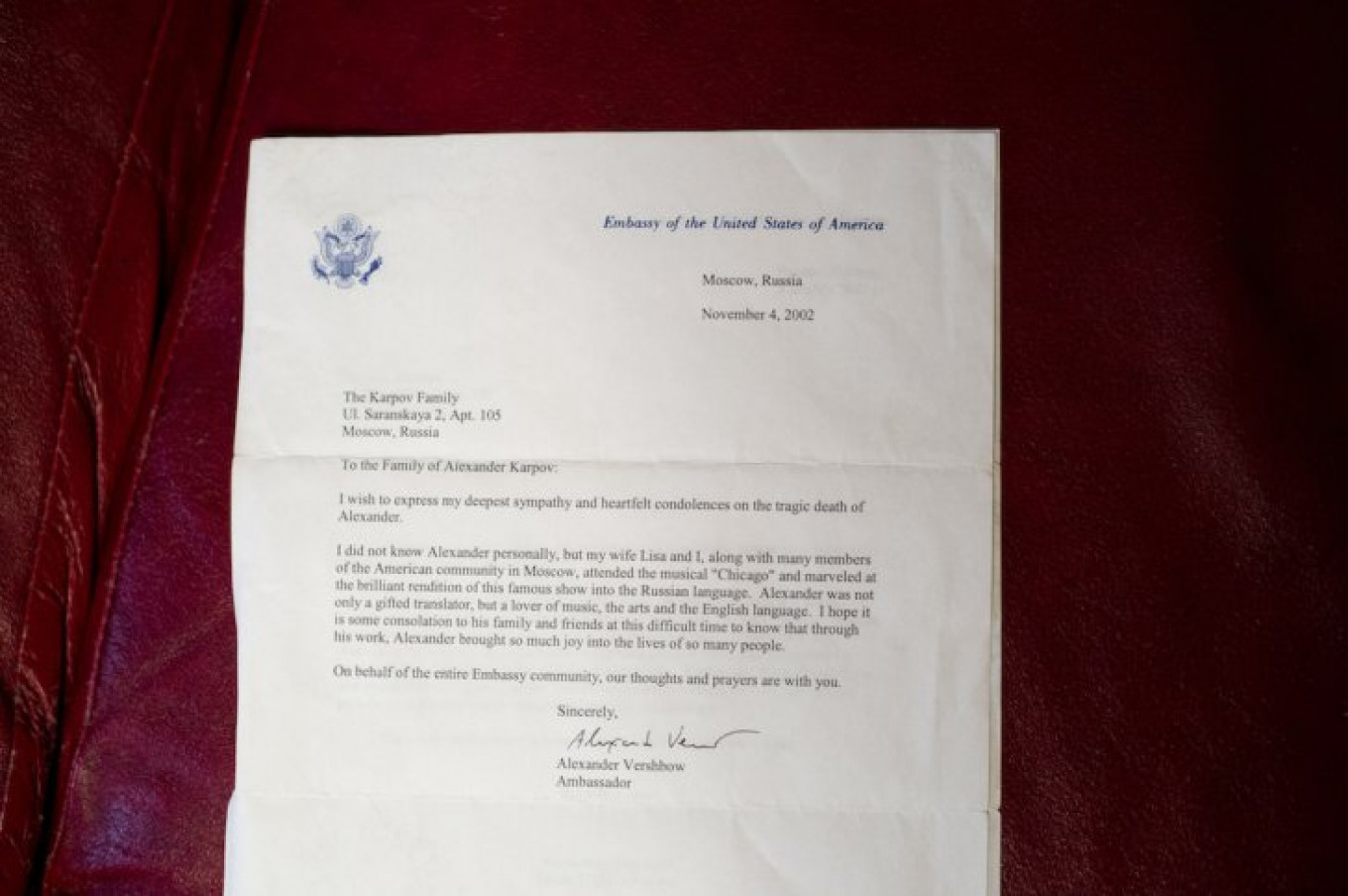
"We received a condolence letter from the American ambassador to Russia at the time," Karpova said. "We never heard anything from local or federal authorities. No condolences, nothing."
Pascal Dumont / Moscow Times
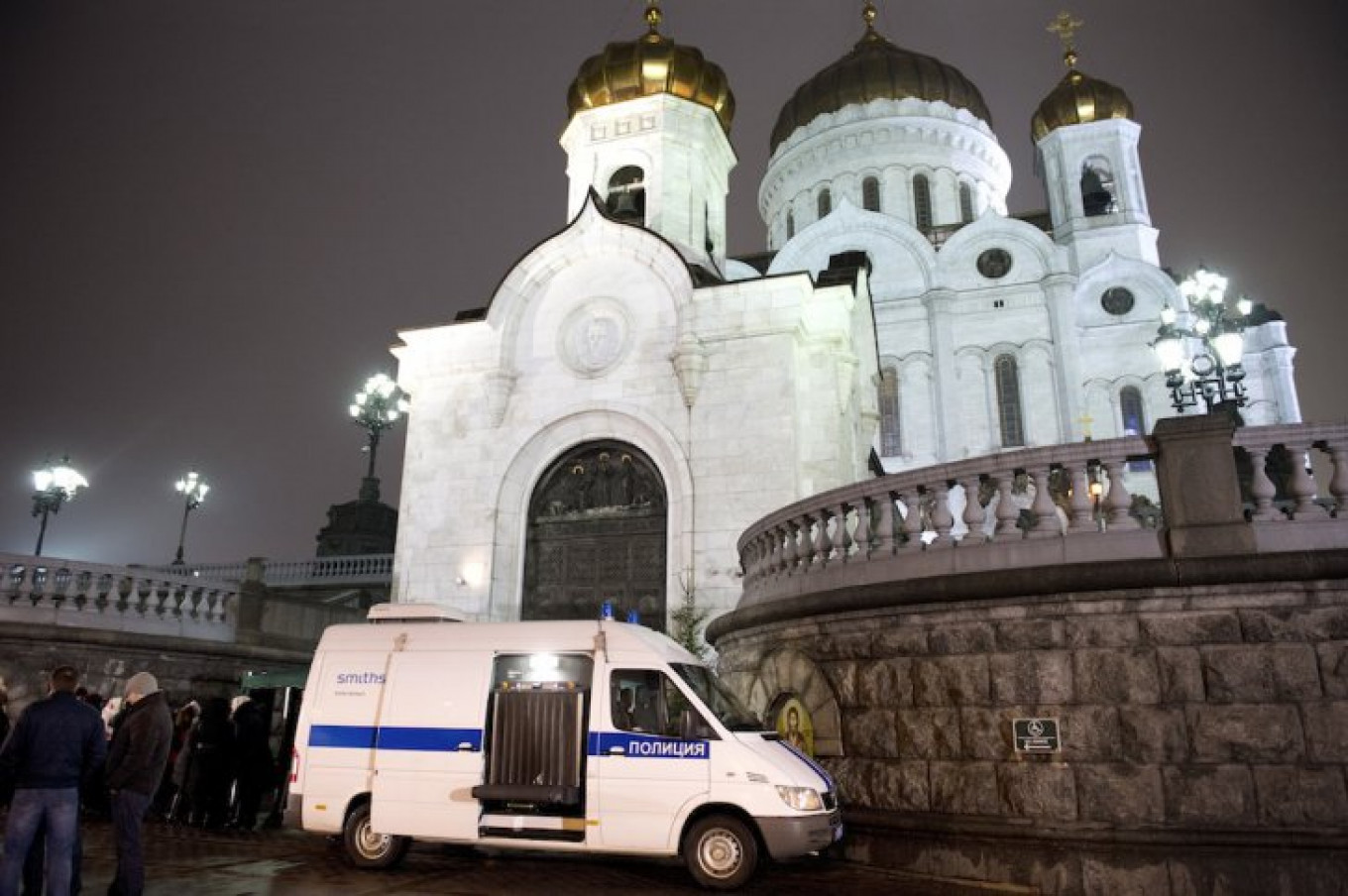
A police vehicle containing a X-ray scanner for checking participants in a religious service at Moscow's popular Christ the Savior Cathedral.
Pascal Dumont / Moscow Times
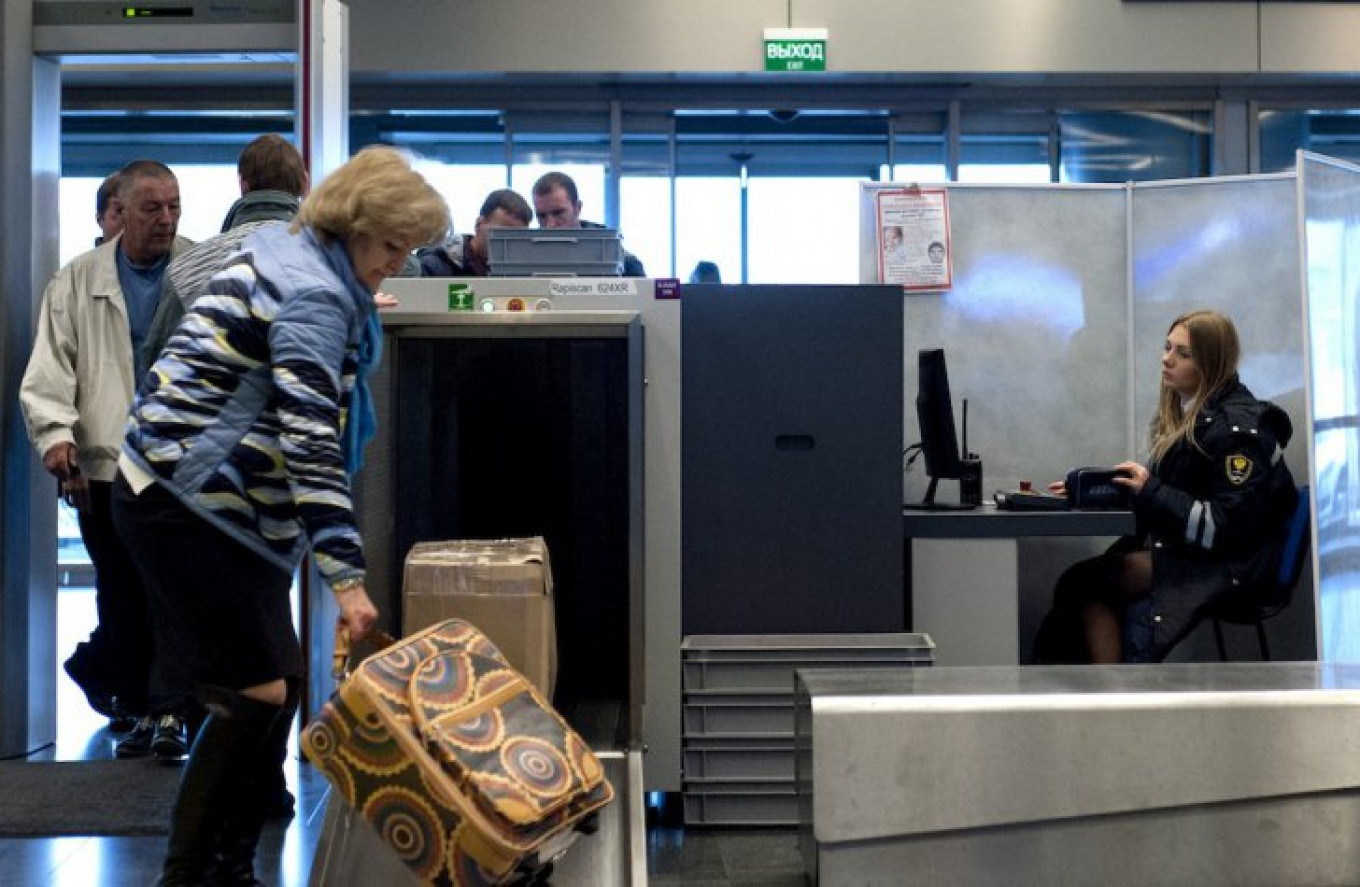
A security checkpoint at an entrance to Moscow's Vnukovo Airport.
The personnel use gas analyzers and other equipment to search for explosives.
A suicide bomber killed 37 people and injured about 200 others in Moscow's Domodedovo Airport in January 2011.
The high-tech security system that Domodedovo had installed at its entrances in 2007 was unable to prevent the attack.
The personnel use gas analyzers and other equipment to search for explosives.
A suicide bomber killed 37 people and injured about 200 others in Moscow's Domodedovo Airport in January 2011.
The high-tech security system that Domodedovo had installed at its entrances in 2007 was unable to prevent the attack.
Pascal Dumont / Moscow Times
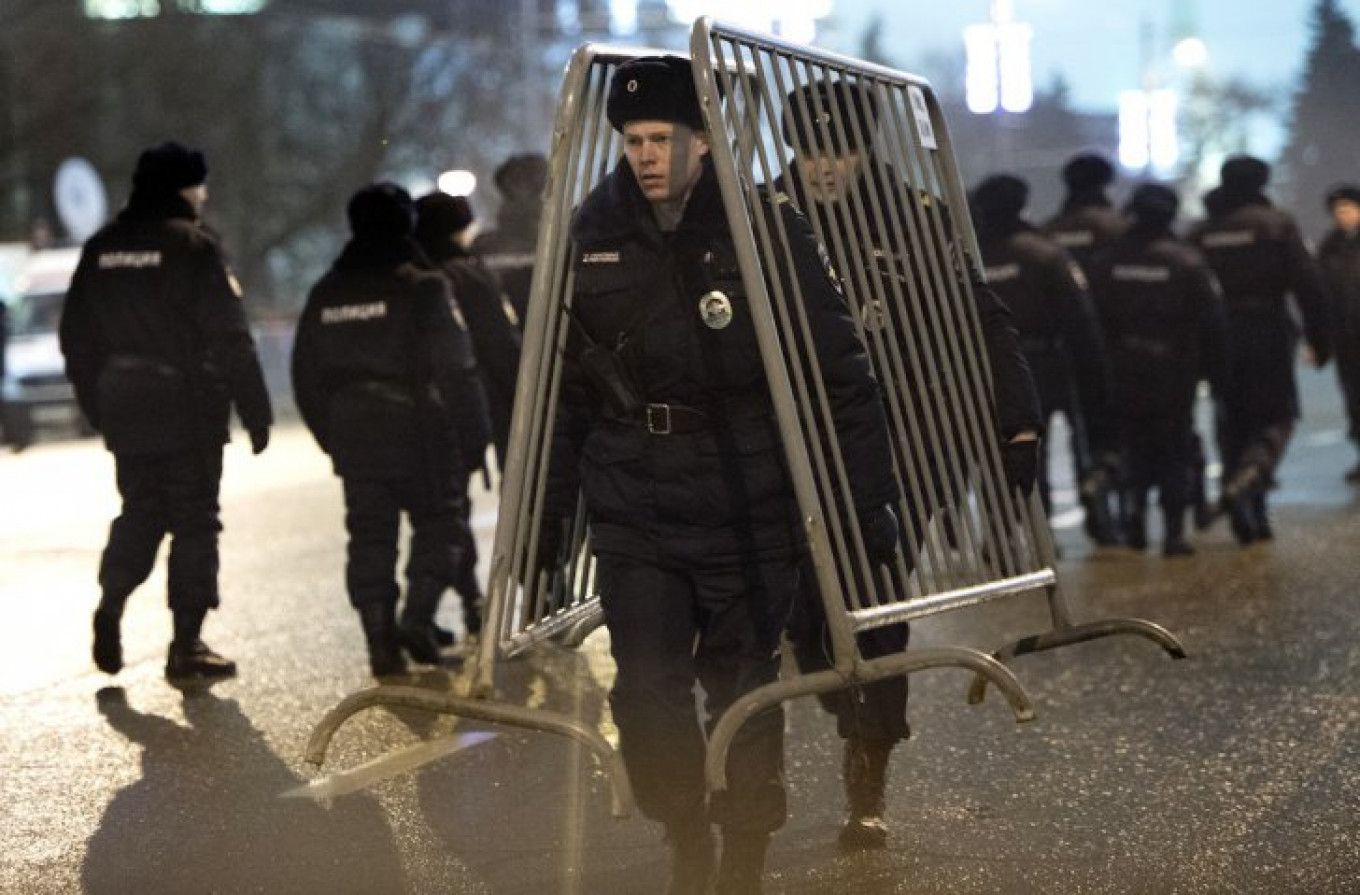
Police officers transporting fences for a security cordon.
Pascal Dumont / Moscow Times
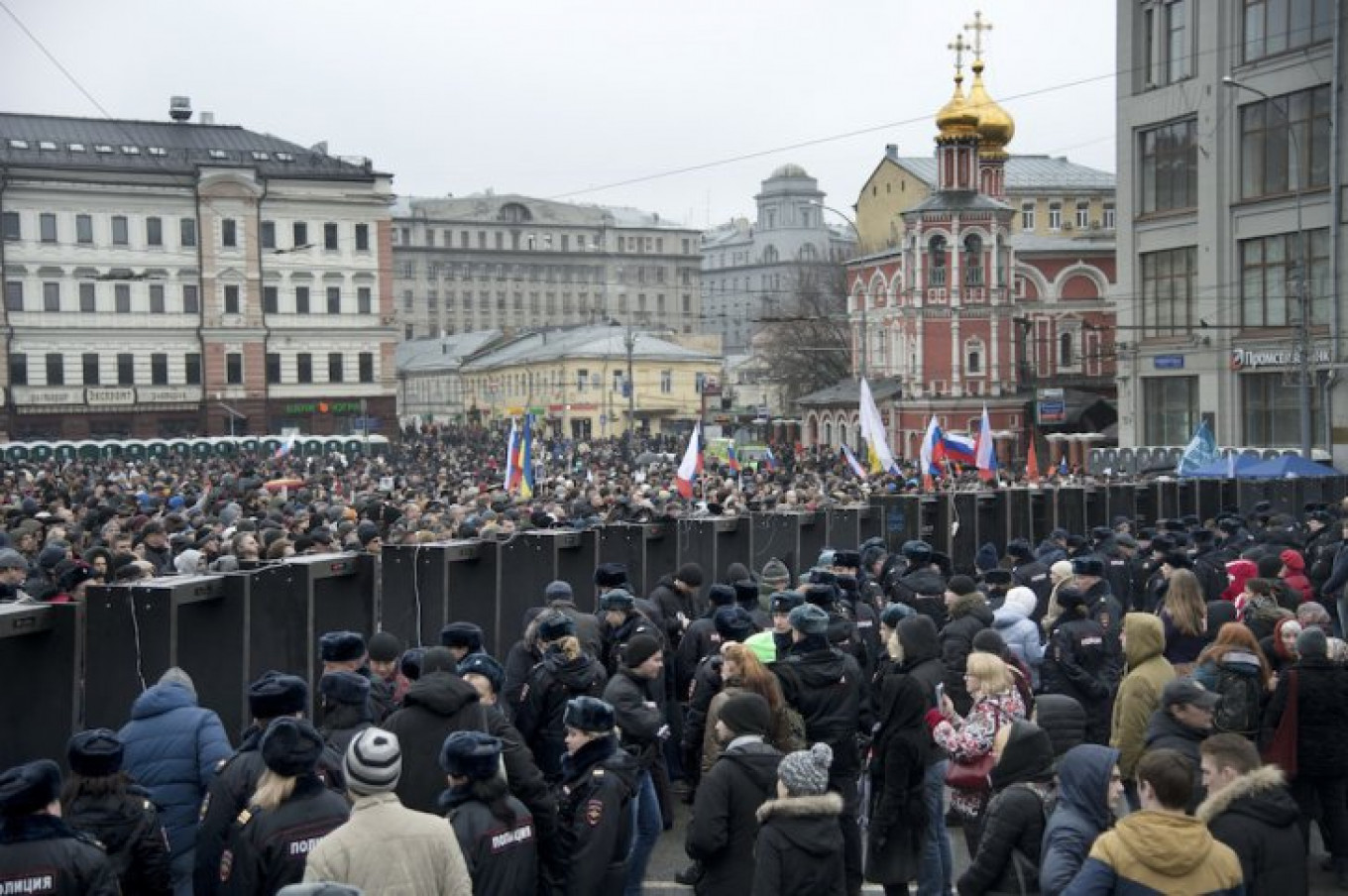
Protestors have to pass through a metal detector before participating in a large rally. Police put up barriers to prevent demonstrators from joining protests from nearby streets.
Pascal Dumont / Moscow Times
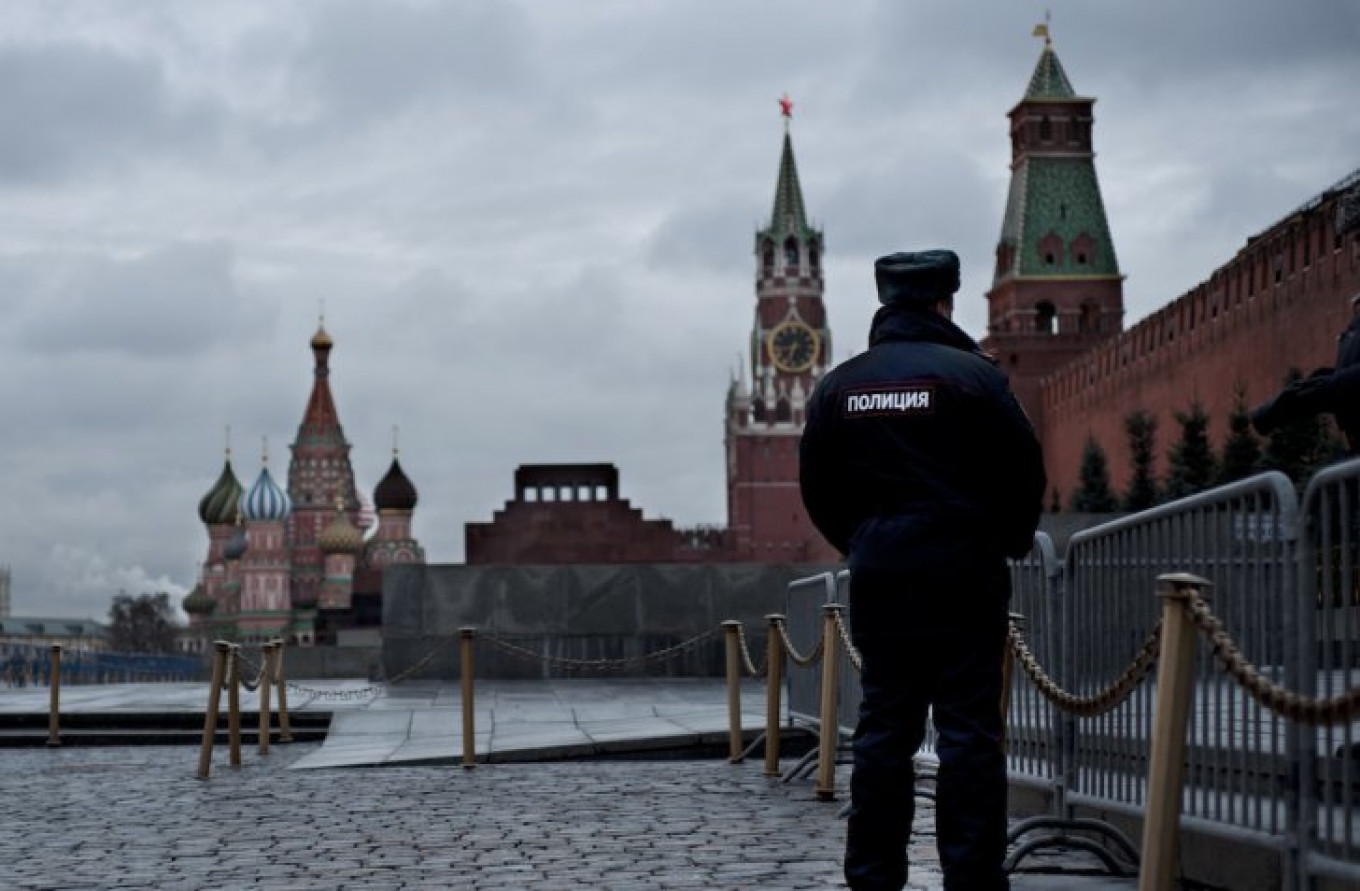
Russia's Interior Ministry in 2011 underwent a series of reforms costing billions of rubles. That year the Russian word for the police force was officially changed from the Soviet term "militia" to current "police." All the uniforms had to be changed and the police cars repainted.
Pascal Dumont / Moscow Times
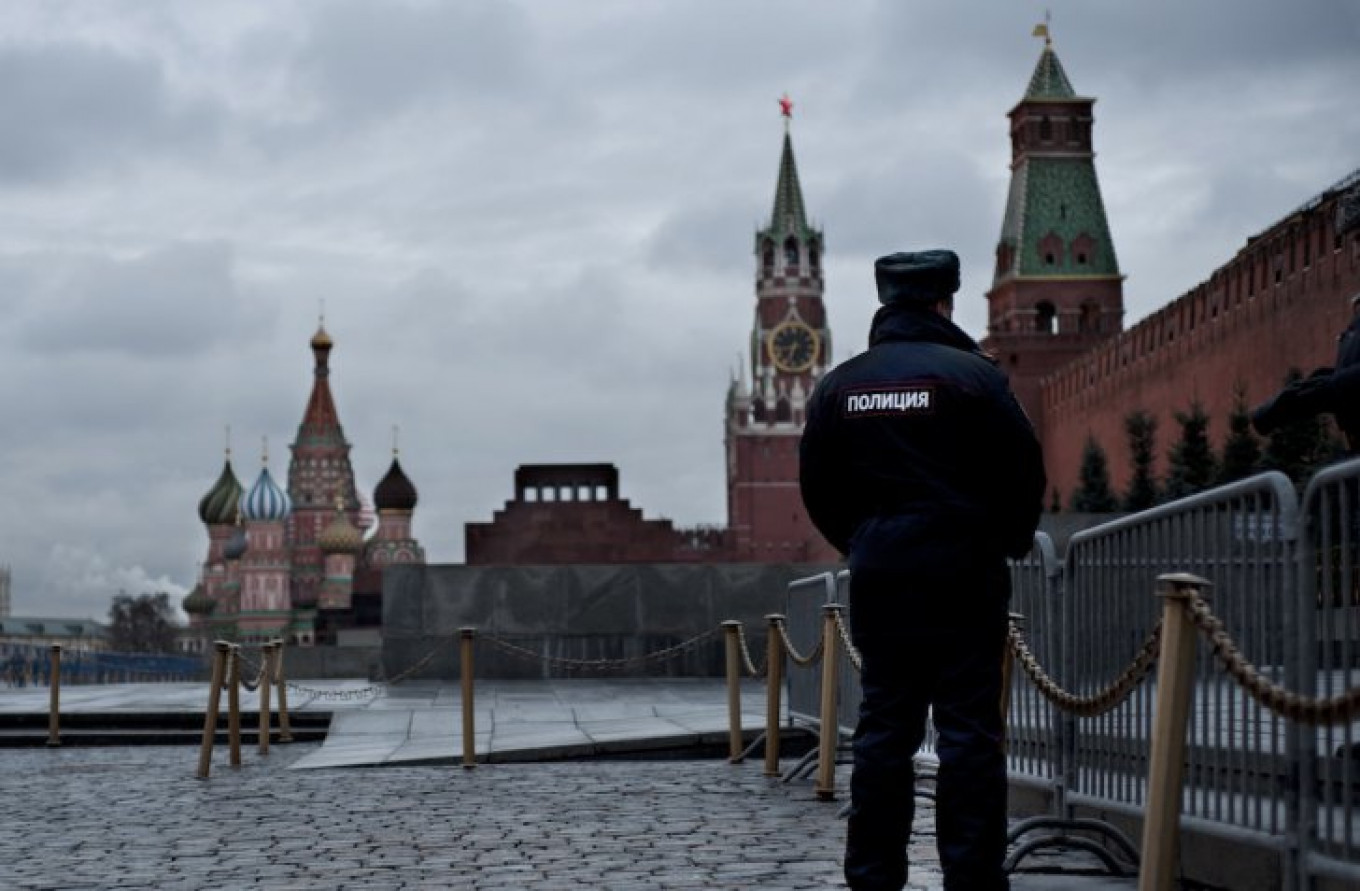
Russia's Interior Ministry in 2011 underwent a series of reforms costing billions of rubles. That year the Russian word for the police force was officially changed from the Soviet term "militia" to current "police." All the uniforms had to be changed and the police cars repainted.
Pascal Dumont / Moscow Times