
From the Archive: The Miners of Donetsk

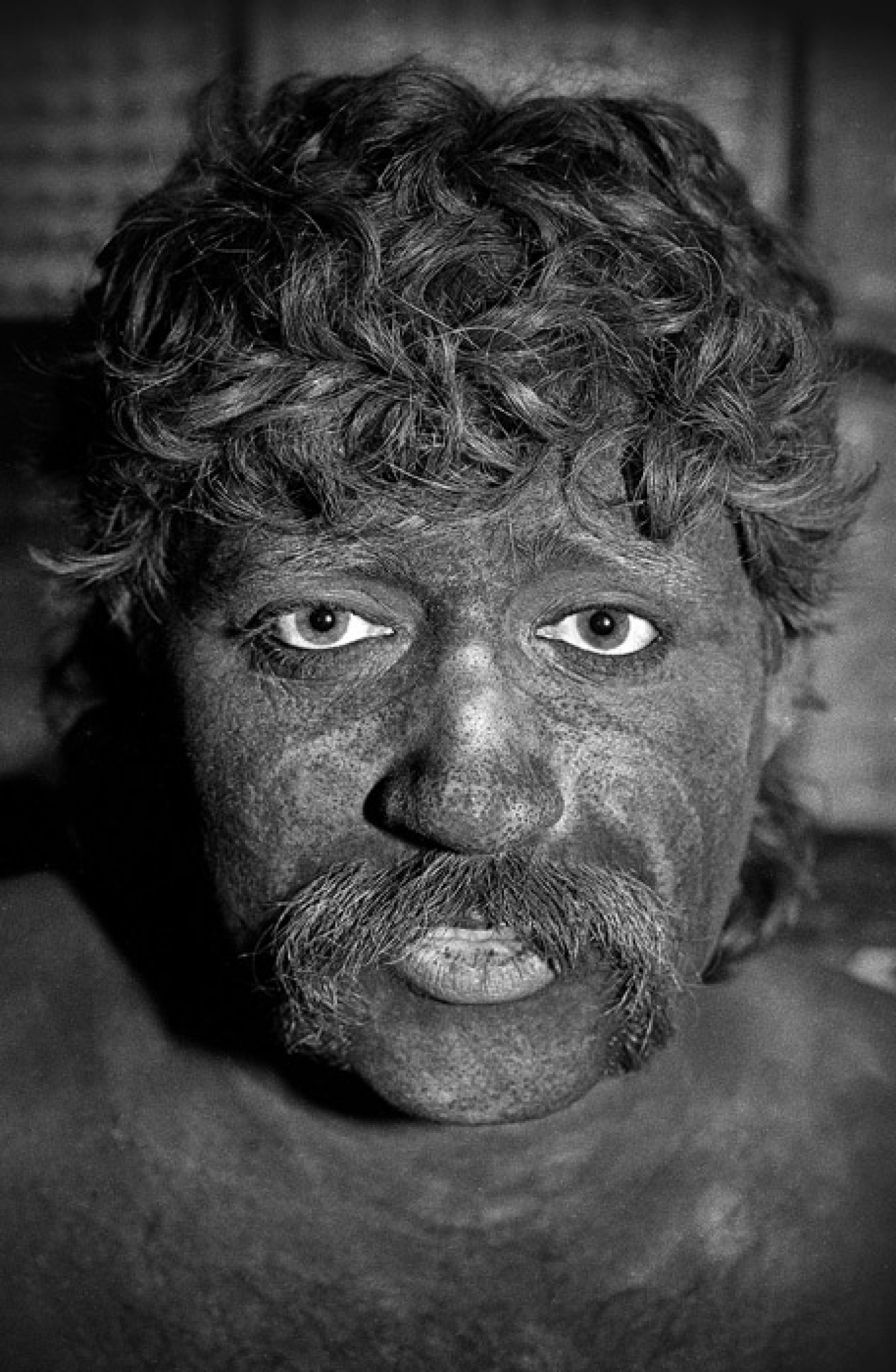
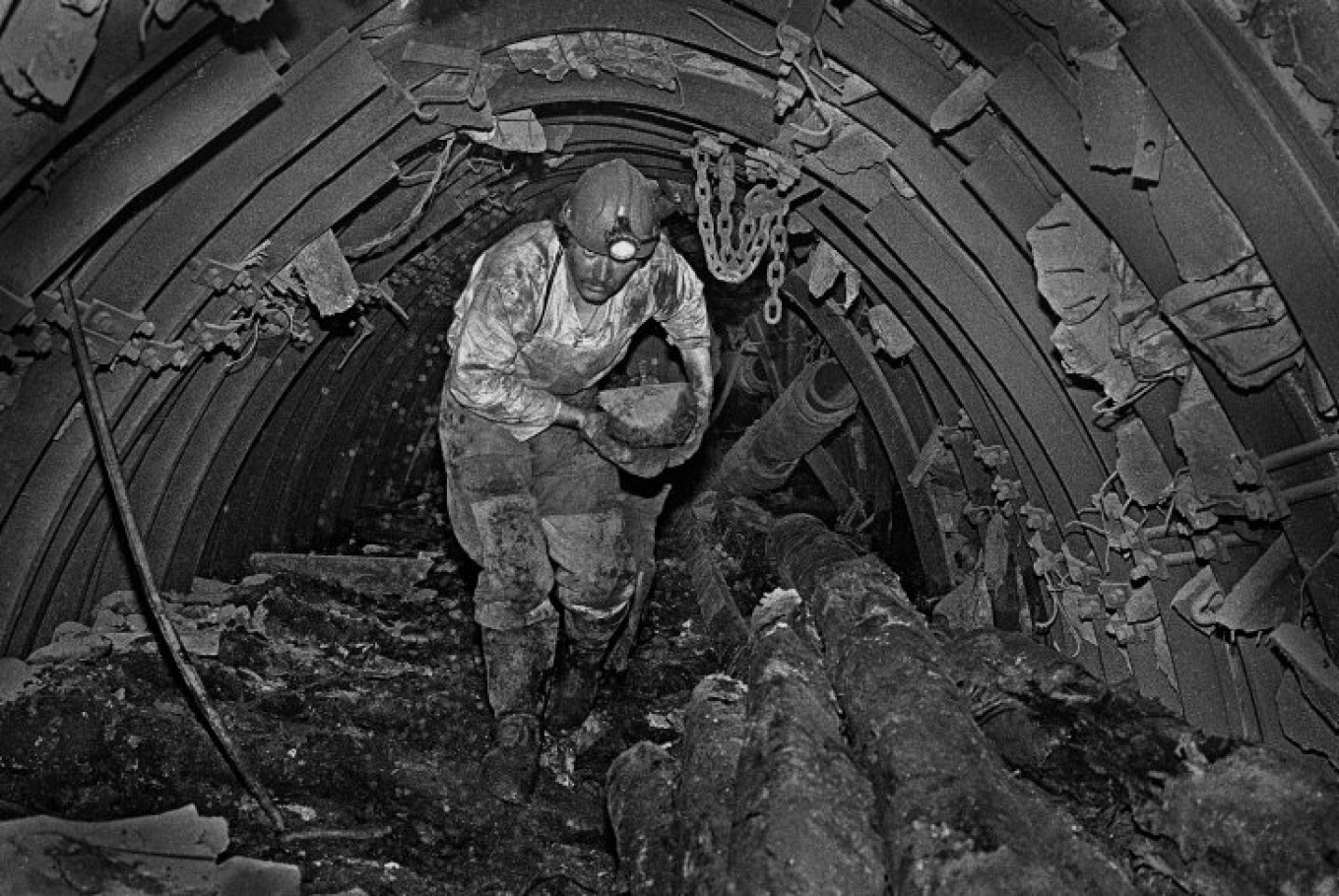
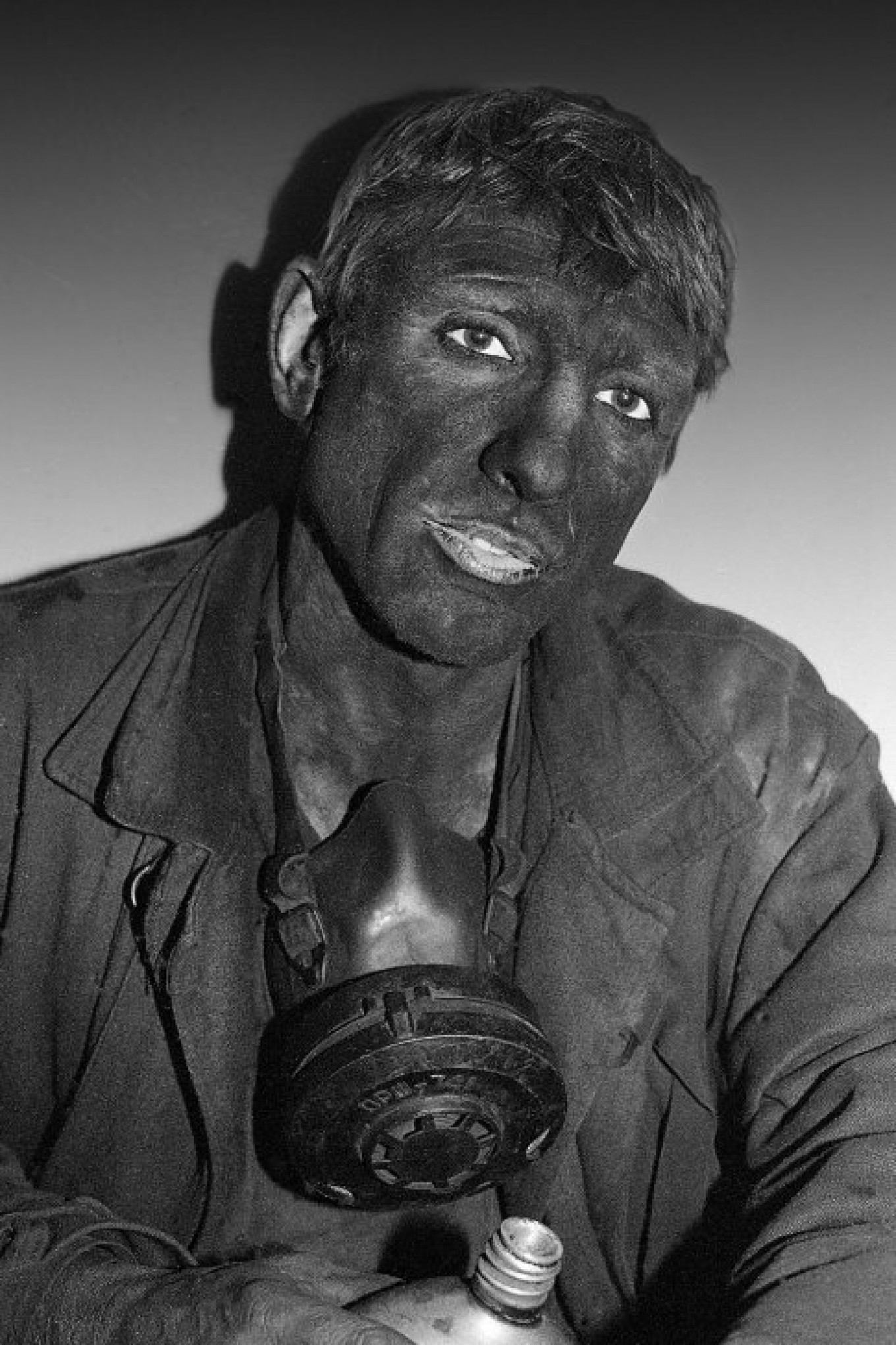
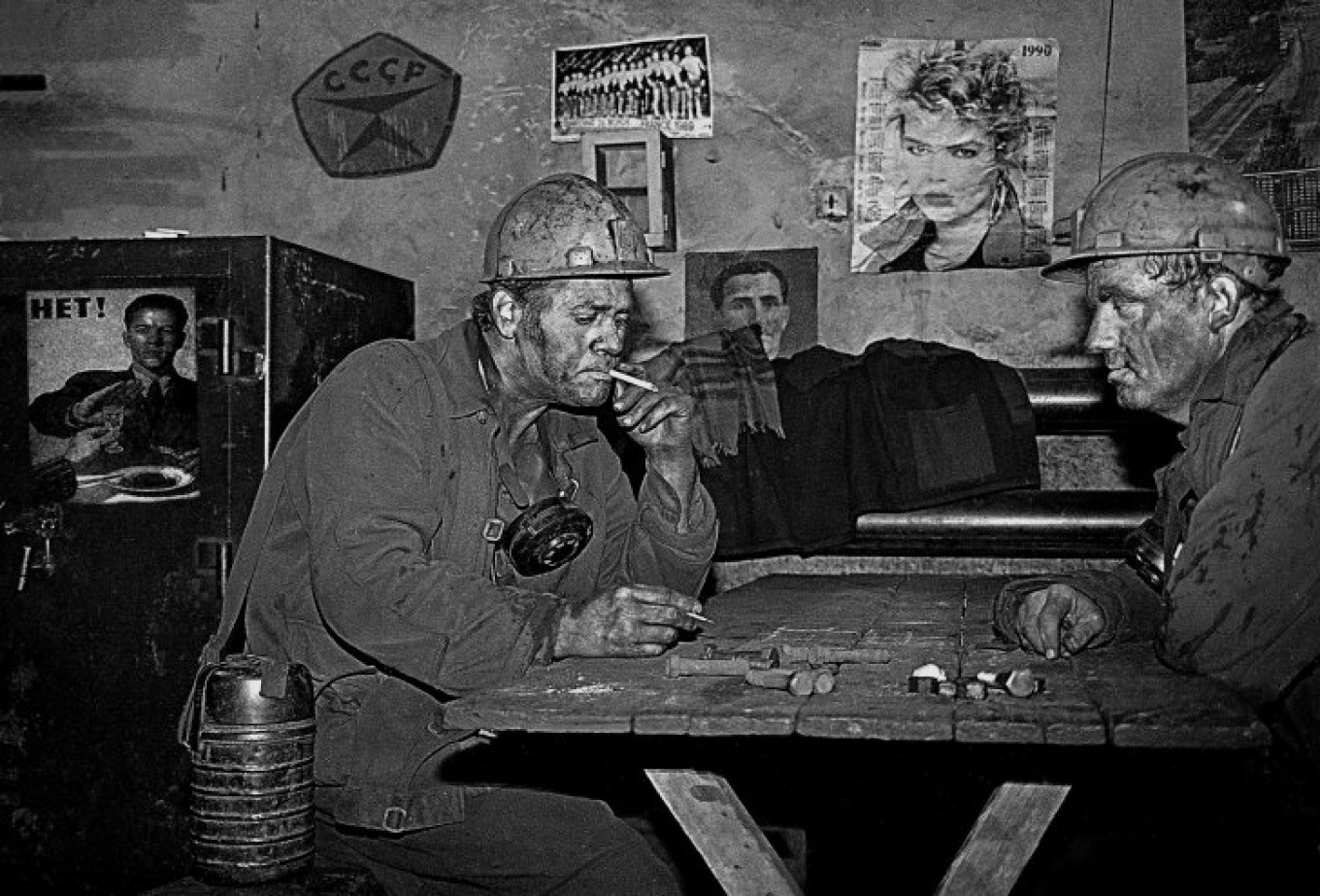
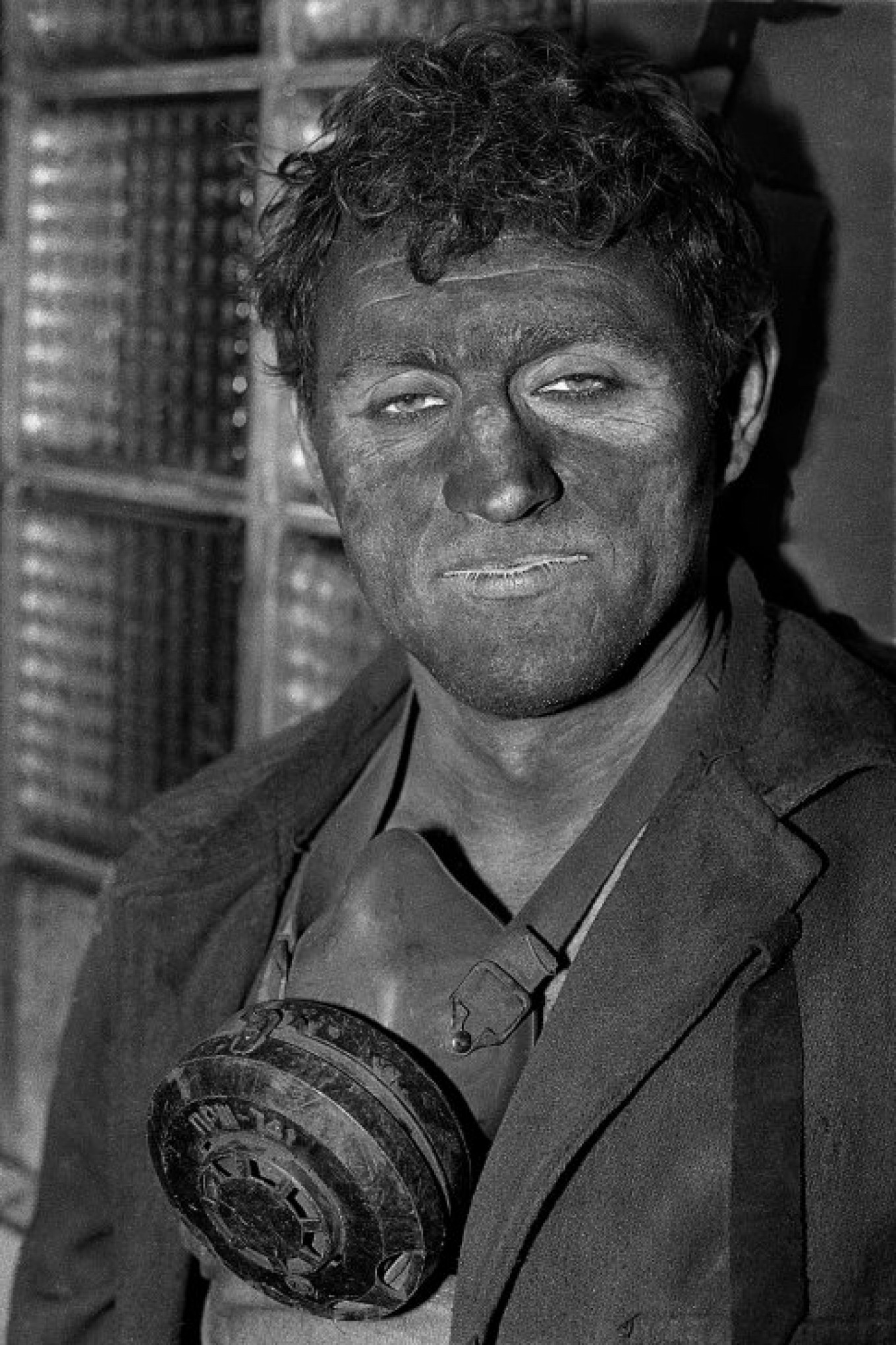
Ukraine's coal mines, some of which date back to the 19th century, are regarded as some of the world's most dangerous. In addition, the country's mines are typically more than 1,000 meters deep — twice the depth of most European coal beds. At such depths, high levels of methane accumulate. According to the European Association for Coal and Lignite, or EURACOAL, 149 mines were still in operation in the country in 2010, providing jobs for about 271,000 people. Thousands of miners have lost their lives in mining accidents since then. The Moscow Times' photographer Vladimir Filonov visited the mines of eastern Ukraine's Donetsk region in 1991, where he met with several coal miners.?
See also: Donetsk Miners Rally in Favor of Separatists in Eastern Ukraine
Photo Gallery: A City at War, Moscow in 1941
Vladimir Filonov / MT
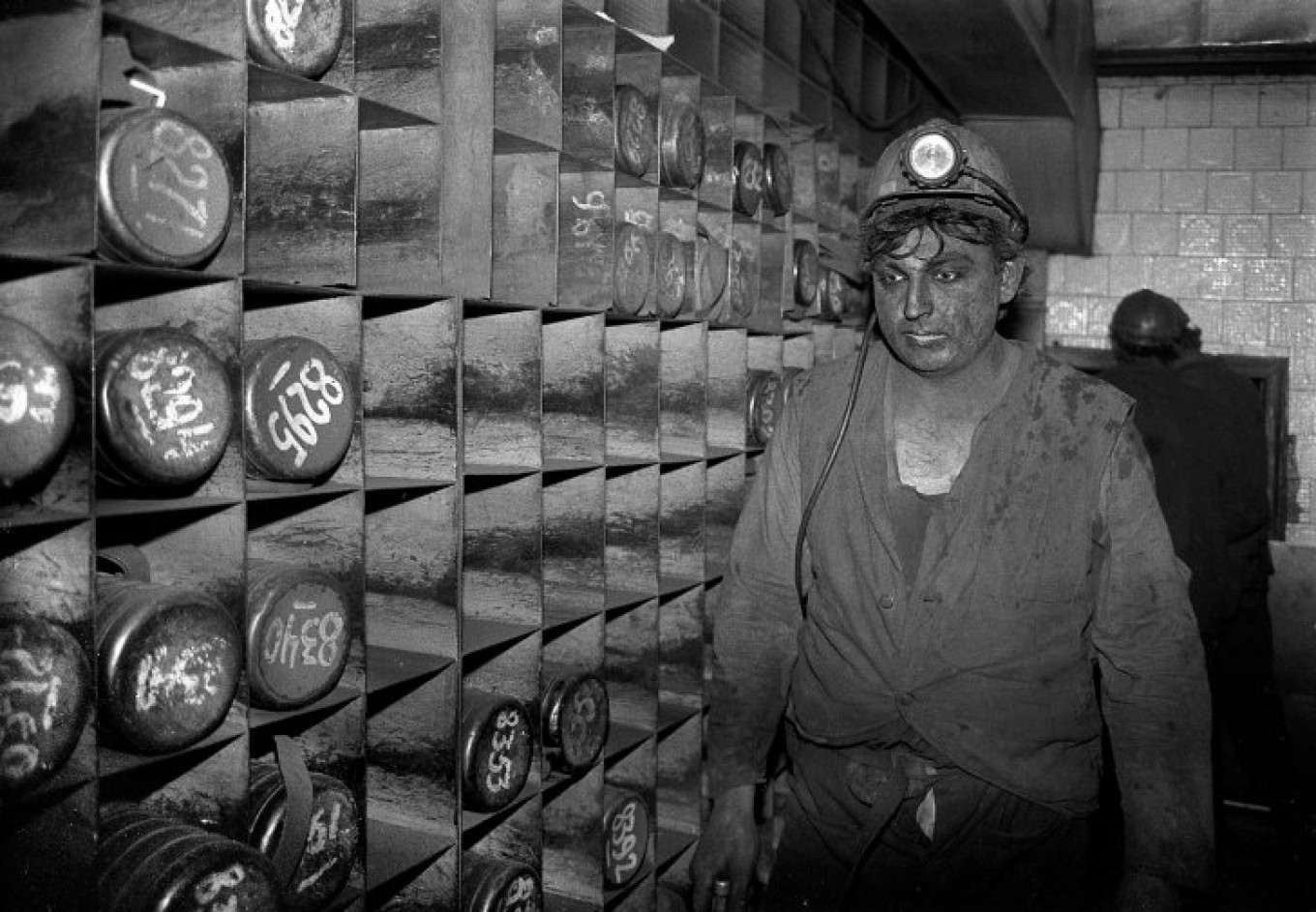
Ukraine's coal mines, some of which date back to the 19th century, are regarded as some of the world's most dangerous. In addition, the country's mines are typically more than 1,000 meters deep — twice the depth of most European coal beds. At such depths, high levels of methane accumulate.
According to the European Association for Coal and Lignite, or EURACOAL, 149 mines were still in operation in the country in 2010, providing jobs for about 271,000 people. Thousands of miners have lost their lives in mining accidents since then.
The Moscow Times' photographer Vladimir Filonov visited the mines of eastern Ukraine's Donetsk region in 1991, where he met with several coal miners.
See also:
Donetsk Miners Rally in Favor of Separatists in Eastern Ukraine
Photo Gallery:
A City at War, Moscow in 1941
According to the European Association for Coal and Lignite, or EURACOAL, 149 mines were still in operation in the country in 2010, providing jobs for about 271,000 people. Thousands of miners have lost their lives in mining accidents since then.
The Moscow Times' photographer Vladimir Filonov visited the mines of eastern Ukraine's Donetsk region in 1991, where he met with several coal miners.
See also:
Donetsk Miners Rally in Favor of Separatists in Eastern Ukraine
Photo Gallery:
A City at War, Moscow in 1941
Vladimir Filonov / MT
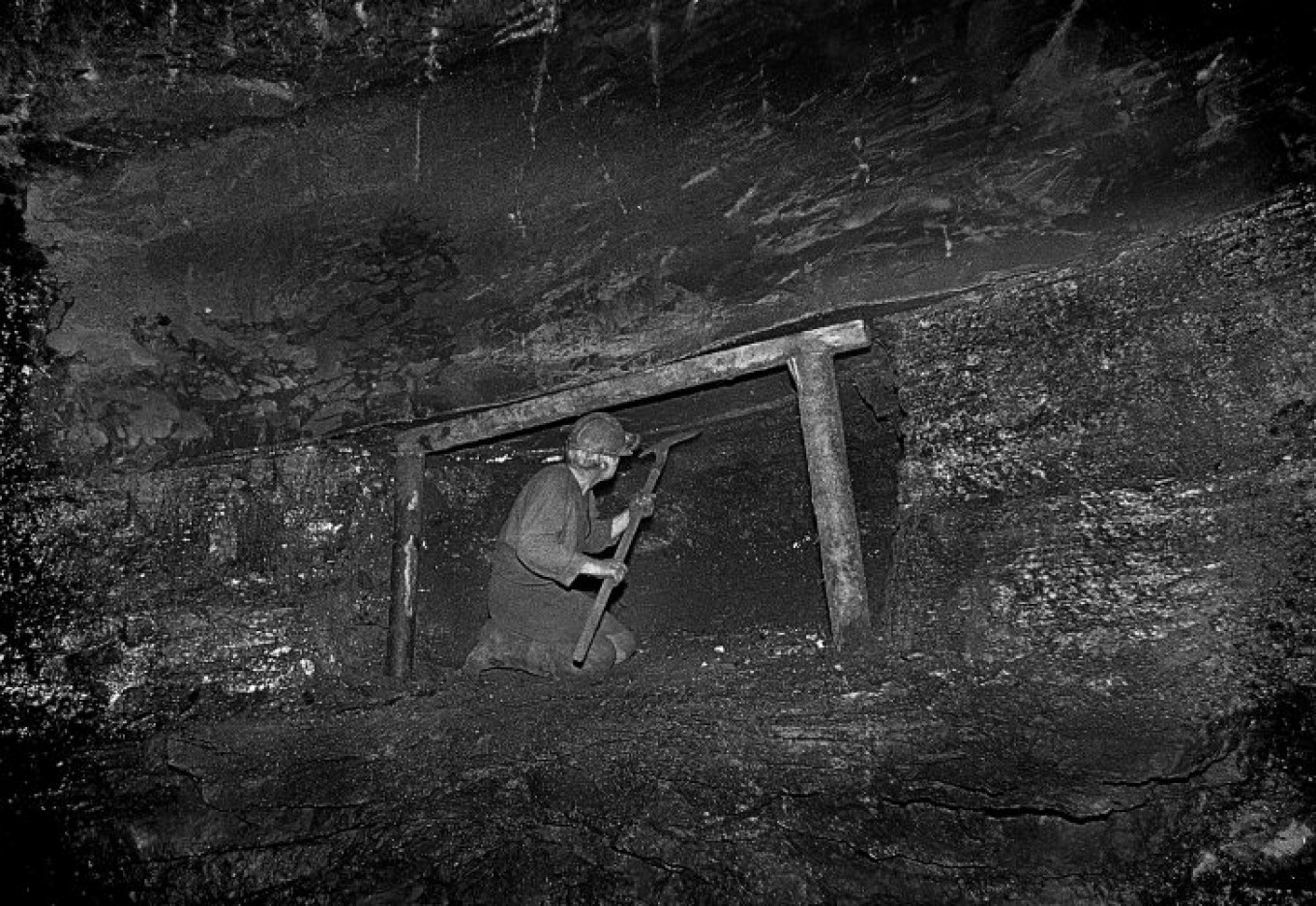
Ukraine's coal mines, some of which date back to the 19th century, are regarded as some of the world's most dangerous. In addition, the country's mines are typically more than 1,000 meters deep — twice the depth of most European coal beds. At such depths, high levels of methane accumulate.
According to the European Association for Coal and Lignite, or EURACOAL, 149 mines were still in operation in the country in 2010, providing jobs for about 271,000 people. Thousands of miners have lost their lives in mining accidents since then.
The Moscow Times' photographer Vladimir Filonov visited the mines of eastern Ukraine's Donetsk region in 1991, where he met with several coal miners.
See also:
Donetsk Miners Rally in Favor of Separatists in Eastern Ukraine
Photo Gallery:
A City at War, Moscow in 1941
According to the European Association for Coal and Lignite, or EURACOAL, 149 mines were still in operation in the country in 2010, providing jobs for about 271,000 people. Thousands of miners have lost their lives in mining accidents since then.
The Moscow Times' photographer Vladimir Filonov visited the mines of eastern Ukraine's Donetsk region in 1991, where he met with several coal miners.
See also:
Donetsk Miners Rally in Favor of Separatists in Eastern Ukraine
Photo Gallery:
A City at War, Moscow in 1941
Vladimir Filonov / MT
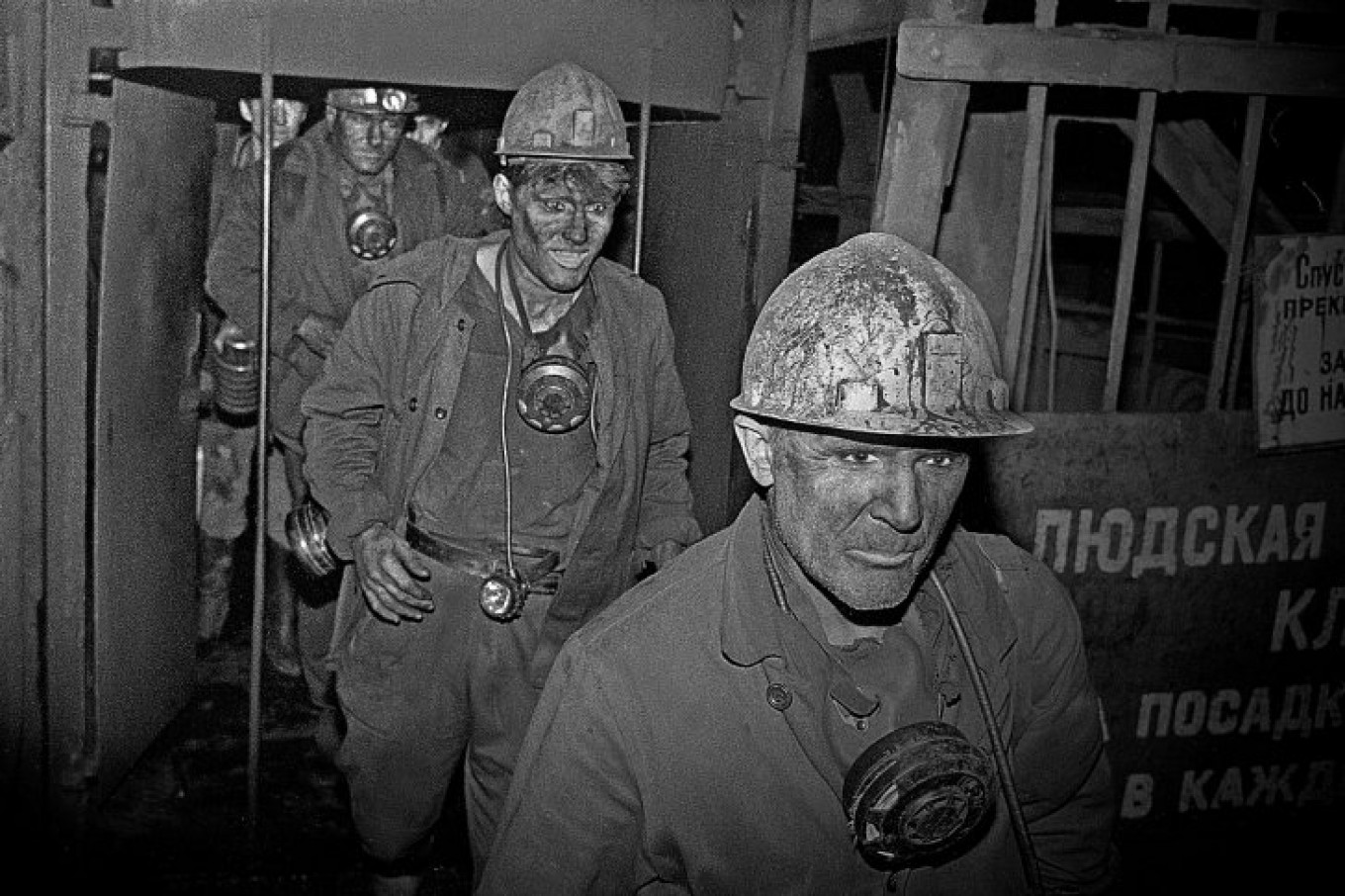
Ukraine's coal mines, some of which date back to the 19th century, are regarded as some of the world's most dangerous. In addition, the country's mines are typically more than 1,000 meters deep — twice the depth of most European coal beds. At such depths, high levels of methane accumulate.
According to the European Association for Coal and Lignite, or EURACOAL, 149 mines were still in operation in the country in 2010, providing jobs for about 271,000 people. Thousands of miners have lost their lives in mining accidents since then.
The Moscow Times' photographer Vladimir Filonov visited the mines of eastern Ukraine's Donetsk region in 1991, where he met with several coal miners.
See also:
Donetsk Miners Rally in Favor of Separatists in Eastern Ukraine
Photo Gallery:
A City at War, Moscow in 1941
According to the European Association for Coal and Lignite, or EURACOAL, 149 mines were still in operation in the country in 2010, providing jobs for about 271,000 people. Thousands of miners have lost their lives in mining accidents since then.
The Moscow Times' photographer Vladimir Filonov visited the mines of eastern Ukraine's Donetsk region in 1991, where he met with several coal miners.
See also:
Donetsk Miners Rally in Favor of Separatists in Eastern Ukraine
Photo Gallery:
A City at War, Moscow in 1941
Vladimir Filonov / MT
Ukraine's coal mines, some of which date back to the 19th century, are regarded as some of the world's most dangerous. In addition, the country's mines are typically more than 1,000 meters deep — twice the depth of most European coal beds. At such depths, high levels of methane accumulate.
According to the European Association for Coal and Lignite, or EURACOAL, 149 mines were still in operation in the country in 2010, providing jobs for about 271,000 people. Thousands of miners have lost their lives in mining accidents since then.
The Moscow Times' photographer Vladimir Filonov visited the mines of eastern Ukraine's Donetsk region in 1991, where he met with several coal miners.
See also:
Donetsk Miners Rally in Favor of Separatists in Eastern Ukraine
Photo Gallery:
A City at War, Moscow in 1941
According to the European Association for Coal and Lignite, or EURACOAL, 149 mines were still in operation in the country in 2010, providing jobs for about 271,000 people. Thousands of miners have lost their lives in mining accidents since then.
The Moscow Times' photographer Vladimir Filonov visited the mines of eastern Ukraine's Donetsk region in 1991, where he met with several coal miners.
See also:
Donetsk Miners Rally in Favor of Separatists in Eastern Ukraine
Photo Gallery:
A City at War, Moscow in 1941
Vladimir Filonov / MT
Ukraine's coal mines, some of which date back to the 19th century, are regarded as some of the world's most dangerous. In addition, the country's mines are typically more than 1,000 meters deep — twice the depth of most European coal beds. At such depths, high levels of methane accumulate.
According to the European Association for Coal and Lignite, or EURACOAL, 149 mines were still in operation in the country in 2010, providing jobs for about 271,000 people. Thousands of miners have lost their lives in mining accidents since then.
The Moscow Times' photographer Vladimir Filonov visited the mines of eastern Ukraine's Donetsk region in 1991, where he met with several coal miners.
See also:
Donetsk Miners Rally in Favor of Separatists in Eastern Ukraine
Photo Gallery:
A City at War, Moscow in 1941
According to the European Association for Coal and Lignite, or EURACOAL, 149 mines were still in operation in the country in 2010, providing jobs for about 271,000 people. Thousands of miners have lost their lives in mining accidents since then.
The Moscow Times' photographer Vladimir Filonov visited the mines of eastern Ukraine's Donetsk region in 1991, where he met with several coal miners.
See also:
Donetsk Miners Rally in Favor of Separatists in Eastern Ukraine
Photo Gallery:
A City at War, Moscow in 1941
Vladimir Filonov / MT
Ukraine's coal mines, some of which date back to the 19th century, are regarded as some of the world's most dangerous. In addition, the country's mines are typically more than 1,000 meters deep — twice the depth of most European coal beds. At such depths, high levels of methane accumulate.
According to the European Association for Coal and Lignite, or EURACOAL, 149 mines were still in operation in the country in 2010, providing jobs for about 271,000 people. Thousands of miners have lost their lives in mining accidents since then.
The Moscow Times' photographer Vladimir Filonov visited the mines of eastern Ukraine's Donetsk region in 1991, where he met with several coal miners.
See also:
Donetsk Miners Rally in Favor of Separatists in Eastern Ukraine
Photo Gallery:
A City at War, Moscow in 1941
According to the European Association for Coal and Lignite, or EURACOAL, 149 mines were still in operation in the country in 2010, providing jobs for about 271,000 people. Thousands of miners have lost their lives in mining accidents since then.
The Moscow Times' photographer Vladimir Filonov visited the mines of eastern Ukraine's Donetsk region in 1991, where he met with several coal miners.
See also:
Donetsk Miners Rally in Favor of Separatists in Eastern Ukraine
Photo Gallery:
A City at War, Moscow in 1941
Vladimir Filonov / MT
Ukraine's coal mines, some of which date back to the 19th century, are regarded as some of the world's most dangerous. In addition, the country's mines are typically more than 1,000 meters deep — twice the depth of most European coal beds. At such depths, high levels of methane accumulate.
According to the European Association for Coal and Lignite, or EURACOAL, 149 mines were still in operation in the country in 2010, providing jobs for about 271,000 people. Thousands of miners have lost their lives in mining accidents since then.
The Moscow Times' photographer Vladimir Filonov visited the mines of eastern Ukraine's Donetsk region in 1991, where he met with several coal miners.
See also:
Donetsk Miners Rally in Favor of Separatists in Eastern Ukraine
Photo Gallery:
A City at War, Moscow in 1941
According to the European Association for Coal and Lignite, or EURACOAL, 149 mines were still in operation in the country in 2010, providing jobs for about 271,000 people. Thousands of miners have lost their lives in mining accidents since then.
The Moscow Times' photographer Vladimir Filonov visited the mines of eastern Ukraine's Donetsk region in 1991, where he met with several coal miners.
See also:
Donetsk Miners Rally in Favor of Separatists in Eastern Ukraine
Photo Gallery:
A City at War, Moscow in 1941
Vladimir Filonov / MT
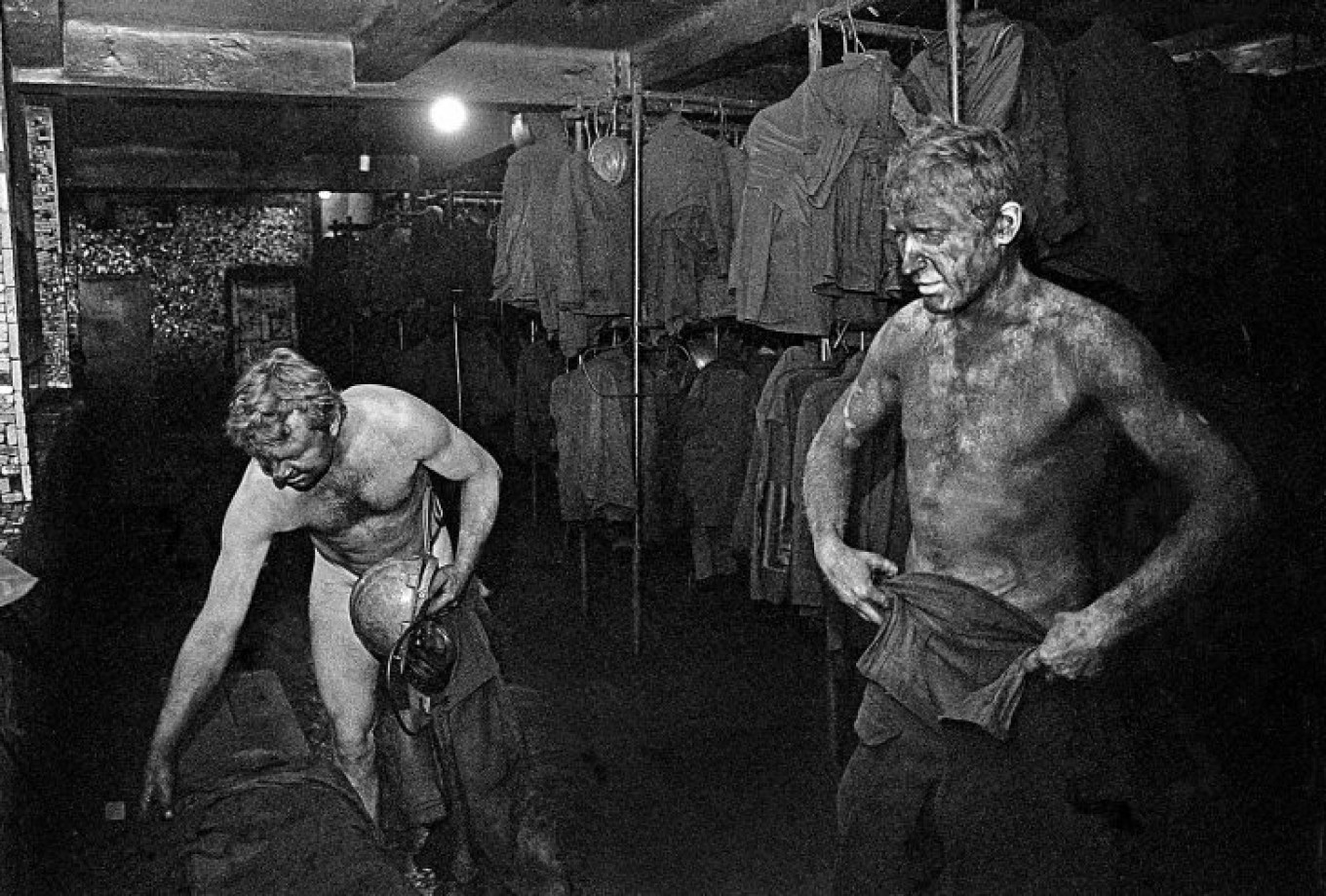
Ukraine's coal mines, some of which date back to the 19th century, are regarded as some of the world's most dangerous. In addition, the country's mines are typically more than 1,000 meters deep — twice the depth of most European coal beds. At such depths, high levels of methane accumulate.
According to the European Association for Coal and Lignite, or EURACOAL, 149 mines were still in operation in the country in 2010, providing jobs for about 271,000 people. Thousands of miners have lost their lives in mining accidents since then.
The Moscow Times' photographer Vladimir Filonov visited the mines of eastern Ukraine's Donetsk region in 1991, where he met with several coal miners.
See also:
Donetsk Miners Rally in Favor of Separatists in Eastern Ukraine
Photo Gallery:
A City at War, Moscow in 1941
According to the European Association for Coal and Lignite, or EURACOAL, 149 mines were still in operation in the country in 2010, providing jobs for about 271,000 people. Thousands of miners have lost their lives in mining accidents since then.
The Moscow Times' photographer Vladimir Filonov visited the mines of eastern Ukraine's Donetsk region in 1991, where he met with several coal miners.
See also:
Donetsk Miners Rally in Favor of Separatists in Eastern Ukraine
Photo Gallery:
A City at War, Moscow in 1941
Vladimir Filonov / MT
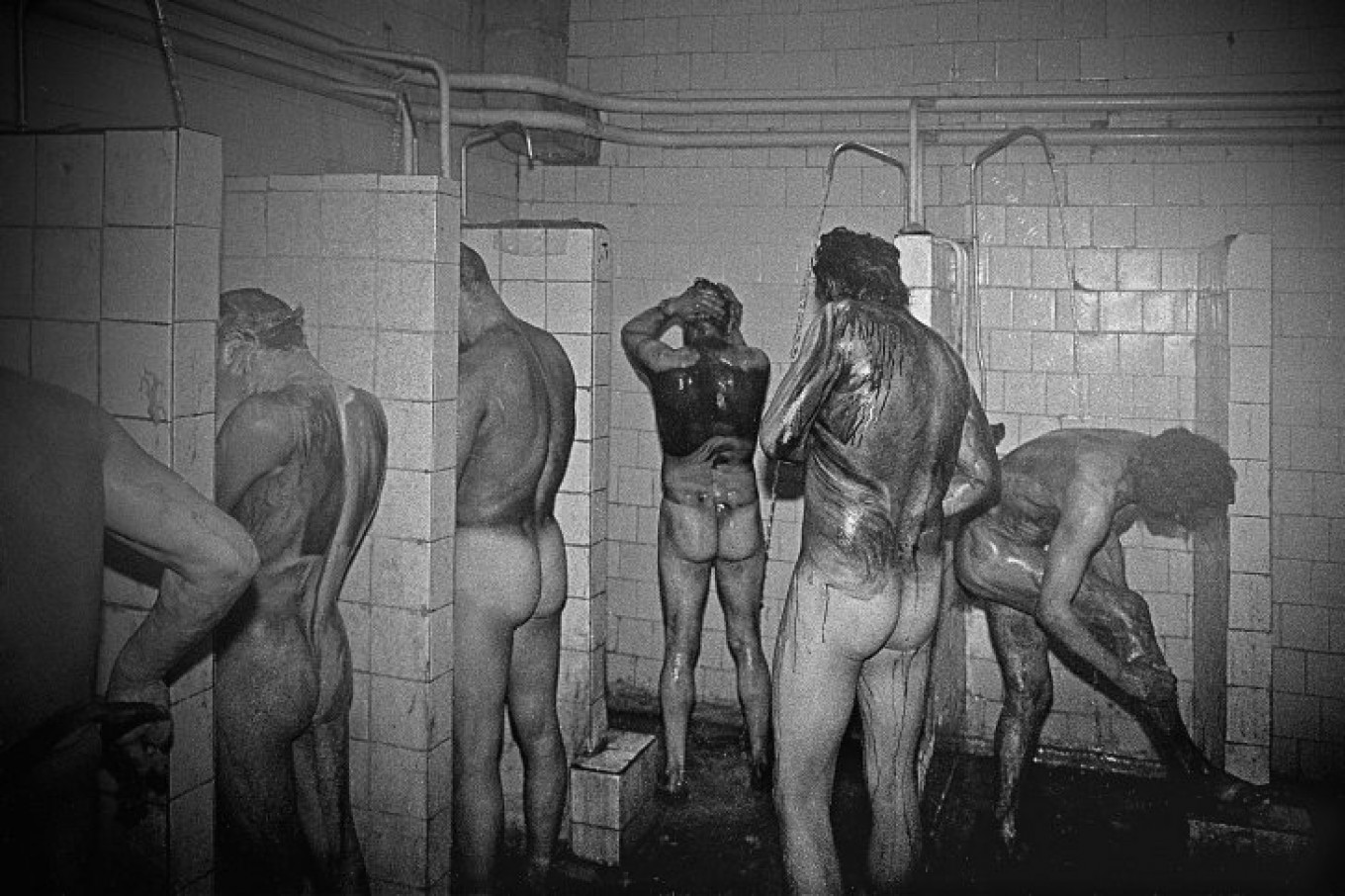
Ukraine's coal mines, some of which date back to the 19th century, are regarded as some of the world's most dangerous. In addition, the country's mines are typically more than 1,000 meters deep — twice the depth of most European coal beds. At such depths, high levels of methane accumulate.
According to the European Association for Coal and Lignite, or EURACOAL, 149 mines were still in operation in the country in 2010, providing jobs for about 271,000 people. Thousands of miners have lost their lives in mining accidents since then.
The Moscow Times' photographer Vladimir Filonov visited the mines of eastern Ukraine's Donetsk region in 1991, where he met with several coal miners.
See also:
Donetsk Miners Rally in Favor of Separatists in Eastern Ukraine
Photo Gallery:
A City at War, Moscow in 1941
According to the European Association for Coal and Lignite, or EURACOAL, 149 mines were still in operation in the country in 2010, providing jobs for about 271,000 people. Thousands of miners have lost their lives in mining accidents since then.
The Moscow Times' photographer Vladimir Filonov visited the mines of eastern Ukraine's Donetsk region in 1991, where he met with several coal miners.
See also:
Donetsk Miners Rally in Favor of Separatists in Eastern Ukraine
Photo Gallery:
A City at War, Moscow in 1941
Vladimir Filonov / MT
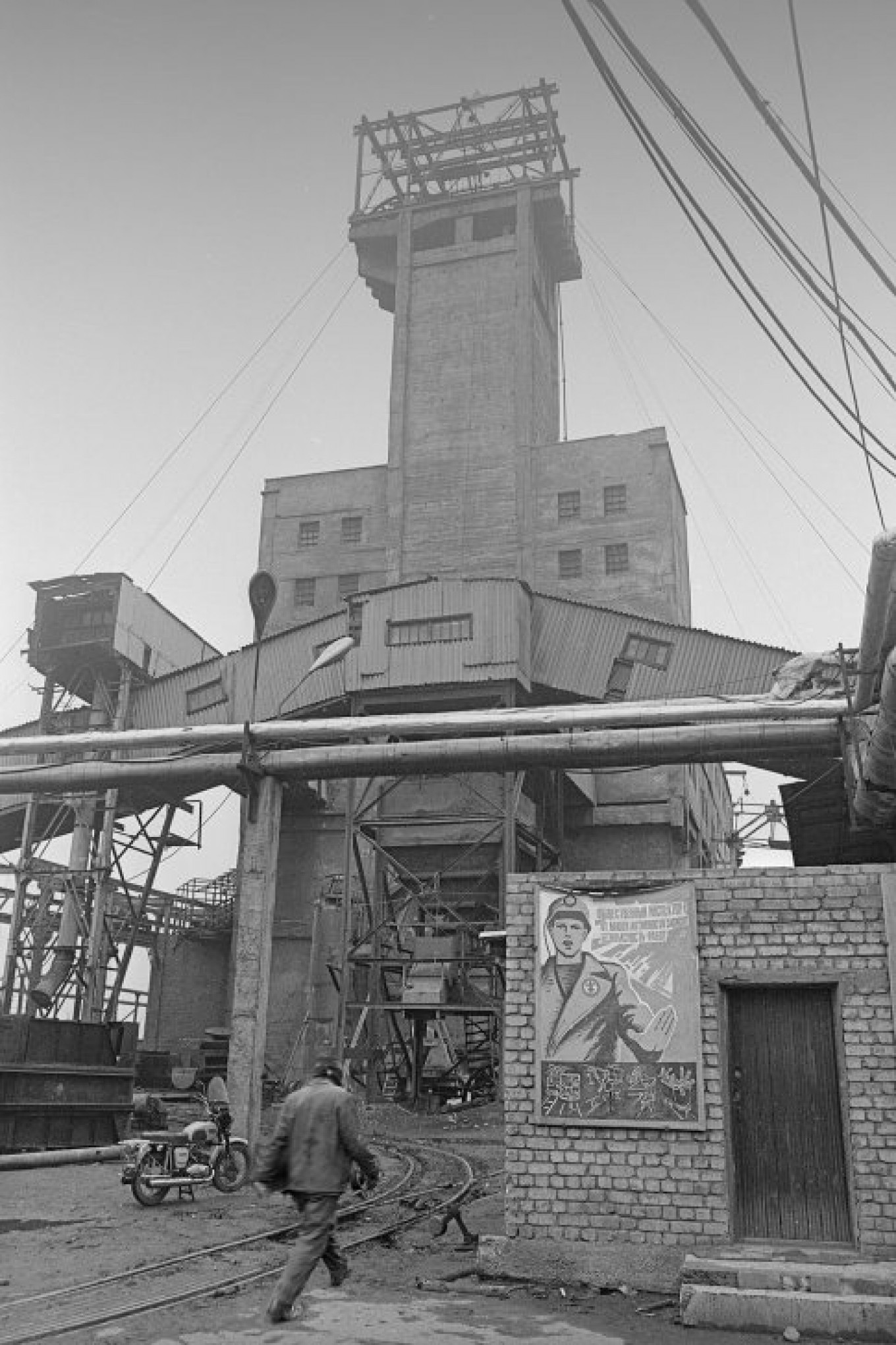
Ukraine's coal mines, some of which date back to the 19th century, are regarded as some of the world's most dangerous. In addition, the country's mines are typically more than 1,000 meters deep — twice the depth of most European coal beds. At such depths, high levels of methane accumulate.
According to the European Association for Coal and Lignite, or EURACOAL, 149 mines were still in operation in the country in 2010, providing jobs for about 271,000 people. Thousands of miners have lost their lives in mining accidents since then.
The Moscow Times' photographer Vladimir Filonov visited the mines of eastern Ukraine's Donetsk region in 1991, where he met with several coal miners.
See also:
Donetsk Miners Rally in Favor of Separatists in Eastern Ukraine
Photo Gallery:
A City at War, Moscow in 1941
According to the European Association for Coal and Lignite, or EURACOAL, 149 mines were still in operation in the country in 2010, providing jobs for about 271,000 people. Thousands of miners have lost their lives in mining accidents since then.
The Moscow Times' photographer Vladimir Filonov visited the mines of eastern Ukraine's Donetsk region in 1991, where he met with several coal miners.
See also:
Donetsk Miners Rally in Favor of Separatists in Eastern Ukraine
Photo Gallery:
A City at War, Moscow in 1941
Vladimir Filonov / MT