
Disputed Territories Under Russian Influence

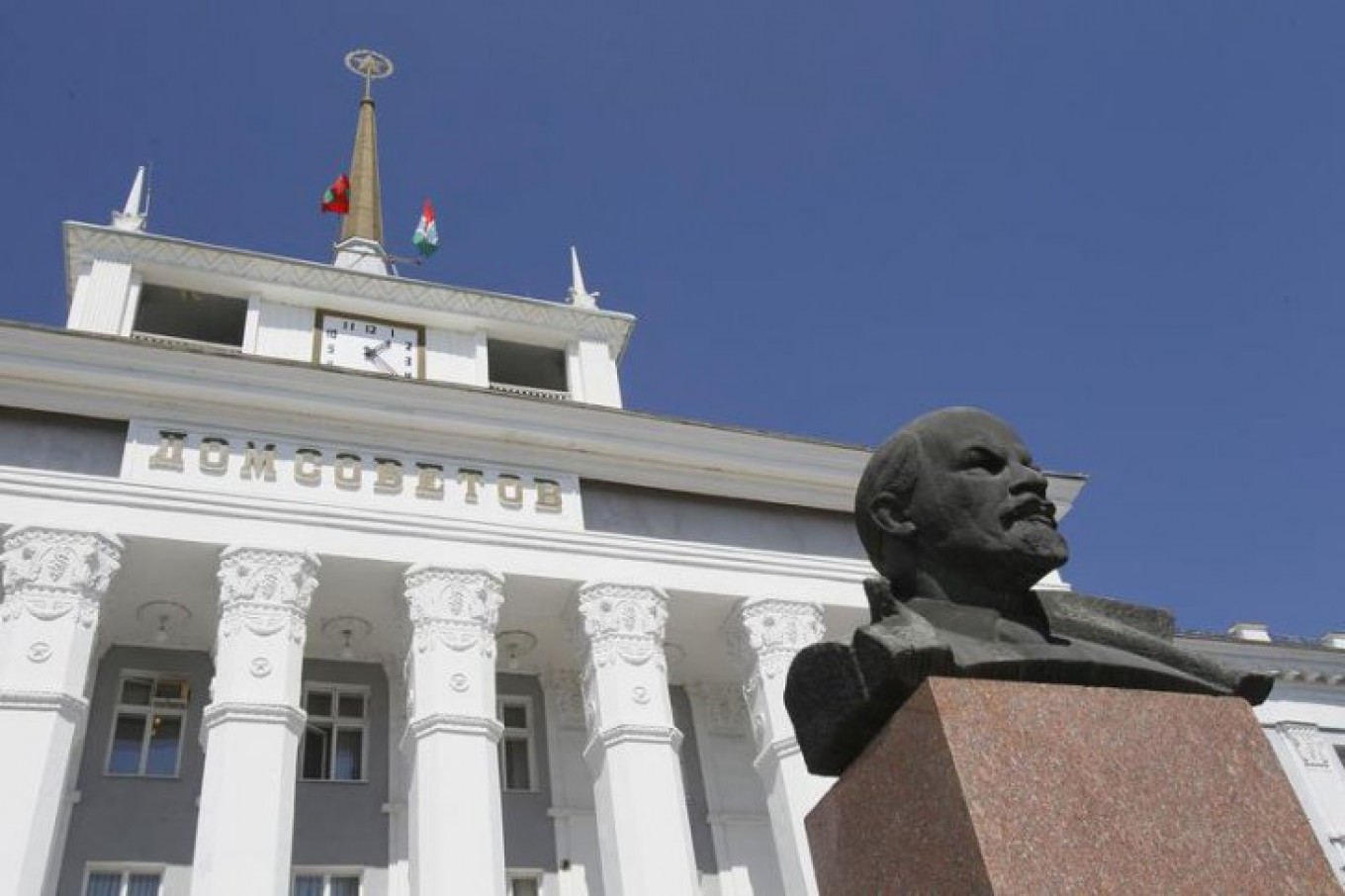
A statue of communist leader Vladimir Lenin is seen next to a Soviet-era administrative building which now houses the city government in Tiraspol, in Moldova's self-proclaimed separatist region of Transdnestr.
An unrecognized self-declared republic of half a million people, located in an obscure niche of former Cold War Europe, Transdnestr is a bizarre mix of old Soviet ritual and post-Soviet abandon.
The territory — a ragged strip 50 kilometers at its widest part and about 220 kilometers from end to end running down Moldova's eastern border with Ukraine — has been cut off from mainstream Europe for most of the past 20 years.
An unrecognized self-declared republic of half a million people, located in an obscure niche of former Cold War Europe, Transdnestr is a bizarre mix of old Soviet ritual and post-Soviet abandon.
The territory — a ragged strip 50 kilometers at its widest part and about 220 kilometers from end to end running down Moldova's eastern border with Ukraine — has been cut off from mainstream Europe for most of the past 20 years.
Gleb Garanich / Reuters
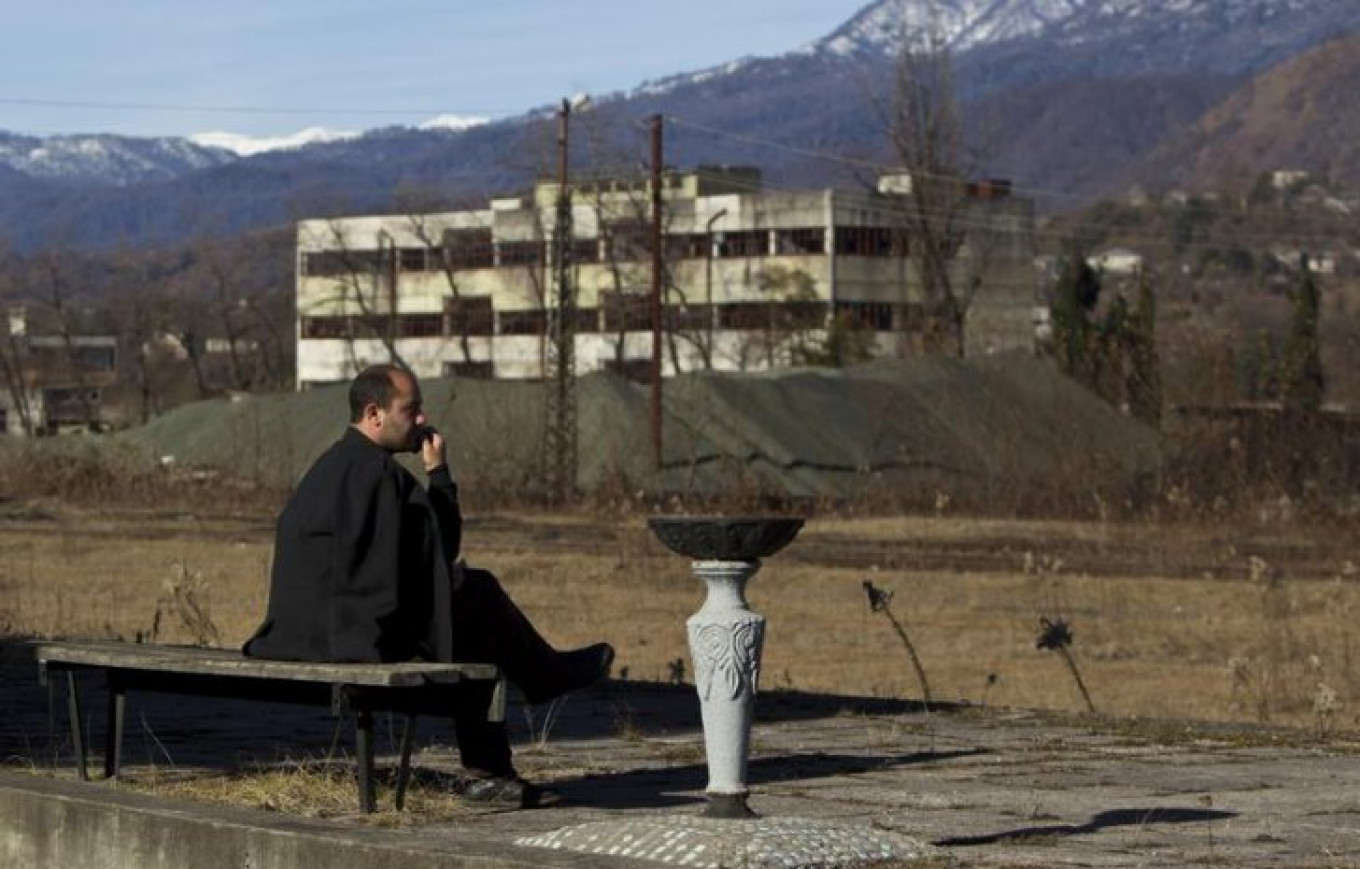
A local citizen rests on a bench at an abandoned railway station in the town of Tkvarcheli, some 50 kilometers southeast of Sukhumi, the capital of Georgia's breakaway region of Abkhazia.
The territory of Abkhazia is located several miles southwest of the border with Russia. Abkhaz separatists fought Georgian government forces in 1992-1993, after which the breakaway region declared its independence.
Much like South Ossetia, Abkhazia has only been recognized by a handful of states, which include Russia and Nicaragua. All other countries continue to regard it as a Georgian province.
The territory of Abkhazia is located several miles southwest of the border with Russia. Abkhaz separatists fought Georgian government forces in 1992-1993, after which the breakaway region declared its independence.
Much like South Ossetia, Abkhazia has only been recognized by a handful of states, which include Russia and Nicaragua. All other countries continue to regard it as a Georgian province.
Maxim Shemetov / Reuters
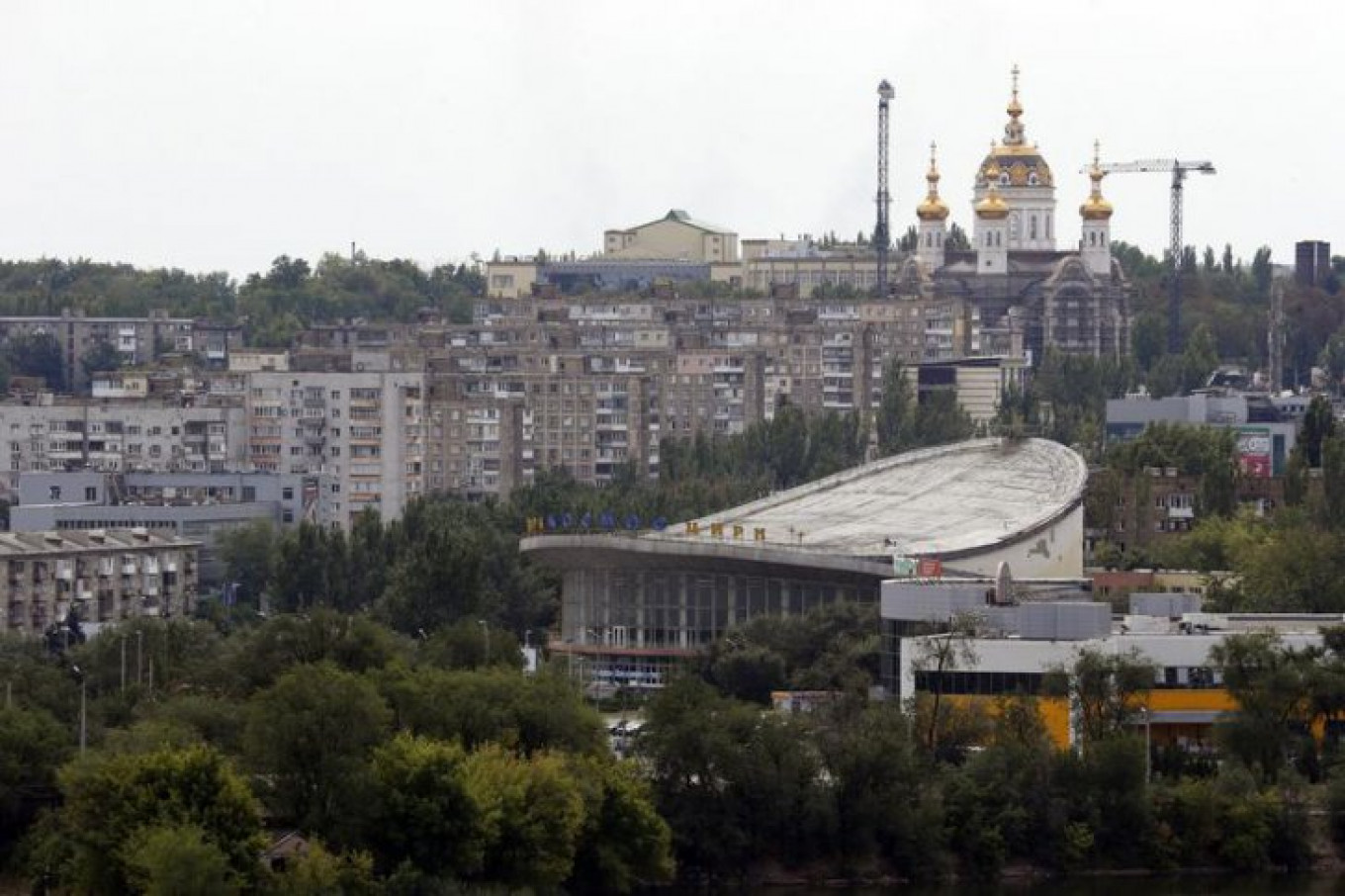
A general view shows the city of Donetsk. It is one of the cities most affected by the conflict between Ukrainian troops and pro-Russian rebels that broke out in in eastern Ukraine in 2014.
Official estimates had Donetsk's pre-war population at nearly one million people. Even the situation is currently more quiet, months and months of fighting and a high number of both military and civil casualties mean it is currently impossible to tell how many people still live here.
Official estimates had Donetsk's pre-war population at nearly one million people. Even the situation is currently more quiet, months and months of fighting and a high number of both military and civil casualties mean it is currently impossible to tell how many people still live here.
Sergei Karpukhin / Reuters
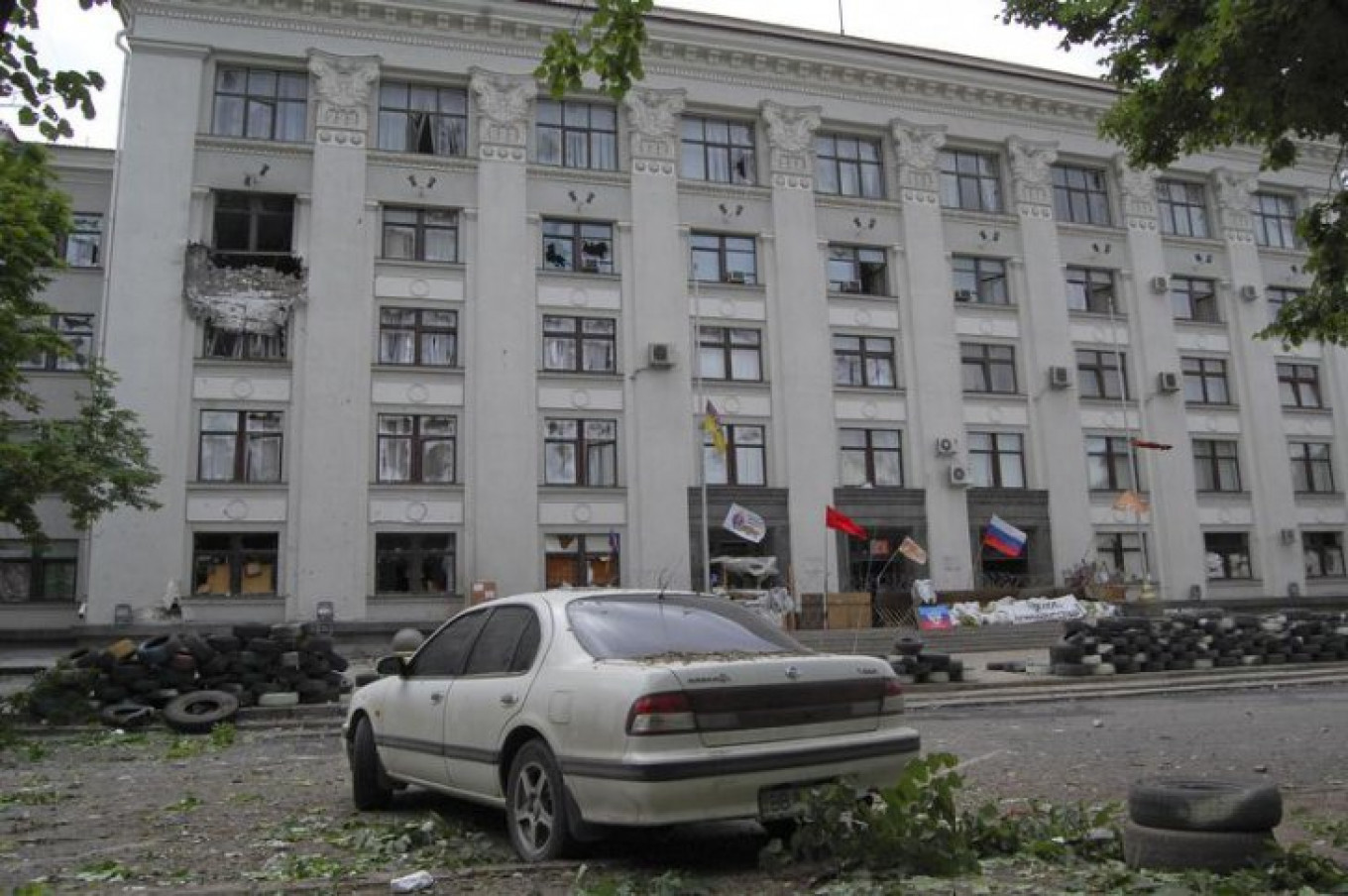
A general view of the regional administration building in Lugansk, eastern Ukraine, taken on June 2, 2014.
The building was later damaged in an airstrike as Lugansk, much like neighboring Donetsk, was the focus of fighting between Kremlin-backed pro-Russian rebels and the Ukrainian army.
The building was later damaged in an airstrike as Lugansk, much like neighboring Donetsk, was the focus of fighting between Kremlin-backed pro-Russian rebels and the Ukrainian army.
Stringer / Reuters
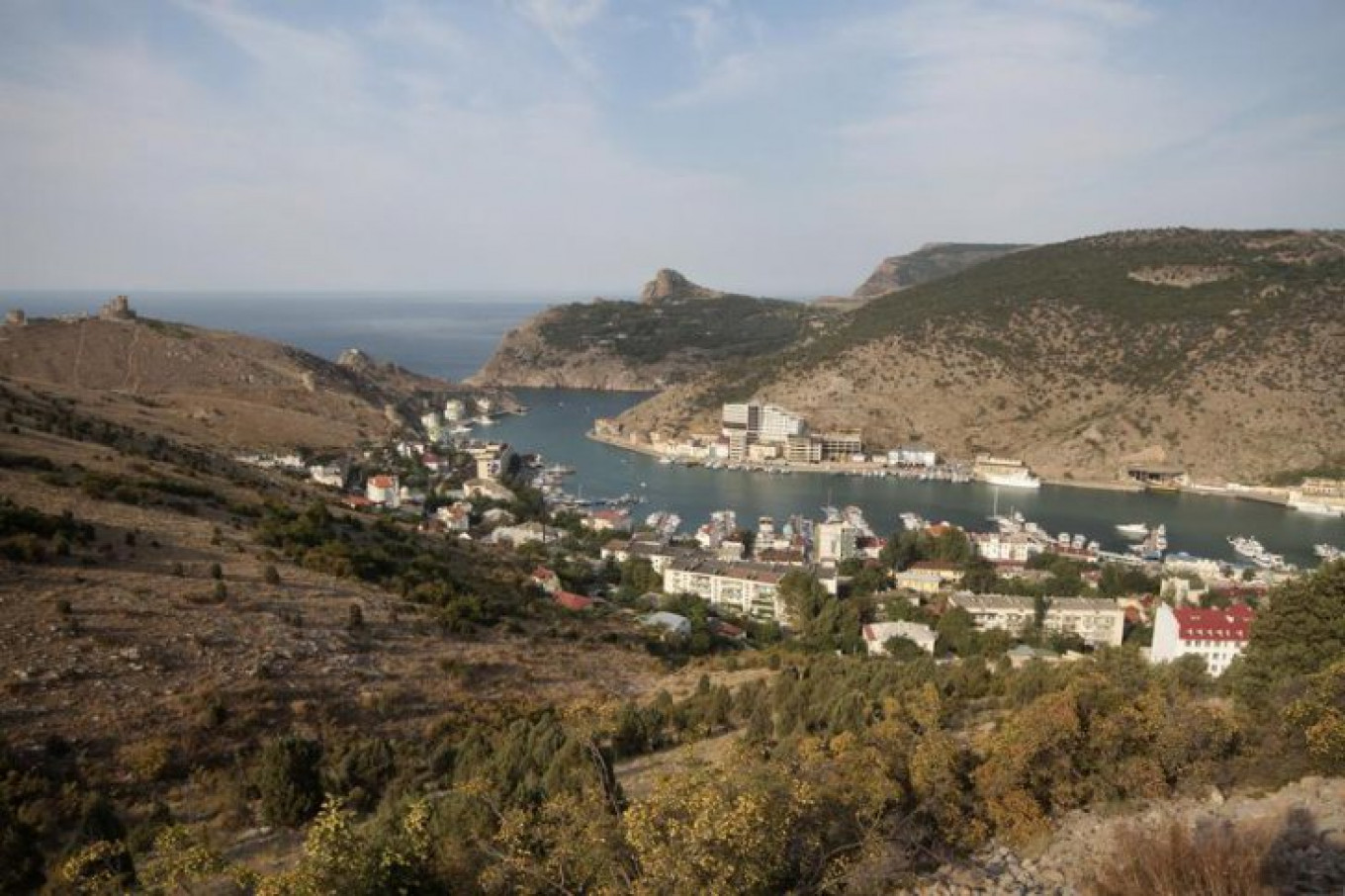
A general view shows the settlement of Balaklava, a district of Sevastopol in Crimea.
Crimea, famed for its lush climate, summer resorts and rich literary associations, is largely populated by ethnic Russians. Moscow presented the region as a gift to Ukraine from Russia in the 1950s, when both were firmly united within the Soviet Union.
In March 2014, Russian President Vladimir Putin signed a treaty that claimed Crimea as a part of the Russian Federation. To this day, the Russian annexation of Crimea remains largely unrecognized by the international community.
Crimea, famed for its lush climate, summer resorts and rich literary associations, is largely populated by ethnic Russians. Moscow presented the region as a gift to Ukraine from Russia in the 1950s, when both were firmly united within the Soviet Union.
In March 2014, Russian President Vladimir Putin signed a treaty that claimed Crimea as a part of the Russian Federation. To this day, the Russian annexation of Crimea remains largely unrecognized by the international community.
Pavel Rebrov / Reuters
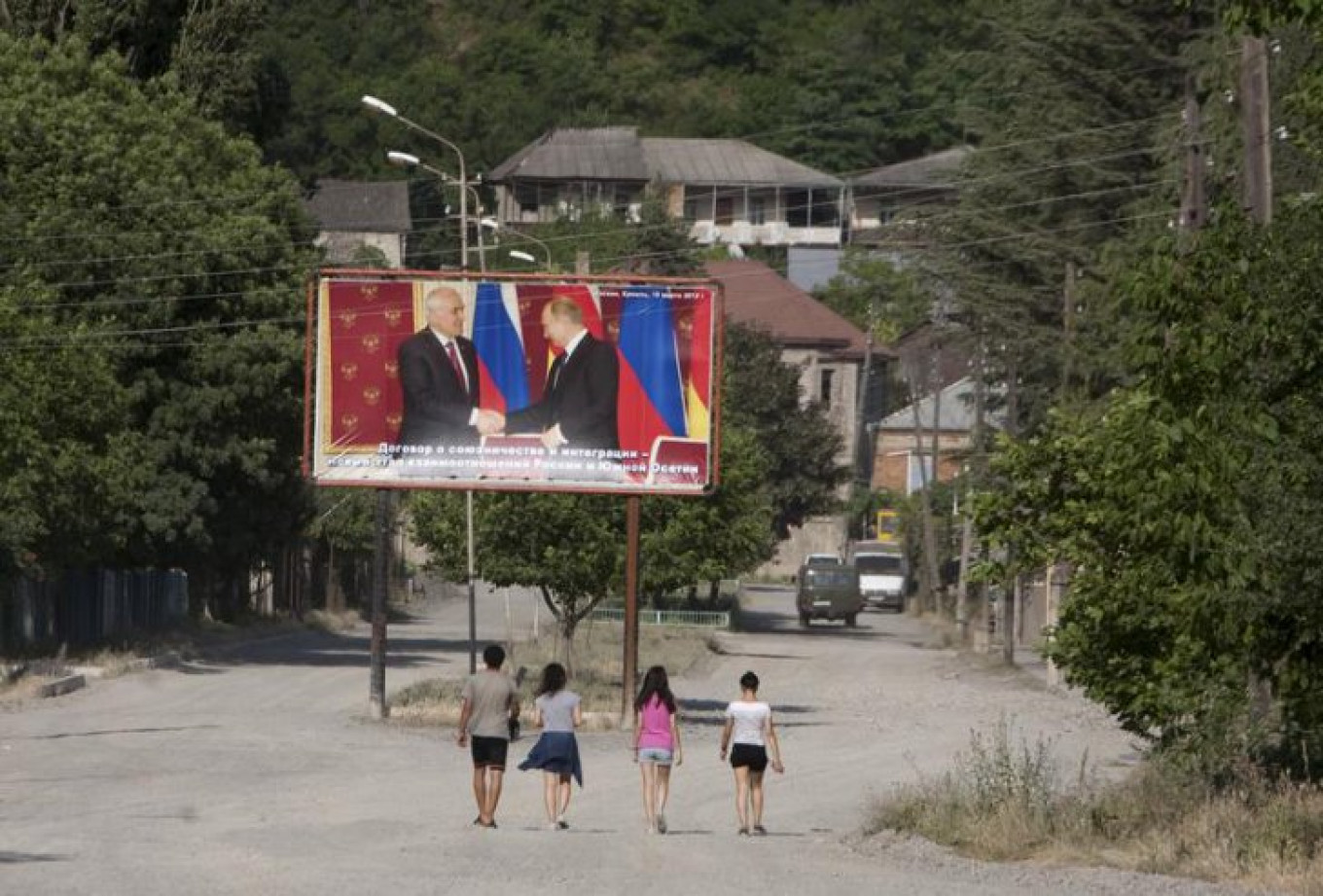
People in Akhalgori walk near a billboard showing the president of the Georgian breakaway region of South Ossetia, Leonid Tibilov, during a meeting with Russian President Vladimir Putin.
Russia has formally recognized South Ossetia as an independent state — one of only four countries in the world to do so.
A treaty signed on March 18, 2015 almost completely integrated South Ossetia with Russia, alarming Georgia and the West a year after Moscow took over Crimea.
Russia has formally recognized South Ossetia as an independent state — one of only four countries in the world to do so.
A treaty signed on March 18, 2015 almost completely integrated South Ossetia with Russia, alarming Georgia and the West a year after Moscow took over Crimea.
Kazbek Basaev / Reuters