
Abkhazia: The Stillness of Time in a Frozen Conflict Zone

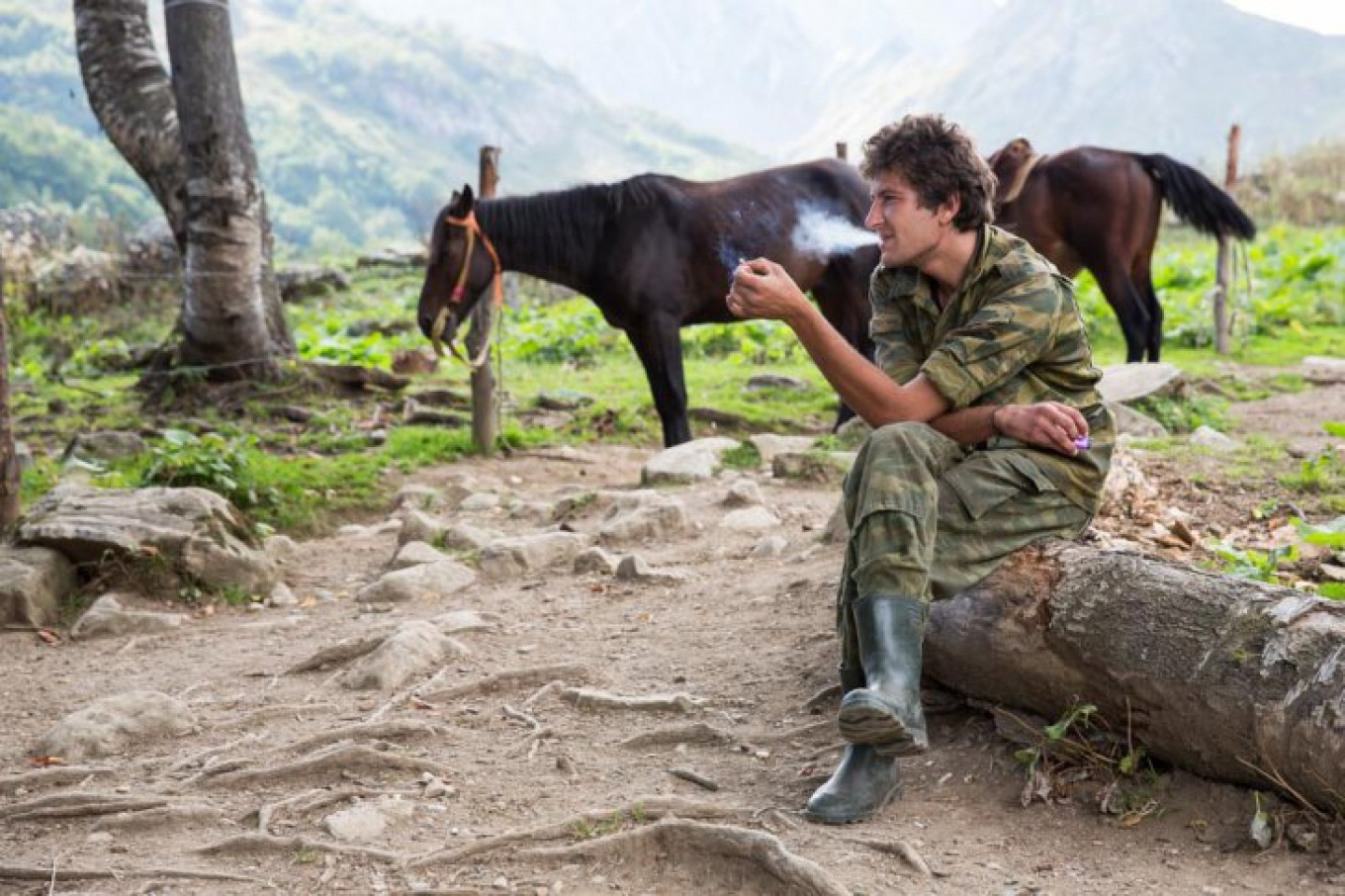
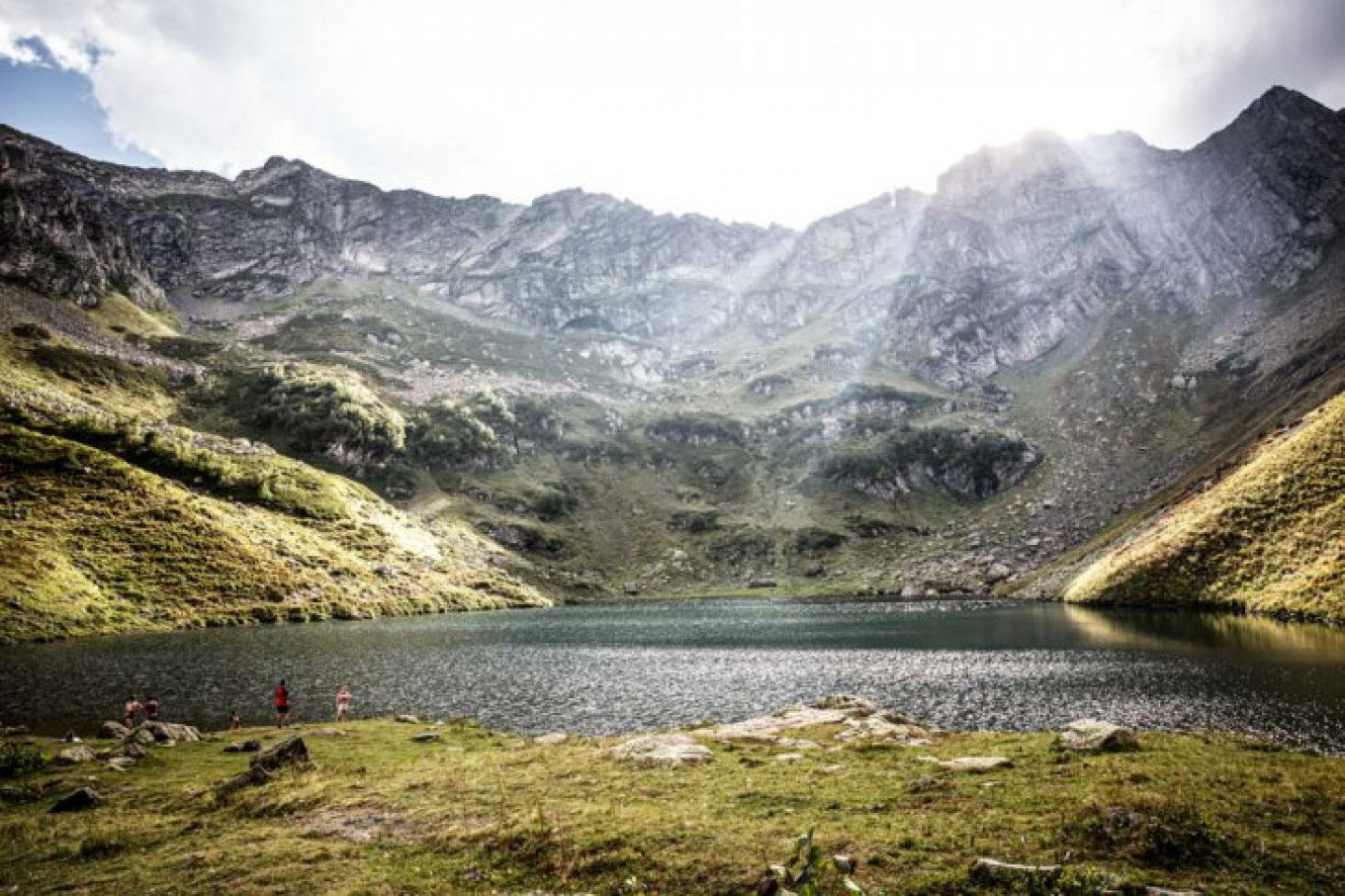
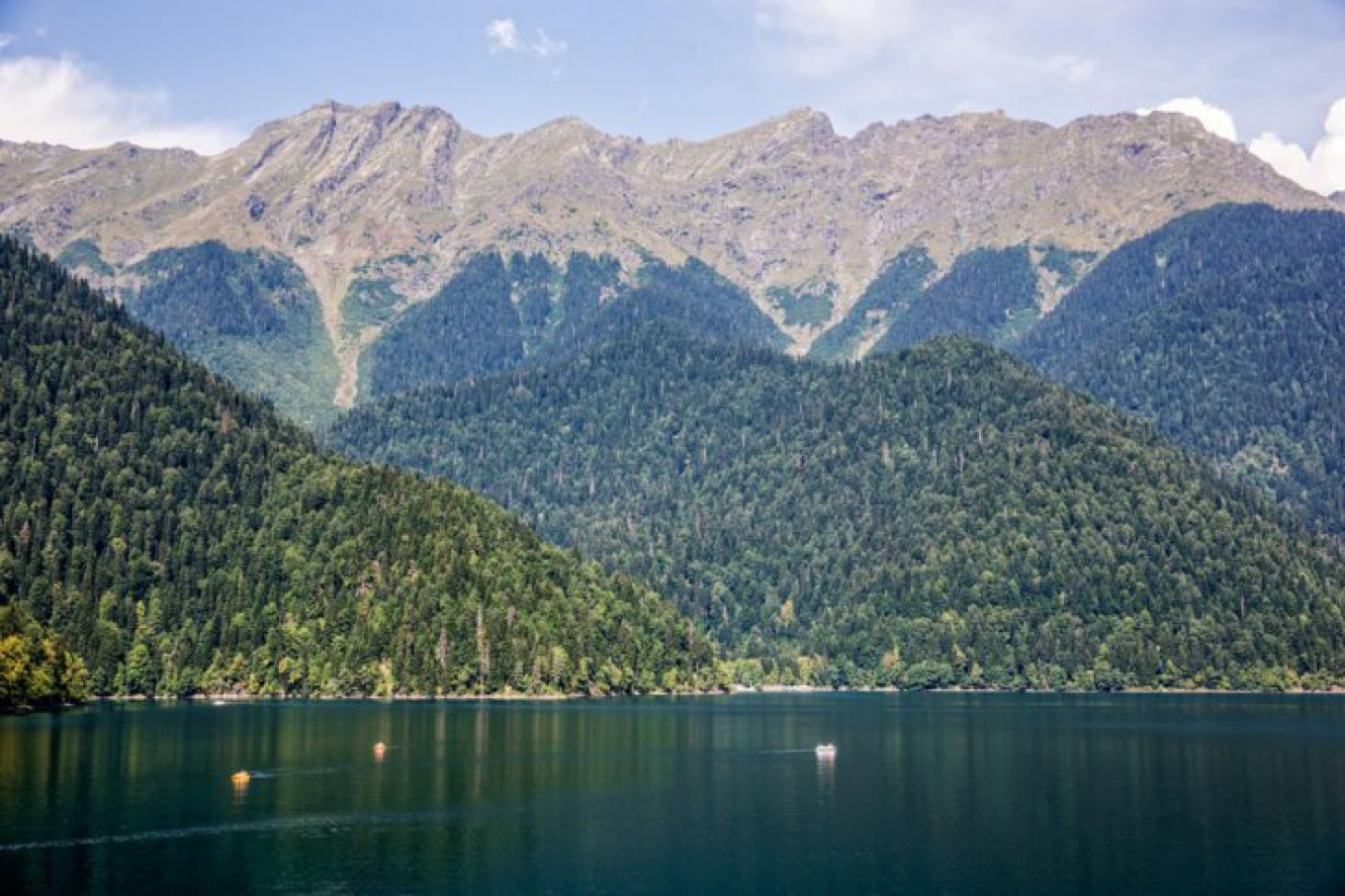
Abkhazia is a lost paradise, both metaphorically and literally. Occupying an area of less than 9000 square kilometers and contained by the Caucasus mountains and the Black Sea, Abkhazia is one of those rare countries whose beauty has been overshadowed by its unfortunate history.
Photographs by Todd Prince
Text by Andreea Rujan
Photographs by Todd Prince
Text by Andreea Rujan
Todd Prince / For MT
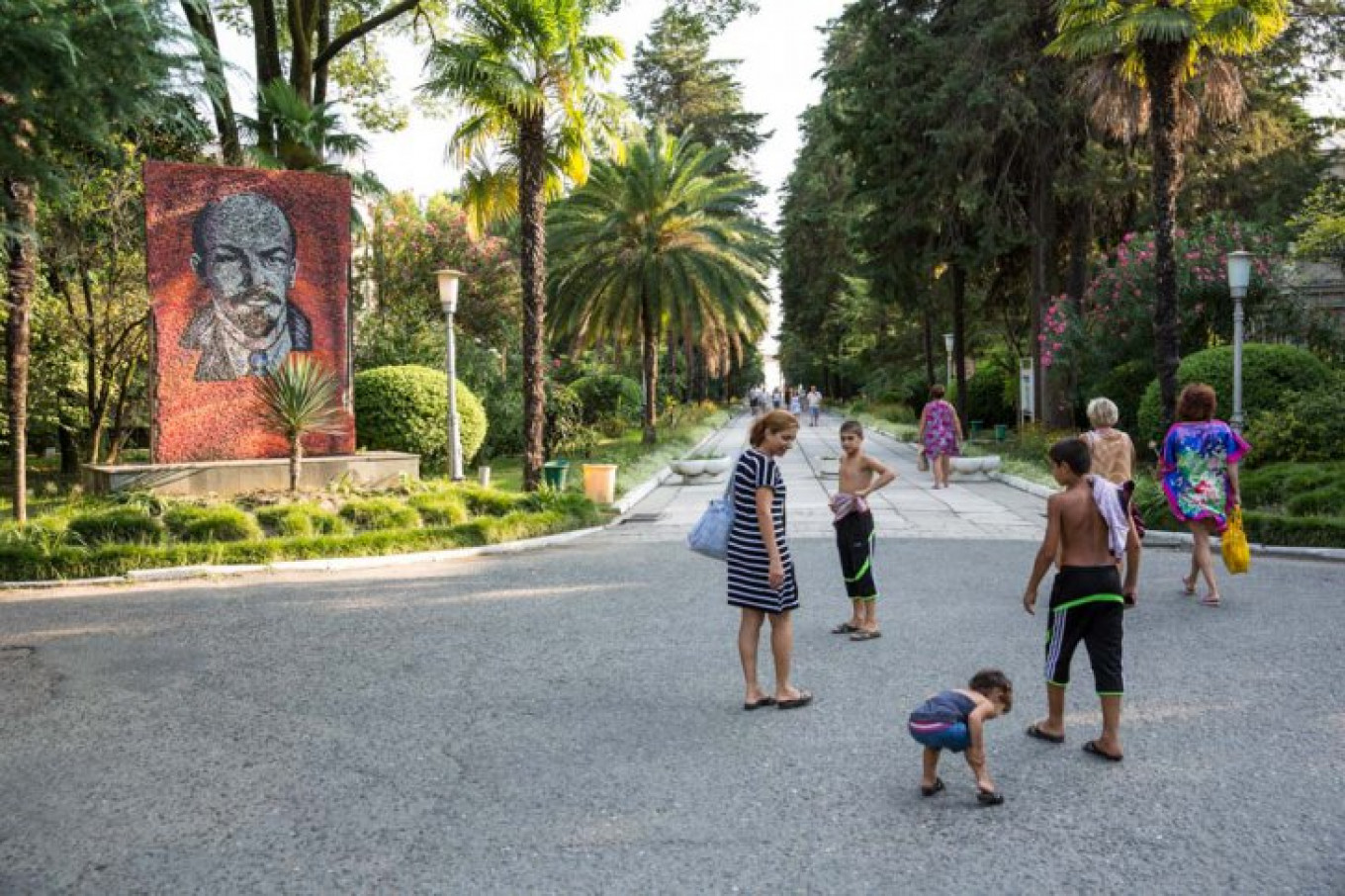
Abkhazia is considered to be trapped in a "frozen conflict." The collapse of the Soviet Union and its breakup into 15 subsequent states has left Abkhazia, among other regions, into a state of limbo.
Politically only recognized by 7 other states (three of which, the self-proclaimed Transdnestr republic, South Ossetia and Nagorno-Karabakh, are also partially or entirely unrecognized), it was the site of long and violent clashes between Georgians and the Abkhaz separatists.
Politically only recognized by 7 other states (three of which, the self-proclaimed Transdnestr republic, South Ossetia and Nagorno-Karabakh, are also partially or entirely unrecognized), it was the site of long and violent clashes between Georgians and the Abkhaz separatists.
Todd Prince / For MT
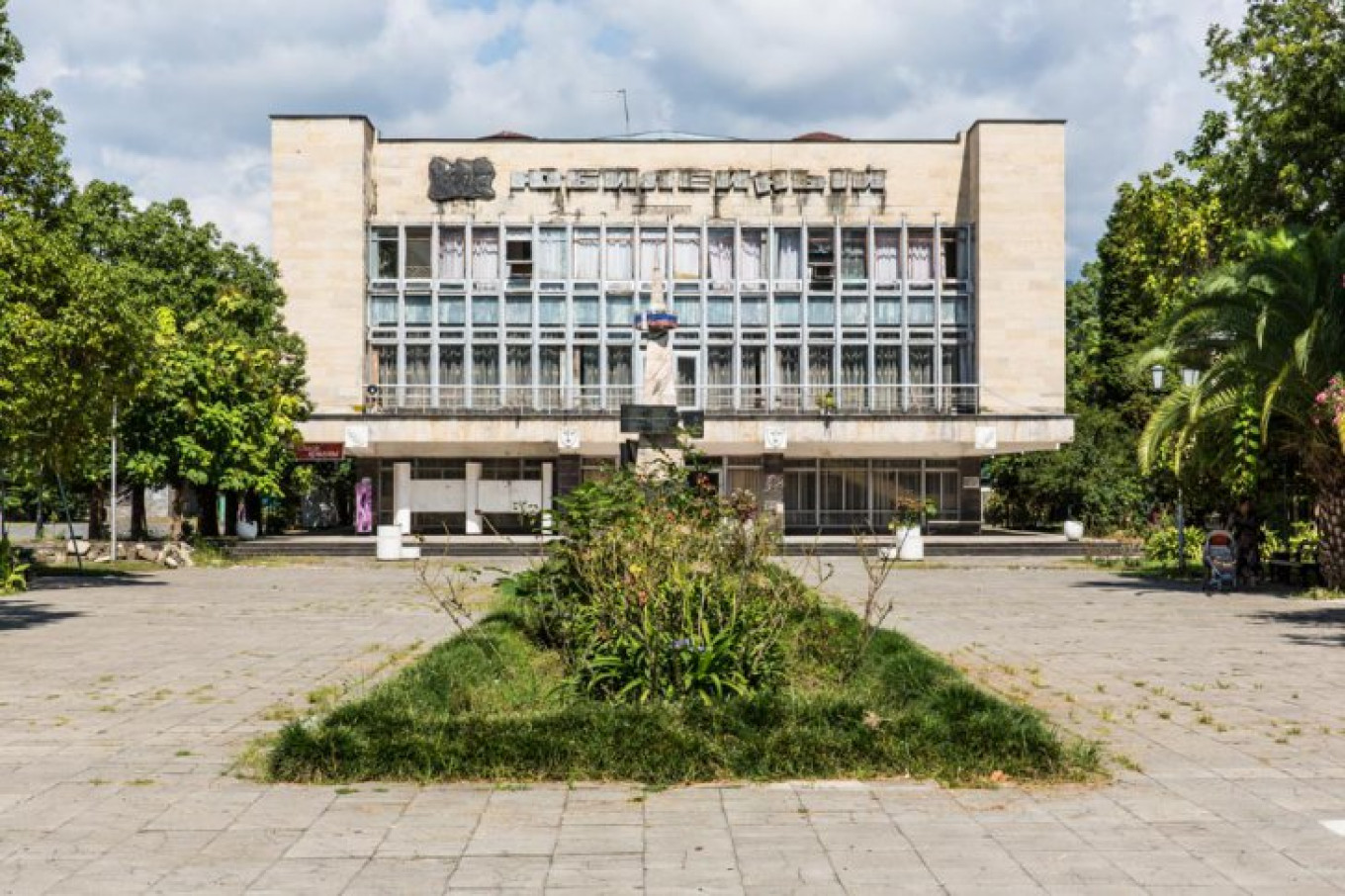
As everything was pointing to the end of the Soviet Union, Abkhaz fears that they would lose their autonomy in the face of Georgia escalated. This resulted in growing ethnic hostilities with the Georgians. A violent conflict ensued, with numerous clashes, war crimes and great loss of human life.
Todd Prince / For MT
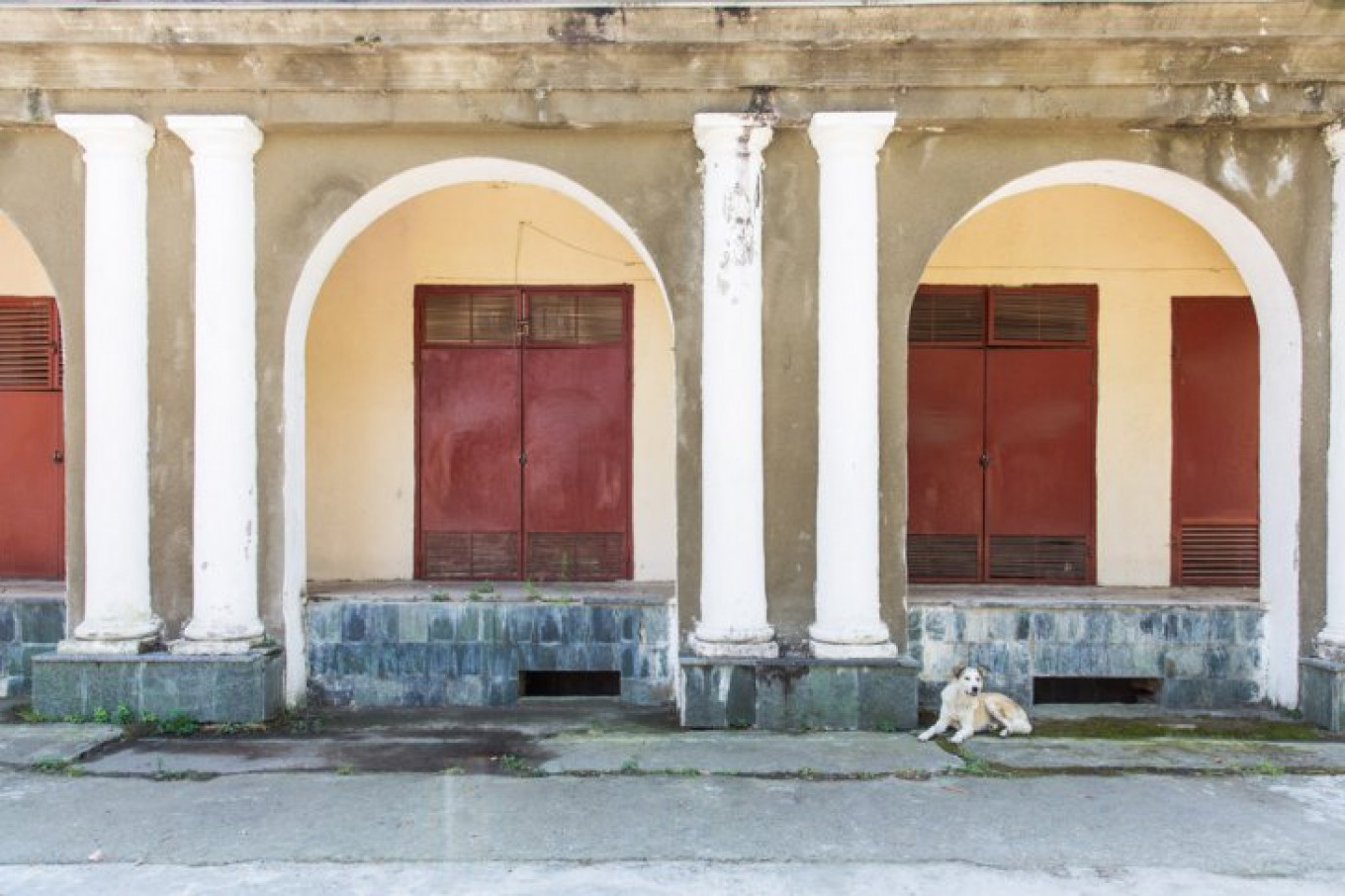
The status of Abkhazia is still undecided and remains a disputed territory. Georgia and virtually the rest of the world consider Abkhazia a territory under Russian occupation. Russia denies involvement in the area.
Todd Prince / For MT
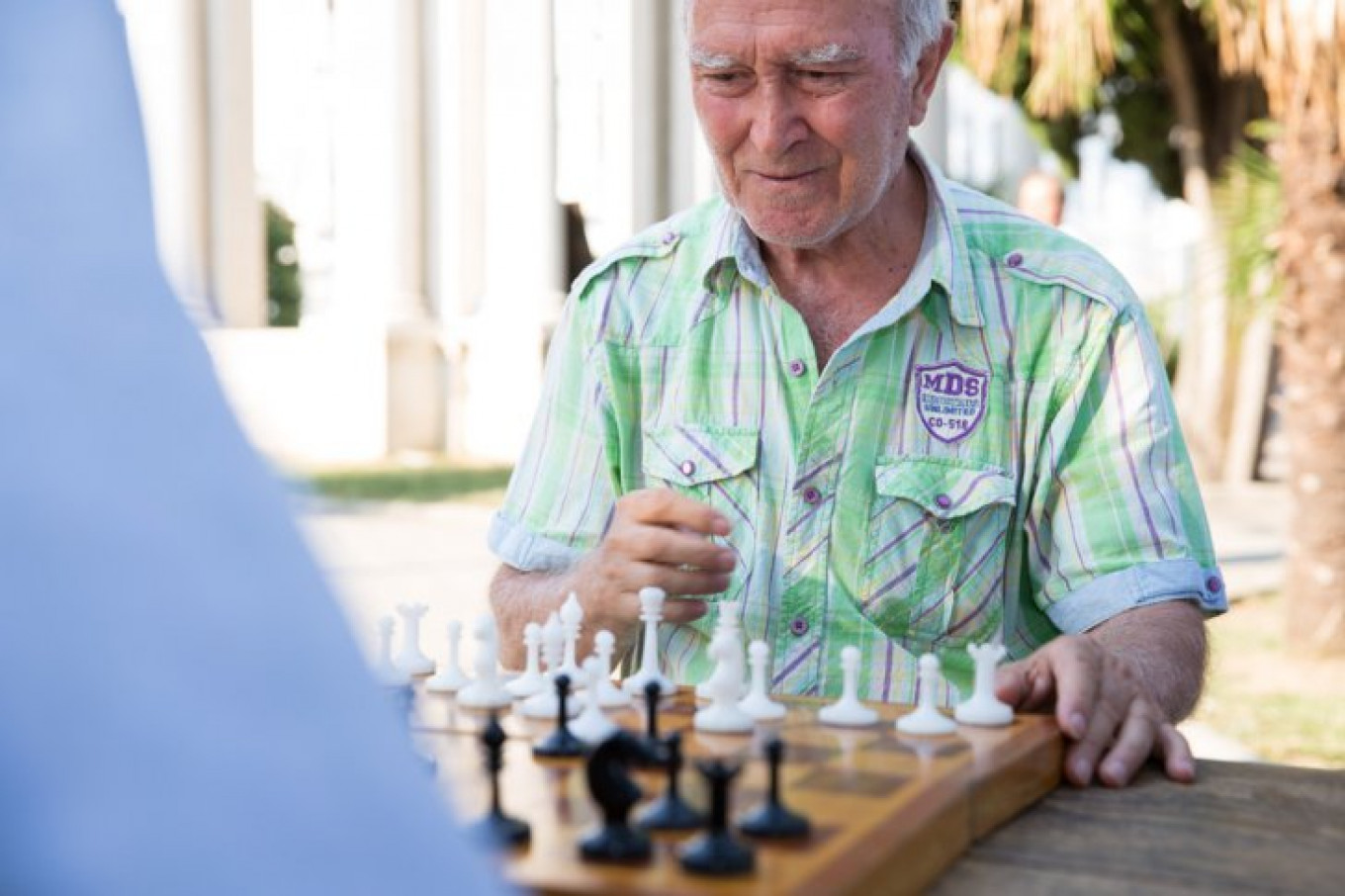
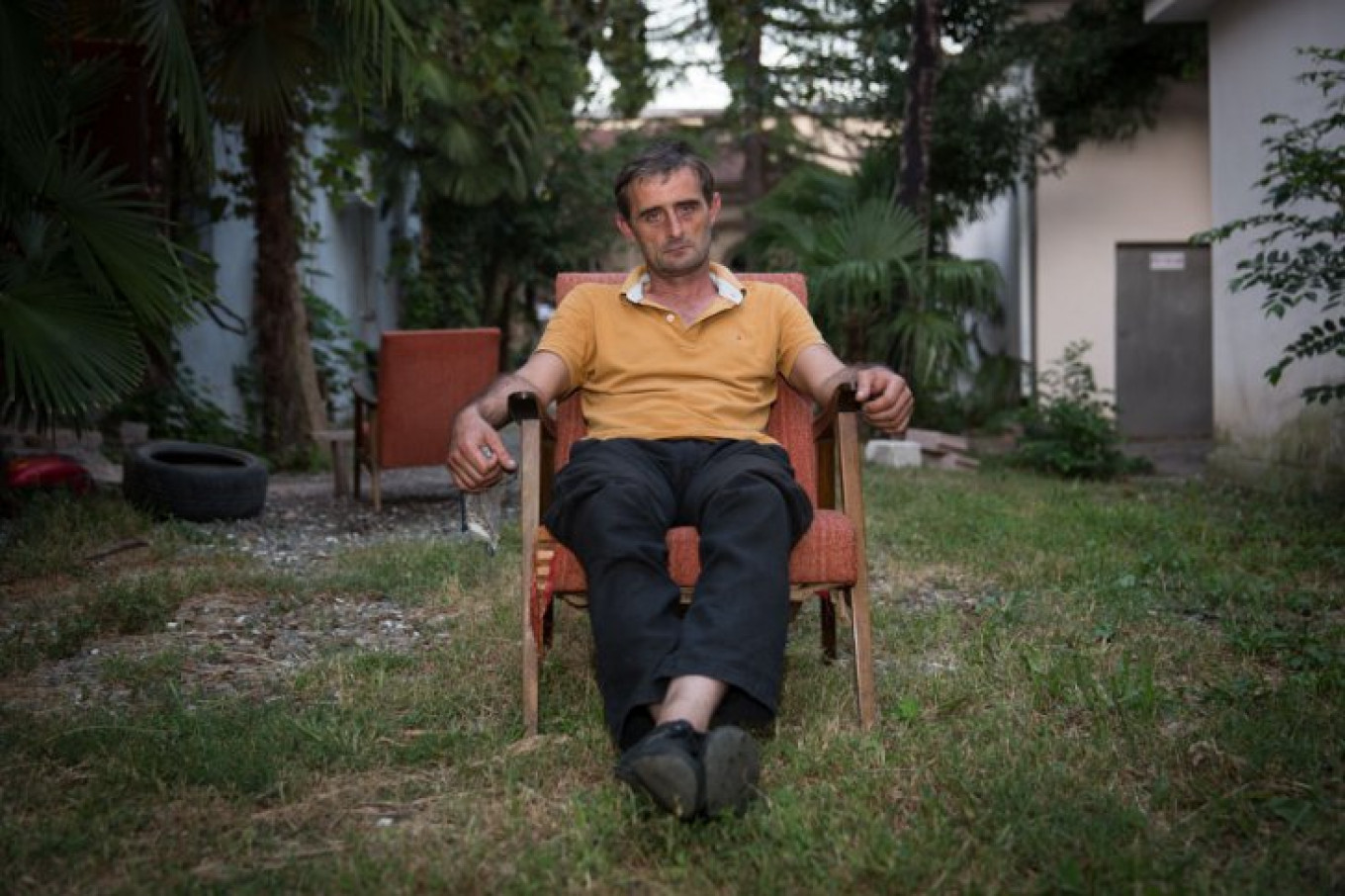
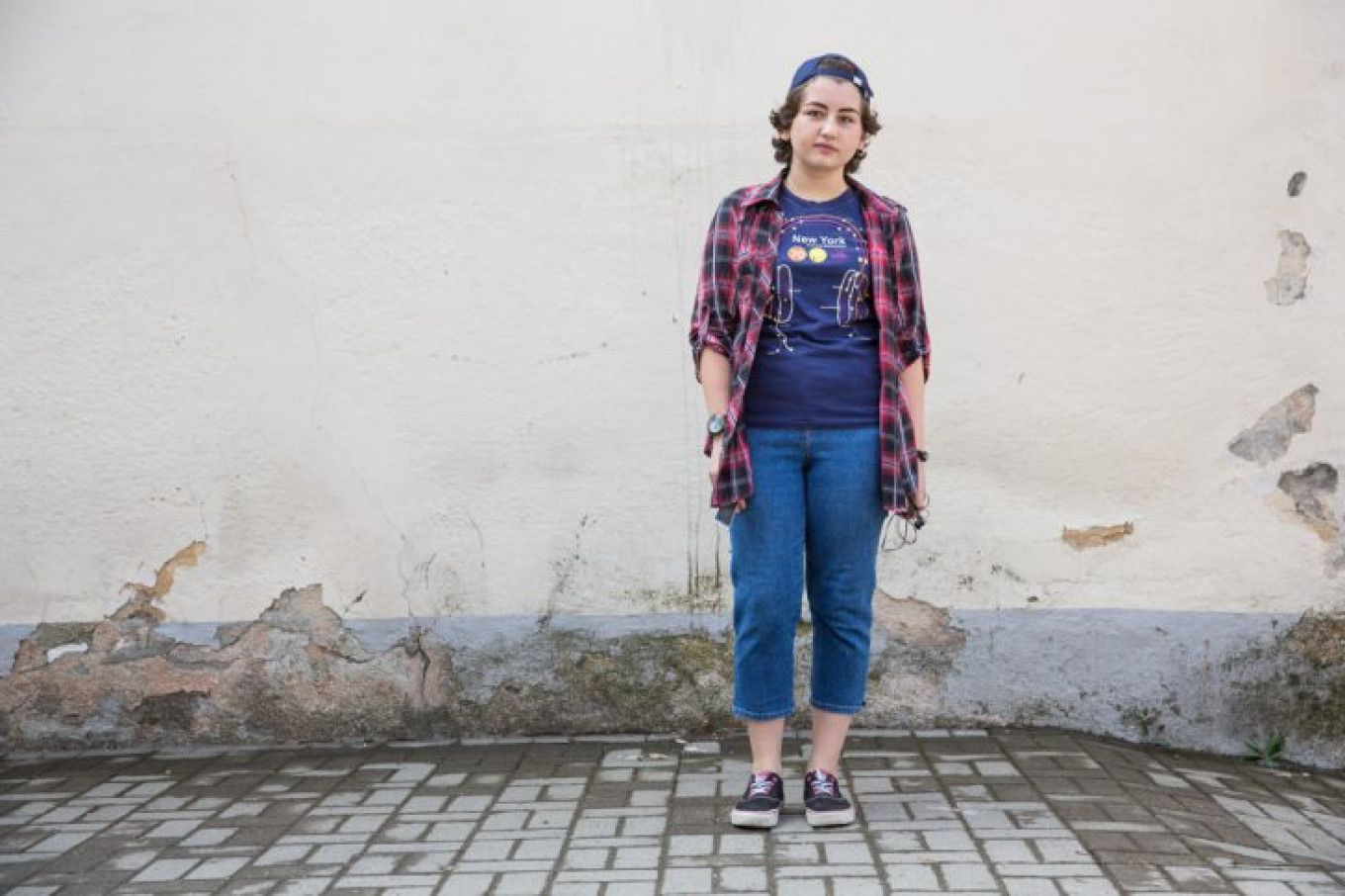
Also known as the "Mountain of tongues," the Caucasus range is one of the most ethnically diverse areas in the world, hosting over 50 different ethnic groups. Abkhazia is no exception, as its population is made up of Abkhaz, Georgians, Russians, Armenians, Ukrainians, Belarusians, Greeks, Ossetians and others.
The 1992-1993 war represented a big blow to the ethnic diversity of Abkhazia, with almost half of the population forced to flee.
The 1992-1993 war represented a big blow to the ethnic diversity of Abkhazia, with almost half of the population forced to flee.
Todd Prince / For MT
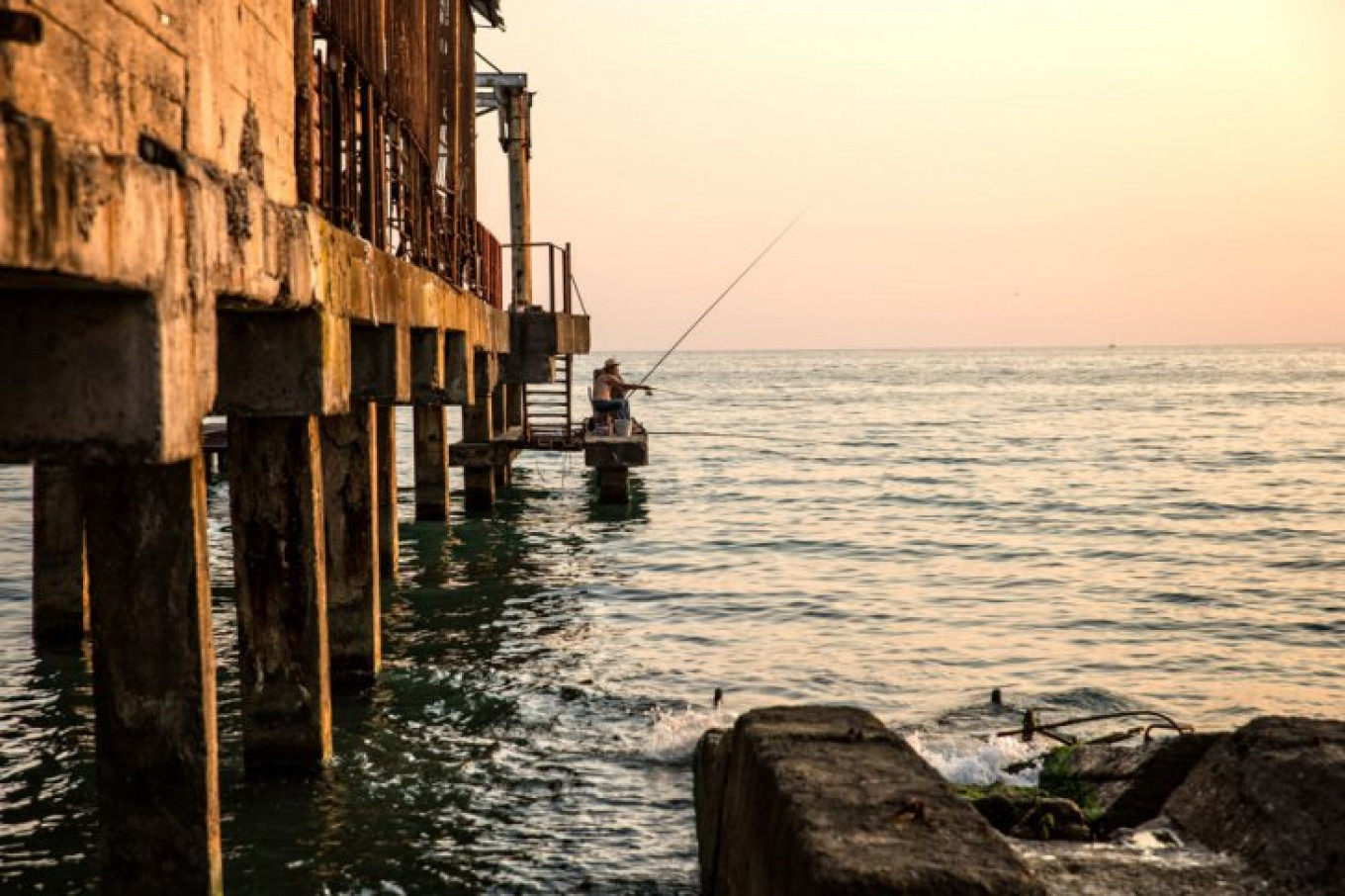
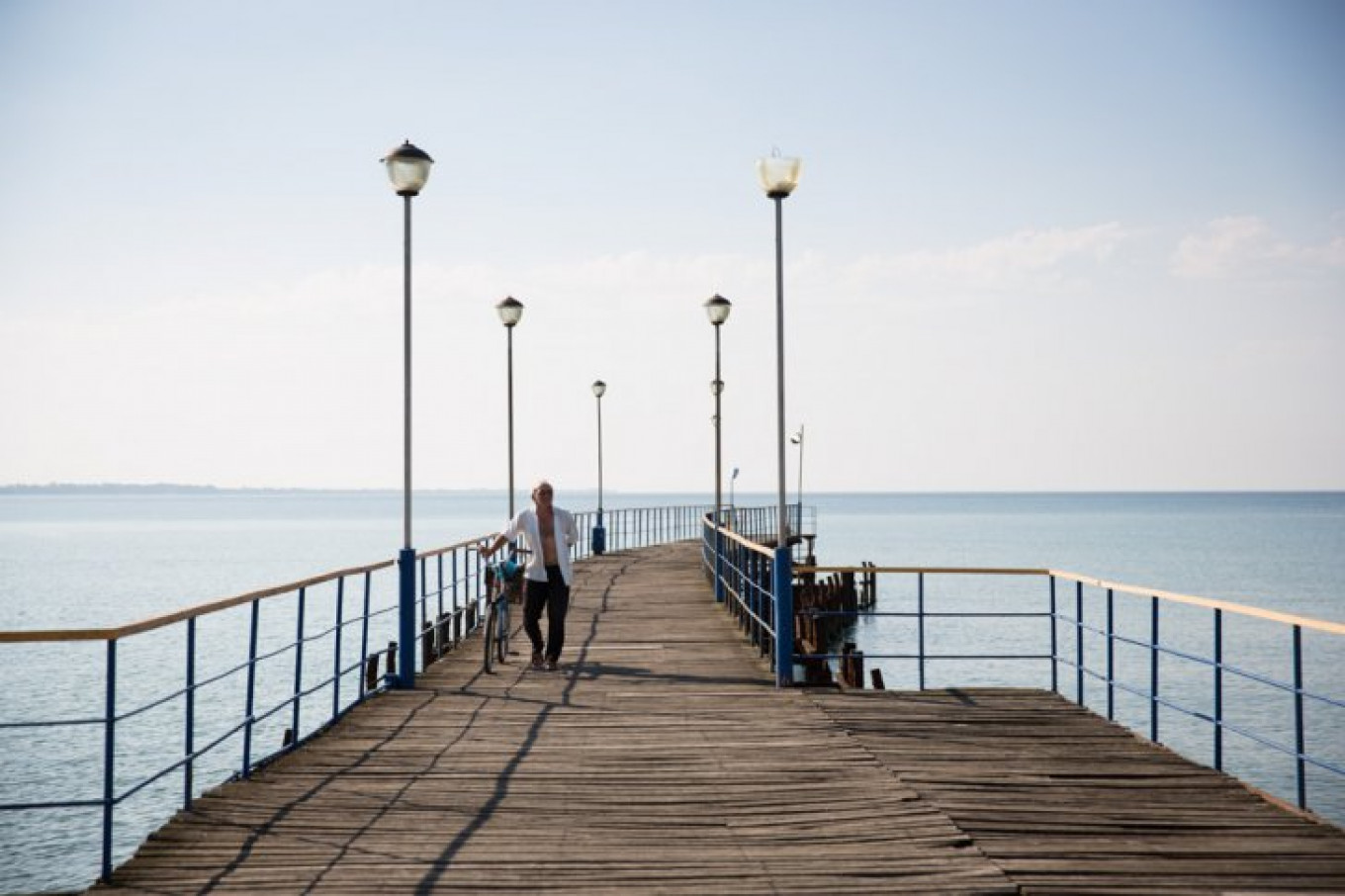
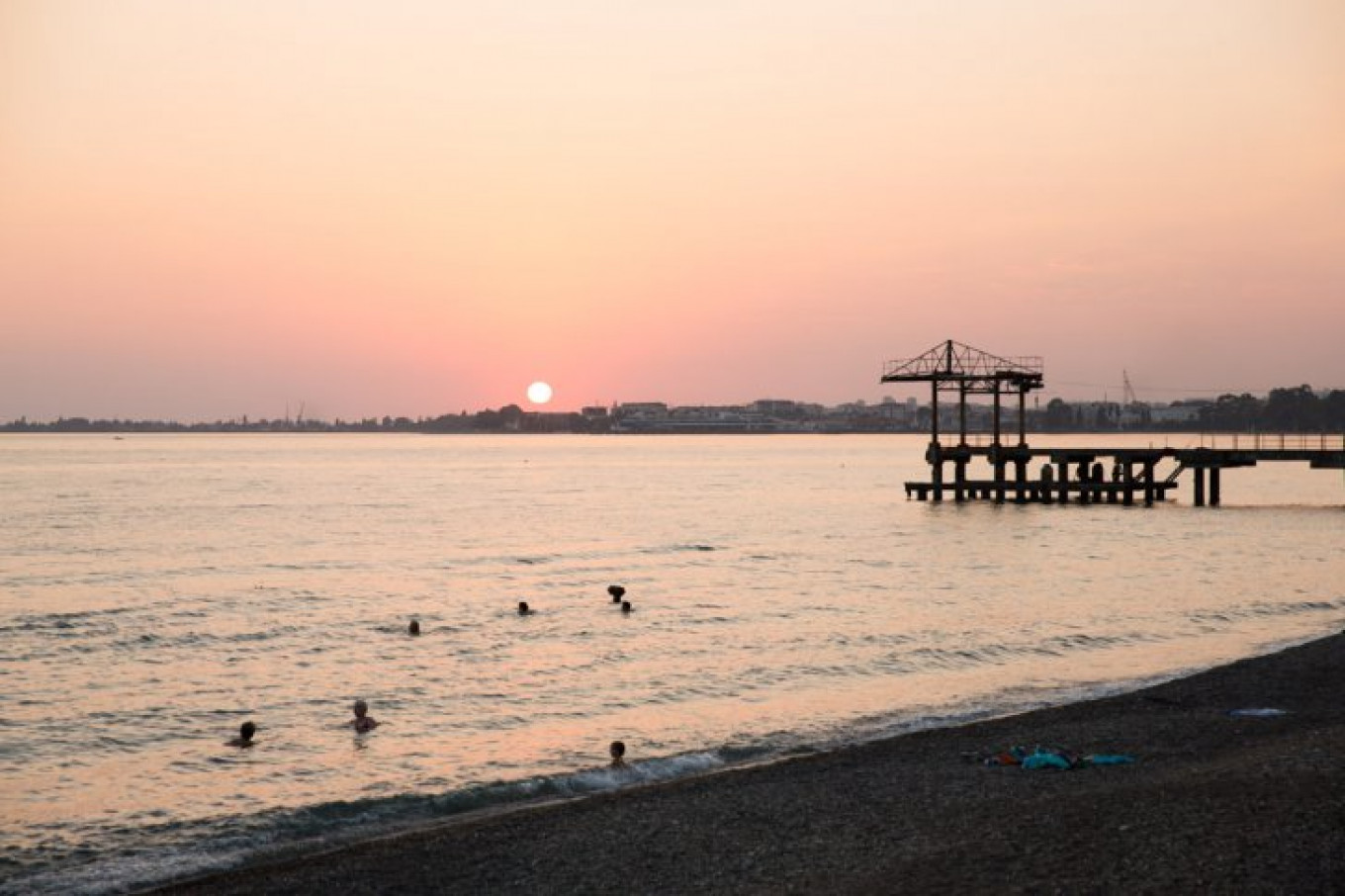
Once a popular holiday destination among ordinary people and Soviet leaders alike (the dachas of Stalin and Khrushchev were found there), the hotels, streets and beaches of Abkhazia are now surrounded by desolation.
Todd Prince / For MT
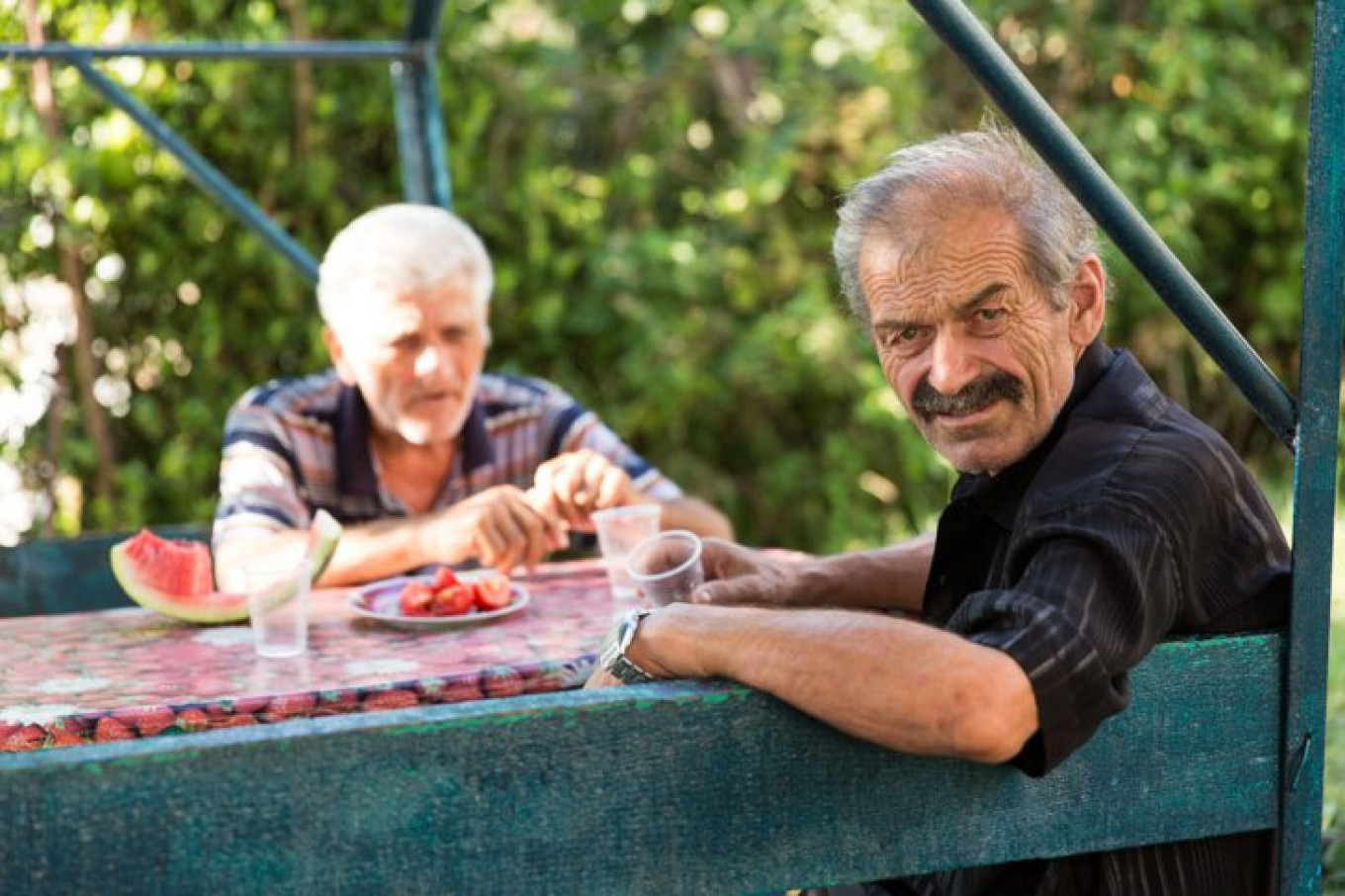
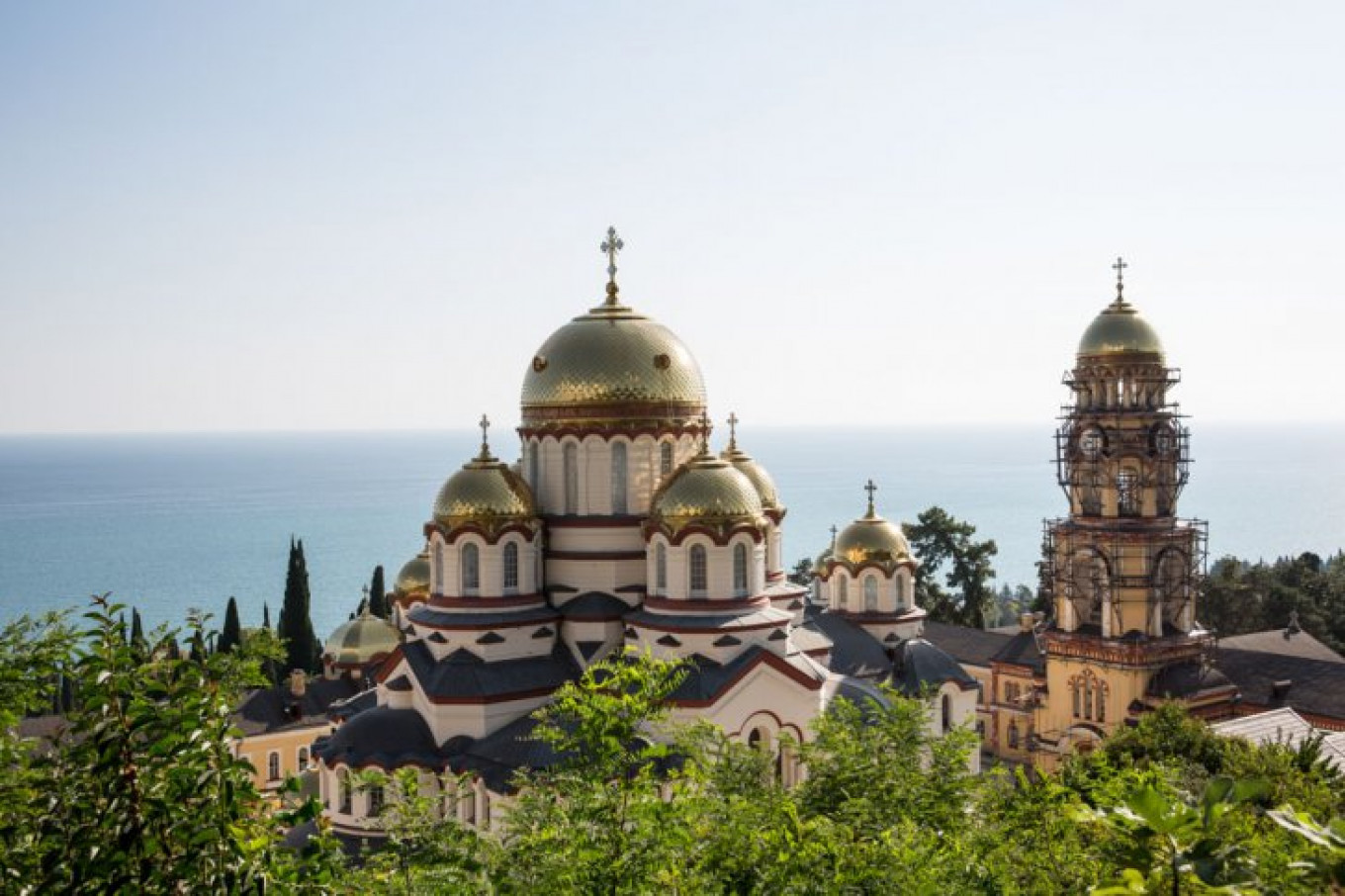
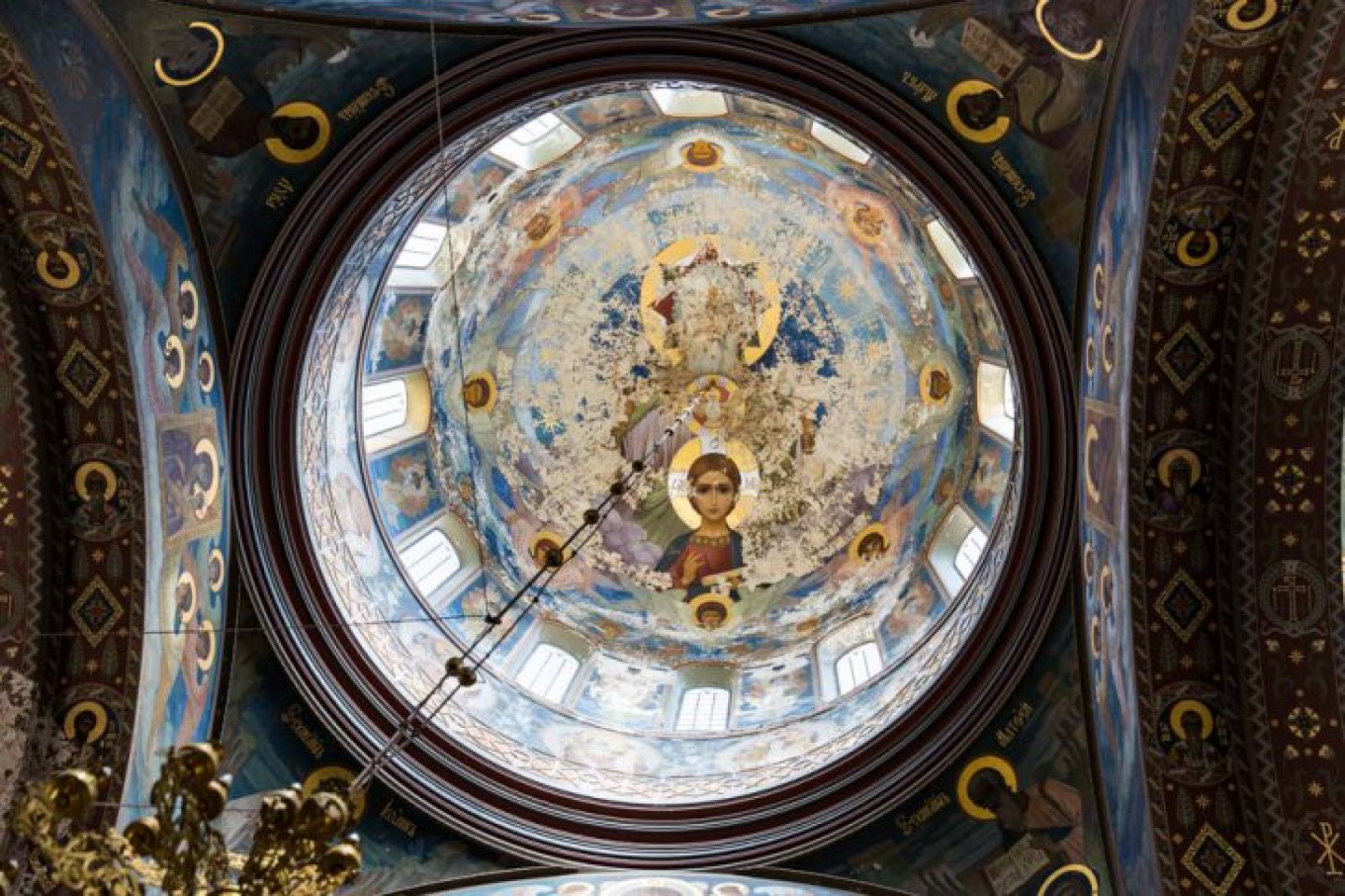
Contrary to popular belief, the predominant confession in Abkhazia is not Islam, but Christianity. The history of Christianity in Abkhazia begins in the 1st century, and currently 60 percent of Abkazians consider themselves Christians. The remainder of the population is either Muslim (16 percent), atheist (8 percent) or adherent to the traditional Abkhaz religions (8 percent).
Todd Prince / For MT
Todd Prince / For MT
Todd Prince / For MT
Todd Prince / For MT
Todd Prince / For MT
Todd Prince / For MT
Todd Prince / For MT
Todd Prince / For MT
Todd Prince / For MT
Todd Prince / For MT