
10 Years of Putin

He has enjoyed immense popularity as both president and prime minister — his approval ratings have not dropped below 60 percent since 2000 — and understands very well how to maintain his image in the media. His sober tone, articulate speech and oft-displayed, strapping physique have been a welcome relief to a populace accustomed to the antics, slurred speech and blunt grammar of his predecessor, Boris Yeltsin. (Photo of billboard from 2007)
Igor Tabakov / MT
In an interesting argument for fate's role in Putin's rise to power, his paternal grandfather, Spiridon Ivanovich Putin, was a cook for both Vladimir Lenin and Josef Stalin. (Photo from 2008)
Igor Tabakov / MT
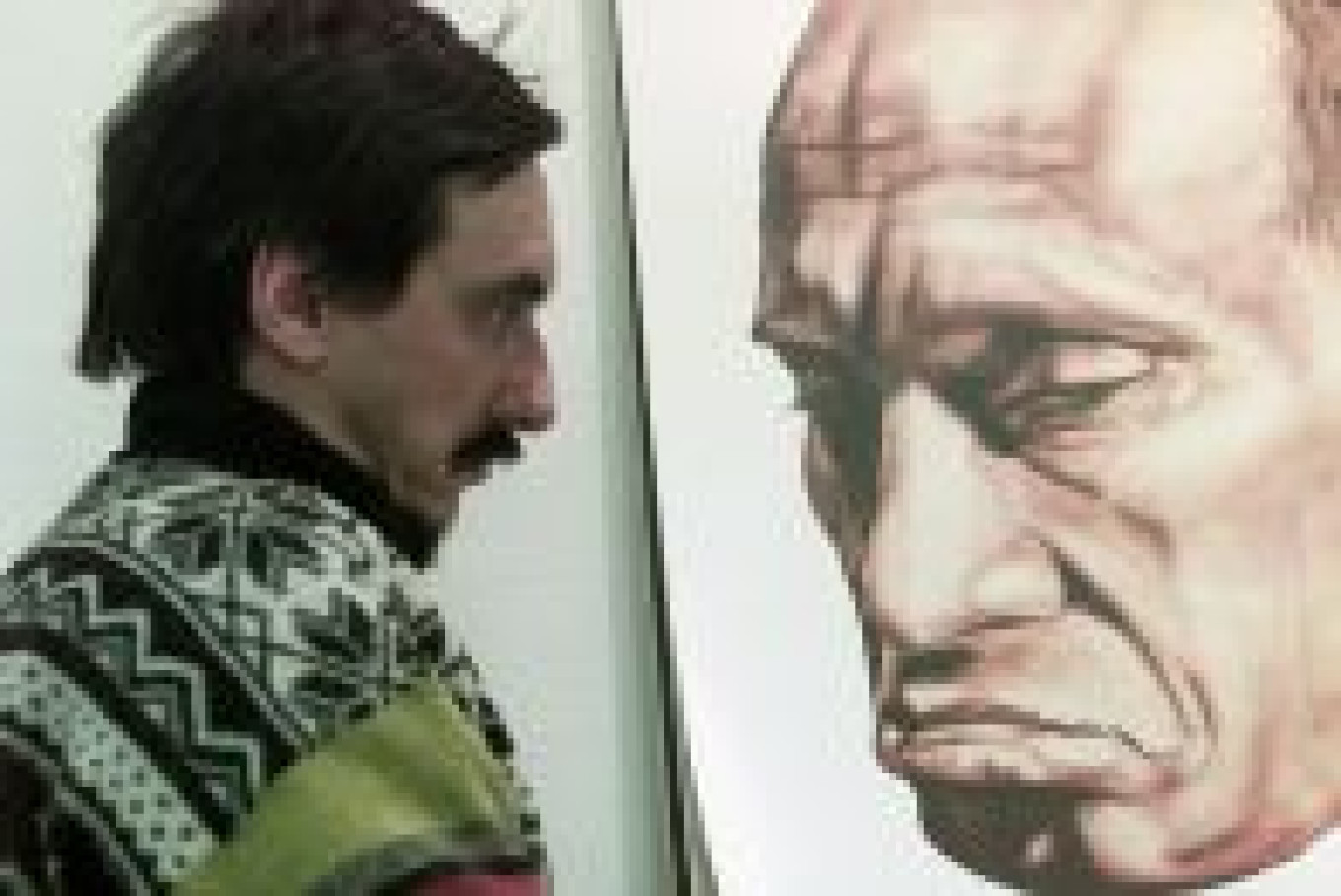
In 2001, husband-and-wife artists Dmitry Vrubel and Viktoria Timofeyeva produced 1,000 calendars with 12 images of Putin in different moods. An exhibition of the portraits titled "The 12 Moods of the President" was shown at a gallery near the Arbat. Vrubel, pictured above at the exhibition, claimed at the time that the biggest superstars in Russia were the chinovniks, or bureaucrats, and the oligarchs and politicians who rule the country, "and above them all is the personage of Putin."
Igor Tabakov / MT
Putin's era has been a stark contrast to Yeltsin's years in office, which saw the country's natural resources sold off to a few select oligarchs and a resulting economic collapse. The government now controls the major industries, and the businessmen who have not fallen in line and agreed to play by Putin's rules have either been exiled (Boris Berezovsky and Vladimir Gusinsky) or imprisoned (Mikhail Khodorkovsky). (Photo from 2001)
Igor Tabakov / MT
Putin's dry wit and blunt, harsh language has provided some acerbic responses to criticism of him and his policies during his tenure as president. At his last official news conference as president in February 2008, after then-U.S. Senator Hillary Clinton described him as having "no soul" because of his KGB roots, Putin replied, "as a minimum, a state official must at least have a head." In the same breath, he claimed that people spreading rumors about his supposed $40 billion fortune had "picked everything out of their noses and smeared it on their little papers." (Photo from 2002)
Igor Tabakov / MT
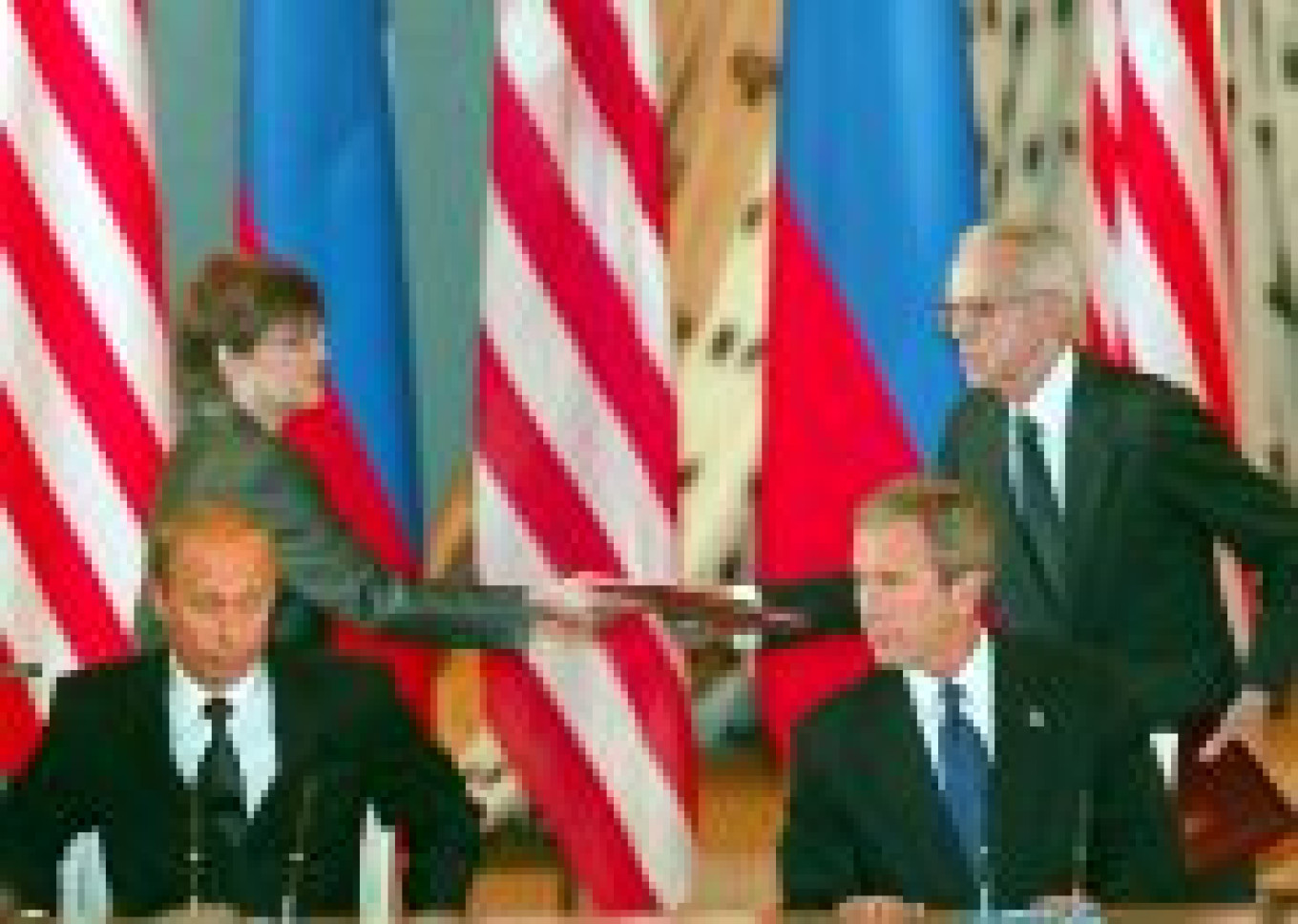
Putin's relationship with former U.S. President George W. Bush was friendly, despite political conflicts ranging from the 2003 invasion of Iraq and subsequent war, Russia's relations with Iran and U.S. plans to establish a missile defense system in Eastern Europe. (Photo from 2002)
Igor Tabakov / MT
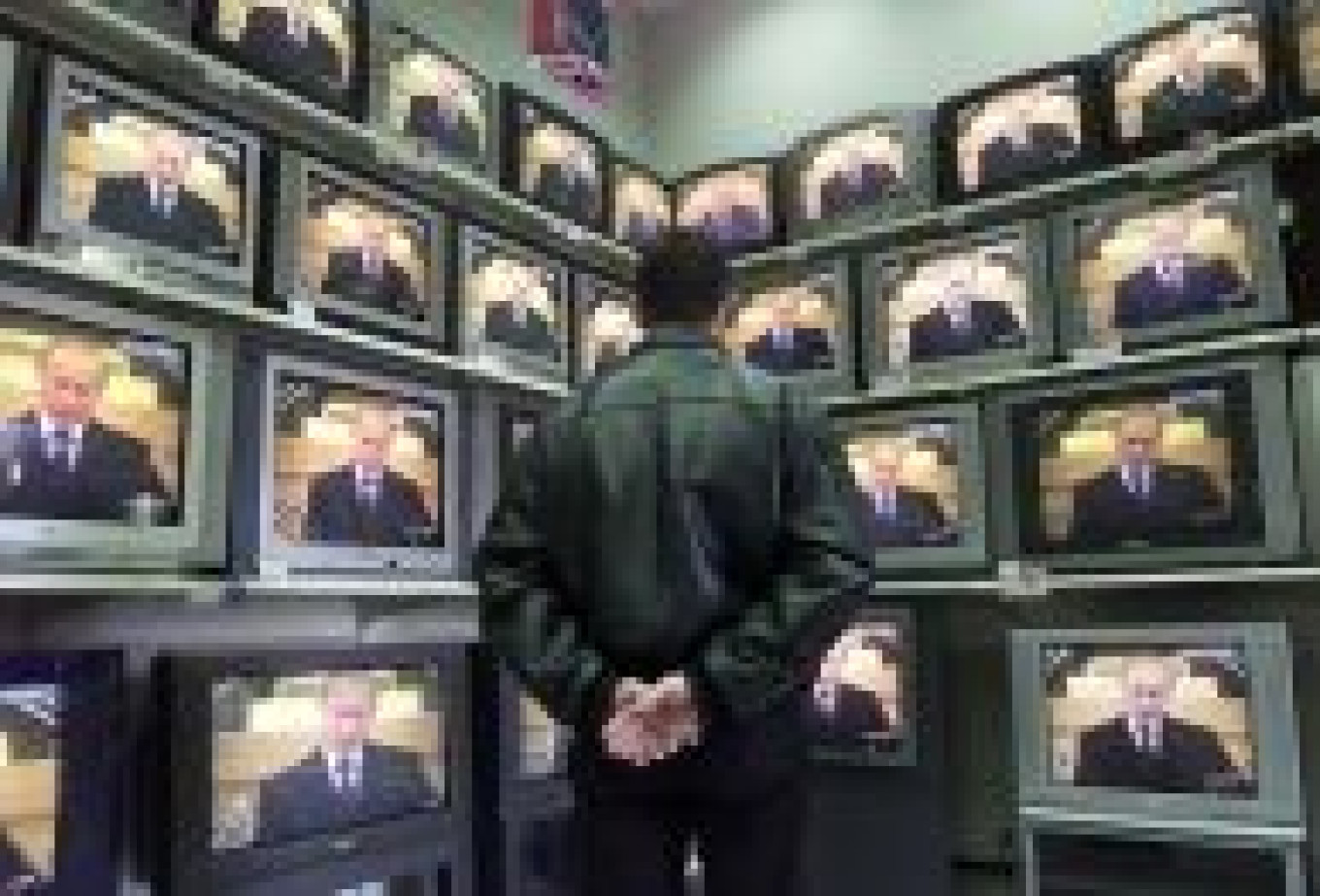
Russian media have mainly refrained from any criticism or ridicule of Putin since he took office, perhaps taking a cue from the fate of the NTV channel, which was taken over by state-owned Gazprom in 2001 after repeatedly mocking the then-president on a puppet show called "Kukly." The show itself was canceled the following year. In April of this year, the 2x2 channel edited a scene out of the U.S. animated comedy "South Park" that depicted Putin in a less-than-flattering manner. (Photo from 2002)
Igor Tabakov / MT
The conflict in Chechnya was an enormous part of Putin's early years as president, prompting many to speculate that his "take no prisoners" attitude toward dealing with Chechen separatists propelled his popularity. Criticism of Russian military actions in Chechnya were met harshly by Putin himself; in 2002, when a French journalist from newspaper Le Monde suggested that civilians were being killed unjustly by Russian troops, Putin likened the reporter to a radical Islamist and invited him to Moscow for a circumcision that would ensure that "nothing would ever grow back." (Photo from 2007)
Igor Tabakov / MT
Amid a flurry of speculation over who would be anointed to take the country's reins as president, in December 2007 Putin chose his former campaign manager Dmitry Medvedev as the official United Russia candidate in the 2008 election. Both men were born in Leningrad, graduated from the Leningrad State University Law Department and were proteges of St. Petersburg Mayor Anatoly Sobchak. (Photo from 2007)
Vladimir Filonov / MT
While the Constitution's presidential term limits prevented him from running for president in 2008, Putin remained in the driver's seat by essentially appointing himself both prime minister and head of ruling political party United Russia. His role in the party's success cannot be underestimated — even by Putin himself. In 2007, after United Russia swept the State Duma elections with 64 percent of the vote, Putin said, "I headed this party's ticket, and [the result] was definitely a demonstration of [the voters'] trust." (Photo from 2009)
Igor Tabakov / MT
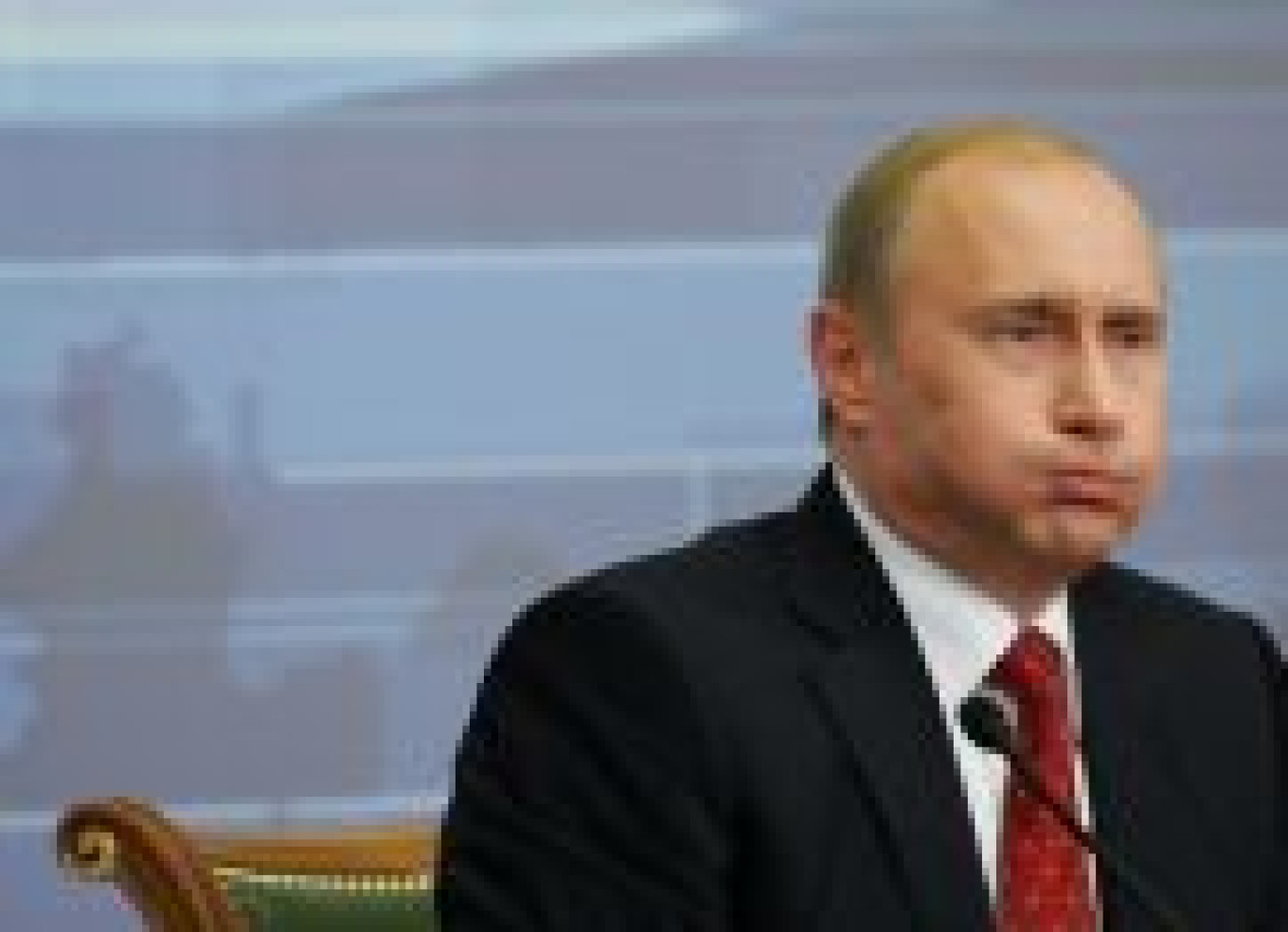
In January of this year, Putin gave an interview to Bloomberg that revealed a number of relatively intimate details about his personal life. He said his greatest fault was that he was "too trusting," that his "excessive workload" makes it difficult to "fall asleep … to unwind from the emotional tension" and that he has "loved ice cream, in large amounts, ever since my childhood." (Photo from 2006)
Igor Tabakov / MT
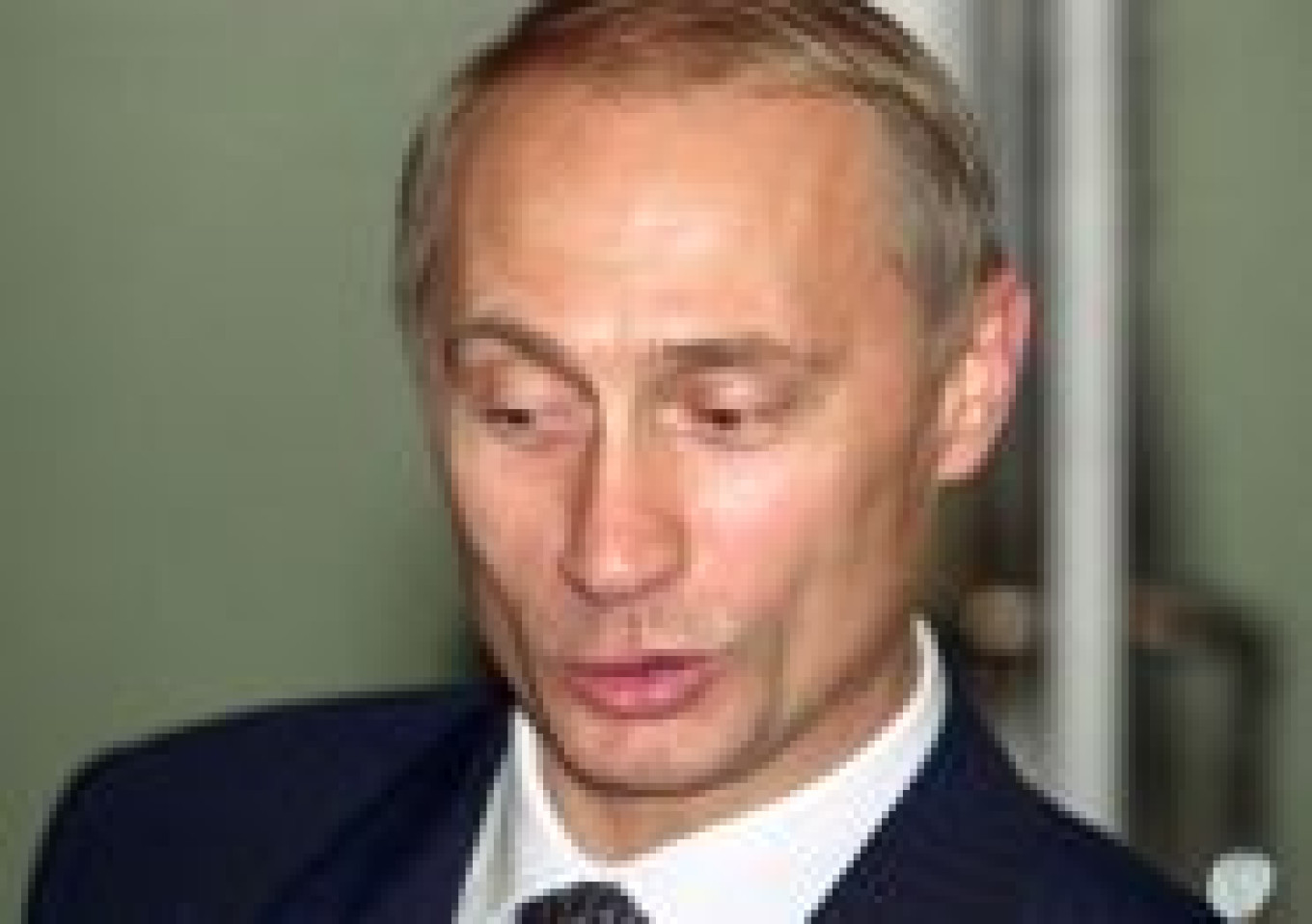
After Boris Yeltsin named him as his prime minister in August 1999, Putin (pictured above on August 16, 1999, after the State Duma confirmed premiership) had to endear himself to voters, who had no idea who he was or what he stood for, to gain their votes in the May 2000 elections. In February 2000, he stated that he would not make his campaign platform public because he believed that "as soon as you make it public, they will start gnawing at it and tearing it to pieces." The only thing resembling an explanation of his beliefs was in an open letter to the voters saying, "our first and most important problem is the weakening of will. … Vacillation, dithering, the habit of putting off the hardest tasks for later."
Igor Tabakov / MT